

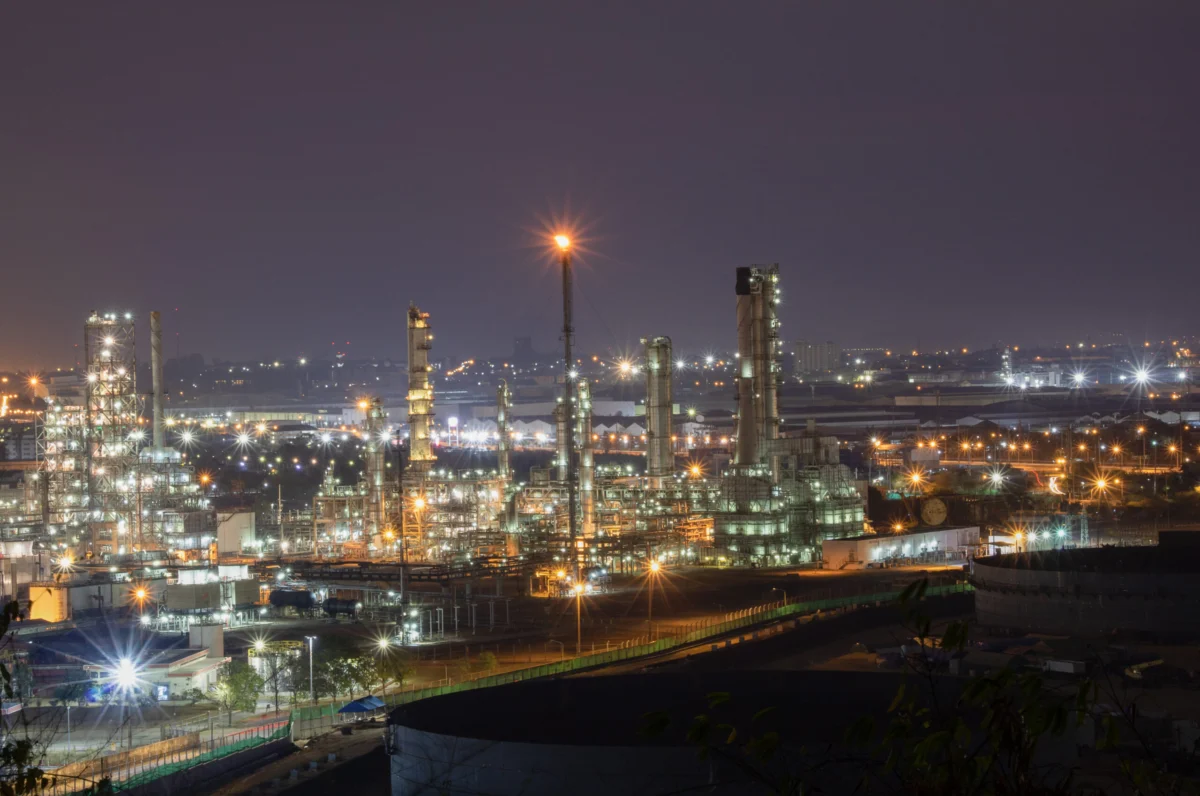
U.S. refiner margins have recently shattered historical records, signaling acute distress in the global energy markets as low stockpiles and significant supply disruptions, exacerbated by escalating military and political tensions between the United States and Iran, threaten potential fuel shortfalls in the world’s largest fuel-consuming nation. This unprecedented surge in profitability for refiners underscores a fragile global supply chain grappling with geopolitical volatility and fundamental imbalances in supply and demand.
The primary indicator reflecting refiner profitability, the 3-2-1 crack spread – a metric that approximates the gross profit margin from breaking down three barrels of crude oil into two barrels of gasoline and one barrel of diesel or heating oil – has reached stratospheric levels. This benchmark, widely utilized across the industry, reflects the substantial disparity between the cost of crude oil and the much higher prices fetched by refined products. Historically, the 3-2-1 crack spread typically fluctuates within a range, influenced by seasonal demand, refinery utilization rates, and crude oil prices. However, recent weeks have seen this spread ascend to previously unimaginable heights, indicating a severe bottleneck in the refining sector’s ability to meet robust demand, particularly for essential transportation fuels like gasoline and diesel. The current environment is characterized by an insatiable demand for refined products clashing with a constrained supply, amplified by the perceived risk premium stemming from Middle Eastern instability.
The Geopolitical Crucible: U.S.-Iran Tensions
The escalating friction between the United States and Iran has emerged as a critical catalyst for the current market volatility. The Strait of Hormuz, a narrow waterway connecting the Persian Gulf to the open ocean, is arguably the most vital chokepoint for global oil transit, through which approximately 20% of the world’s total petroleum liquids consumption flows. Any perceived threat to this passage immediately sends ripples across global energy markets, manifesting as increased crude oil prices and, subsequently, higher refined product costs. Recent months have witnessed a series of provocative incidents, including alleged attacks on commercial tankers, drone confrontations, and heightened rhetoric from both Washington D.C. and Tehran. These events, while often localized, create a pervasive sense of uncertainty and risk that directly impacts shipping insurance premiums, transit times, and ultimately, the cost and reliability of oil supply.
The ongoing diplomatic impasse and the specter of direct military confrontation between the two nations have led to an elevated geopolitical risk premium embedded in crude oil prices. Traders and refiners, wary of potential supply disruptions, are factoring in the possibility of sudden outages, leading to speculative buying and hoarding. Furthermore, U.S. sanctions against Iran have significantly curtailed Iranian oil exports, effectively removing a substantial volume of crude from the global market and tightening overall supply. While the direct impact of these sanctions is primarily on crude availability, the psychological effect of persistent geopolitical tension in a region so central to global energy supply cannot be overstated. The market’s reaction is not merely to actual supply cuts but also to the threat of them, creating a volatile and unpredictable pricing environment that disproportionately benefits refiners able to secure feedstock and process it into high-demand products.
Depleted Stockpiles: A Domestic Vulnerability
Compounding the geopolitical pressures is the critically low level of U.S. fuel stockpiles. Data from the Energy Information Administration (EIA) has consistently shown U.S. crude oil, gasoline, and diesel inventories trending well below their five-year averages. This deficit is not a sudden phenomenon but rather the culmination of several factors over recent years. Post-pandemic economic recovery led to a sharp rebound in fuel demand, which refiners struggled to match due to a confluence of factors. Many refineries, particularly older, less efficient ones, were permanently shut down during the demand collapse of 2020. This reduction in overall refining capacity, coupled with deferred maintenance during the pandemic, left the industry with less flexibility to ramp up production quickly when demand surged.
The Strategic Petroleum Reserve (SPR), a vital emergency supply, has also been drawn down significantly in an effort to stabilize prices, further reducing the national buffer against supply shocks. While these releases provided temporary relief, they also reduced the country’s strategic reserves to their lowest levels in decades, leaving the U.S. more exposed to global supply fluctuations. For instance, gasoline inventories in the U.S. Northeast, a major consumption hub, have been particularly thin, exacerbating concerns about regional supply stability and pricing. Diesel stockpiles, critical for the trucking, agricultural, and industrial sectors, have also registered alarming lows, raising fears of potential rationing or severe price spikes for essential goods and services. The lack of readily available reserves means that any minor disruption, whether from a refinery outage, pipeline issue, or geopolitical event, can have an outsized impact on market prices and supply availability.
Chronology of Escalation and Market Response
The current crisis has unfolded over several months, marked by a series of events:
- Late 2021 – Early 2022: Global demand for refined products begins a robust recovery as economies reopen, while refining capacity remains constrained globally due to closures and underinvestment.
- February 2022 onwards: The Russia-Ukraine conflict triggers a major reshuffling of global energy flows. Sanctions on Russian oil and gas prompt European nations to seek alternative supplies, tightening markets further and increasing competition for available crude and refined products.
- Mid-2022: U.S. refiner margins begin a significant ascent, driven by strong domestic demand and tight global product markets. Gasoline and diesel prices at the pump surge.
- Late 2022 – Early 2023: U.S. crude and product stockpiles continue to decline, with EIA reports consistently showing inventories below seasonal averages. Strategic Petroleum Reserve releases intensify, providing temporary price relief but drawing down national reserves.
- Recent Months (leading up to "this week"): A marked increase in U.S.-Iran military and political incidents in the Persian Gulf region. Reports surface of naval confrontations, drone activities, and heightened rhetoric, directly impacting market perceptions of supply risk from the critical Strait of Hormuz.
- "This week": The 3-2-1 crack spread, and other regional refining margins, officially shatter previous records, driven by the cumulative effect of low inventories and the acute geopolitical risk premium. Analysts widely report unprecedented profitability for refiners, juxtaposed with dire warnings of potential fuel shortfalls.
Supporting Data and Market Dynamics
The quantitative evidence supporting the current market conditions is compelling. While specific real-time crack spread figures vary by region and crude type, reports indicate that benchmark spreads, such as the Gulf Coast 3-2-1 crack spread, have soared well past previous highs, sometimes exceeding $60-70 per barrel, compared to historical averages often in the $10-30 range. This dramatic increase reflects the extreme value currently placed on refining capacity. Refinery utilization rates, while high, have struggled to keep pace with demand, often constrained by planned maintenance or unforeseen outages. For instance, while some regions might see utilization above 95%, the overall system still faces limitations.
Global crude oil benchmarks, West Texas Intermediate (WTI) and Brent Crude, have exhibited significant volatility, responding acutely to geopolitical headlines. Despite periods of crude price moderation, the spread between crude and product prices has continued to widen, indicating that the bottleneck is downstream at the refining stage, rather than solely at the crude production level. The demand side also plays a crucial role; despite high prices, consumer demand for gasoline has remained resilient, particularly during peak driving seasons. The post-COVID travel rebound, combined with increased freight activity, has kept demand robust, further tightening product markets.
Statements and Reactions from Related Parties
Energy analysts across major financial institutions have largely concurred on the severity of the situation. "What we are seeing is a perfect storm," remarked a lead energy strategist at a prominent investment bank. "Years of underinvestment in refining capacity, coupled with a resurgent demand and now direct geopolitical risk, have created a pricing environment that is unsustainable for consumers but incredibly profitable for refiners in the short term." Analysts have pointed to the structural deficit in global refining capacity, noting that it takes years and billions of dollars to build new facilities, making a quick resolution unlikely.
Refining industry executives, while acknowledging record profits, have also highlighted the challenges. "While margins are strong, we are operating in an incredibly complex and volatile environment," stated a spokesperson for a major U.S. refiner. "Securing crude feedstock at reasonable prices, managing operational risks, and navigating stringent environmental regulations all contribute to the cost structure. The current situation highlights the critical need for a stable energy policy that supports domestic refining and infrastructure." They have also pointed out that these high margins are often reinvested into maintenance, upgrades, and sometimes, increasing efficiency, rather than leading to immediate, large-scale capacity expansions.
Government officials, particularly those focused on energy security and consumer protection, have expressed concern. Calls for diplomatic de-escalation in the Middle East have intensified, alongside discussions about further potential releases from the Strategic Petroleum Reserve, though the efficacy of such releases is debated given the already depleted state of the SPR. There is also an ongoing dialogue regarding encouraging domestic energy production and ensuring regulatory frameworks support a robust refining sector without compromising environmental goals.
Broader Impact and Implications
The implications of record refiner margins and potential fuel shortfalls are far-reaching, extending beyond the immediate energy sector to impact the broader economy and geopolitical landscape.
- Economic Impact: The most immediate effect is on consumers, who face persistently high prices at the pump for gasoline and diesel. This acts as a regressive tax, disproportionately affecting lower-income households and increasing the cost of living. For businesses, especially those reliant on transportation (e.g., logistics, agriculture, airlines), rising fuel costs translate directly into higher operating expenses, which are often passed on to consumers in the form of increased prices for goods and services, exacerbating inflationary pressures. Should fuel shortfalls materialize, they could lead to disruptions in supply chains, impacting manufacturing and retail sectors, potentially even slowing economic growth or pushing economies towards recession.
- Inflationary Pressures: Energy costs are a significant component of overall inflation. The sustained high prices for refined products contribute to elevated inflation rates, complicating central banks’ efforts to manage monetary policy and achieve price stability. This "energy-driven inflation" can be particularly stubborn, as it stems from fundamental supply-demand imbalances and geopolitical factors that are difficult to control through interest rate adjustments alone.
- Geopolitical Stability: The situation underscores the fragile nature of global energy security and the enduring importance of the Middle East in international relations. Continued instability in the Persian Gulf could invite broader international intervention or lead to a more severe energy crisis globally, prompting major powers to re-evaluate their energy strategies and alliances. The reliance on chokepoints like the Strait of Hormuz highlights vulnerabilities in the global energy infrastructure.
- Policy Challenges: Governments face a complex dilemma: balancing the need for affordable energy with environmental goals and geopolitical realities. Short-term measures like SPR releases offer limited relief. Long-term solutions involve diversifying energy sources, investing in renewable technologies, and potentially rethinking domestic refining capacity and energy infrastructure resilience. However, these are capital-intensive and time-consuming endeavors.
- Industry Dynamics: While refiners are experiencing high profits, this period also exposes the vulnerabilities of a sector that has seen limited investment in new capacity over the past decade. The current boom might incentivize some efficiency upgrades or expansions, but significant new refinery construction remains unlikely due to high capital costs, lengthy permitting processes, and the long-term global shift towards decarbonization. This suggests that structural tightness in refined product markets could persist for some time.
In conclusion, the record-shattering refiner margins are a stark indicator of a global energy market under immense strain. A volatile geopolitical landscape, particularly the escalating tensions between the U.S. and Iran, combined with critically low domestic fuel stockpiles and an underlying structural deficit in refining capacity, has created a precarious environment. While profitable for refiners, this situation poses significant economic challenges for consumers and businesses, exacerbates inflationary pressures, and highlights profound vulnerabilities in global energy security. The path forward demands a multi-pronged approach encompassing diplomatic de-escalation, prudent energy policy, and strategic investments to ensure a more resilient and stable energy future.
