

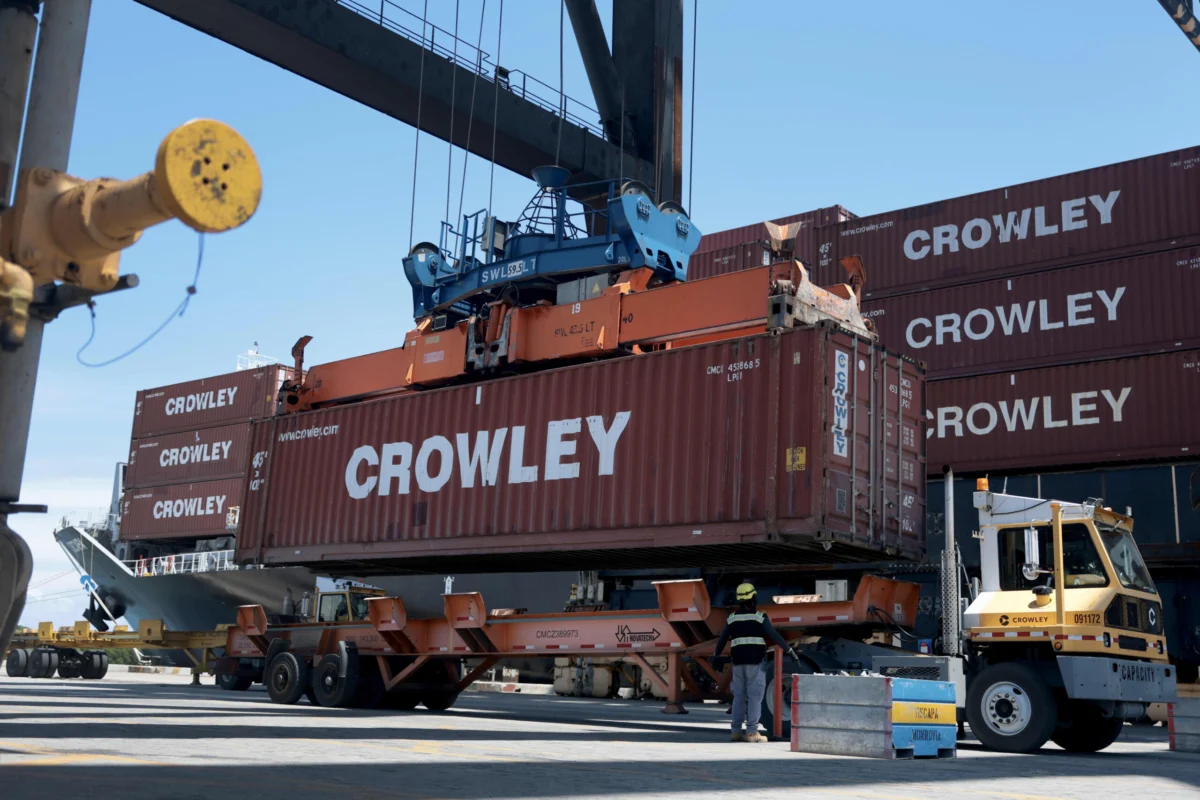
The cost of goods entering the United States experienced an unanticipated surge in June, defying economist expectations and signaling a potential broadening of inflationary pressures beyond energy markets. The Bureau of Labor Statistics (BLS) reported Friday that import prices climbed 0.3% for the month, a figure that sharply contrasts with the 0.8% decline anticipated by economists surveyed by Dow Jones. This unexpected uptick has been primarily attributed to a significant increase in prices for goods originating from China, which saw their largest monthly rise in over 18 years, and a growing demand for components related to the artificial intelligence (AI) sector.
On an annual basis, the situation appears even more concerning, with import prices jumping a substantial 7.1%. This represents the most significant year-over-year increase recorded since August 2022, indicating a persistent upward trend in the cost of foreign-made goods. The BLS report suggests that the ongoing global expansion of artificial intelligence infrastructure may be a contributing factor, with notable price hikes observed in categories such as computers, peripherals, and semiconductors.
Key Drivers of the Import Price Surge
The BLS data reveals a complex interplay of factors contributing to the June increase. While a decline in the cost of fuels and lubricants helped to temper overall price growth by 0.4% (following a substantial 12.6% jump in May), this reduction was more than counteracted by increases in other sectors. Industrial and service machinery costs, in particular, played a significant role in driving up overall import prices.
A pivotal element in this import price escalation is the significant rise in costs associated with goods from China. Import prices from China surged by 0.9% in June, marking the most substantial monthly increase since January 2008. This sharp escalation could be a direct consequence of trade policies and tariffs, although the BLS report does not explicitly confirm this. The annual increase in import prices from China stood at 1.3%, the largest yearly gain observed since the period spanning November 2021 to November 2022. Conversely, export prices from the U.S. to China experienced a slight decrease of 0.2% in June, yet on an annual basis, they remained elevated, rising by 7.4% – the most significant monthly increase dating back to August 2022. This disparity suggests a potential shift in trade dynamics or pricing strategies between the two economic giants.
Broader Inflationary Signals Beyond Energy
The June import price report paints a picture of inflation that is showing signs of diffusing beyond the energy sector. While the decline in oil prices did provide some relief in June, the broader trends indicate that businesses are increasingly contending with a variety of rising costs for imported inputs. This diversification of inflationary pressures is a key concern for policymakers aiming to stabilize the economy.
The report also touched upon export prices, which broadly decreased by 0.6% in June. This marked the first monthly decline in export prices since May 2025. However, despite this monthly dip, annual export prices remained robust, increasing by 10.2%. This suggests that while the immediate cost of U.S. goods being shipped abroad might be moderating, the overall trend of rising export costs over a longer period persists.
Context of Recent Economic Indicators and Federal Reserve Scrutiny
This latest import price data arrives on the heels of other recent BLS reports that had offered a glimmer of optimism regarding inflation. Earlier in the week, the BLS announced that both consumer and wholesale price indices had declined, largely driven by a softening in energy costs. This initial easing was partly attributed to a brief de-escalation of geopolitical tensions between the U.S. and Iran, which had previously contributed to energy price volatility.
However, the unexpected rise in import prices injects a new layer of complexity into the ongoing debate about inflation and the Federal Reserve’s monetary policy. Federal Reserve officials have been intently scrutinizing inflation trends since prices began to surge in the aftermath of U.S. and Israeli actions against Iran, which commenced in late February. The persistent inflationary pressures have been a central challenge for the central bank as it strives to achieve its mandated 2% inflation target.
Fed Officials Weigh In on Inflation Outlook
The nuanced inflation data has prompted varied reactions from Federal Reserve officials. In congressional hearings held earlier this week, Fed Chairman Kevin Warsh expressed caution, stating that he does not view the softer June inflation reports as an indication that the central bank’s work is complete. He emphasized that, despite monthly declines, consumer prices were still up 3.5% from a year ago, and wholesale costs had risen by 5.5% annually. This perspective underscores the Fed’s commitment to ensuring inflation is sustainably brought back to its target.
Further reinforcing this cautious stance, Dallas Fed President Lorie Logan articulated her view on Thursday that benchmark interest rates should be "modestly higher" to effectively combat the prevailing inflation problem. Similarly, Cleveland Fed President Beth Hammack, speaking on Friday, suggested that current monetary policy needs to be tightened further.
Hammack’s candid assessment, shared via a LinkedIn post, provided a direct insight into the growing concerns from both the business and consumer sectors. She noted, "For the first time in my tenure, I’m hearing from businesses who say they think we need to take action to curb inflation, and from consumers who can’t make ends meet about a growing sense of despair." This statement highlights the tangible impact of persistent inflation on the daily lives of Americans and the increasing pressure on businesses to adapt to rising costs.
Implications for Consumers and Businesses
The unexpected rise in import prices carries significant implications for both consumers and businesses. For consumers, a sustained increase in the cost of imported goods could translate into higher prices for a wide range of products, from electronics and apparel to household goods and machinery. This could erode purchasing power and potentially exacerbate cost-of-living concerns, especially if wage growth does not keep pace.
Businesses, particularly those heavily reliant on imported components or finished goods, face the challenge of absorbing these rising costs or passing them on to consumers. This can impact profit margins, affect investment decisions, and potentially lead to a slowdown in business expansion. The increased cost of semiconductors and AI-related components, for instance, could have a ripple effect on the technology sector, potentially influencing the pace of innovation and the affordability of new technologies.
The broadening of inflationary pressures, as indicated by the diversified sources of import price increases, suggests that the Federal Reserve’s task of taming inflation may be more complex than initially anticipated. The central bank will need to carefully monitor incoming data and calibrate its monetary policy to address these multifaceted inflationary forces without unduly stifling economic growth. The interplay between global supply chain dynamics, geopolitical events, and domestic economic factors will continue to be critical in shaping the inflation outlook for the remainder of the year and beyond. The unexpected June surge in import prices serves as a stark reminder that the battle against inflation remains an ongoing and dynamic challenge.
