

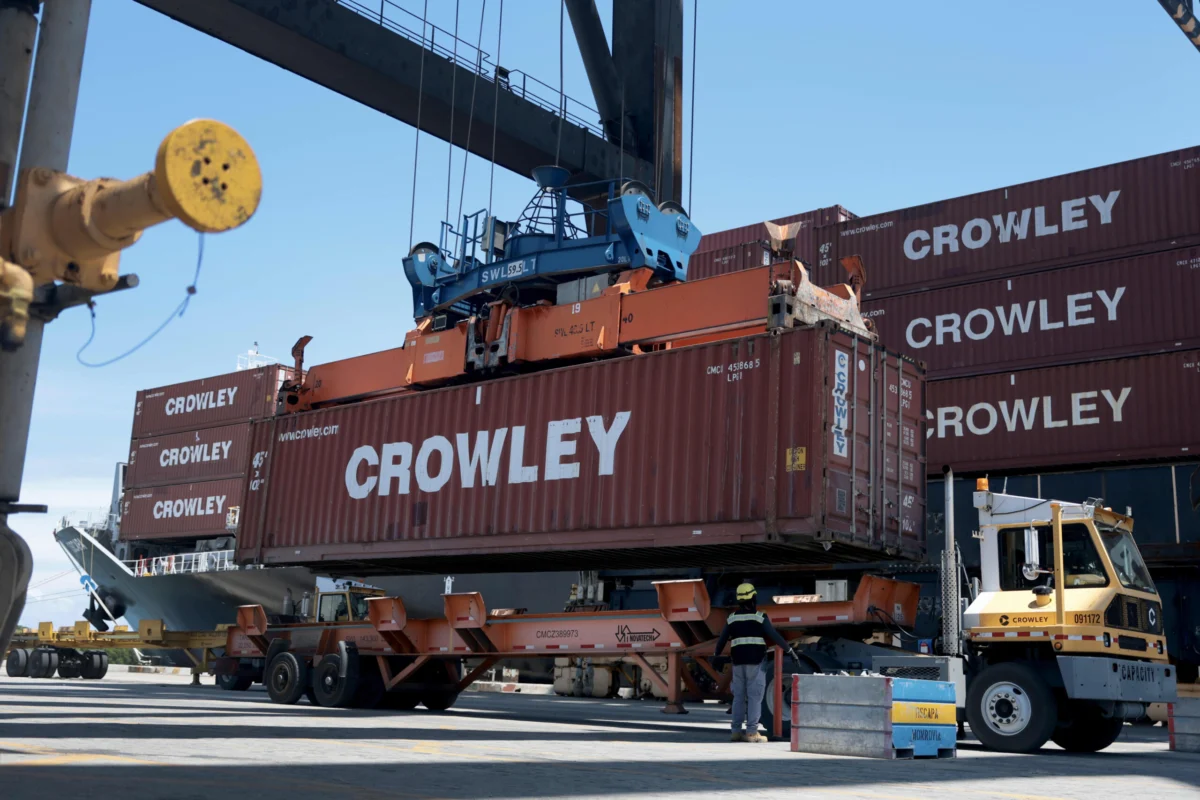
The cost of goods flowing into the United States experienced an unforeseen uptick in June, with import prices climbing by 0.3% for the month. This surge, detailed in a recent report by the Bureau of Labor Statistics (BLS), defied economist expectations for a decline and signaled a potential broadening of inflationary pressures beyond the energy sector. On an annual basis, import prices have jumped a substantial 7.1%, marking the most significant increase since August 2022, a period that saw global supply chain disruptions and robust post-pandemic demand. Economists polled by Dow Jones had anticipated a 0.8% decrease for June, highlighting the market’s surprise at the upward trend.
Key Drivers of the Import Price Surge
Several factors contributed to this unexpected rise in import costs. A notable contributor was the price of goods originating from China, which saw its largest monthly increase in over 18 years. Import prices from China alone rose by 0.9% in June, the most significant monthly jump since January 2008. This substantial increase could be an indicator of ongoing tariff impacts or shifts in Chinese manufacturing and export strategies. The 12-month increase in import prices from China reached 1.3%, the largest yearly gain seen since the period between November 2021 and November 2022.
Beyond specific geopolitical or trade-related factors, the burgeoning artificial intelligence (AI) sector appears to be playing a role in driving up costs. The BLS report indicated that rising prices for computers, peripherals, and semiconductors are likely linked to the intense global build-out of AI infrastructure. The demand for these sophisticated components, crucial for AI development and deployment, is straining supply chains and pushing up prices.
These increases were partially offset by a decrease in the cost of fuels and lubricants, which fell by 0.4% in June. However, this decline was insufficient to counteract the broader inflationary trend. The industrial and service machinery sectors also contributed to higher costs, indicating that inflationary pressures are not confined to high-tech components but are permeating various segments of the industrial economy. In May, the industrial and service machinery group had already posted a significant 12.6% jump, underscoring a persistent upward trajectory in these critical areas.
Broader Inflationary Landscape and Federal Reserve Concerns
The BLS report paints a picture of an economy where inflationary pressures, while momentarily softened by declining energy costs, are showing signs of becoming more entrenched. While export prices broadly decreased by 0.6% in June, marking the first monthly drop since May 2025, the annual increase in export prices remains elevated at 10.2%, the highest since August 2022. This suggests that while some external demand may be cooling, the cost of producing and exporting goods globally remains a significant factor.
This latest import price data arrives at a critical juncture for the Federal Reserve, which has been actively working to bring inflation back to its 2% target. Earlier in the week, the BLS had released reports indicating declines in both consumer and wholesale prices. These earlier reports were largely attributed to a temporary easing of tensions between the U.S. and Iran, which had briefly led to a softening in oil prices. However, the unexpected rise in import prices in June complicates the narrative of a consistently cooling inflation environment.
Federal Reserve officials have been closely monitoring inflation trends since a significant price spike occurred following U.S. and Israeli actions against Iran, which began in late February. The delicate balance between geopolitical stability and economic stability has been a central theme in recent policy discussions.
Expert Commentary and Policy Implications
The implications of the June import price data are being closely examined by policymakers and economists. In congressional hearings earlier in the week, Fed Chairman Kevin Warsh expressed caution, stating that he does not view the softer inflation reports as a signal that the central bank’s work is complete. He emphasized that despite the monthly declines, consumer prices are still up 3.5% from a year ago, and wholesale costs have risen by 5.5% annually.
Further underscoring the Fed’s concerns, Dallas Fed President Lorie Logan indicated on Thursday that she believes benchmark interest rates should be "modestly higher" to effectively combat the prevailing inflation problem. This sentiment was echoed by Cleveland Fed President Beth Hammack on Friday, who also suggested that monetary policy needs to remain restrictive.
President Hammack articulated the growing sentiment among businesses and consumers, noting in a LinkedIn post, "For the first time in my tenure, I’m hearing from businesses who say they think we need to take action to curb inflation, and from consumers who can’t make ends meet about a growing sense of despair." This statement highlights the tangible impact of sustained price increases on the everyday lives of Americans and the broader economic landscape.
Historical Context and Future Outlook
The current inflationary environment is a stark contrast to the low-inflation period that characterized much of the decade prior to the pandemic. The COVID-19 pandemic triggered unprecedented supply chain disruptions, leading to a surge in demand for goods as consumers shifted spending away from services. This, coupled with significant fiscal stimulus and later, geopolitical events, created a potent mix that fueled a rapid increase in prices.
The BLS data on import prices provides a crucial window into the global cost pressures that U.S. businesses and consumers are facing. The reliance on imported goods, particularly from major manufacturing hubs like China, means that international economic and political developments can have a direct and immediate impact on domestic price levels. The rise in prices for semiconductors and other components essential for technological advancement also points to a longer-term challenge of managing costs in rapidly evolving industries.
The Federal Reserve’s challenge is to calibrate its monetary policy to curb inflation without stifling economic growth. The recent import price data suggests that the path to price stability may be more complex and protracted than initially hoped. The divergence between declining energy prices and rising costs in other key sectors underscores the need for a comprehensive understanding of inflationary drivers.
Supporting Data and Chronology
- June 2026: Import prices rise by 0.3% month-over-month, exceeding economists’ expectations of a 0.8% decline.
- June 2026: Import prices from China increase by 0.9%, the largest monthly gain since January 2008.
- June 2026: Annual import price inflation reaches 7.1%, the highest since August 2022.
- May 2026: Industrial and service machinery sector prices jumped 12.6%.
- Early July 2026: BLS reports declines in consumer and wholesale prices, largely due to falling energy costs.
- Late February 2026 onwards: Inflationary pressures intensify following U.S. and Israeli actions against Iran.
- August 2022: Previous peak in annual import price increases.
- January 2008: Previous peak in monthly import price increases from China.
The data from the Bureau of Labor Statistics serves as a critical indicator for understanding the global economic forces impacting the U.S. economy. As businesses continue to navigate supply chain complexities and technological advancements, the management of import costs will remain a central focus for policymakers aiming to ensure sustained economic stability and affordability for American households. The recent uptick in import prices suggests that the fight against inflation is far from over, and the Federal Reserve may need to maintain its hawkish stance for an extended period.
