

By Christina Sarah Hauser and Maleke Fourati
TUNIS – June 2, 2026 – Thousands of individuals in developing nations succumb annually to organ failure, their lives cut short not by the prohibitive cost or intricate nature of transplantation surgery, but by a critical scarcity of available organs. This pervasive challenge, a stark reality for many low- and middle-income countries, often prompts desperate searches for complex, sweeping legislative reforms. However, Tunisia’s groundbreaking approach offers a compelling counter-narrative, demonstrating that a fundamental yet profoundly impactful first step lies in targeted awareness-raising initiatives. The nation’s experience underscores the power of equipping medical professionals with the knowledge to demystify the transplant system and, crucially, creating safe spaces for the public to voice their deeply held fears and concerns.
The Global Organ Shortage Crisis: A Mounting Toll
The global demand for organ transplantation far outstrips the available supply, a disparity that is particularly acute in developing countries. According to the World Health Organization (WHO), an estimated 1.5 million people globally could benefit from organ transplantation each year, yet only a fraction of that number receive one. The reasons are multifaceted, encompassing insufficient donor registries, underdeveloped infrastructure, cultural taboos, and a lack of public understanding regarding organ donation. In many of these regions, the legal frameworks surrounding organ donation and transplantation may exist, but their efficacy is hampered by a fundamental disconnect between the healthcare system and the populace.
Tunisia’s Paradigm Shift: From Stigma to Understanding
For decades, organ donation in Tunisia, as in many North African and Middle Eastern nations, has been shrouded in cultural and religious apprehension. Misconceptions about the sanctity of the body after death, fears of commodification, and a general lack of information created a significant barrier to the establishment of a robust organ donation program. The result was a growing waiting list for life-saving transplants, mirroring the global crisis.
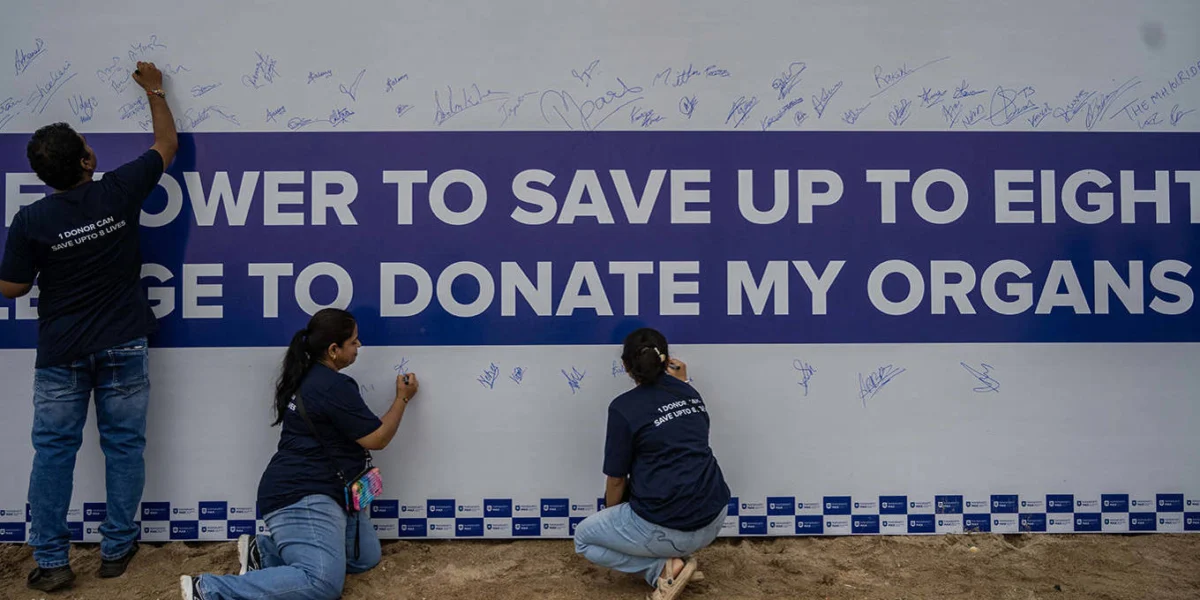
The turning point in Tunisia did not begin with a radical overhaul of its legal statutes. Instead, it was initiated through a series of meticulously designed awareness campaigns spearheaded by medical professionals and public health advocates. These sessions, often held in community centers, mosques, and educational institutions, served a dual purpose: to educate the public about the medical realities of organ transplantation and to provide a platform for open dialogue.
Timeline of Tunisia’s Awareness Initiatives:
- Early 2000s: Initial, fragmented efforts to discuss organ donation face significant cultural resistance and low public engagement.
- Mid-2000s: A concerted effort by a coalition of Tunisian transplant surgeons and ethicists begins to advocate for a more structured approach to public education.
- Late 2000s: Pilot awareness programs are launched in select cities, focusing on demystifying the donation process and addressing common misconceptions. These programs involve doctors explaining brain death, the criteria for organ donation, and the surgical procedures involved.
- Early 2010s: The success of pilot programs leads to a nationwide rollout of awareness sessions. These are expanded to include religious leaders, imams, and community elders to lend greater credibility and address theological concerns.
- Mid-2010s: The government begins to formally support these initiatives through public health funding and the establishment of dedicated coordination bodies. The National Agency for Organ Transplantation (BNOT) plays a crucial role in disseminating information and facilitating discussions.
- Late 2010s – Present: Tunisia witnesses a significant uptick in registered organ donors and successful transplantations. The focus shifts towards sustaining public engagement and addressing emerging ethical considerations.
The Mechanics of Awareness: Bridging the Knowledge Gap
The core of Tunisia’s success lies in its practical, person-centered approach to awareness. Doctors and transplant coordinators are trained not only in the technical aspects of transplantation but also in empathetic communication. They engage with potential donors and their families, patiently explaining:
- The Definition of Brain Death: A critical concept often misunderstood, leading to fears that donation can occur before death. Sessions clarify that brain death is irreversible cessation of all brain function, a medical and legal determination.
- The Donation Process: Detailed explanations of how organs are retrieved, preserved, and matched to recipients, emphasizing the respect afforded to the deceased donor and their body.
- The Ethical Framework: Discussions on the principles of altruism, the prohibition of organ trafficking, and the strict legal oversight governing transplant procedures.
- Religious Perspectives: Engaging with religious scholars to provide guidance on Islamic perspectives on organ donation, often highlighting the charitable and life-saving aspects that align with religious teachings.
Crucially, these sessions are not one-way lectures. They are designed as dialogues. Participants are encouraged to share their hesitations, fears, and personal beliefs without judgment. This open forum allows for the gradual dismantling of deeply ingrained stigmas. For instance, concerns about disfigurement are addressed by explaining that organ retrieval is a surgical procedure performed with the same care as any other, and that families are often given the opportunity to view the body. Similarly, anxieties about the cost of donation are countered by the fact that organ donation is a selfless act, and the donor family incurs no financial burden.
Data Speaks: The Tangible Impact of Education
The impact of Tunisia’s awareness-driven strategy is quantifiable. While specific, granular data on the immediate rise in donations following individual sessions is often difficult to isolate, the broader trends paint a clear picture.
- Increased Donor Registrations: Tunisia has seen a steady increase in individuals voluntarily registering as organ donors. While precise year-on-year figures fluctuate, the overall trend indicates a growing acceptance and willingness to participate. According to data from the BNOT, the number of registered organ donors has more than doubled in the last decade, reaching a significant percentage of the adult population.
- Reduced Waiting Times: The rise in organ availability has led to a reduction in waiting times for patients requiring transplants. This translates directly into more lives saved and improved quality of life for recipients. Reports from Tunisian hospitals indicate a decrease in mortality rates for patients on transplant waiting lists.
- Higher Success Rates: As the donor pool expands, transplant centers can perform more complex and life-saving procedures. This has allowed Tunisian medical facilities to gain greater expertise and achieve higher success rates in organ transplantation, solidifying their reputation as a regional leader.
- Public Opinion Shifts: Surveys conducted by public health organizations in Tunisia have revealed a marked improvement in public perception of organ donation. Stigma has significantly decreased, and a greater understanding of the medical and ethical underpinnings of the system is evident.
Reactions from Stakeholders: A Unified Voice
The success of Tunisia’s model has garnered positive reactions from various stakeholders:
Medical Professionals: Dr. Amina Benali, a leading nephrologist at Charles Nicolle Hospital in Tunis, commented, "For years, we were frustrated by the gap between our capacity to perform transplants and the availability of organs. The shift towards consistent, compassionate public education has been transformative. It’s not just about numbers; it’s about building trust."
Government Officials: A spokesperson for the Tunisian Ministry of Health stated, "Our commitment to organ donation is unwavering. We recognize that sustainable progress requires not only robust infrastructure but also an informed and engaged citizenry. Tunisia’s approach to awareness is a testament to this principle."
Patient Advocacy Groups: "The awareness campaigns have given hope to thousands of families," said Mr. Karim Aloui, president of the Tunisian Association for Kidney Patients. "Knowing that more people are considering donation means more chances for our loved ones to receive a life-saving transplant. It’s a ripple effect of compassion."
International Health Organizations: The World Health Organization has highlighted Tunisia’s awareness-driven strategy as a potential model for other developing countries facing similar organ shortage challenges. Their reports often cite the Tunisian experience as a prime example of how cultural sensitivity and public engagement can overcome significant barriers.
Analysis: Implications for Global Health Policy
Tunisia’s experience offers profound implications for global health policy concerning organ transplantation. It challenges the prevailing notion that legislative reform is the sole or primary solution to organ shortages. Instead, it suggests that:
- Public Trust is Paramount: In societies where cultural or religious beliefs create hesitancy, building public trust through education and open dialogue is a prerequisite for any successful organ donation program.
- Empowering Healthcare Providers: Equipping doctors and healthcare professionals with the communication skills to address complex and sensitive issues is as vital as their technical expertise.
- Cultural Nuance is Key: Generic awareness campaigns are unlikely to succeed. Initiatives must be tailored to the specific cultural, religious, and social context of the target population.
- Long-Term Investment: Building a robust organ donation system is not a short-term project. It requires sustained investment in public education, community engagement, and ongoing dialogue.
The Road Ahead: Sustaining Momentum
While Tunisia’s success is commendable, the journey to optimal organ donation rates is ongoing. Challenges remain, including ensuring equitable access to transplantation services across all regions, addressing the rising incidence of organ failure due to lifestyle diseases, and adapting to evolving ethical and technological landscapes. However, the foundation laid by Tunisia’s commitment to awareness-raising provides a powerful blueprint. By prioritizing education, empathy, and open communication, developing nations can move beyond the limitations of organ scarcity and offer a brighter, healthier future to countless individuals awaiting a second chance at life. The Tunisian model serves as a potent reminder that sometimes, the most profound solutions are rooted in the simplest, yet most powerful, human connection: understanding.
