

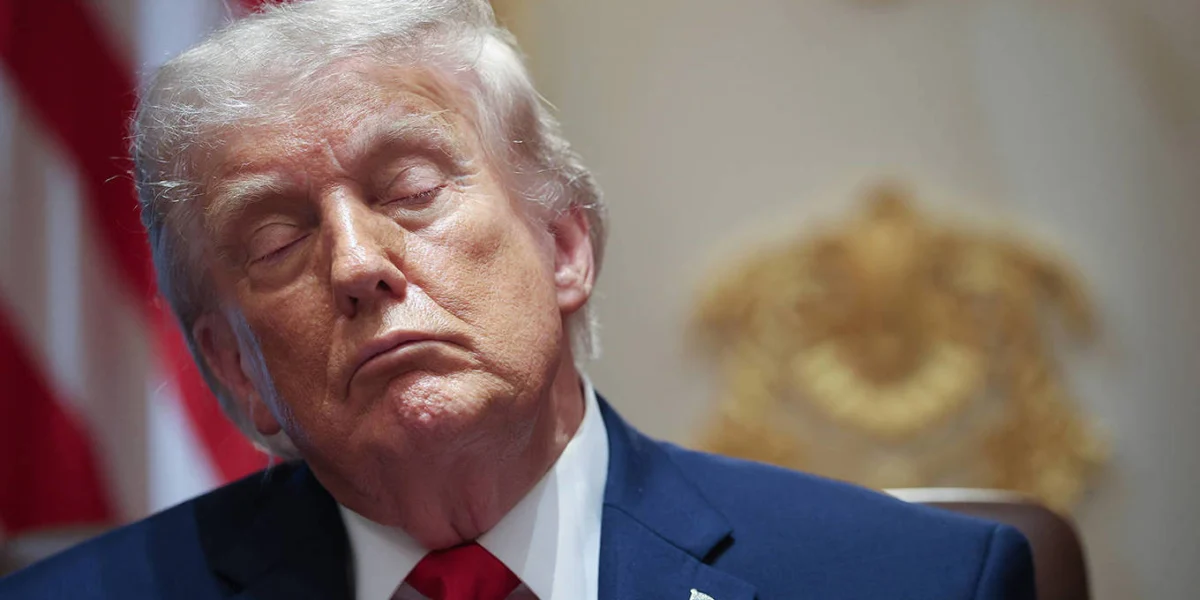
In promoting his "deal" with Iran, US President Donald Trump has attempted to portray a significant diplomatic setback as a triumph. While the outcome might tempt observers to attribute it to leadership shortcomings, the underlying causes are more deeply rooted in the political and institutional frameworks that have facilitated the rise of individuals prioritizing entertainment and personal gain over sound policy. The "memorandum of understanding" finalized between the United States and Iran, rather than signifying a diplomatic breakthrough, appears to codify terms that represent a clear victory for the Islamic Republic and a deeply embarrassing capitulation for President Trump and the United States. This development underscores a fundamental misunderstanding of international relations, particularly the nature of conflict and negotiation. War, as history consistently demonstrates, is not merely about the spectacle of destruction; it is a continuation of political objectives through coercive means. Iran, in this instance, has effectively demonstrated its ability to alter the political calculus of its adversary, compelling a surrender of terms.
Background: The Evolving US-Iran Relationship
The relationship between the United States and Iran has been fraught with tension since the Iranian Revolution of 1979, which overthrew the US-backed monarchy and established an Islamic Republic. Decades of diplomatic estrangement, punctuated by incidents like the Iran hostage crisis and ongoing proxy conflicts in the Middle East, have solidified a deep-seated mistrust between the two nations. The Joint Comprehensive Plan of Action (JCPOA), commonly known as the Iran nuclear deal, negotiated under the Obama administration and implemented in 2015, aimed to curb Iran’s nuclear program in exchange for sanctions relief. This multilateral agreement, supported by China, France, Germany, Russia, the United Kingdom, and the European Union, was hailed by its proponents as a critical step towards preventing Iran from acquiring nuclear weapons.
However, the Trump administration, upon taking office in 2017, expressed strong opposition to the JCPOA, characterizing it as "the worst deal ever" and a flawed agreement that did not sufficiently address Iran’s ballistic missile program or its regional activities. In May 2018, President Trump announced the United States’ withdrawal from the JCPOA and the reimposition of stringent economic sanctions on Iran. This move was met with widespread international condemnation and fueled escalating tensions between Washington and Tehran. Iran, in response, began incrementally increasing its enrichment of uranium and reducing its compliance with certain aspects of the JCPOA, arguing that the US had violated the spirit and letter of the agreement.
The Emergence of the "Memorandum of Understanding"
The precise details of the "memorandum of understanding" (MOU) signed on June 22, 2026, remain largely undisclosed to the public, contributing to the opacity surrounding this significant diplomatic development. However, reports and analyses emerging from various sources suggest a framework that deviates substantially from the initial US objectives when withdrawing from the JCPOA. Unlike a formal treaty, an MOU is typically a less binding agreement, outlining mutual understandings and intentions rather than definitive commitments. This informality itself raises questions about the long-term durability and enforceability of the terms agreed upon.
The genesis of this MOU appears to be a period of intense, albeit covert, diplomatic engagement, likely spurred by a confluence of factors. These could include the crippling economic impact of the renewed US sanctions on Iran, coupled with Iran’s strategic calculations regarding its regional influence and the perceived shifting geopolitical landscape. For the Trump administration, the push for a new "deal" may have been driven by a desire to demonstrate a foreign policy achievement, particularly in the lead-up to the 2026 electoral cycle.
Key Provisions and Terms: A Shift in Negotiating Position
While official documentation is scarce, credible leaks and analyses from diplomatic circles suggest that the MOU includes provisions that are highly favorable to Iran. These are reportedly focused on a recalibration of sanctions relief in exchange for certain, likely limited, concessions from Tehran.
Alleged Key Terms of the MOU:
- Sanctions Relief: Reports indicate that a significant portion of the sanctions imposed by the Trump administration might be lifted or substantially eased. This could include exemptions for oil sales, access to international financial markets, and the unfreezing of Iranian assets held abroad. The economic relief for Iran, facing severe currency depreciation and widespread inflation, would be substantial, potentially stabilizing its economy and bolstering its government’s legitimacy.
- Nuclear Program Concessions: The specifics of Iran’s concessions regarding its nuclear program are a point of contention and uncertainty. While the initial US goal was to dismantle any pathway to a nuclear weapon, it is speculated that the MOU may involve a less stringent monitoring regime or a slower rollback of Iran’s advanced uranium enrichment capabilities. There is concern that the agreement might not fully align with the stringent standards previously established by the International Atomic Energy Agency (IAEA) under the JCPOA.
- Regional Activities: A central criticism of the original JCPOA was its failure to address Iran’s ballistic missile program and its support for proxy groups throughout the Middle East, such as Hezbollah and Houthi rebels. It is widely understood that the Trump administration sought to include provisions limiting these activities in any new agreement. However, indications are that the MOU either lacks robust commitments in this area or offers concessions that are perceived as insufficient to meaningfully alter Iran’s regional posture.
- Duration and Review: The duration of the MOU and its review mechanisms are critical to its long-term impact. If the agreement is short-term or lacks clear enforcement protocols, it could leave the door open for Iran to resume or accelerate its problematic activities once the terms expire or are circumvented.
Analysis of the Outcome: Victory for Iran, Humiliation for the US?
The prevailing sentiment among many foreign policy experts and international observers is that the MOU represents a significant strategic win for Iran. For decades, Tehran has sought to break free from international isolation and economic pressure. The prospect of substantial sanctions relief, even under a less-than-ideal agreement, offers a lifeline to the Iranian economy and its leadership.
Conversely, for the Trump administration, the agreement appears to fall short of its stated objectives. The initial stance of maximum pressure was intended to force Iran to negotiate a "better deal" that addressed all perceived threats. If the current MOU indeed involves significant concessions from the US in exchange for limited Iranian commitments, it can be interpreted as a capitulation, forcing the administration to frame a less-than-ideal outcome as a victory. This narrative management, while a common political tactic, does little to mask the perceived shift in negotiating leverage.
Supporting Data and Economic Implications
The economic impact of US sanctions on Iran since 2018 has been severe. Iran’s oil exports plummeted, its currency lost a significant portion of its value, and inflation surged, leading to widespread public discontent.
- Currency Depreciation: The Iranian Rial reportedly depreciated by over 60% against the US dollar in the immediate aftermath of the US withdrawal from the JCPOA and the reimposition of sanctions.
- Economic Contraction: Iran’s GDP experienced significant contractions in the years following the sanctions, with projections indicating a decline of several percentage points annually.
- Inflation: Inflation rates soared, with consumer prices reportedly increasing by more than 30% year-on-year at certain points, eroding the purchasing power of ordinary Iranians.
The proposed sanctions relief outlined in the MOU, if fully implemented, would offer a critical reprieve. This could lead to:
- Increased Oil Revenue: A resurgence in Iranian oil exports would provide a much-needed influx of foreign currency, bolstering the government’s budget and its ability to fund domestic programs and regional initiatives.
- Foreign Investment: Eased financial restrictions could attract foreign investment, which is crucial for modernizing Iran’s infrastructure and diversifying its economy.
- Stabilization of the Rial: A more stable economic outlook could lead to a recovery in the value of the Iranian Rial, improving living standards for the population.
Reactions from Related Parties (Inferred)
While official statements are likely to be carefully calibrated, reactions from various stakeholders can be inferred:
- Iranian Government: Officials in Tehran are likely to present the MOU as a testament to their resilience and diplomatic skill, highlighting their ability to withstand US pressure and secure favorable terms. They will emphasize the economic benefits and the lifting of what they describe as unjust sanctions.
- US Allies in the Middle East: Countries such as Saudi Arabia and Israel, which have been staunch opponents of Iran’s regional influence and nuclear ambitions, are likely to express deep concern and disappointment. They may view the MOU as a dangerous concession that emboldens Iran and undermines regional security.
- European Partners: European signatories to the original JCPOA, who had largely opposed the US withdrawal, might express cautious optimism, viewing any diplomatic engagement as a step in the right direction. However, they are also likely to scrutinize the terms for their effectiveness in preventing Iran from developing nuclear weapons and curbing its destabilizing regional activities.
- Domestic Opposition in the US: Political opponents of President Trump are expected to heavily criticize the MOU, labeling it a weak and ineffective agreement that compromises national security and undermines the administration’s previous policy of maximum pressure. They will likely point to the perceived concessions as evidence of a flawed foreign policy.
- International Observers and Analysts: The broader international community and policy analysts will be dissecting the MOU’s provisions to assess its long-term implications for regional stability, nuclear proliferation, and the future of US foreign policy. The lack of transparency will be a significant point of concern.
Broader Impact and Implications
The signing of this memorandum of understanding carries significant implications for regional and global dynamics:
- Shifting Regional Power Balance: If Iran benefits from substantial economic relief and a less constrained regional posture, it could embolden its influence in countries like Iraq, Syria, Lebanon, and Yemen. This could further exacerbate existing conflicts and challenges to the existing regional order.
- Future of Non-Proliferation: The effectiveness of the MOU in curbing Iran’s nuclear ambitions will be a critical determinant of its success. Any perception of weakness in the agreement could encourage other states to pursue or accelerate their own nuclear programs, undermining global non-proliferation efforts.
- US Credibility and Diplomacy: The outcome of this negotiation, particularly if it is perceived as a retreat from initial policy objectives, could impact the credibility of future US diplomatic initiatives. It raises questions about the long-term consistency and effectiveness of US foreign policy under different administrations.
- Domestic Political Ramifications: For President Trump, the framing of this deal will be crucial for his domestic political narrative. However, any perception of a "humiliating defeat" could be exploited by his opponents, potentially impacting electoral prospects and public trust in his foreign policy leadership.
In conclusion, the "memorandum of understanding" between the United States and Iran, signed on June 22, 2026, represents a complex and contentious development. While the Trump administration seeks to present it as a diplomatic achievement, a deeper examination of the alleged terms suggests a significant strategic victory for Iran, potentially at the expense of US foreign policy objectives and regional stability. The long-term consequences of this agreement will undoubtedly unfold in the coming months and years, shaping the geopolitical landscape of the Middle East and the global approach to nuclear proliferation. The lack of transparency surrounding the MOU further fuels concerns and necessitates rigorous scrutiny from policymakers, international bodies, and the public alike.
