

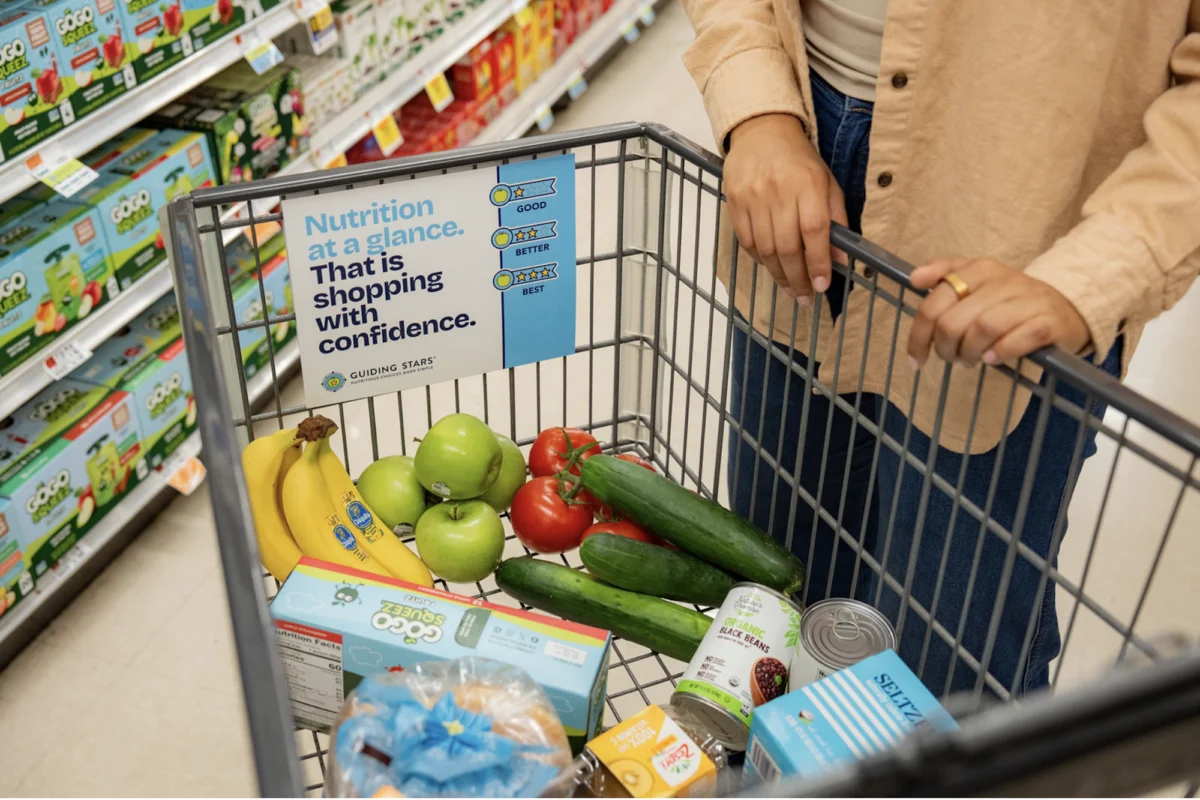
As millions of American families transition into the back-to-school season, the perennial challenge of managing childhood nutrition has moved to the forefront of the national conversation. In an era defined by information overload—where social media trends and conflicting dietary advice often clash with scientific consensus—caregivers are increasingly seeking reliable, evidence-based tools to navigate the grocery aisles. One of the primary vehicles for this guidance is the Guiding Stars nutrition program, a science-backed system now integrated into more than 2,000 grocery stores across the United States. By leveraging patented algorithms to rate the nutritional density of food products, the program aims to simplify the complex decision-making process for busy parents, particularly as the debate over the nutritional value of school-provided lunches versus home-packed meals continues to evolve.
The stakes for childhood nutrition are significant. According to the Centers for Disease Control and Prevention (CDC), a healthy diet in childhood is foundational for physical growth, cognitive development, and the long-term prevention of chronic diseases such as obesity, type 2 diabetes, and heart disease. However, for many families, the logistical and financial hurdles of maintaining such a diet are substantial. This has led to a renewed focus on the National School Lunch Program (NSLP) and the emergence of "point-of-purchase" nutrition labeling as critical interventions in public health.
The Evolution of the American School Lunch: A Policy Chronology
The debate over what children eat at school is not new, but it has undergone a dramatic transformation over the last decade. The National School Lunch Program, established in 1946 under the National School Lunch Act, was originally designed to provide nutritionally balanced, low-cost, or free lunches to children each school day. Today, it serves approximately 22 million students daily, acting as a vital safety net for families facing food insecurity.
The modern era of school nutrition began in earnest with the Healthy, Hunger-Free Kids Act of 2010. This landmark legislation authorized the U.S. Department of Agriculture (USDA) to overhaul the nutritional standards for school meals for the first time in over thirty years. The resulting mandates required schools to increase the offerings of fruits, vegetables, and whole grains while setting strict limits on calories, trans fats, and sodium.
In 2024, the USDA announced further updates to these standards, reflecting the latest federal dietary guidelines. The new "final rule" focuses on a gradual reduction of added sugars—specifically targeting high-sugar items like flavored milks and breakfast cereals—and a further decrease in sodium levels. These incremental changes ensure that school-provided meals are often the most nutritionally consistent food source a child consumes in a day. As of late 2024, nine U.S. states have moved beyond federal requirements to offer universal free breakfast and lunch to all students, regardless of income, treating nutrition as an essential component of the educational infrastructure.
The Nutritional Gap: School Meals vs. Home-Packed Lunches
A common misconception among parents is that home-packed lunches are inherently healthier than those provided by schools. However, recent scientific data suggests otherwise. A comprehensive 2024 meta-analysis, which reviewed over a dozen studies published over a 20-year period, found that lunches brought from home generally had lower nutritional quality compared to school-prepared meals.
Home-packed lunches often contain higher levels of sodium and sugar, frequently featuring pre-packaged snacks, sugar-sweetened beverages, and refined grains. In contrast, school meals are legally required to meet specific micronutrient and macronutrient targets. Despite this data, many parents choose to pack lunches due to a variety of factors, including food allergies, sensory preferences, cultural dietary needs, and the desire to provide their children with a sense of "home" during the school day.
Dietitian Kitty Broihier, a member of the Guiding Stars scientific advisory panel, emphasizes that there is no "one-size-fits-all" answer. She suggests that many families find success through a hybrid approach, where students participate in selecting which days to eat school lunch based on the menu. This method not only eases the burden on parents but also fosters autonomy in children, encouraging them to try new foods and develop a more diverse palate.
The Mechanics of Nutrition Guidance: How Guiding Stars Operates
For those days when families do choose to pack lunches, the challenge shifts to the grocery store. With tens of thousands of products on the shelves, reading every nutrition facts panel is a time-consuming and often confusing task. This is where programs like Guiding Stars aim to fill the gap.
Founded in 2006 and approaching its 20th anniversary, Guiding Stars is the longest-running on-shelf nutrition rating program in the U.S. Unlike marketing-driven labels, the system uses a patented algorithm based on the dietary guidelines of leading health organizations, including the World Health Organization (WHO) and the National Academies of Sciences, Engineering, and Medicine.
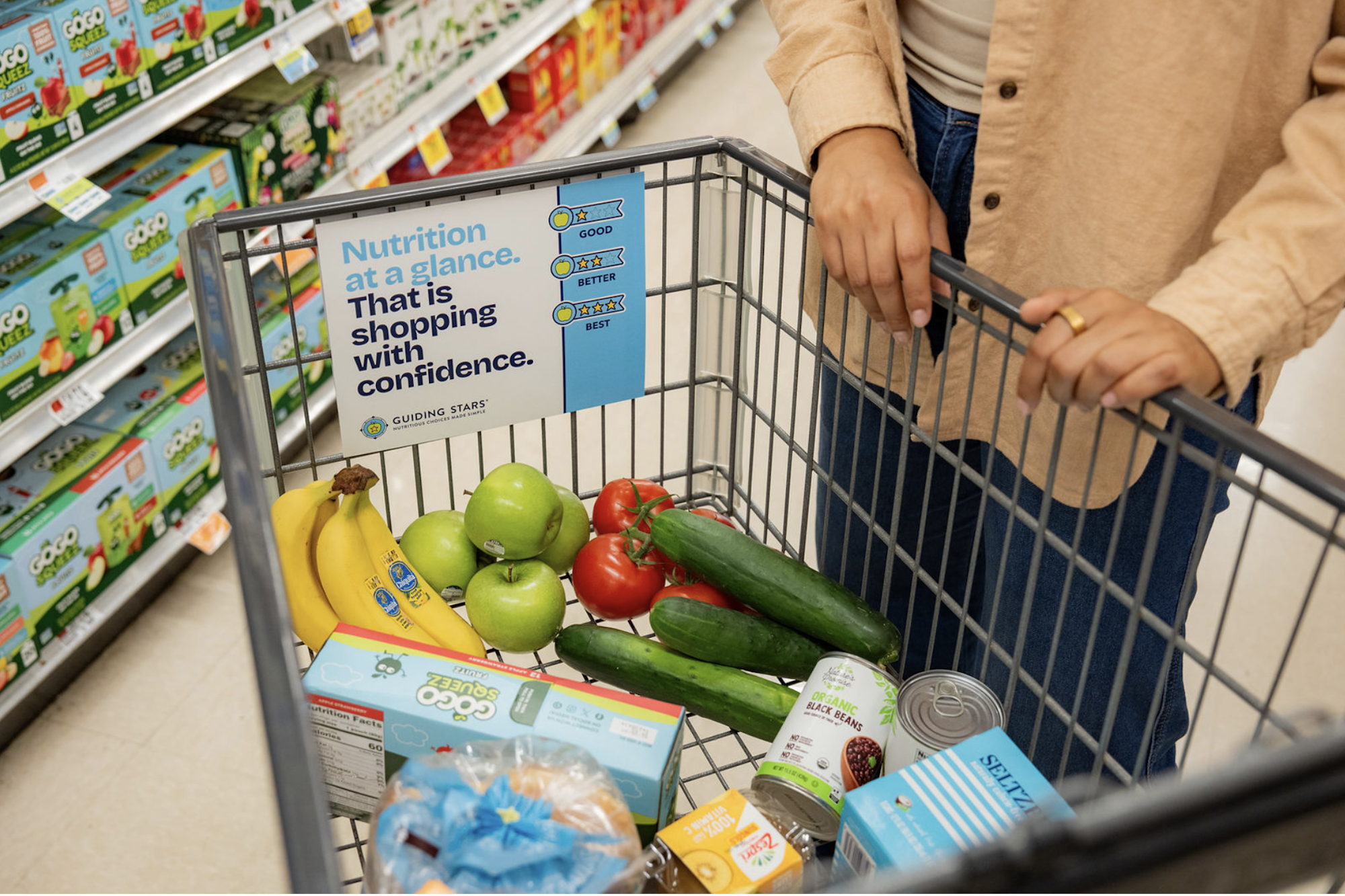
The algorithm evaluates products based on a "credit and debit" system. Foods earn points for health-promoting attributes such as:
- Fiber and Whole Grains: Essential for digestive health and sustained energy.
- Vitamins and Minerals: Necessary for growth and immune function.
- Omega-3 Fatty Acids: Critical for brain development.
Conversely, points are deducted for ingredients that should be limited, such as:
- Added Sugars: A primary driver of childhood metabolic issues.
- Saturated Fats and Sodium: Linked to cardiovascular concerns later in life.
- Artificial Colors and Chemical Preservatives: Which many modern consumers prefer to avoid.
The resulting score is translated into a simple visual icon: one star for "good" nutritional value, two for "better," and three for "best." This "single glance" system is designed to combat decision fatigue, allowing shoppers to make informed choices in seconds.
Behavioral Economics and the Impact of Point-of-Purchase Labeling
The effectiveness of star-rating systems is supported by a growing body of research in behavioral economics and public health. Studies conducted in both the United States and Canada have demonstrated that when nutritional information is simplified and placed directly on the shelf tag, consumer behavior shifts.
A 2023 study published in the American Journal of Preventive Medicine highlighted that front-of-package and on-shelf labeling systems significantly increase the purchase of healthier options while decreasing the purchase of items high in calories and saturated fats. By "nudging" consumers toward higher-rated products, these systems democratize nutrition science, making it accessible to individuals who may not have the time or specialized education to interpret complex ingredient lists.
Furthermore, the accessibility of the Guiding Stars system—which is available on shelf tags, store-brand packaging, and via a mobile app—reflects a broader trend toward "omnichannel" health guidance. As grocery shopping increasingly moves to online platforms and pickup services, having a consistent digital rating system ensures that the "health nudge" remains present regardless of how the consumer shops.
Broader Implications: Nutrition as a Public Health Priority
The integration of science-backed nutrition programs into major grocery chains represents a significant shift in the role of the private sector in public health. Grocery stores are no longer viewed merely as points of sale but as critical partners in the "Food as Medicine" movement. By providing transparent, objective data, retailers can help mitigate the long-term societal costs of diet-related illnesses.
The implications extend to the educational sector as well. Research, including a widely cited 2018 literature review, indicates a strong positive association between children’s involvement in meal preparation and their consumption of fruits and vegetables. When parents use tools like Guiding Stars to involve their children in the shopping process—asking them to "find the three-star cereal," for example—they are building a foundation of nutritional literacy that can last a lifetime.
Conclusion: Reducing the Mental Burden on Caregivers
As the 2024-2025 school year progresses, the focus on nutrition remains a cornerstone of student success. While the debate between "buying" and "bringing" lunch will likely continue, the availability of rigorous, evidence-based guidance systems provides a much-needed reprieve for overwhelmed caregivers.
The transition toward more transparent labeling and stricter school nutrition standards reflects a growing national consensus: that the health of the next generation depends on making the "healthy choice the easy choice." By stripping away the marketing noise and focusing on nutrient density, programs like Guiding Stars allow families to focus less on the stress of the grocery aisle and more on the well-being of their children. In the words of Kitty Broihier, it is indeed possible to eat well without an "excessive amount of stress, time, or mental energy," provided that the tools available to families are as robust as the science they are built upon.
