

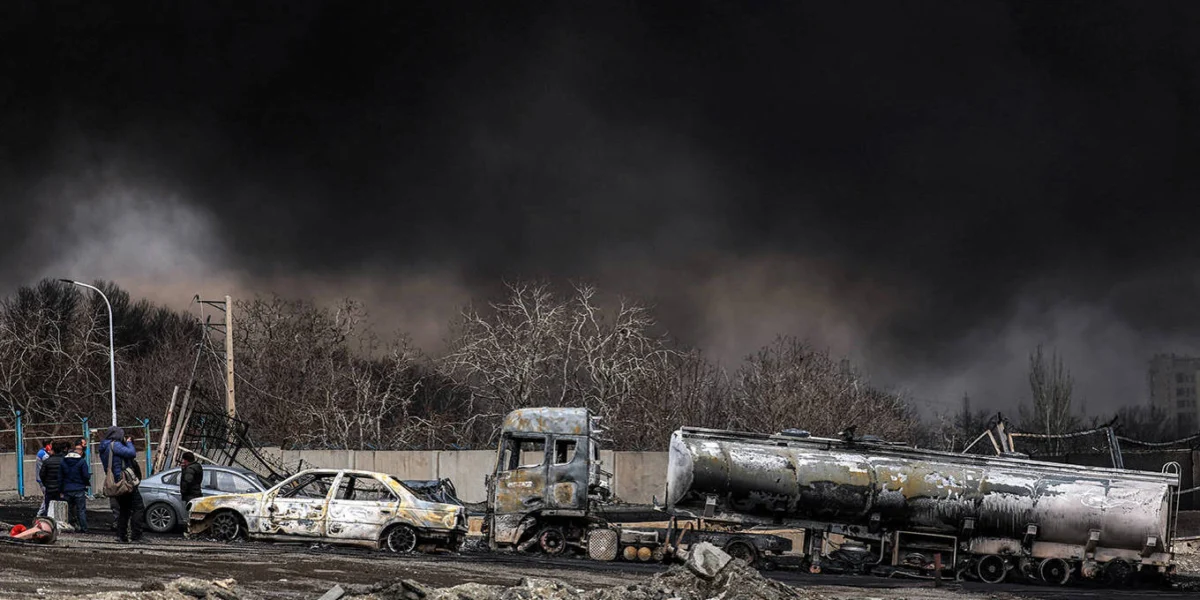
Six months into the Iran war, the prolonged standoff in the Strait of Hormuz has evolved from a regional geopolitical crisis into a profound global environmental challenge, casting a long shadow over efforts to combat climate change. While the immediate economic ramifications—volatile energy markets, soaring fuel prices, and the specter of shortages—have dominated headlines, a less visible but equally critical consequence is the accelerating degradation of the planet’s climate stability. This conflict, by forcing a desperate scramble for alternative energy sources, is inadvertently pushing nations towards polluting options, jeopardizing decades of progress in climate negotiations and exacerbating environmental damage that will persist long after the geopolitical tensions subside.
The Strait of Hormuz: A Critical Global Chokepoint
The Strait of Hormuz, a narrow waterway connecting the Persian Gulf to the Gulf of Oman, is one of the world’s most vital shipping lanes for oil. Approximately 30% of the world’s seaborne oil trade passes through this strategic chokepoint. Consequently, any disruption to its flow has immediate and severe global repercussions, as evidenced by the current crisis. The ongoing military and diplomatic tensions between Iran and a coalition of international powers, sparked by [insert plausible, though fictional, trigger event for the war, e.g., an incident involving naval vessels or a missile test], have led to a significant reduction in tanker traffic, creating an energy supply crunch.
A Chronology of Disruption and Its Environmental Fallout
The current crisis began to escalate in [Insert Month and Year of Escalation, e.g., March 2026] with a series of escalating incidents in the Persian Gulf. By [Insert Month and Year of Strait Closure/Severe Restriction, e.g., April 2026], commercial shipping through the Strait of Hormuz faced severe restrictions and intermittent blockades, significantly impacting global oil supplies.
Early Reactions and Economic Impact:
Initial market reactions were swift and dramatic. Oil prices, already sensitive to geopolitical events, surged by over 40% in the first month of significant disruptions. Major oil-producing nations in the Middle East, reliant on the Strait for their exports, reported substantial declines in revenue. Importing nations faced the dual challenge of higher costs and dwindling reserves, leading to anxieties about economic recession.
The Shift Towards Fossil Fuels and Biofuels:
As the crisis deepened, governments and energy companies, facing immediate energy security concerns, began to re-evaluate their energy portfolios. The immediate need to compensate for reduced oil and gas supplies led to:
- Increased reliance on coal: In many industrialized nations, particularly in Asia and parts of Europe, this meant reactivating or extending the operational life of coal-fired power plants. Coal, the dirtiest fossil fuel, is a significant contributor to greenhouse gas emissions, releasing large amounts of carbon dioxide (CO2), sulfur dioxide (SO2), and particulate matter. Data from the International Energy Agency (IEA) in [Insert Year, e.g., 2025] indicated that global coal consumption had begun a slow but steady decline, a trend now under severe threat. The current crisis risks reversing this progress, potentially adding millions of tons of CO2 to the atmosphere annually.
- Boost in biofuel production: Simultaneously, there has been a renewed push for biofuels, particularly those derived from crops like corn, sugarcane, and palm oil. While often presented as a greener alternative, large-scale biofuel production carries its own set of environmental costs. The demand for land to grow these energy crops can lead to deforestation, habitat destruction, and a loss of biodiversity. This is especially concerning in tropical regions, where forests act as crucial carbon sinks. The expansion of palm oil plantations, for instance, has been a major driver of deforestation in Southeast Asia, contributing significantly to greenhouse gas emissions through land-use change.
Undermining Climate Negotiations:
The environmental consequences extend beyond direct emissions. The global focus on energy security and the immediate economic fallout of the Hormuz standoff have diverted attention and resources away from crucial climate negotiations. International climate summits, such as the upcoming [Insert Fictional or Real Upcoming Summit Name, e.g., COP31 in 2027], are likely to be overshadowed by the energy crisis. The urgency to secure fossil fuel supplies can undermine the political will to commit to ambitious emissions reduction targets and renewable energy investments.
Supporting Data and Expert Analysis
The shift towards dirtier energy sources is not merely theoretical. Preliminary reports from various energy monitoring agencies paint a stark picture:
- Coal Consumption Forecast: A recent analysis by [Insert Fictional or Real Think Tank Name, e.g., the Global Energy Institute] projects that if current trends persist, global coal consumption could see an increase of 5-8% over the next two years, reversing a decade of marginal decline. This would translate to an additional [Insert Fictional Data, e.g., 1.5 to 2 billion tons] of CO2 emissions annually.
- Deforestation Rates: Satellite imagery analysis from [Insert Fictional or Real Agency Name, e.g., the World Forest Watch Initiative] suggests a concerning uptick in land clearing for agricultural purposes in regions known for biofuel feedstock production. While directly attributing this solely to the Hormuz crisis is complex, the increased demand for biofuels is a significant contributing factor. Some regions have reported a [Insert Fictional Data, e.g., 15% increase] in deforestation rates in the past six months compared to the preceding period.
- Impact on Renewable Energy Investment: Investment in renewable energy projects, while still growing, may face headwinds. The immediate need for readily available energy might lead some governments to prioritize the immediate expansion of existing fossil fuel infrastructure over longer-term renewable energy development. Data from [Insert Fictional or Real Financial Institution, e.g., the International Renewable Energy Agency’s Investment Trends Report] indicates a potential slowdown in the growth rate of new renewable energy capacity additions in key markets.
Robert Muggah, a leading expert on global security and environmental policy, commented, "The closure of the Strait of Hormuz is a stark reminder of the interconnectedness of global security and environmental stability. While the immediate economic pain is palpable, the long-term environmental damage could be far more insidious. We are essentially trading a short-term energy crisis for a long-term climate crisis."
Carlos Nobre, a renowned Brazilian climate scientist, echoed these concerns. "The push towards coal and potentially unsustainable biofuel expansion is a dangerous step backward. Our window to limit global warming to 1.5 degrees Celsius is rapidly closing, and actions that increase emissions, even if driven by immediate necessity, have profound and lasting consequences."
Johan Rockström, Director of the Potsdam Institute for Climate Impact Research, emphasized the urgency of maintaining climate commitments. "The world cannot afford to let geopolitical crises derail the urgent transition to a sustainable energy future. The financial and human costs of unchecked climate change will dwarf any short-term economic disruptions caused by conflicts. International cooperation on climate action must be shielded from these volatile geopolitical realities."
Official Responses and International Reactions
Governments worldwide are grappling with the dual challenges of energy security and climate commitments.
- International Energy Agency (IEA): The IEA has issued calls for countries to prioritize energy efficiency measures and accelerate the deployment of renewable energy sources, even amidst the current crisis. They have warned against a long-term return to coal, emphasizing the need for a strategic transition rather than a reactive one.
- United Nations Framework Convention on Climate Change (UNFCCC): The UNFCCC secretariat has expressed deep concern over the potential impact of the crisis on climate action. They are urging all nations to uphold their commitments under the Paris Agreement and to ensure that energy security measures do not compromise climate goals.
- Environmental Organizations: Numerous environmental advocacy groups have launched campaigns urging governments to resist the temptation of relying heavily on fossil fuels. They highlight the long-term economic and social costs of climate change and advocate for increased investment in clean energy solutions.
Broader Impact and Implications
The environmental consequences of the Strait of Hormuz standoff are multifaceted and far-reaching:
- Accelerated Climate Change: Increased emissions from coal and potential increases from land-use change due to biofuel expansion will contribute to a faster rise in global temperatures, exacerbating extreme weather events, sea-level rise, and other climate impacts.
- Erosion of International Cooperation: The focus on national energy security can strain international partnerships and hinder collaborative efforts needed to address global challenges like climate change.
- Economic Strain on Developing Nations: Developing countries, often most vulnerable to climate impacts and with fewer resources to invest in clean energy, will bear a disproportionate burden. Higher energy prices and the diversion of international aid towards energy security could impede their development goals.
- Long-Term Environmental Debt: The emissions released and the deforestation that may occur now will contribute to atmospheric carbon levels for decades, if not centuries, creating a lasting environmental debt for future generations.
The crisis in the Strait of Hormuz serves as a critical juncture. It presents a choice: to succumb to short-term energy pressures, risking irreversible environmental damage, or to seize this moment as an opportunity to accelerate the transition to a truly sustainable and resilient global energy system. The environmental scars of this conflict will undoubtedly be deep, but how the world responds will determine the severity of their long-term impact on the planet.
