

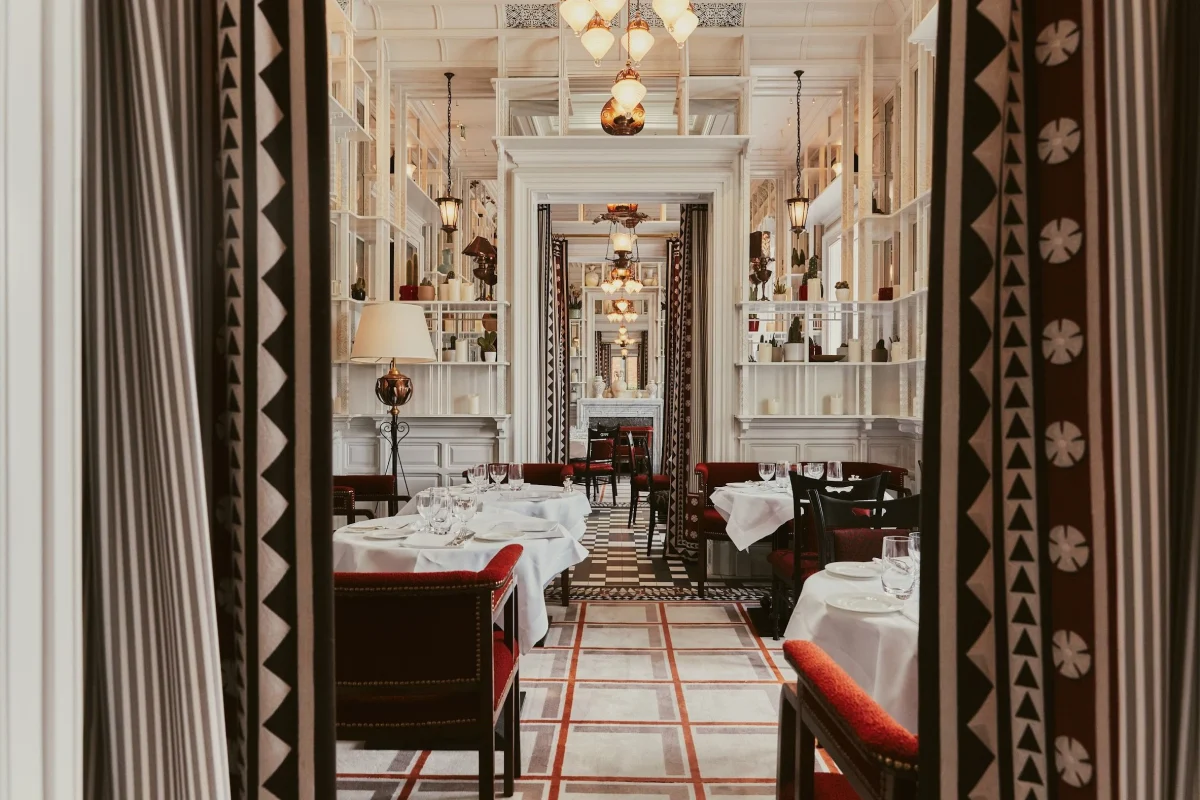
London’s hospitality sector is currently navigating a period of unprecedented transformation, characterized by a dual commitment to preserving Victorian heritage and embracing avant-garde architectural concepts. With over 1,500 hotels operating within the Greater London area, the capital remains a primary destination for international investment and high-end tourism. The market has shifted from a traditional reliance on "grande dame" establishments toward a more fragmented landscape that includes independent boutique hotels, design-led residences, and adaptive reuse projects. As of 2024, the industry continues to see significant growth in the luxury and "lifestyle" segments, driven by a global demand for experiential travel and culturally immersive accommodations.
The Evolution of the London Hotel Market
Historically, London’s luxury hotel scene was concentrated in the "Golden Triangle" of Mayfair, Knightsbridge, and St. James’s. However, urban regeneration projects in areas like King’s Cross, Paddington, and Fitzrovia have decentralized the market. This expansion has been supported by a 12% increase in international visitor spend in recent years, despite global economic fluctuations. The rise of the "bleisure" traveler—those combining business and leisure—has further influenced hotel design, necessitating spaces that function as both private sanctuaries and social hubs.
The Pillars of Heritage: Mayfair’s Historic Elite
Mayfair remains the epicenter of London’s high-end hospitality, housing several properties that have defined the global standard for luxury for over a century.
Brown’s Hotel
Established in 1837, Brown’s Hotel is recognized as London’s oldest luxury hotel. Its history is intertwined with literary and royal tradition; it was here that Alexander Graham Bell made the first successful telephone call in London, and where Rudyard Kipling penned several of his works. Recent renovations have introduced glossy marble bathrooms and mahogany walk-in closets, yet the property maintains its heritage through stained glass windows and a wrought-iron facade. Industry analysts note that Brown’s succeeds by balancing its status as a landmark with contemporary interior design that appeals to modern sensibilities.
Claridge’s
A Mayfair staple since 1812, Claridge’s is often referred to as an "annexe to Buckingham Palace" due to its long-standing royal connections. The hotel is a masterclass in Art Deco style, a theme reinforced during its recent major expansion, which included the excavation of a five-story basement to house a world-class spa. Its 24-hour butler service remains a benchmark for the industry, ensuring that the property retains its status as a premier choice for heads of state and global icons.
The Connaught
Located on Mount Street, The Connaught represents the intersection of British tradition and modern artistic flair. The property is famous for the Connaught Bar, which consistently ranks among the best in the world. The hotel’s commitment to excellence is further evidenced by Hélène Darroze’s three-Michelin-starred restaurant. The integration of an Aman Spa—the first of its kind in a city hotel—highlights the growing trend of high-end wellness facilities within metropolitan luxury properties.
The Dorchester
Since opening in 1931, The Dorchester has been a synonymous with Art Deco glamour. A comprehensive 2023 renovation, led by designers Pierre-Yves Rochon and Martin Brudnizki, refreshed the interiors while honoring the building’s historical integrity. The hotel serves as a culinary destination, housing Alain Ducasse at The Dorchester, which holds three Michelin stars, and the celebrated China Tang.
The Boutique Revolution and Neighborhood Identity
The rise of independent, design-forward hotels has allowed for a more nuanced expression of neighborhood identity, particularly in areas like Notting Hill, Bloomsbury, and Chelsea.
The Portobello Hotel
In Notting Hill, The Portobello Hotel offers a maximalist aesthetic that mirrors the eclectic nature of the nearby Portobello Road Market. Each room is uniquely designed with vibrant color palettes and lush textiles, providing a contrast to the standardized offerings of larger chains. This property caters to a demographic that prioritizes character and local immersion over corporate uniformity.
Zetter Bloomsbury
The Zetter Bloomsbury, which opened in April 2024, is a prime example of the "collected-over-time" design trend. By joining six Georgian townhouses, the hotel created 68 distinct rooms. Designer James Thurston Waterworth drew inspiration from the nearby British Museum, incorporating global antiquities and an "Orangery" restaurant that features a light-filled atrium.
The Kensington
Situated near the Victoria and Albert Museum, The Kensington utilizes seven white stucco Victorian buildings to create a refined townhouse atmosphere. The hotel emphasizes "Englishness" through roll-top tubs and fireside lounges, appealing to travelers seeking an understated yet elegant stay in South Kensington.
Adaptive Reuse and Modern Architectural Innovations
One of the most significant trends in the London hotel market is adaptive reuse—the process of converting historic non-residential buildings into luxury accommodations.

NoMad London
Occupying the former Bow Street Magistrates’ Court, NoMad London is a study in moody, atmospheric design. Roman and Williams transformed the legal landmark into a 91-room hotel that features over 1,600 pieces of art. The preservation of the court’s history, combined with the insertion of a soaring glass-roofed atrium, demonstrates the potential of heritage buildings to serve new, commercial purposes.
The Standard, London
Located in King’s Cross, The Standard is housed in a restored 1960s Brutalist building. This choice of architecture was initially controversial but has since been lauded for its bold, retro-futuristic aesthetic. The hotel has been instrumental in the revitalization of the King’s Cross area, attracting a creative clientele with its rooftop bar and "Double Standard" social space.
The Emory
Designed by the late Richard Rogers’ firm, The Emory is a modern steel-and-glass structure at Hyde Park Corner. It operates on a "suite-only" model, with each floor designed by a different international architect, including Patricia Urquiola and André Fu. The Emory represents the cutting edge of London’s architectural evolution, prioritizing structural precision and contemporary art.
Design-Led Growth in West and Central London
Recent openings in Soho, Fitzrovia, and Paddington indicate a continued appetite for high-concept boutique stays.
Broadwick Soho
The Broadwick Soho is a 57-room property that combines "townhouse maximalism" with a disco-inspired energy. Designed by Martin Brudnizki, the interiors feature Murano chandeliers and custom Pierre Frey fabrics. Its rooftop bar, Flute, has quickly become a destination for Soho’s media and fashion crowds, highlighting the importance of "sceney" communal spaces in modern hotel success.
The Newman
In Fitzrovia, The Newman marks the debut of the Kinsfolk & Co group. The design, handled by Lind + Almond, incorporates Art Deco features with Scandinavian simplicity. The inclusion of a Finnish sauna and a hydrotherapy pool underscores the essential role of wellness in the modern luxury segment.
Grand Hotel Bellevue
Paddington’s Grand Hotel Bellevue, designed by Fabrizio Casiraghi, brings a sophisticated aesthetic to a neighborhood traditionally known for transit. The hotel’s deep-toned interiors and curated lobby (featuring work by designer Emily Adams Bode Aujla) signal a shift toward attracting a cooler, more design-literate demographic to West London.
Sustainability and the Future of the Industry
As environmental concerns become central to consumer decision-making, hotels are increasingly integrating sustainable practices into their core operations.
1 Hotel Mayfair
Located near Green Park, 1 Hotel Mayfair is the brand’s flagship for sustainable luxury in the UK. The property features living green walls, reclaimed timber, and filtered water taps in every room. This "nature-first" approach demonstrates that high-end hospitality can coexist with environmental responsibility, a trend that is expected to dominate future developments in the capital.
At Sloane
In Chelsea, At Sloane operates with a "private residence" feel, blending French influence with British architecture. The hotel’s focus on soundproofing and intimate, sound-heavy environments (including a basement bar with resident DJs) reflects a broader trend toward creating "sanctuary" spaces within the bustling city.
Economic Impact and Strategic Implications
The London hotel industry is a vital component of the UK’s service economy. The luxury segment, in particular, contributes significantly to tax revenues and employment. The ongoing influx of international brands—ranging from the American-born NoMad and The Standard to the French-influenced At Sloane—illustrates London’s status as a global "safe haven" for capital.
Market analysts suggest that the future of the London hotel scene will be defined by "hyper-personalization." Whether through 24-hour butler services at Claridge’s or the members-club atmosphere of The Twenty Two, the goal is to provide a bespoke experience that cannot be replicated by automated services. Furthermore, the integration of high-end gastronomy—as seen with Jean-Georges at The Connaught and Alain Ducasse at The Dorchester—ensures that these properties remain relevant to local residents as well as international guests.
In conclusion, London’s hotel landscape is a sophisticated tapestry of historical preservation and bold innovation. From the Victorian elegance of Brown’s to the Brutalist charm of The Standard and the sustainable luxury of 1 Hotel Mayfair, the city offers a diverse range of accommodations that cater to the evolving needs of the global traveler. As the industry moves forward, the successful hotels will be those that can offer a sense of place, a commitment to design excellence, and a high level of personalized service.
