

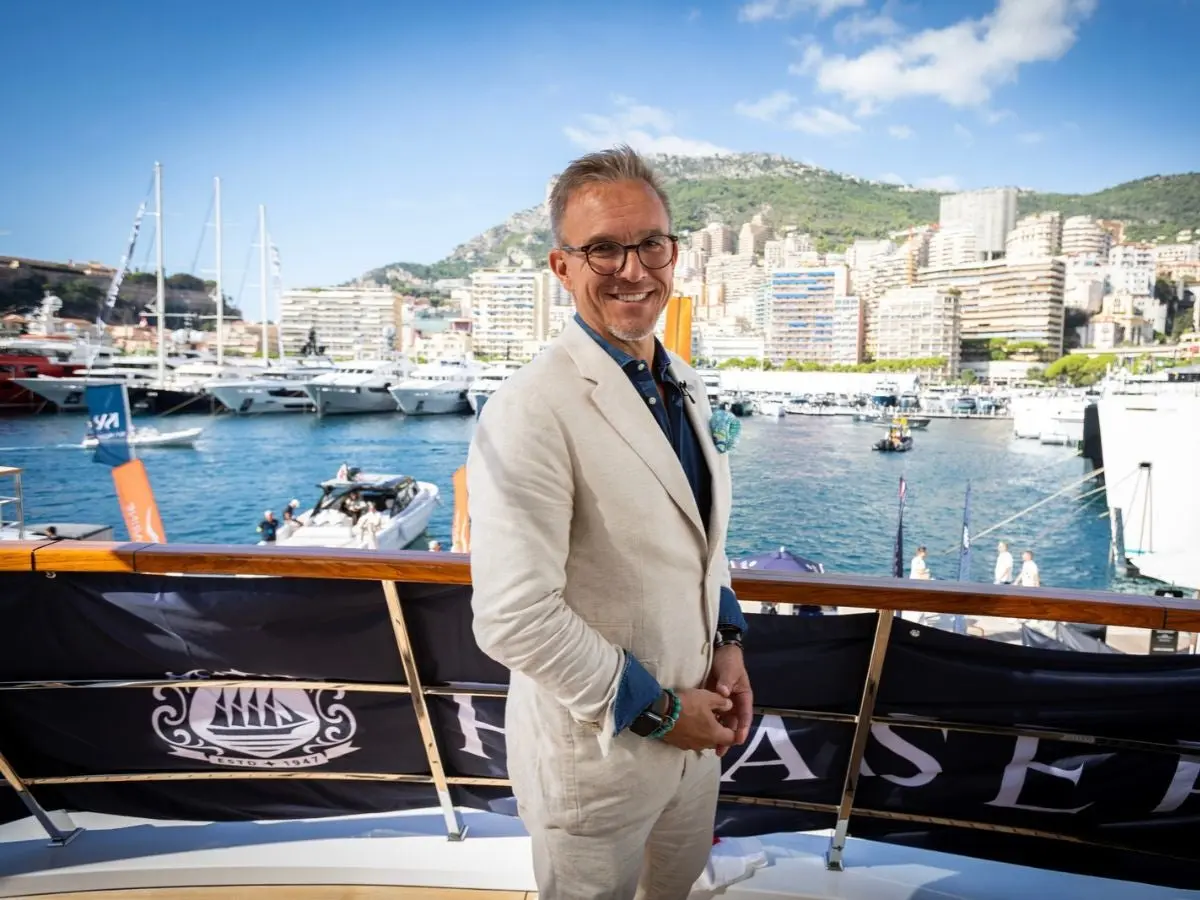
Despite facilitating the sale of superyachts collectively valued at $6.4 billion over the past five years, the superyacht brokerage sector is currently experiencing an "environment of extreme scarcity," according to Anders Kurtén, CEO of Fraser Yachts, the world’s largest full-service yacht brokerage. This paradox of robust sales figures juxtaposed with limited availability highlights a complex and dynamic market driven by an evolving clientele and a constrained supply of vessels.
A Market of High Values and Limited Transactions
The superyacht industry, a significant segment of the luxury market, has demonstrated remarkable resilience and growth in recent years. A comprehensive report by Deloitte in partnership with Vrije Universiteit Amsterdam last year valued the global superyacht industry at a staggering $25 billion. This valuation is underpinned by substantial individual transactions, with the largest vessels commanding prices that can exceed €100 million. However, the sheer volume of these high-value deals remains remarkably small.
Anders Kurtén, speaking exclusively to Spear’s at the Monaco Yacht Show, emphasized this point: "The values are high, [however] the number of actual transactions that constitute the entire global market – it’s a pretty limited cake." This sentiment underscores the fundamental challenge facing both buyers and sellers in this exclusive market: immense demand meeting a finite supply.

Fraser Yachts: A Legacy of Dominance and Evolution
Fraser Yachts, a company with a rich history spanning nearly 80 years, has consistently positioned itself at the forefront of the superyacht brokerage landscape. Founded by the late David Fraser, the firm boasts a global presence with over 230 employees across 21 offices. In 2025, Fraser Yachts marked its 15th consecutive year as "the most active superyacht brokerage by sales volume," a testament to its enduring influence and market penetration.
Kurtén, a Finnish national and former boss of the esteemed Baltic Yachts shipyard, revealed that in a typical year, approximately 400 sales of yachts measuring 30 meters or longer occur globally. Fraser Yachts, with its extensive network and expertise, expects to handle around 50 of these transactions annually. This figure, while substantial within the context of the niche market, still represents a fraction of the total sales.
The company’s operational strength is further bolstered by its ownership structure. Fraser Yachts is wholly owned by the publicly traded US group MarineMax, which also owns its competitor, Northrop & Johnson. This consolidation within the industry is a significant trend, with MarineMax itself reportedly nearing a substantial acquisition by Safe Harbor Marinas, a company backed by Blackstone’s infrastructure division in a $5.65 billion transaction last year. Such industry consolidation can have far-reaching implications for market competition, service offerings, and client access.
The Shifting Profile of the Superyacht Buyer
A notable trend observed by Kurtén and echoed by other industry leaders, such as Giovanna Vitelli of Azimut Benetti, is the evolving profile of first-time superyacht buyers. Historically, prospective owners would typically begin their yachting journey with smaller vessels, gradually upgrading to larger yachts over several years. However, the current market is witnessing a new breed of buyers who are prepared to purchase a 60-meter superyacht directly, bypassing the traditional stepwise acquisition process.
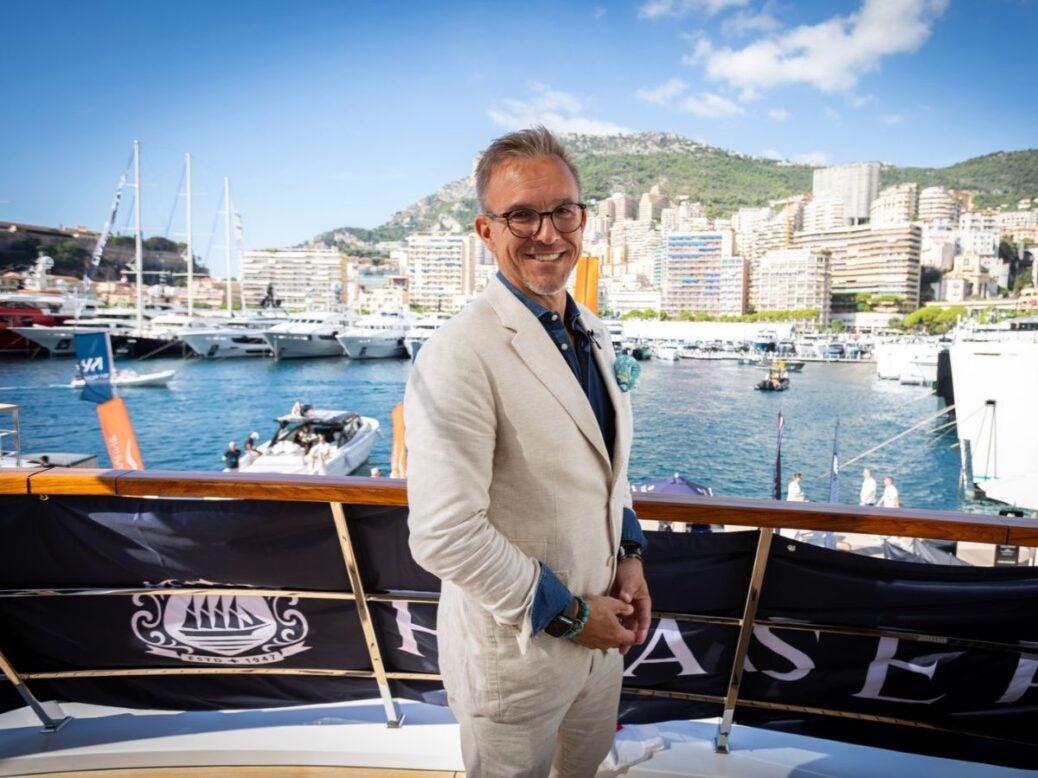
Kurtén attributes this phenomenon to a desire to seamlessly transition their existing onshore lifestyle to the water. "The expectation of being able to take your onshore lifestyle and port it seamlessly on board," he explained. This implies that the emphasis is shifting from the yacht itself to the comprehensive experience it enables.
"Obviously a bigger platform gives you more flexibility and more options," Kurtén stated. "The sort of experiential part of the whole lifestyle has become much bigger." This suggests that for these affluent buyers, the superyacht is not merely a mode of transport but a sophisticated vessel for curated experiences, enabling them to pursue their passions and enjoy time with loved ones in unparalleled luxury and privacy.
The focus has broadened beyond the vessel’s specifications to encompass the destinations it can access and the activities it can facilitate. "Today, when we talk about the experience that people expect to have, it’s maybe less about the yacht and more about where it can take you to do what and most importantly with who," Kurtén elaborated. This holistic view of yachting underscores the growing importance of bespoke itineraries, exclusive access, and the social dimension of ownership.
Emerging Trends: Younger Buyers and Extended Charters
Further insights from Kurtén’s presentation at the Monaco Yacht Show revealed a declining average age of Fraser Yachts’ clientele. Concurrently, the average duration of yacht charters has been on the rise. This indicates a growing engagement with the superyacht lifestyle among a younger demographic, who are increasingly seeking extended periods of immersive experiences.

A recent anecdote shared by Kurtén exemplifies this trend: a client chartered a 90-meter yacht for three weeks, with the booking made just four days in advance. Remarkably, the client subsequently requested to extend the charter to a full eight weeks. This demonstrates a high degree of spontaneity and a strong desire for prolonged enjoyment of the superyacht experience, further highlighting the demand for flexibility and immediate gratification.
For context, the 97-meter superyacht Carinthia VII, available for charter through Fraser Yachts, commands a price of approximately €1.5 million per week, underscoring the significant investment involved even for chartering. The fact that clients are willing to commit to such extended periods, even on high-value yachts, speaks volumes about the allure and perceived value of the superyacht lifestyle.
Navigating Market Dynamics and Client Expectations
The increasing consolidation within the brokerage sector raises pertinent questions about its impact on the market and client service. Kurtén stressed the importance for Fraser Yachts to maintain its "white-glove service," ensuring that "every client feels like their needs are met and they are genuinely heard." This focus on personalized attention and client satisfaction is crucial in a market where discretion, trust, and bespoke solutions are paramount.
The "extreme scarcity" in the market, as described by Kurtén, is a complex issue with multiple contributing factors. The sheer cost and complexity of building superyachts mean that new constructions are limited. Furthermore, existing owners often hold onto their vessels for extended periods, either for personal use or as valuable assets. The limited number of brokers capable of handling such high-value transactions further concentrates the market.

Implications for the Superyacht Industry
The current market conditions have several significant implications for the superyacht industry:
- Increased Demand for New Builds: The persistent scarcity of available vessels, both for sale and charter, is likely to fuel continued demand for new builds. However, the construction pipeline for superyachts is already extensive, with many shipyards operating at full capacity for years to come. This can lead to even longer waiting times and potentially higher prices for new constructions.
- Elevated Resale Values: With limited supply and strong demand, the resale values of existing superyachts are likely to remain robust. Owners looking to sell may find themselves in a favorable position, potentially achieving prices that reflect the current market scarcity.
- Innovation in Brokerage Services: As the market evolves, brokerage firms will need to innovate to meet the changing demands of their clientele. This may involve offering more comprehensive lifestyle management services, leveraging technology for enhanced client engagement, and providing expert advice on a range of yacht-related matters, from acquisition and charter to maintenance and crewing.
- Strategic Importance of Ownership Groups: The ongoing consolidation, such as the potential acquisition of MarineMax by Safe Harbor Marinas, highlights the strategic importance of large ownership groups in the marine industry. These entities can leverage economies of scale, broader market reach, and integrated service offerings to enhance their competitive advantage.
- Focus on Experiential Luxury: The shift in buyer preferences towards experiential luxury underscores the need for brokers and builders to understand and cater to the evolving desires of affluent individuals. The yacht itself is becoming an enabler of a broader lifestyle, requiring a more holistic approach to sales and marketing.
The superyacht market, characterized by its exclusivity and opulence, continues to navigate a fascinating landscape of record sales and persistent scarcity. As spearheaded by industry leaders like Anders Kurtén of Fraser Yachts, the sector is adapting to the evolving needs and expectations of a new generation of discerning buyers, ensuring its continued relevance and allure in the global luxury market.
