

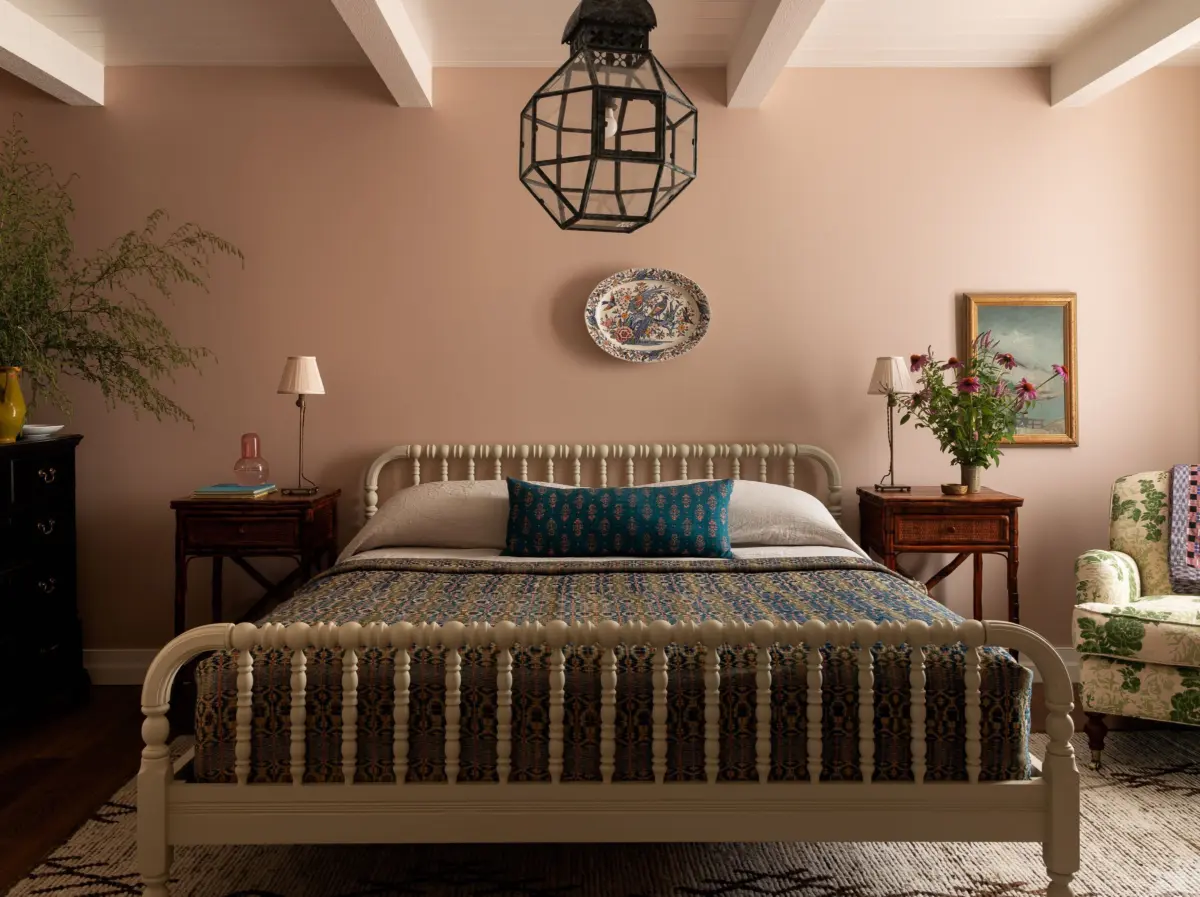
The interior design landscape is currently witnessing a significant resurgence of the spindle bed, a furniture staple that has successfully transitioned from a relic of the 19th-century countryside to a centerpiece of the contemporary minimalist home. Characterized by a distinctive silhouette featuring a row of slender, vertical rods—or spindles—connecting the headboard and footboard, these beds offer a whimsical, fairytale-like charm that distinguishes them from the heavy, upholstered frames that have dominated the market for the past decade. This shift represents more than a mere aesthetic preference; it signals a broader movement toward architectural transparency, historical nostalgia, and the integration of traditional craftsmanship into modern living spaces.
The Architectural Evolution of Spindle Design
The history of the spindle bed is deeply rooted in the evolution of woodworking and the industrialization of furniture manufacturing. To understand its modern appeal, one must look back to the mid-19th century, particularly the influence of the "Jenny Lind" style. Named after the famous Swedish opera singer Johanna Maria Lind, who toured the United States in 1850, the style became synonymous with the bobbin-turned furniture she reportedly favored. This technique involves turning wood on a lathe to create a series of spherical or spool-like shapes along the spindle, a hallmark of Victorian-era Americana.

By the late 19th and early 20th centuries, the Shaker movement refined the spindle silhouette, stripping away the ornate bobbins in favor of clean, tapered lines and functional simplicity. This "Shaker-inspired" look laid the groundwork for the Midcentury Modern (MCM) movement of the 1950s and 60s, which utilized spindles to create airy, low-profile frames that emphasized a connection to nature and a sense of spatial freedom. Today, the spindle bed has undergone yet another transformation, incorporating industrial metals, powder-coated finishes, and streamlined platform bases that cater to the needs of the 21st-century consumer.
Market Trends and the Rise of "Cottagecore"
The current popularity of spindle beds is closely linked to the "Cottagecore" and "Grandmillennial" design movements. According to market analysts, these trends are a reaction against the sterile, mass-produced aesthetics of the early 2010s. Consumers are increasingly seeking pieces that feel "curated" rather than "purchased," leading to a high demand for furniture that evokes a sense of heritage and permanence.

Data from major home retailers indicates that searches for "spindle furniture" and "bobbin beds" have seen a 35% year-over-year increase as of 2024. This demand is driven by a desire for "visual lightness." In smaller urban apartments, the open-slat design of a spindle headboard allows light to pass through, making a room feel larger and less cluttered compared to solid-panel or upholstered headboards. Furthermore, the durability of solid wood and metal spindles aligns with the growing consumer preference for sustainable, long-lasting furniture over "fast furniture" alternatives.
Analyzing the Modern Spindle Landscape: A Comparative Review
The modern market offers a diverse array of spindle interpretations, ranging from industrial iron to handcrafted walnut. Manufacturers have adapted the traditional silhouette to fit various sub-styles, ensuring the spindle bed remains a versatile choice for different interior environments.

Industrial and Heavy Metal Interpretations
For those favoring an industrial or modern farmhouse aesthetic, metal spindle beds have become a prominent choice. The Crate & Barrel Mason Arched Bed serves as a prime example of this evolution. Utilizing an iron frame with a charcoal powder-coated finish, it replaces the traditional wooden warmth with a streamlined, "heavy metal" look. The addition of oval finials at the corners serves to soften the industrial edges, proving that the spindle silhouette can maintain its whimsical roots even when executed in cold materials.
The Persistence of the Traditionalist "Jenny Lind"
Despite modern innovations, the classic bobbin-turned style remains a favorite among traditionalists. The Jenny Lind Spindle Bed, often crafted from solid wood and hand-sanded multiple times to achieve intricate detail, continues to be a top seller. While historically categorized as children’s furniture, industry experts note a significant trend of adults adopting these frames for primary bedrooms to capture a nostalgic, 19th-century Americana vibe. Contributor Kate McGregor notes that the longevity of these solid-wood constructions often exceeds seven years of daily use, highlighting the value of traditional joinery.

Shaker Simplicity and Midcentury Modern Fusion
The intersection of Shaker utility and Midcentury Modern aesthetics is perhaps where the spindle bed finds its most "modern" expression. Brands like Article and Zinus have popularized the use of tapered legs and slender, unadorned spindles. The Article Lenia Spindle Bed, available in finishes like black ash and white oak, emphasizes the "clean" look that defines contemporary Scandinavian and MCM styles. These designs often incorporate practical features, such as under-bed storage drawers, addressing the modern need for maximized utility in limited square footage.
Luxury and Customization in the High-End Market
At the higher end of the price spectrum, brands like Lulu and Georgia and Braxton Culler are pushing the boundaries of the spindle bed through material quality and color customization. The Lulu and Georgia Wallis Platform Bed utilizes turned-wood details to create an airy, sophisticated frame that prioritizes sturdiness without the visual weight. Meanwhile, Braxton Culler’s Lind Island Bed offers over 26 finish options, ranging from sky blue to chocolate brown, allowing consumers to treat the spindle bed as a bold color statement rather than a neutral backdrop.

Craftsmanship and Material Integrity
A key factor in the "modern makeover" of the spindle bed is the advancement in manufacturing techniques. Traditional spindle beds were often prone to "creaking" due to the many individual points of connection between the rods and the frame. Modern engineering has solved this through improved joinery and the use of high-quality materials.
- Solid Wood Construction: High-quality frames now frequently use acacia, walnut, and rubberwood. These woods are chosen for their density and resistance to warping.
- Welded Steel: For metal frames, such as the Room & Board Mackintosh Bed, artisans in regions like Minnesota utilize individual welding for each spindle. This ensures that the frame acts as a single, cohesive unit, providing a handcrafted quality that mass-produced stamped metal cannot replicate.
- Powder Coating: The shift from traditional paint to powder coating on metal frames provides a more durable finish that is resistant to scratching and fading, ensuring the "modern" look stays fresh for decades.
Official Responses and Industry Outlook
Designers and furniture manufacturers are responding to this trend by expanding their spindle-related catalogs. A spokesperson for a major furniture retailer stated, "We are seeing a move away from the ‘hotel-look’ of oversized upholstered beds. Customers want pieces that have a story and a silhouette. The spindle bed is the architectural answer to that demand."

Interior designers also point out the "styling versatility" of the spindle bed as a reason for its continued success. Whether paired with crisp white percale sheets for a minimalist look or layered with quilts for a rustic, cottagecore feel, the bed frame acts as a neutral but characterful foundation. This versatility makes it a safer investment for consumers who may want to change their decor style over time without replacing their primary furniture.
Broader Implications for Interior Design
The resurgence of the spindle bed is a microcosm of a larger shift in the design industry: the "New Traditionalism." This movement seeks to bridge the gap between the comfort of the past and the efficiency of the future. By taking a design that is centuries old and refining it with modern materials and ergonomic considerations, furniture designers are creating a "timeless" category of products that resist the rapid cycle of trends.

Furthermore, the spindle bed’s popularity reflects a growing awareness of light and space. In an era where "wellness-focused" home design is a priority, the ability of a spindle bed to allow air and light to circulate through a room is seen as a health benefit, contributing to a more restful and less oppressive sleeping environment.
As we look toward 2025 and beyond, the spindle bed is expected to remain a dominant force in the bedroom furniture market. Its ability to adapt—taking on the persona of an industrial iron frame one moment and a hand-carved wooden heirloom the next—ensures its relevance. The modern makeover of the spindle bed is not just a change in appearance, but a reaffirmation of the enduring value of the silhouette in the American home. Whether it is a budget-friendly pine frame from Walker Edison or a high-end iron platform from Pottery Barn, the spindle bed has proven that good design doesn’t just age; it evolves.
