

The global tourism industry is currently witnessing a fundamental transformation in consumer behavior, driven by the escalating frequency and intensity of extreme weather events. As global temperatures continue to shatter historical records, the traditional allure of sun-drenched Mediterranean beaches and tropical getaways is being replaced by a burgeoning interest in "coolcations"—trips specifically planned to avoid oppressive heat and environmental volatility. This shift is not merely a passing trend but a structural realignment of the travel sector, as tourists increasingly prioritize climate safety and physical comfort over traditional seasonal norms.
Research released in early 2024 by the travel platform Booking.com underscores the magnitude of this shift. In a comprehensive survey of over 32,500 travelers across 35 countries and territories—including significant representation from North America, South America, Asia, Africa, and Europe—nearly 75% of respondents confirmed that the prospect of extreme weather, particularly heat, is now a primary factor in their destination selection process. Furthermore, 55% of those surveyed stated that certain iconic destinations have become effectively inaccessible during peak summer months due to temperatures that exceed comfortable or safe thresholds.
The Human and Environmental Cost of Rising Temperatures
The movement toward cooler destinations is grounded in the harrowing experiences of the recent past. The summer of 2023 served as a grim catalyst for change, particularly in Europe, which experienced some of the most dramatic heat waves in recorded history. According to health and environmental data, Europe saw more than 47,000 heat-related deaths in 2023 alone. These figures have left an indelible mark on the public consciousness, transforming the "summer holiday" from a period of relaxation into a potential health risk for vulnerable populations, including the elderly and young children.
Beyond the immediate physiological risks of heatstroke and exhaustion, rising temperatures have ignited a secondary set of environmental crises that directly disrupt tourism infrastructure. Wildfires, once considered a seasonal risk in specific arid regions, have become a widespread and unpredictable threat. In the current season, parts of Spain and France have faced "historic" wildfires, leading to some of the largest mass evacuations since the Second World War. These blazes have not only destroyed natural landscapes but have also forced the closure of hotels, resorts, and transportation hubs, causing billions in economic losses.
The situation is mirrored in the Western Hemisphere. In Canada, the Canadian Interagency Forest Fire Centre (CIFFC) reported that nearly four million hectares of land have already been consumed by fire this year. The resulting smoke plumes have frequently drifted across the border into the United States, degrading air quality in major metropolitan areas and further discouraging outdoor-centric tourism. With European officials warning that wildfire seasons may now extend well into October and November, the traditional "safe" window for travel is shrinking.
A Geographical Pivot: The Ascent of the North
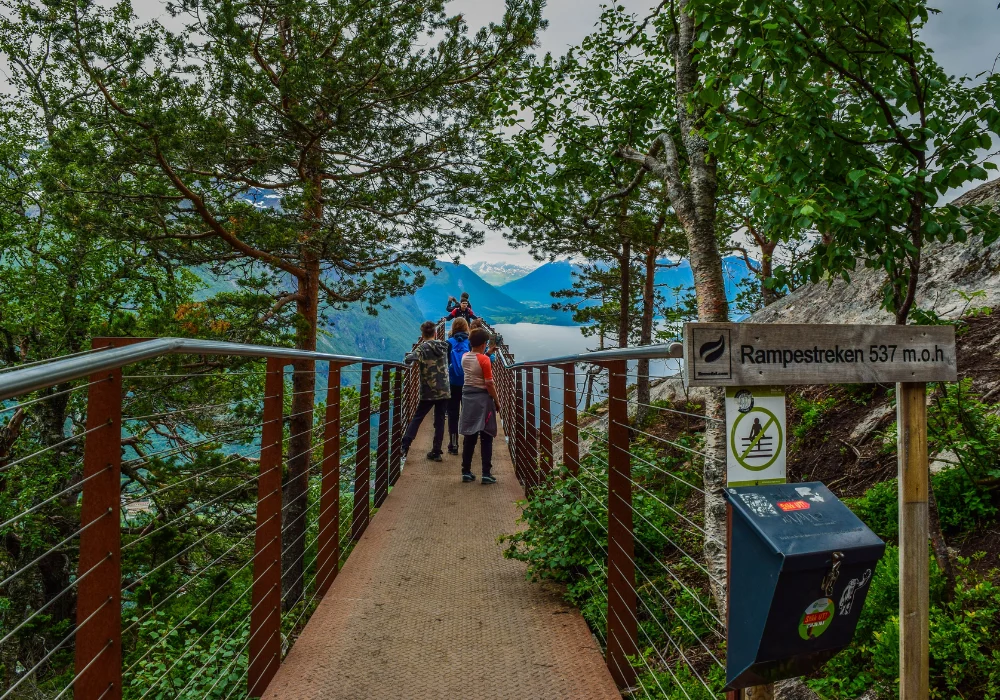
As the "Sun and Sea" model of tourism faces existential challenges, Northern European and Nordic countries are positioning themselves as the primary beneficiaries of the coolcation trend. Norway, in particular, has been proactive in its marketing efforts, pivoting its brand identity to highlight "lush, green forests" and "crisp, fresh air" as an antidote to the sweltering heat of the south. This strategy appears to be yielding significant results.
A 2024 analysis by Virtuoso, a leading luxury travel network, revealed a stark divergence in travel patterns. Their data indicated that bookings for Northern European destinations and Canada surged by 44% during the summer months. Conversely, traditional heavyweights like Italy, Greece, and France saw a slight dip in their summer numbers. While these Mediterranean mainstays remain world-class destinations, the data suggests that they are losing their monopoly on the summer traveler’s imagination.
Industry experts suggest that this geographical pivot is creating a new hierarchy in global tourism. Destinations that were previously considered "off-the-beaten-path" or strictly winter-sport locales—such as Iceland, Finland, Scotland, and the Canadian Rockies—are now seeing record-breaking summer occupancy rates. This influx is providing a significant economic boost to these regions but is also placing new pressures on local infrastructure that was not originally designed for high-volume summer crowds.
Chronology of a Changing Season: The Rise of the Shoulder Season
The shift is not only about where people travel but when they choose to do so. The concept of the "shoulder season"—the period between the peak and off-peak seasons—is being redefined. Data from the European Travel Commission (ETC) highlights a narrowing gap between mid-summer and early-autumn travel. While July and August remain the most popular months for 25% of European travelers, September has surged to a close second at 22%.
The timeline of this shift has evolved over the last decade:
- 2014–2018: Extreme heat events are viewed as anomalies; summer tourism continues to grow in Southern Europe.
- 2019: Record-breaking heat waves across Europe begin to spark "climate anxiety" among travelers.
- 2021–2022: Post-pandemic travel "revenge" sees a temporary return to traditional spots, but record wildfires in Greece and Turkey disrupt thousands of vacations.
- 2023: The deadliest heat wave on record in Europe forces a mass realization that the climate has fundamentally changed.
- 2024: The "Coolcation" enters the mainstream lexicon, with major booking platforms and tourism boards adjusting their entire business models to accommodate the new reality.
This chronological progression suggests that the industry is moving toward a "bimodal" peak season, where travelers opt for the cooler months of May, June, and September, leaving the extreme heat of July and August for indoor activities or northern escapes.
Official Responses and Industry Adaptation
Governmental bodies and tourism organizations are beginning to respond to these shifts with a mixture of concern and adaptation. In the European Union, officials have warned that the wildfire response systems are being pushed to their limits, with some systems operating "out of capacity" as early as July. This has led to calls for increased international cooperation and investment in firefighting technology and forest management.
On the commercial side, the hospitality industry in Southern Europe is attempting to mitigate the heat through architectural and operational changes. Many hotels are investing heavily in advanced climate control systems, while city governments in places like Athens and Seville are introducing "cool routes"—shaded walking paths with misting stations—to protect tourists. There is also a move toward "nocturnal tourism," where major landmarks and museums extend their hours into the late night and early morning to allow visitors to explore during cooler temperatures.
However, these adaptations come with a high price tag. For many smaller businesses in the Mediterranean, the cost of installing industrial-grade air conditioning or losing a significant portion of their July revenue is a threat to their survival. Tourism boards in Italy and Greece are now aggressively promoting winter and spring travel to compensate for the potential loss of summer income.
The Sustainability Paradox and Long-Term Implications
The rise of the coolcation is often framed as a more sustainable form of travel. Proponents argue that by spreading tourism more evenly throughout the year and across a wider geographical area, the industry can reduce the "over-tourism" that plagues cities like Venice and Barcelona. Furthermore, traveling to cooler climates reduces the energy demand for air conditioning, which is a significant contributor to carbon emissions.
However, environmental analysts point to a "sustainability paradox." While a coolcation might save energy on-site, the distance traveled to reach northern destinations often requires long-haul flights, which carry a heavy carbon footprint. If a traveler from the southern United States chooses to fly to Norway instead of driving to a local beach, the net environmental impact may actually be higher.
The long-term implications for the global economy are profound. Nations that have built their entire economies around summer tourism are facing a slow-motion crisis. According to economic forecasts, if the current trend continues, we may see a massive redistribution of wealth from Southern to Northern Europe over the next three decades. This shift will require significant policy interventions, including job retraining for tourism workers and the diversification of local economies.
As the tourism industry navigates this new reality, the "coolcation" is likely to evolve from a niche trend into a standard consumer expectation. The era of the "unlimited summer" is ending, replaced by a more calculated, climate-conscious approach to global exploration. For the traveler, this means a wider world of destinations to explore; for the industry, it means a total reimagining of what it means to take a vacation in a warming world.
