

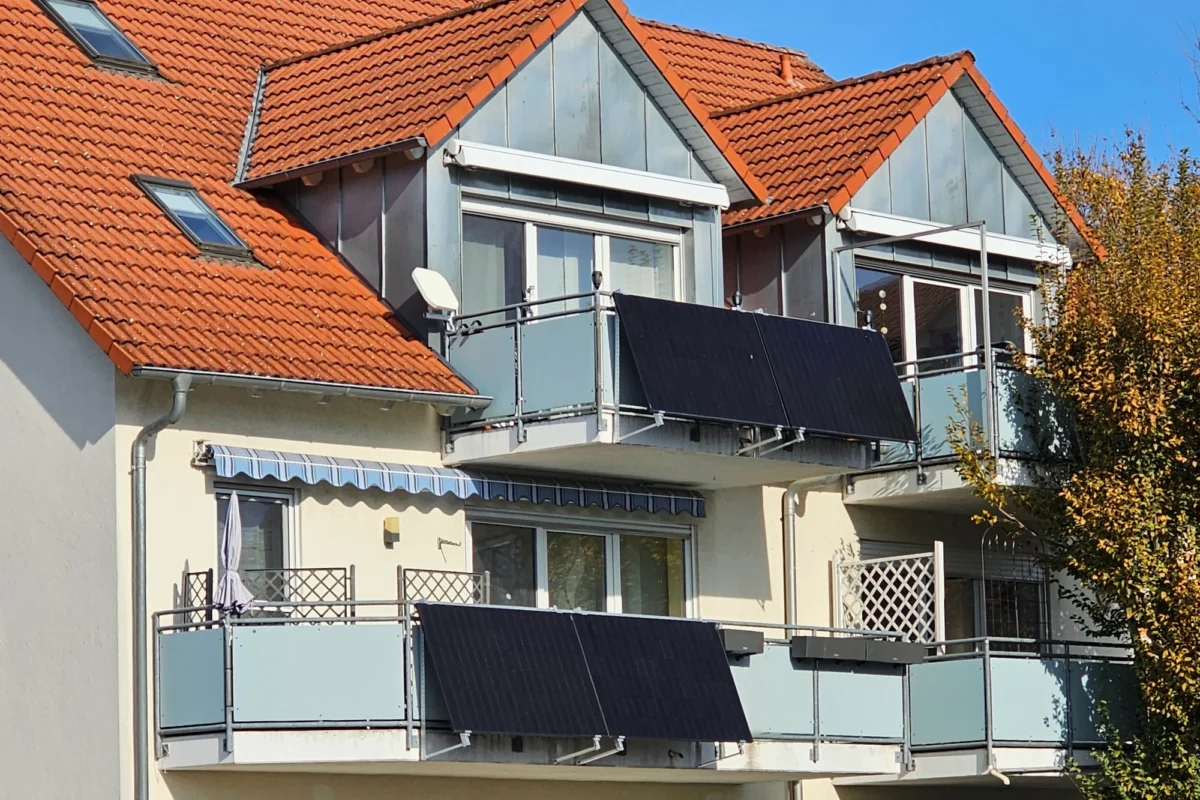
As the global transition toward renewable energy accelerates, a new frontier in residential power generation is emerging not on expansive rooftops or rural solar farms, but on the railings of urban apartment balconies. Known as "balcony solar" or "plug-in solar," this technology represents a significant shift in how energy is produced and consumed in high-density environments. While the movement has already seen explosive growth across Europe—most notably in Germany—it is now beginning to navigate a complex web of regulatory, safety, and legislative hurdles in the United States. This emerging sector promises to democratize energy access for millions of renters and condo owners who were previously excluded from the solar revolution, yet its path to mainstream adoption remains fraught with challenges.
Understanding the Mechanics of Balcony Solar
Balcony solar systems are essentially miniaturized versions of traditional photovoltaic (PV) arrays, optimized for portability and ease of installation. A typical setup consists of one or two solar panels, ranging in capacity from 400 to 800 watts, paired with a micro-inverter. Unlike traditional solar installations that require professional hard-wiring into a building’s electrical panel, balcony systems are designed for "plug-and-play" use. The micro-inverter converts the direct current (DC) generated by the panels into alternating current (AC), which is then fed directly into a standard household wall outlet.
Once plugged in, the solar energy flows into the home’s internal circuit. According to the laws of physics, electricity follows the path of least resistance; therefore, the power generated by the balcony panels is consumed by the nearest active appliances—such as refrigerators, Wi-Fi routers, or laptops—before the home draws additional power from the external utility grid. While these systems are rarely powerful enough to take a home entirely off the grid, they provide a consistent "base load" offset.
Industry estimates from the solar marketplace EnergySage suggest that a standard 400- to 800-watt system costs between $500 and $1,500. Depending on local sunlight exposure and utility rates, these units can reduce monthly electricity bills by $15 to $50. For a mid-range $1,000 system, the return on investment can be realized in as little as five to eight years, making it an attractive proposition for those in long-term rentals or urban condominiums.
The European Precedent: A Blueprint for Success
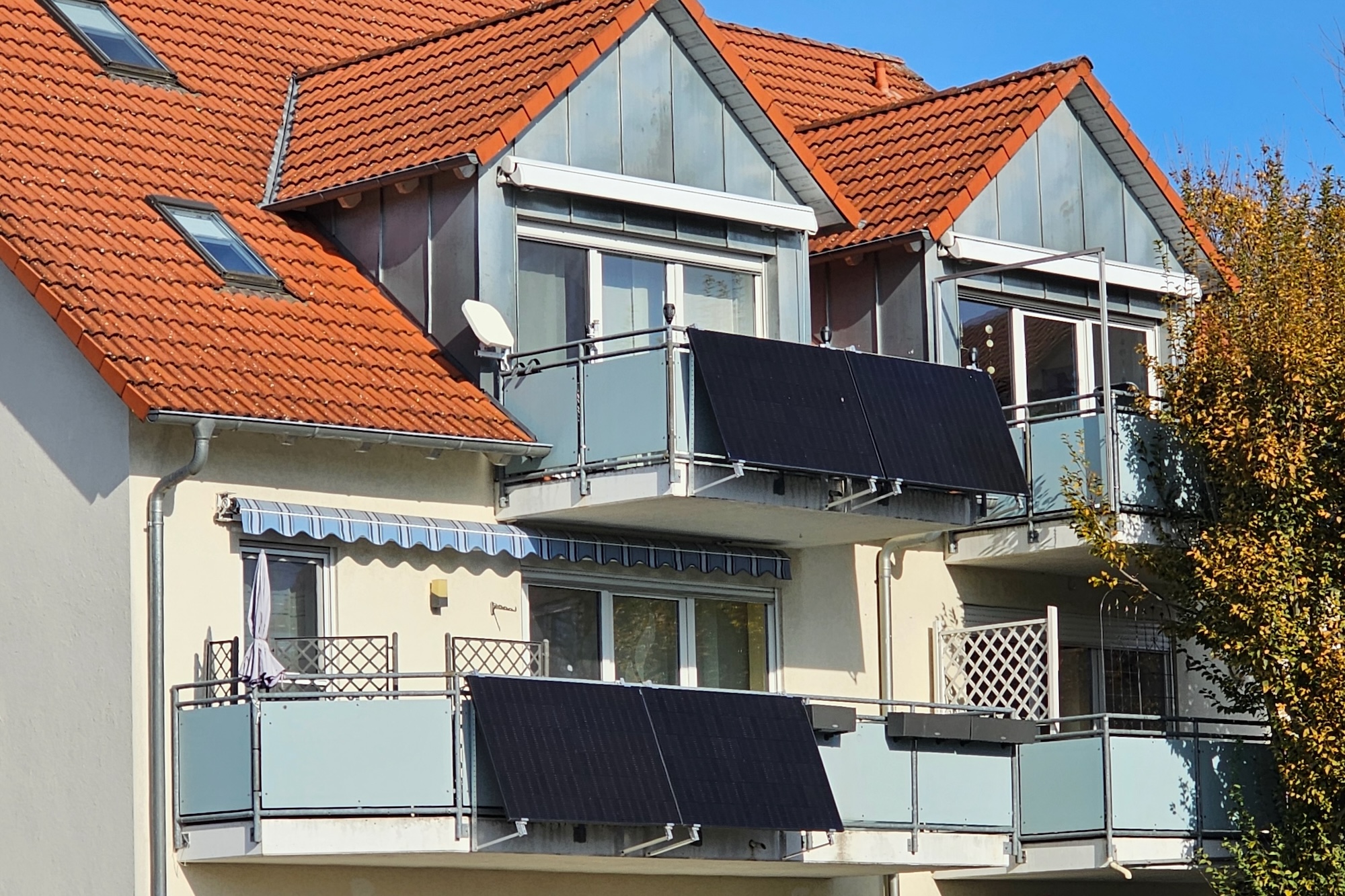
The momentum for balcony solar in the U.S. is largely inspired by the success of the technology in Europe. Germany has emerged as the undisputed leader in this space, with an estimated 4 million units registered by mid-2024. The German "Solarpaket 1" (Solar Package 1) legislation was a pivotal turning point, simplifying the registration process and raising the allowable feed-in limit for plug-in devices.
In Europe, the growth was driven by a combination of high energy prices—exacerbated by geopolitical instability—and a robust cultural commitment to the "Energiewende" (energy transition). By allowing citizens to bypass the high labor costs of professional installation and the bureaucratic maze of utility permits, Germany effectively turned its urban population into active participants in the green economy. This model demonstrated that distributed energy resources (DERs) could be scaled rapidly if the regulatory barriers were sufficiently lowered.
The American Context: Regulatory and Technical Barriers
In the United States, the adoption of balcony solar has been significantly slower due to a fragmented regulatory environment. Unlike the centralized energy policies found in many European nations, U.S. energy policy is a patchwork of federal guidelines, state laws, local building codes, and utility-specific regulations.
The HOA and Rental Restriction Hurdle
One of the primary obstacles is the role of Homeowners Associations (HOAs) and property management companies. Many HOAs have strict aesthetic guidelines that prohibit the installation of any exterior equipment, including solar panels on railings. While some states have "Solar Access" laws that prevent HOAs from banning rooftop solar, these protections often do not explicitly extend to balcony-mounted or plug-in devices.
Electrical Codes and Safety Standards
Safety has been a recurring concern for U.S. regulators. The National Electrical Code (NEC) governs how electrical systems must be installed to prevent fires and shocks. For years, there was no specific safety standard for a device that feeds power back into a home through a standard outlet. This led to concerns about "backfeeding," where a device might continue to energize a circuit even if the grid is down, potentially endangering utility workers.

Furthermore, many local jurisdictions require an electrical inspection for any device that generates power, a process that can cost hundreds of dollars and involve weeks of waiting—effectively neutralizing the "plug-and-play" appeal of the technology.
Chronology of the U.S. Balcony Solar Movement
The transition from a niche hobby to a recognized energy solution in the U.S. has followed a distinct timeline of legislative and technical milestones:
- Early 2000s: Balcony solar exists primarily as a DIY project for enthusiasts. High equipment costs and low panel efficiency keep the market negligible.
- 2020–2023: Solar panel prices drop by over 80% globally. News of Germany’s balcony solar boom begins to reach U.S. energy advocates and entrepreneurs.
- 2025: Utah becomes the first state to pass landmark legislation specifically aimed at removing utility and property-based obstacles for plug-in solar. However, adoption is initially stalled by the lack of a standardized safety certification.
- December 2025: A formal testing framework for plug-in solar devices is finalized, providing a technical roadmap for manufacturers.
- January 2026: UL Solutions, a global leader in safety science, launches the UL 3700 program. This provides a holistic certification for the entire balcony solar system, ensuring that the panels, inverters, and plugs work together safely without risking electrical fires or grid instability.
- May 2026: Virginia Governor Abigail Spanberger signs a comprehensive energy package that includes explicit support for balcony solar. This legislation is part of a broader effort to expand shared solar and streamline permitting for distributed resources.
Supporting Data and Economic Impact
The potential impact of widespread balcony solar adoption is substantial when viewed through the lens of Distributed Energy Resources (DERs). Currently, the U.S. has approximately 46 gigawatts of installed rooftop solar capacity. However, nearly 44 million households in the U.S. are occupied by renters, many of whom live in multi-family buildings where rooftop solar is not an option.
If only 10% of U.S. apartment dwellers installed a modest 400-watt balcony system, it would add 1.76 gigawatts of clean energy capacity to the national grid. This is equivalent to the output of nearly two large nuclear power plants, achieved without the need for additional land use or massive infrastructure projects.
From a consumer perspective, the data from EnergySage indicates that while balcony solar is less powerful than the average 12-kilowatt rooftop system, it addresses the "vampire load"—the energy consumed by devices that are always on. By offsetting this constant drain, balcony solar can effectively lower a household’s carbon footprint by several hundred pounds of CO2 per year.

Official Responses and Political Landscape
The movement has garnered a rare level of bipartisan support in several states, framed not only as a climate solution but as a matter of "energy independence" and "consumer choice."
During the signing of Virginia’s solar legislation in May 2026, Governor Abigail Spanberger emphasized the practical benefits for families. "By diversifying our energy usage, we can make sure that Virginia families are less exposed to volatility," Spanberger stated. "That is what energy independence means in practice, and that is exactly what we are building toward."
Similarly, in Utah, proponents of the plug-in solar movement argued that the technology empowers individual homeowners to manage their own costs without relying on massive utility-scale projects that often come with rate hikes.
However, utility companies have expressed caution. Some industry representatives argue that unregulated plug-in devices could complicate grid management and lead to "revenue erosion," which might shift the cost of maintaining the grid onto customers who do not have solar. These concerns have led to the inclusion of "notice requirements" in new laws, where tenants must inform their utility providers before connecting a system.
Broader Impact and Future Implications
The emergence of balcony solar signifies a broader trend toward the "democratization of energy." For decades, the benefits of renewable energy were largely reserved for those with the financial means to own property and invest in large-scale installations. Balcony solar lowers the barrier to entry, allowing a college student in a studio apartment or a family in a high-rise to participate in the green transition.

As of mid-2026, the legislative tracker from the advocacy organization Brightsaver shows that 10 states have passed supportive legislation, while 35 others have similar bills in various stages of the legislative process. The establishment of the UL 3700 certification is expected to trigger a wave of new product launches, as manufacturers can now produce "certified safe" kits that satisfy the requirements of skeptical building inspectors and insurance companies.
The long-term implication for the U.S. power grid is the potential creation of "Virtual Power Plants" (VPPs). By networking thousands of small-scale balcony systems equipped with smart batteries, utilities could theoretically tap into a massive reservoir of distributed power during peak demand periods, reducing the need for polluting "peaker" plants and enhancing overall grid resilience.
While balcony solar is not a "silver bullet" for the climate crisis, it represents a vital tool in the transition toward a decentralized, consumer-centric energy model. As regulatory hurdles continue to fall, the sight of solar panels hanging from apartment railings may soon become as common in American cities as it has become in the streets of Berlin.
