

The recent NBA championship victory for the New York Knicks, a triumph that ended a 53-year drought, is proving to be a significant boon for Goldman Sachs Group Inc., particularly for its expansive wealth management division. The team’s historic win, which saw them awarded over $9 million, has not only brought immense joy to fans but has also opened doors for enhanced business opportunities for the financial giant, which counts several Knicks players among its clientele. This influx of high-profile clients, coupled with the lucrative sponsorship deals that often follow such championship success, underscores a strategic advantage for Goldman Sachs in attracting and retaining affluent individuals, especially those with long-term investment horizons and unique financial needs.
The Championship Ripple Effect: Financial Windfalls and Client Acquisition
The $9 million prize money awarded to the Knicks for their championship run is just the tip of the iceberg. For star athletes, a championship season often triggers a cascade of lucrative endorsement deals, brand ambassadorships, and increased media visibility, all of which translate into substantial financial gains. Goldman Sachs, with its deep-rooted connections in the financial world and its dedicated wealth management arm, is strategically positioned to capitalize on this surge in client wealth. The firm’s ability to offer comprehensive financial planning, investment management, and estate planning services makes it an attractive partner for athletes who are often navigating complex financial landscapes early in their careers.
Marc Nachmann, the head of Goldman Sachs’ asset and wealth management unit, oversees a division managing over $4 trillion in assets. This unit’s growth is significantly bolstered by its success in acquiring and servicing high-net-worth individuals, a demographic that includes many professional athletes. The strategy involves leveraging existing relationships and building new ones through individuals who understand the unique financial considerations of athletes, such as short career spans and the potential for sudden wealth.
A Villanova Connection: Matt Kennedy’s Unique Role
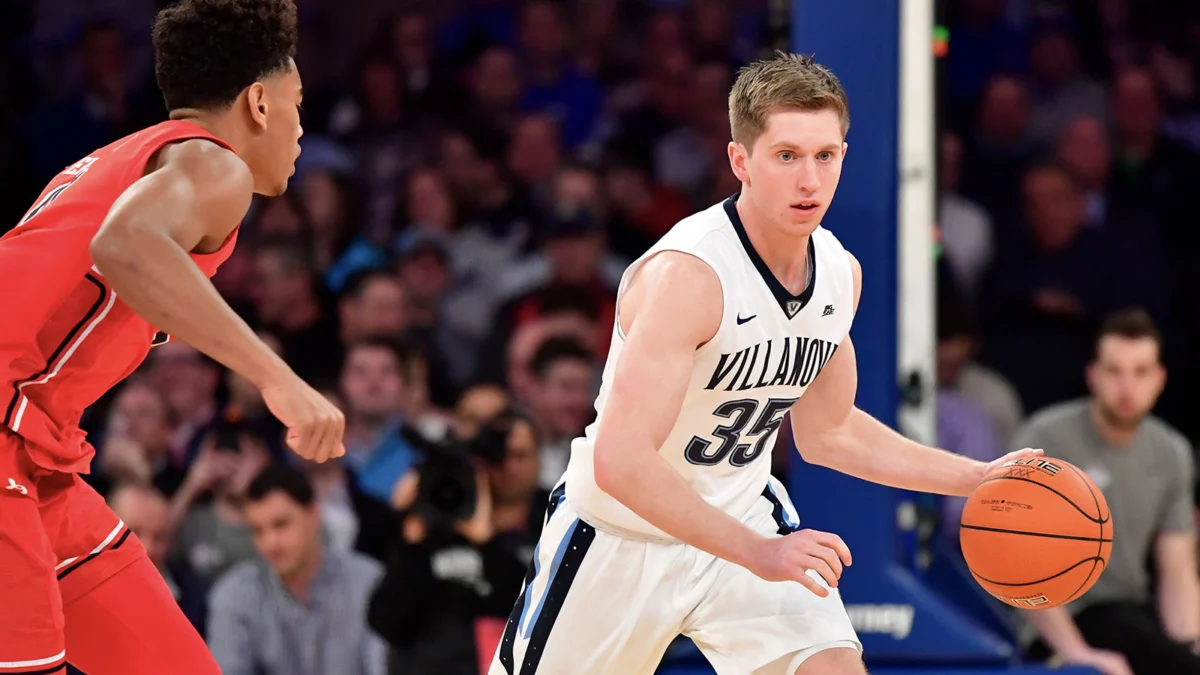
Central to Goldman Sachs’ strategy of engaging with Knicks players is Matt Kennedy, a former teammate of current Knicks stars Jalen Brunson, Josh Hart, and Mikal Bridges during their time at Villanova University. Kennedy, a 6-foot-2 graduate of Villanova, now works within Goldman Sachs’ wealth management business. His pre-existing relationships and shared experiences with these prominent athletes provide a unique and invaluable bridge for the firm. While Kennedy himself was not a star player on the court, his academic achievements, including winning the NCAA Elite 90 Award (now the Elite Scholar-Athlete award) for the highest GPA at the Final Four, highlight a disciplined and intelligent approach that likely resonates with his former teammates.
Kennedy’s path to Goldman Sachs involved an internship at the firm, followed by a stint in its fixed-income business focusing on debt products like collateralized loan obligations. Approximately two years ago, he transitioned to the wealth management division, where his team now manages assets for a diverse range of clients, including these high-profile athletes. The personal connection he shares with Brunson, Hart, and Bridges is a powerful asset. Mikal Bridges served as the best man at Kennedy’s wedding last year, underscoring the depth of their enduring friendship and brotherhood forged during their time at Villanova.
Building Bridges: The Power of Shared Experience and Trust
The significance of Kennedy’s role cannot be overstated. In the high-stakes world of professional sports and finance, trust and rapport are paramount. Athletes, often thrust into immense wealth at a young age, require advisors who not only understand financial markets but also comprehend their specific lifestyle, career trajectory, and potential financial challenges. Kennedy’s background as a former teammate provides him with an intrinsic understanding of the pressures and opportunities faced by these athletes. He can speak their language, drawing on shared memories and an appreciation for the dedication and sacrifice required to reach the pinnacle of their sport.
Kennedy himself has spoken to the work ethic of his former teammates. In an interview with The Athletic in June, he described Jalen Brunson as having a "maniacal" work ethic and Mikal Bridges as someone who "never, ever, ever cutting corners." These insights, shared from a place of personal knowledge, can be invaluable in building financial strategies tailored to individuals who embody such drive and discipline.
A Broader Trend: Athletes as Financial Ambassadors
The integration of former athletes into financial services is not a new phenomenon, and Goldman Sachs has actively embraced this trend. Justin Tuck, a two-time Super Bowl winner and former captain of the NFL’s New York Giants, joined Goldman Sachs’ private wealth management unit in 2018. Tuck has spoken extensively about the importance of cultivating long-term relationships in his role, drawing parallels between building a successful sports team and managing a client’s financial future. His experience highlights the potential for athletes to leverage their unique skill sets – leadership, discipline, strategic thinking, and an understanding of high-pressure environments – to excel in the financial sector.
The presence of figures like Tuck and Kennedy within Goldman Sachs serves a dual purpose. Firstly, it provides a relatable and trustworthy point of contact for other athletes seeking financial guidance. Secondly, it allows the firm to gain deeper insights into the financial needs and preferences of this demographic. Athletes, by nature, often have a long-term investment horizon, especially considering their relatively short professional careers. They are typically more comfortable with private and illiquid investments, seeking opportunities to put their earnings to work in businesses or franchises that can generate a consistent stream of income post-athletic careers.
The Strategic Advantage of Networking and Visibility
Beyond individual client relationships, sporting events, particularly those involving high-profile teams like the Knicks, offer unparalleled networking opportunities. Luxury suites at venues like Madison Square Garden are often populated by a confluence of celebrities, business leaders, and affluent individuals. This creates a fertile ground for business development. Goldman Sachs CEO David Solomon himself has been observed attending playoff games, underscoring the firm’s recognition of these events as valuable platforms for engagement and relationship building.
These games provide an environment where executives and successful individuals can mingle in a relaxed yet exclusive setting. The shared passion for the team can serve as an icebreaker, facilitating introductions and opening avenues for future business discussions. For Goldman Sachs, having individuals like Kennedy and Tuck present at these events, who possess both financial acumen and a connection to the sporting world, amplifies their ability to connect with potential clients who are already in a celebratory and optimistic mood.
Analyzing the Implications: A Long-Term Investment in Client Relationships
The success of Goldman Sachs’ strategy hinges on its ability to foster enduring relationships with its athlete clients. The firm’s wealth management division is designed to cater to the entire financial lifecycle of these individuals, from managing their playing careers to planning for their post-athletic lives. This involves sophisticated strategies for income diversification, tax planning, philanthropic endeavors, and legacy building.
The fact that Goldman Sachs is willing to invest resources in individuals like Matt Kennedy, who may not have the extensive financial market experience of traditional advisors but possesses invaluable interpersonal connections, speaks to a forward-thinking approach. It recognizes that in the realm of wealth management, especially for a niche market like professional athletes, trust and understanding can be as critical as technical expertise.
The broader implication for Goldman Sachs is the potential to solidify its position as a leading provider of wealth management services to the sports and entertainment industries. By demonstrating success with high-profile clients like the Knicks, the firm can attract a wider pool of talent, further expanding its reach and influence. This strategy also plays into the broader trend of financial institutions seeking to diversify their client base and tap into emerging wealth segments.
Looking Ahead: Sustaining Growth in a Competitive Landscape
As the financial landscape continues to evolve, Goldman Sachs’ emphasis on cultivating relationships through individuals with unique connections, such as former athletes, positions them favorably. The Knicks’ championship is a powerful catalyst, but the underlying strategy of leveraging personal networks and understanding specific client needs is what will drive sustained growth.
The firm’s ability to seamlessly integrate individuals like Matt Kennedy into its existing operational framework, providing them with the necessary tools and support, is crucial. This allows them to offer clients a comprehensive suite of services, from investment management to bespoke financial planning. The success of this model will likely encourage further exploration of similar avenues for client acquisition and relationship management within Goldman Sachs and across the financial services industry. The story of the Knicks’ championship victory, therefore, extends beyond the basketball court, resonating as a testament to the interconnectedness of sports, success, and strategic financial partnership.
