

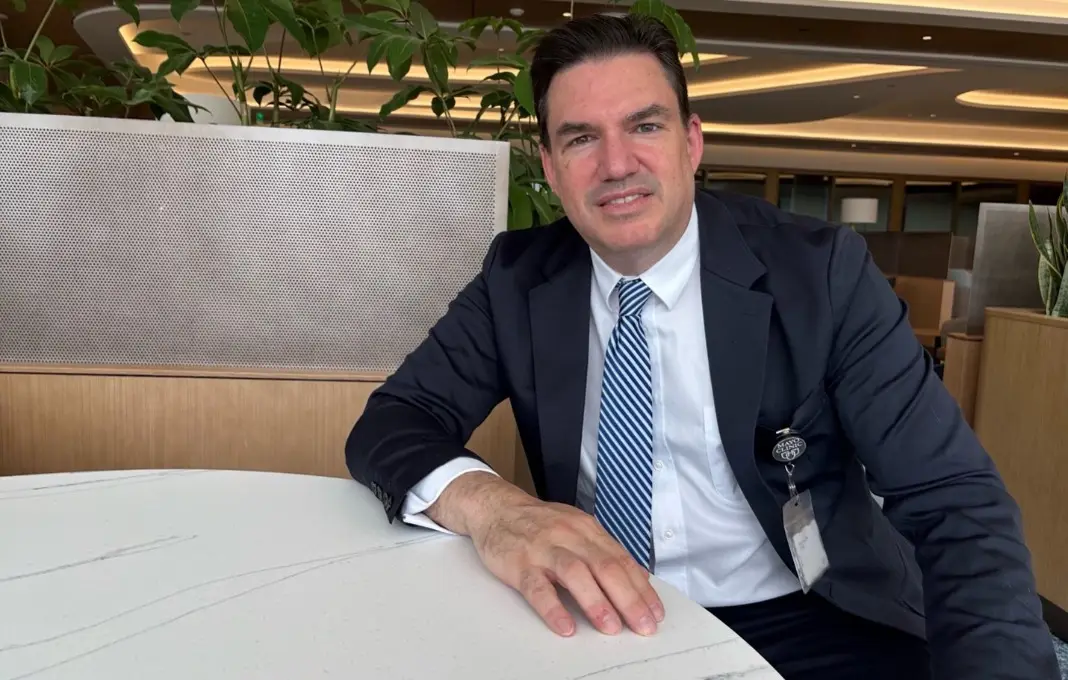
The opening of Mayo Clinic Executive Health’s expansive new 75,000-square-foot center in Rochester, Minnesota, this July marks a significant milestone in the institution’s commitment to a fundamental truth: a CEO’s health is not merely a personal concern; it is a critical business asset. This sentiment is championed by Dr. Ryan T. Hurt, a distinguished professor of medicine and division chair of general internal medicine at Mayo Clinic, who has dedicated over a decade to understanding and optimizing the health of top-tier executives. His work, situated at the nexus of clinical nutrition, physiology, and preventive medicine, has been specifically applied to the high-stakes world of CEOs and senior leaders since 2012. Dr. Hurt’s insights, gleaned from thousands of patient appointments and a forthcoming joint study with Chief Executive examining C-suite health in America, offer a compelling look at what is truly essential for preserving the healthspans of those at the helm of global enterprises.
The Evolving Landscape of Executive Health
In an era characterized by unprecedented pressures and rapid change, the demands on CEOs have intensified, making the topic of their health more critical than ever. Dr. Hurt observes a growing awareness among executives regarding the importance of healthspan – the period of life spent in good health. This burgeoning interest, however, is often accompanied by a deluge of often unverified information and trends.
“Many CEOs are becoming more aware of health and longevity,” Dr. Hurt states. “They want to learn about how they can live longer, healthier lives. We call that healthspan. The challenge is there’s a lot of things out there that aren’t necessarily good practices that sometimes CEOs and other execs will partake in, like peptides that are non-FDA approved.”
He frequently encounters situations where executives are influenced by peers, leading to potentially ill-advised health choices. “So often what the exec will do – a CEO comes, ‘Hey, my friend injects himself with testosterone every week. Should I be doing that?’ What we do is we individualize the care and we answer questions based on their individualized approach for each one of these patients.” This personalized approach underscores a key tenet of Mayo Clinic’s philosophy: moving beyond generalized trends to address the unique physiological and lifestyle factors of each individual.
Navigating the Maze of Misinformation
The proliferation of health advice, particularly through social media and anecdotal evidence, has created a fertile ground for misinformation, often leading executives to chase perceived quick fixes rather than focusing on foundational principles. Dr. Hurt highlights this prevalent issue: “Absolutely. They’re focusing on the wrong things.”
He elaborates on the importance of understanding the root motivation behind an executive’s health queries. “What you should ask them is, ‘Well, tell me about why you wanted to get that test, or why did you want to get that injection? Tell me more.’ And that’s what I usually dig into in that 90-minute appointment where they’ve never really discussed that with anybody before.”
A common example involves the pursuit of comprehensive screenings driven by fear. “Why do you want to get that full body scan? Well, you know what, my friend died of pancreatic cancer, and my primary care doctor told me there’s no good test for pancreatic cancer. And so when you really dig to the root, instead of getting that full body scan, let’s do the Grail test [an expansive blood test for cancer markers]. So let’s do that because it’s less problematic than getting a whole body scan at this point.” This illustrates a shift from broad, potentially unnecessary diagnostics to targeted, evidence-based interventions, prioritizing efficacy and minimizing risk.
The Pillars of Longevity: Unpacking the Essentials
Dr. Hurt emphasizes that true healthspan preservation for executives hinges on a few fundamental, yet often overlooked, pillars. These are not novel or experimental, but rather time-tested strategies that form the bedrock of enduring health.
The Critical Role of Muscle Mass
“Key to longevity is muscle,” Dr. Hurt asserts, identifying a significant gap in the fitness routines of many high-achieving individuals. “I’ll ask them, what are they doing for resistance training? And most of my CEOs are running, they’ll do a ton of aerobic exercise, but virtually none of them are doing dedicated resistance training. Lifting weights, 90 to 120 minutes of resistance training per week will decrease your mortality.”
The decline in muscle mass, a natural part of aging known as sarcopenia, can significantly impact metabolic health, mobility, and overall longevity. Dr. Hurt’s proactive approach includes integrating resistance training into the executive’s daily routine, even within the demanding work environment. “I have dumbbells in my office. When I’m on a zoom call, one day I do biceps and back, the next day I do shoulders and legs. I do it right here at work. I’ve cut my percent body fat from like high 20s to 19 percent body fat, which is really good.” This practical demonstration highlights how consistent, albeit short, bursts of strength training can yield substantial results.
Fueling the Body: Protein and Fiber
Adequate nutrition is intrinsically linked to muscle health and overall well-being. Dr. Hurt points out common dietary pitfalls: “To fuel those muscles, we need adequate protein. Most people are doing protein wrong. We want one to 1.2 grams per kilogram of your body weight per day. I like to spread it out a little bit as well. And then fiber – we should be 25 to 30 grams per day. Most of us are falling short.”
The scientific consensus supports Dr. Hurt’s recommendations. Studies published in journals like the American Journal of Clinical Nutrition have repeatedly demonstrated the benefits of higher protein intake for preserving muscle mass in aging populations, while the importance of fiber for digestive health, blood sugar regulation, and cardiovascular disease prevention is well-established by organizations such as the World Health Organization. The average American diet often falls significantly short of the recommended fiber intake, underscoring the need for conscious dietary adjustments.
The Unsung Hero: Sleep
Perhaps the most challenging yet vital component of healthspan is sleep. The pervasive myth of needing minimal sleep to maximize productivity is actively debunked by Dr. Hurt. “And then the third pillar is sleep. That’s the hardest one. The myth of ‘I only need five hours’ – it’s about 1 to 2 percent that probably need only about five hours of sleep genetically. The rest of us need seven to eight. That’s the sweet spot.”
The detrimental effects of chronic sleep deprivation on cognitive function, immune response, and metabolic health are well-documented in extensive research, including studies from the National Sleep Foundation. Dr. Hurt notes the particular vulnerability of CEOs to sleep disturbances: “The problem with CEOs is they’ll go to bed late and they’ll wake up multiple times at night, and sometimes they can’t get back to sleep because they’re thinking about that meeting. Insomnia is very prevalent in CEOs and execs.”
Leveraging Technology for Health Insights
In an era of rapid technological advancement, wearables and other health-tracking devices have become increasingly sophisticated and integrated into personalized health strategies. Dr. Hurt embraces these tools as valuable adjuncts to clinical care.
“I love wearables. I’m a wearable guy. I’ve researched a ton of the wearables. Probably a dozen of my peer-reviewed papers have been in wearables.” He mentions innovative devices like the Sonu headband, which is FDA-approved for sinus issues and is being studied for its potential to treat insomnia through low-grade vibrations, a phenomenon often observed in calming infants.
The Oura ring and Apple Watch are also key components of his approach. “I like the Oura ring. What I’ll do is I’ll say, ‘Here’s what I want you to do – I want you to have good seven hours of quality sleep. Let’s review your data. Oh look, your oxygen actually is dropping. We need to screen you for obstructive sleep apnea.’” By analyzing wearable data, Dr. Hurt can identify subtle physiological cues that might otherwise go unnoticed, leading to timely interventions such as screening for sleep apnea, a condition that affects millions and can have serious health consequences if left untreated.
Looking ahead, Dr. Hurt envisions a future where artificial intelligence plays a significant role in health management. “We’re building AI agents to eventually be able to have people feed in their wearable data and have an agent say, here’s some recommendations for you based on that data.” This integration of technology promises to democratize access to personalized health guidance, making it more actionable and responsive.
A Generational Shift Towards Proactive Wellness
The acceptance of practices once considered alternative or "woo-woo," such as meditation and mindfulness, reflects a broader societal shift, particularly evident across generations. Dr. Hurt observes distinct generational attitudes towards health.
“In general there are generational differences. The greatest generation, boy, they will self-neglect themselves right up to death. ‘I’m not going to go to the doctor – that’s where you go to die,’ because that’s what they experienced in the Great Depression. ‘Hospitals are places you go to die.’” This perspective, shaped by historical context and personal experience, often prioritized stoicism over proactive healthcare.
In contrast, Dr. Hurt sees a growing embrace of longevity techniques among Baby Boomers as they approach retirement age. “They really want to pivot to some of these longevity techniques, and they’ll do anything, they’ll try anything to extend that lifespan. Meditation’s a core part of that. They know that the mind brain is an important piece. If their mind is healthy, then they’re going to be healthier longer.” This generation’s increased focus on mental well-being and its connection to physical health signals a maturing understanding of holistic wellness.
Furthermore, the general population, including executives, is becoming more receptive to novel approaches that offer alternatives to traditional pharmaceutical interventions. “Everybody wants the alternative to pills and medicine, which I think is okay. A lot of the integrative medicine that we practice here is outside of medications. It is that mind body, that meditation kind of connecting the whole body, if you will.”
This shift is also influenced by the limitations of the conventional healthcare system. “Good family practice, good primary care can do preventative medicine. The problem is if you only have 15 minutes in a primary care appointment, the way this healthcare system is set up is we cut out all the preventative stuff.” The constraints of time and financial models often force primary care physicians to focus on acute and chronic conditions, leaving little room for comprehensive preventive strategies.
Mayo Clinic’s Executive Health program, with its dedicated 90-minute appointments, prioritizes this preventative aspect. Dr. Hurt meticulously reviews preventive screenings and vaccinations, noting their often-underappreciated benefits. “I review all your vaccines – shingles vaccine, very important not only for prevention of shingles, but there’s emerging data that suggests that it probably helps with prevention of dementia.” He also highlights updated screening guidelines, such as the recommendation for colonoscopies starting at age 45 for individuals with a family history of colon cancer, a change driven by the concerning trend of earlier onset GI cancers.
The Enduring Advice: Three Pearls of Wisdom
When asked for the most impactful advice he offers to CEOs, Dr. Hurt consistently returns to the core pillars of his approach.
“Back to those three. Resistance training – when they say, ‘I can’t get to the gym,’ I say, what do you do in your office? Let’s get some dumbbells. ‘Well, I travel a lot.’ Well, put a pack of resistance bands in your bag and every day, 15 to 20 minutes, work on different muscle groups. Ninety to 120 minutes per week. You’ll pop out of that chair quicker, you’ll feel better.”
His nutritional advice remains succinct and actionable: “Most people are doing protein wrong. We want one to 1.2 grams per kilogram of your body weight per day. And then fiber, enough fiber per day. Those are my just two nutrition tips.”
Finally, he reiterates the paramount importance of sleep: “And then sleep. So those are my three pearls. It is amazing to me, almost every single patient, unless they’ve seen me before or seen one of my colleagues that preaches these things, how very few are doing those things right.”
Dr. Hurt’s insights from the forefront of executive health at Mayo Clinic underscore a powerful message: while the demands on leaders are immense, their well-being is not an insurmountable challenge. By focusing on fundamental, evidence-based practices – prioritizing muscle strength, balanced nutrition, and restorative sleep, and leveraging technology wisely – CEOs can significantly enhance their healthspan, ensuring not only their personal vitality but also their sustained capacity to lead and innovate. The opening of Mayo Clinic’s new center signifies a dedicated commitment to this vital intersection of health and leadership, providing a beacon for those seeking to optimize their most valuable asset: their own health.
