

The rapid expansion of automated license plate reader (ALPR) technology across the United States has reached a critical inflection point as a bipartisan wave of opposition gains momentum among civil liberties advocates, local governments, and privacy experts. At the center of this storm is Flock Safety, a Georgia-based security startup that has successfully embedded its surveillance infrastructure into thousands of American neighborhoods. While the company maintains that its vast network of AI-powered cameras is a vital tool for modern law enforcement, a growing body of evidence suggests that the system is prone to significant errors that have resulted in dangerous, and sometimes life-threatening, encounters between police and innocent citizens. As communities begin to weigh the perceived safety benefits against the erosion of constitutional protections, the debate over the "surveillance-industrial complex" has moved from the fringes of legal scholarship to the forefront of local town hall meetings.
The Scale of the Modern Surveillance Network
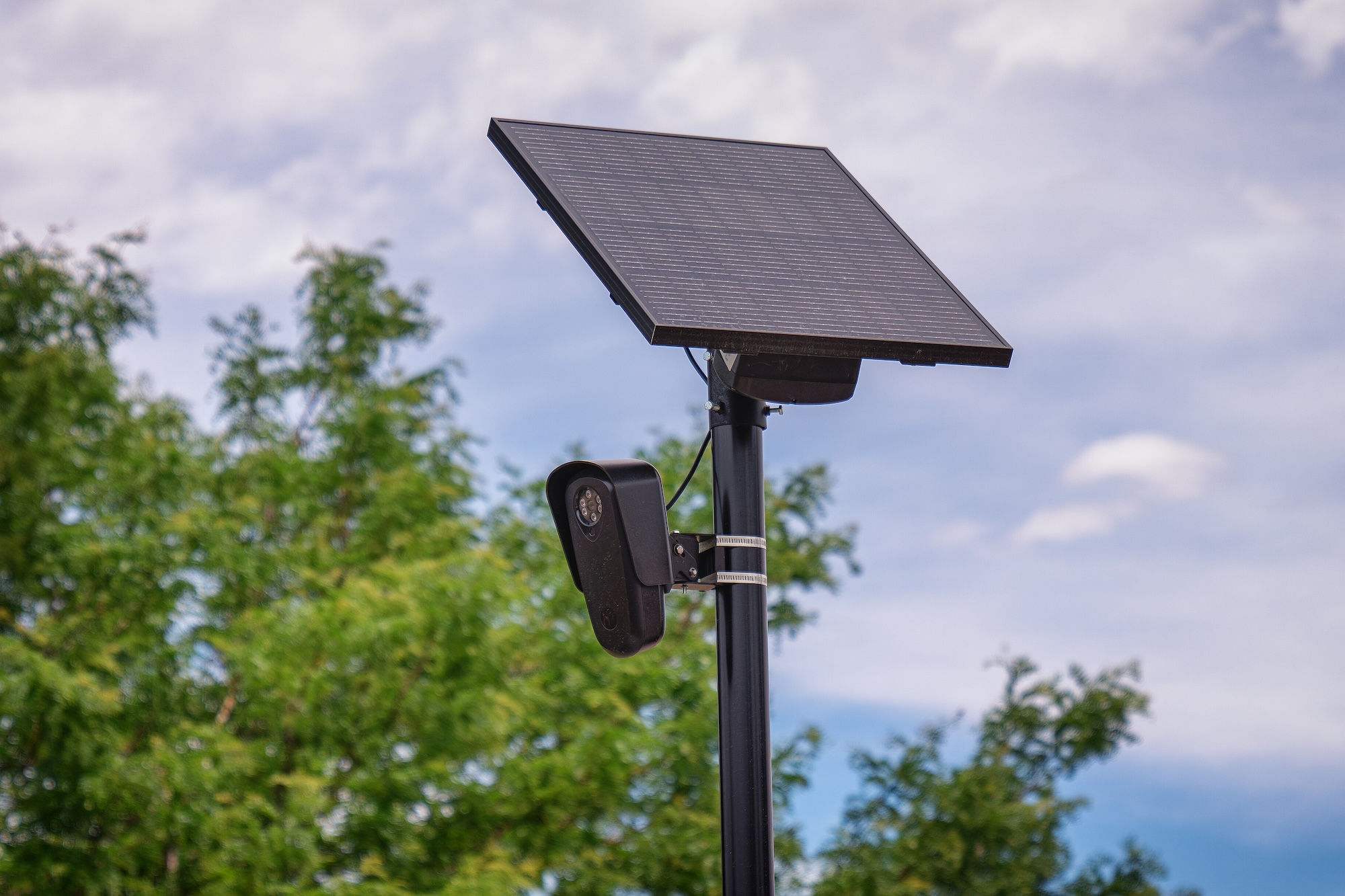
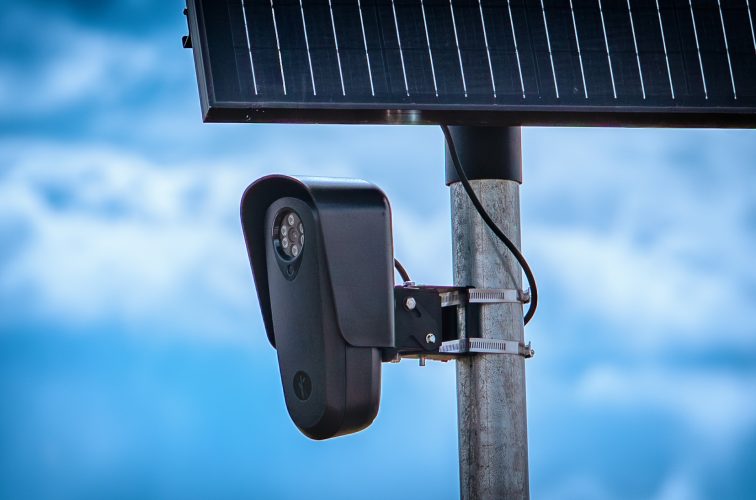
Flock Safety has achieved a level of market penetration that was virtually unimaginable a decade ago. Currently, the company operates approximately 120,000 ALPR cameras across 7,000 communities in the United States. These devices are not merely passive recording tools; they are sophisticated AI-driven sensors capable of capturing high-resolution images of license plates, vehicle make and model, paint color, and even unique identifiers such as bumper stickers, roof racks, or visible body damage. This data is then fed into a searchable database that allows law enforcement to track the movements of specific vehicles in real-time or reconstruct a person’s travel history over days, weeks, or months.
The technological capabilities of these systems continue to evolve. Recent updates to Flock’s hardware and software have expanded the cameras’ focus beyond vehicles to include pedestrian tracking. By utilizing machine learning algorithms, the system can now recognize and follow individuals based on clothing descriptions or physical characteristics. This shift from vehicle monitoring to human tracking has intensified concerns that the technology is creating a "dragnet" surveillance state where the expectation of anonymity in public spaces is effectively abolished.
A Chronology of Technological Expansion and Social Friction
The trajectory of ALPR technology reflects a broader shift in American policing toward data-driven, preventative strategies. The timeline of this evolution highlights how quickly surveillance has outpaced legislative oversight:
- Early 2000s: ALPR technology was primarily used by specialized highway patrol units for identifying stolen vehicles or scofflaws with unpaid tickets. The systems were expensive, bulky, and required manual operation.
- 2017-2018: Flock Safety was founded with a mission to "eliminate crime." By leveraging solar power and cellular connectivity, the company made it affordable for small municipalities and even homeowners’ associations (HOAs) to install surveillance grids.
- 2020-2022: The COVID-19 pandemic and subsequent shifts in policing led to a surge in contracts for "contactless" law enforcement tools. Flock’s network expanded exponentially, moving from hundreds to thousands of jurisdictions.
- 2023-2024: High-profile reports of "false positive" matches began to surface. In jurisdictions like Roseville, California, audits revealed that over 70 percent of alerts generated by a customized Flock system regarding felony-linked vehicles were erroneous.
- Mid-2024: A significant backlash began. According to the civic engagement organization Deflock, more than 100 municipalities have canceled their contracts with Flock Safety since 2021. Notably, more than half of these cancellations occurred in the first seven months of 2024 alone, indicating a rapid acceleration in public skepticism.
The Human Cost of Algorithmic Error
The most pressing concern for critics of ALPR technology is not just the loss of privacy, but the physical danger posed by "false hits." When an AI system incorrectly identifies a vehicle as being involved in a violent crime, it triggers a "high-risk" traffic stop. In these scenarios, police protocol typically dictates that officers approach the vehicle with weapons drawn, prepared for a lethal confrontation.
The Institute of Justice recently conducted an analysis of 24 traffic stops linked to license plate reader errors. The findings were startling: in two-thirds of those encounters, officers pointed their firearms at innocent motorists. One such incident involved a Wisconsin woman who was surrounded by police on a busy interstate after Flock’s system erroneously linked her car to a homicide investigation. This was reportedly the second time she had been stopped at gunpoint in a two-week period due to the same technical glitch.
In another harrowing case from early 2024, a Black driver in Ohio was pulled over following a mistaken Flock alert. The driver, fearing for his life as he exited the vehicle at gunpoint, was attacked by a police dog, resulting in permanent, life-altering injuries. He was subsequently jailed for hours before authorities realized the system had misread a single character on his license plate. These incidents underscore the reality that while a 93 percent accuracy rate—a figure frequently cited by Flock—may sound impressive in a laboratory setting, the remaining 7 percent represents over a billion inaccurate readings per month when scaled across the company’s 20-billion-read monthly volume.
The Fourth Amendment and the Legal Grey Area
The legal debate surrounding ALPRs centers on the Fourth Amendment, which protects citizens against unreasonable searches and seizures. Historically, the Supreme Court has held that individuals have a diminished expectation of privacy while traveling on public roads. However, legal scholars argue that the sheer scale and searchability of modern AI networks represent a qualitative shift in surveillance that exceeds traditional constitutional boundaries.
"While companies can manipulate you, they cannot put you in jail," writes Anne Toomey McKenna, an affiliated faculty member of the Institute for Computational and Data Sciences at Penn State University. "But the U.S. government can, and it now purchases massive quantities of your information from commercial data brokers."
The "Third-Party Doctrine" is often used by companies like Flock to defend their business model. This legal principle suggests that individuals lose their privacy interest in information they voluntarily share with third parties (such as location data shared with a cell tower or a license plate visible to a private camera). However, in the 2018 landmark case Carpenter v. United States, the Supreme Court signaled a shift, ruling that the government generally needs a warrant to access historical cell site location information because it provides an "all-encompassing record of the holder’s physical movements." Critics argue that a national network of ALPRs provides a nearly identical "all-encompassing record," yet it currently operates without the requirement of a warrant in most jurisdictions.
Misuse and the "Surveillance-Industrial Complex"
Beyond technical errors, the potential for intentional abuse by law enforcement personnel remains a significant risk. In Georgia, where Flock is headquartered, recent audits have led to a string of disciplinary actions. A former police officer in Polk County was charged with accessing the system for non-enforcement reasons, while multiple sheriff’s employees resigned after it was discovered they were using the database to track individuals for personal reasons.
While Flock has introduced a new auditing tool to track who accesses their data, privacy advocates point out that such tools only catch abuse after the fact. The damage—whether it be stalking, harassment, or unauthorized surveillance—is often already done. Furthermore, the data collected by these systems is increasingly being used in ways that intersect with highly polarized political issues.
For example, although Flock states it does not work directly with federal immigration agencies, local law enforcement agencies have been documented sharing their ALPR data with Immigration and Customs Enforcement (ICE). Additionally, in the wake of the overturning of Roe v. Wade, concerns have mounted regarding the use of ALPR data to track individuals traveling across state lines for reproductive healthcare. In one instance, a Texas sheriff’s deputy reportedly searched more than 83,000 Flock cameras nationwide in an attempt to locate a woman suspected of seeking an abortion. Similar concerns exist for individuals seeking gender-affirming care in states where such treatments have been criminalized.
Broader Implications and the Future of Public Safety
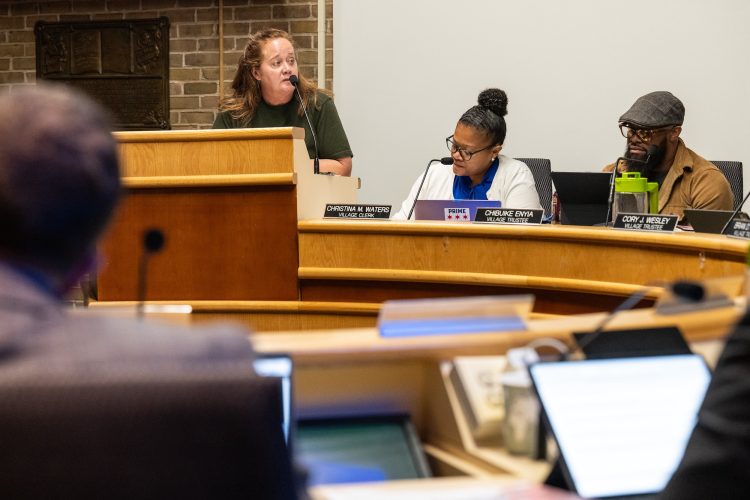
The backlash against Flock Safety is reflective of a broader societal tension regarding the role of technology in governance. As municipalities like Oak Park, Illinois, vote to cancel their contracts, they are often replaced by a demand for more traditional, community-based policing methods that do not rely on constant digital monitoring.
However, Flock is far from the only player in this space. Competitors like Vigilant Solutions and Rekor Systems continue to expand their own ALPR footprints, while drone surveillance companies like Skydio are partnering with over 1,200 government agencies to provide aerial monitoring. This "surveillance-industrial complex" represents a multi-billion-dollar industry with a vested interest in the continued expansion of data collection.

The path forward likely involves a combination of legislative reform and judicial intervention. Some states have begun to enact privacy laws that specifically restrict the retention period of ALPR data or prohibit its sharing with out-of-state agencies for certain types of investigations. The ACLU has also released a "Get the Flock Out" advocacy toolkit to assist residents in challenging the installation of these cameras in their neighborhoods.
Ultimately, the debate over Flock Safety and its counterparts serves as a microcosm of the challenges facing a 21st-century democracy. As AI becomes more integrated into the machinery of the state, the balance between the promise of public safety and the preservation of individual liberty becomes increasingly precarious. Without robust oversight and a clear legal framework that respects the spirit of the Bill of Rights, the "digital footprint" of every American citizen may soon become a permanent, searchable record held in the hands of private corporations and government agencies alike.
