

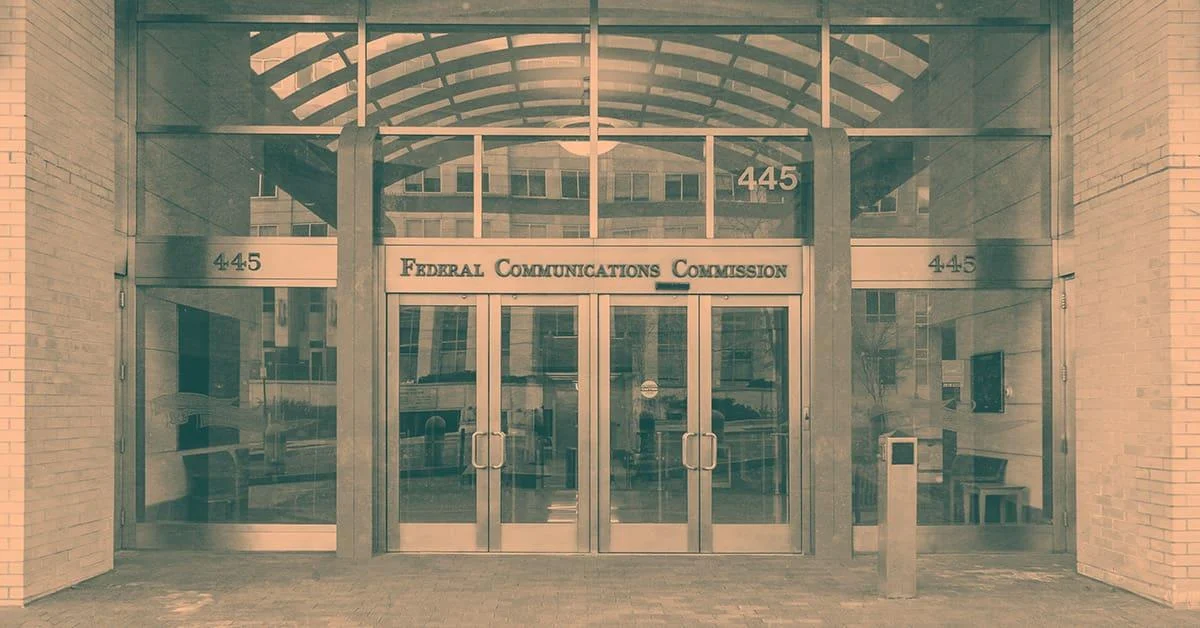
Federal Communications Commission (FCC) funding recipients are on the cusp of an era of heightened oversight and increased compliance risks as the agency’s Office of Inspector General (OIG) transitions to a comprehensive, data-driven model for its audit and investigative functions. This strategic evolution, clearly delineated in the FCC OIG’s 2026-27 Work Plan and underscored by recent congressional reporting, signals a move away from isolated, one-off audits of individual program beneficiaries. Instead, the OIG is leveraging advanced analytics to identify and cross-reference risk indicators across various programs and funding cycles. This integrated approach means that a compliance issue or red flag identified within a pandemic-era initiative, such as the Emergency Connectivity Fund (ECF), could now trigger a thorough review of a company’s entire portfolio of FCC funding, including long-standing programs like the Universal Service Fund (USF). For organizations reliant on FCC financial support, this paradigm shift necessitates a robust re-evaluation of documentation practices, internal controls, and overall preparedness for rigorous OIG scrutiny.
The FCC OIG’s 2026-27 Work Plan, released in late May, serves as a strategic roadmap for the agency’s oversight activities over the next two years. It articulates a continued commitment to combating fraud, waste, and abuse within the FCC’s operational landscape. However, the plan’s emphasis on targeted, data-informed oversight, particularly concerning pandemic-related programs like the ECF, represents a significant departure from previous methodologies. This renewed focus, when examined in conjunction with the OIG’s latest semiannual report to Congress, suggests a more sophisticated and expansive approach to accountability. The implications for FCC funding recipients are substantial: issues flagged in one program, especially those enacted during the exigencies of the COVID-19 pandemic, can now cast a shadow over funding received through other FCC streams, thereby elevating compliance obligations and potential liabilities.
Historically, the Universal Service Fund (USF) and emergency pandemic relief programs have been central to the FCC OIG’s oversight priorities. Yet, resource constraints often dictated a more fragmented and less systematic approach. Audits were frequently confined to single recipients, such as an individual rural healthcare provider or a specific county library, examining their adherence to program rules for one or two funding periods. Even when broader program-wide audits were conducted, they tended to adopt a narrow focus, scrutinizing specific program components, limited timeframes, or relatively small sample sizes. This granular approach, while useful, lacked the capacity to identify systemic risks or detect patterns of potential misconduct that might span across multiple entities or funding cycles.
A Data-Driven Evolution in Oversight
The FCC OIG’s latest work plan strongly indicates a fundamental shift in how discretionary projects are conceived and executed. The plan, coupled with the congressional report, highlights the adoption of an integrated, data-driven, and risk-based oversight model. This model is specifically designed to harness cross-program analytics, thereby optimizing the allocation of limited investigative and audit resources.
The work plan explicitly states the OIG’s intention to "use data analytics to focus on high-risk areas and prioritize work that will assist FCC in addressing its top challenges." The semiannual report to Congress further elaborates on this commitment, detailing the OIG’s collaboration with the Pandemic Response Accountability Committee (PRAC). The PRAC, established to oversee the monumental $5 trillion in pandemic-related emergency spending, created the Pandemic Analytics Center of Excellence (PACE). PACE provides a cutting-edge analytical platform equipped with advanced tools for data matching, anomaly detection, risk modeling, social network analysis, robotic process automation, link analysis, business intelligence, and open-source intelligence.
These sophisticated analytical capabilities have profoundly enhanced the ability of federal OIGs, including the FCC OIG, to pinpoint higher-risk recipients, identify anomalous patterns within vast datasets, and conduct more efficient audits and investigations. For the FCC OIG, this has translated into the development of data dashboards specifically designed to identify risks within three key pandemic-era programs: the Emergency Connectivity Fund (ECF), the COVID-19 Telehealth Program, and the Emergency Broadband Benefit Program. According to the spring report, these dashboards integrate over 30 distinct risk indicators, drawn from a variety of federal datasets. These indicators include, but are not limited to, "Small Business Administration fraud hold codes," "delinquent federal debt," and "single audit findings." By cross-referencing these risk indicators with FCC program participants, the dashboards serve as a powerful tool for identifying entities that warrant closer examination through potential audits and investigations.
The immediate impact of these data dashboards is already evident. OIG auditors and investigators are actively utilizing them in their ongoing examinations of the COVID-19 Telehealth Program. Furthermore, a "full scope risk-based review of the ECF program" is slated to leverage these analytical tools. Recipients who exhibit multiple risk indicators, particularly those suggesting potential fraud, improper payments, or deficiencies in internal controls, are likely to face intensified scrutiny.
Scaling Oversight Through Advanced Analytics
The analytical tools now at the FCC OIG’s disposal enable a significant scaling of audit and investigation scope, a feat that was considerably more challenging under the previous, more discrete oversight framework. Instead of focusing on a single recipient, a limited funding period, or a narrow sample of transactions, the OIG can now analyze patterns across much larger populations of participants, extended timeframes, and a multitude of risk indicators. This capability facilitates the design of broader reviews that can assess compliance issues across a wider spectrum of recipients, while still directing investigative resources toward the most anomalous entities or transactions. In practical terms, this means that future audits and investigations are poised to be both more extensive in their reach and more precise in their execution. Consequently, issues identified within one data subset are more likely to precipitate an expanded review of related recipients, claims, or funding periods.
Expanded Exposure Across FCC Funding Streams
Crucially, the FCC OIG’s innovative oversight approach extends its implications far beyond the specific pandemic-era programs under immediate review. The OIG articulated in its semiannual report that "bad actors do not limit their fraud." In response to this reality, the agency has enhanced its dashboards to "identify recipients in the[] COVID-era programs that participate in and receive funds from other similar FCC programs, such as Lifeline, E-Rate, and Rural Health Care." While receiving subsequent funding is not inherently problematic, the OIG’s enhanced capabilities mean that an entity flagged for fraud, improper payments, or other compliance concerns within a pandemic-era program could now face scrutiny across multiple other FCC funding streams.
This development carries significant weight for all FCC funding recipients. A finding or a red flag emerging from an emergency COVID program could now trigger a comprehensive review of the participant’s conduct across other FCC funding avenues, including established programs like the Universal Service Fund (USF). The convergence of the OIG’s work plan and its semiannual report underscores a strategic move towards an integrated oversight infrastructure. This infrastructure amalgamates external datasets, interagency collaborations, sophisticated risk scoring mechanisms, and cross-program reviews to effectively identify targets and pursue appropriate remedies. This multifaceted approach allows the OIG to conduct more expansive yet targeted oversight, even within the constraints of limited resources, thereby significantly increasing the compliance stakes for entities that participate in multiple FCC funding programs.
Implications for Firms Participating in FCC Funding Programs
For organizations actively engaged in FCC funding programs, the paramount takeaway from this evolving oversight landscape is the diminishing likelihood that compliance issues will remain isolated. As the OIG’s capacity to detect patterns across diverse datasets and funding streams continues to grow, recipients should anticipate that any instances of weak documentation, recurring control failures, or unresolved audit findings may attract amplified attention and potentially initiate broader investigative reviews.
These heightened risks are further amplified by the FCC’s recent adoption of its own suspension-and-debarment program. This program provides the agency with a formal mechanism to exclude companies or individuals from participation in FCC funding programs, such as the USF. The ramifications of a debarment under this program are far-reaching, potentially extending beyond FCC funding to preclude barred entities from engaging in business with the federal government more broadly.
Consequently, companies operating within the FCC funding ecosystem must critically assess whether their existing compliance programs and internal controls are sufficiently robust. These programs should not only meet the specific requirements of individual programs but also be designed to withstand a more holistic, data-driven oversight review. In practical terms, this necessitates maintaining meticulous and clear supporting documentation for all funding requests and certifications. It also requires the prompt remediation of any identified weaknesses and the assurance that compliance personnel can articulate the operational efficacy of controls across related FCC programs. Furthermore, participants may find it advantageous to conduct proactive, targeted internal reviews of submissions, vendors, or program areas deemed to be of higher risk, thereby addressing potential vulnerabilities before an OIG inquiry arises. This proactive stance is not merely a matter of regulatory prudence but a strategic imperative in navigating the increasingly sophisticated and interconnected oversight environment established by the FCC OIG.
