

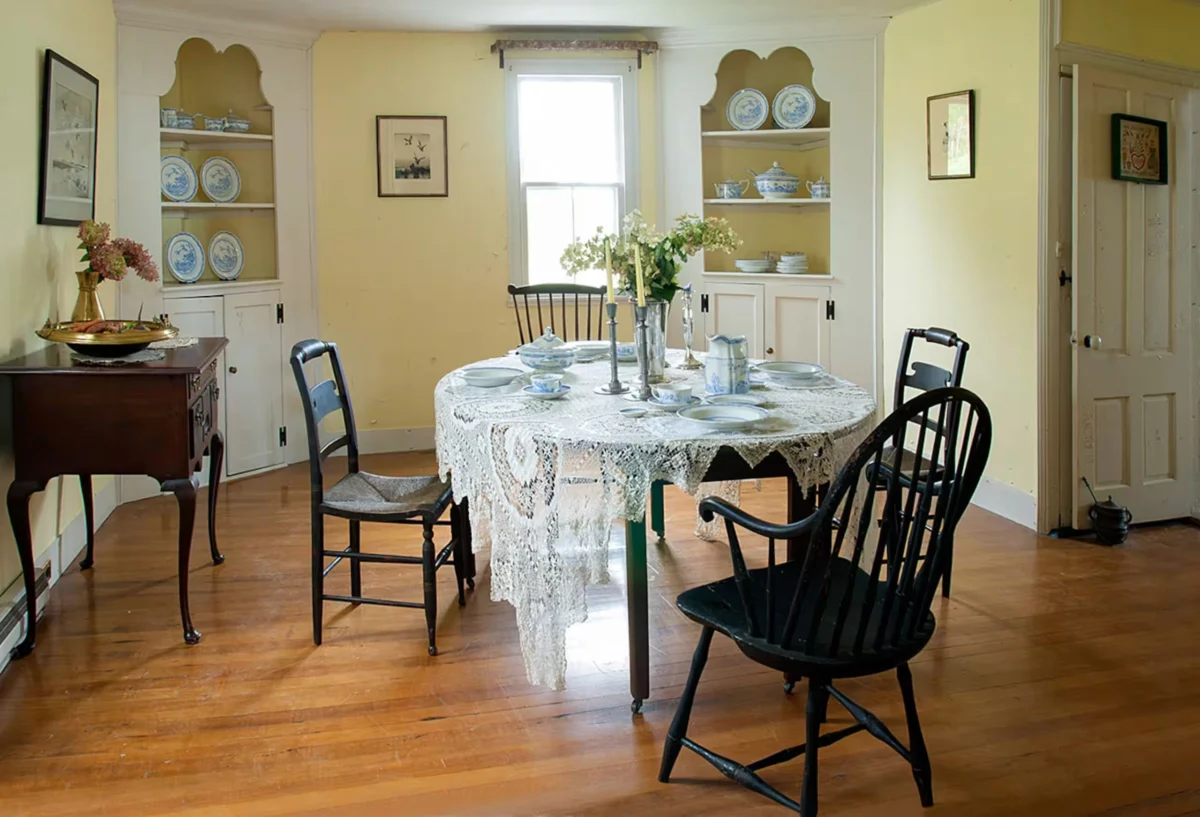
Maine’s tourism landscape is undergoing a significant architectural and economic transformation as high-end short-term rentals begin to rival the state’s traditional historic inns. In a state where the hospitality sector serves as a cornerstone of the regional economy, a new wave of curated, design-forward properties is redefining the "Pine Tree State" experience. From 18th-century farmhouses once owned by renowned American artists to repurposed industrial hydro stations, these accommodations reflect a broader trend toward experiential travel that prioritizes architectural integrity and local immersion. As remote work becomes a permanent fixture for many professionals, the demand for "amenity-savvy" stays on the Atlantic coast has surged, prompting property owners to blend 19th-century charm with 21st-century infrastructure.
The Historical Context of Maine’s Coastal Architecture
To understand the current state of Maine’s rental market, one must look back to the late 18th and 19th centuries, a period that defined the state’s aesthetic identity. The "shingle style" and the "Cape Cod" farmhouse became the blueprints for coastal living. Today, these structures are being meticulously restored to serve a global audience. A primary example is the Historic North Haven Farmhouse, a seven-bedroom estate dating back to 1795. This property holds significant cultural value, having once been the residence of Frank Benson, a prolific Realist artist and a member of "The Ten," a group of American painters who resigned from the Society of American Artists in 1897.
Benson’s presence in North Haven underscores a long-standing tradition of artists seeking refuge in Maine’s rugged landscapes. The property, spanning 28 acres with a private pier and a clay tennis court, represents the pinnacle of high-capacity luxury rentals. Priced from $1,427 per night, it caters to the growing "reunion" demographic—large groups of families or colleagues seeking communal living spaces that do not sacrifice privacy. The inclusion of a 200-year-old preserved barn alongside modern boat rentals for Penobscot Bay excursions illustrates the hybrid nature of modern Maine tourism: the preservation of history as a backdrop for high-utility leisure.
Industrial Repurposing and Minimalist Design Trends
As the rental market matures, travelers are increasingly seeking unconventional structures. This has led to the emergence of properties like the Minimalist Riverside Retreat, a former hydro station located on the banks of the Sandy River. This property exemplifies the "adaptive reuse" movement in architecture, where industrial buildings are converted into residential or hospitality spaces.
The interior design of such retreats often leans toward the philosophy of Donald Judd, emphasizing spare, thoughtful minimalism and mid-century modern furnishings. This aesthetic shift appeals to a specific subset of travelers—artists, writers, and "digital nomads"—who require a distraction-free environment. By situating these modern interiors within a 20-minute drive of the coast, property owners are able to offer a lower price point (approximately $400 per night) while maintaining the tranquility of a waterfront setting. The sound of trickling water from the former station’s original purpose now serves as an acoustic amenity for those seeking a "flow state" in their creative work.
Supporting Data: The Economic Impact of Short-Term Rentals in Maine
According to the Maine Office of Tourism’s 2023 annual report, the state saw over 15.3 million visitors, generating an estimated $9.1 billion in total economic impact. Short-term rentals (STRs) have become a critical component of this revenue stream. Data from the Maine Revenue Services indicates that lodging tax collections have seen a steady 5% to 8% year-over-year increase in coastal counties such as Knox, Lincoln, and Hancock.
The shift toward high-end Airbnbs is also driven by the "amenity race." Modern travelers are no longer satisfied with simple lodging; they require high-speed Wi-Fi, climate control (AC), and luxury wellness features. This is evidenced by the Contemporary Cabin in the Pines, which features a cedar sauna and an outdoor shower. Located near Reid State Park, this property bridges the gap between traditional "glamping" and luxury residential design. The use of white pine floors and iconic furniture, such as Eames dining chairs and Noguchi rice paper shades, signals to the consumer that the space has been curated by a professional designer, justifying price points that often exceed $450 per night for compact spaces.
The Chronology of Maine’s Hospitality Evolution
The trajectory of Maine’s lodging industry can be divided into four distinct eras:
- The Grand Hotel Era (1880–1920): Large-scale wooden resorts catered to wealthy "rusticators" from Boston and New York.
- The Mid-Century Motel Boom (1940–1970): The rise of the automobile led to a proliferation of roadside motels and simple seaside cottages.
- The Bed and Breakfast Renaissance (1980–2010): Aging Victorian homes were converted into intimate inns, focusing on personalized service.
- The Curated Rental Era (2015–Present): The rise of platforms like Airbnb, coupled with a renewed interest in interior design, has allowed individual homeowners to compete with established hotels by offering unique, architecturally significant stays.
This evolution is best seen in properties like the Secluded Farmhouse with Mountain Views, also known as "Picket Hill Farm." Built in the mid-19th century, it retains the exposed beams and spindle beds of the past but integrates modern bathrooms and television sets. This "historic-lite" approach allows guests to experience the aesthetic of the 1800s without the discomforts of the era.
Regional Analysis: Boothbay Harbor and the Midcoast Identity
The Midcoast region, particularly towns like Boothbay Harbor and Cushing, remains the heart of Maine’s tourism identity. Boothbay Harbor is often cited as a "storybook" destination, characterized by its walkability and maritime heritage. The Storybook Cottage in Boothbay Harbor (starting at $604 per night) utilizes the "cottagecore" aesthetic—a design movement that romanticizes rural life—to attract younger, design-conscious travelers.
Conversely, the town of Cushing offers a more rugged, family-oriented experience. The Family-Friendly Cabin in Cushing highlights a strategic shift in the market: properties designed specifically for multi-generational travel. By including amenities such as a cedar hot tub, a ping pong table, and an indoor swing, owners are targeting the "chaotic yet blissful" family vacation segment. The proximity of these rentals to iconic seafood shacks and puffin tour launch points ensures that the local economy benefits from the high turnover of guests staying in these private residences.
Official Responses and Community Implications
The rapid growth of high-end short-term rentals has not been without controversy. Local planning boards in towns like Bar Harbor and Portland have faced pressure to regulate STRs to protect the year-round housing stock. However, industry advocates argue that these rentals provide necessary income for property owners to maintain historic structures that might otherwise fall into disrepair.
In a statement regarding the impact of seasonal rentals, a representative from a Midcoast economic development council noted: "The influx of visitors to these high-design properties brings a sophisticated consumer to our small towns. These are individuals who frequent our gourmet pizza shops, breweries, and art galleries, providing a vital lifeline to local entrepreneurs outside of the peak summer months."
Broader Impact and Future Outlook
The trend toward design-centric Maine stays suggests a permanent shift in how the East Coast’s most beautiful landscapes are consumed. As travelers prioritize "amenity-savvy" and "well-designed" spaces, the barrier between residential life and hospitality will continue to blur. The success of these Airbnbs indicates that the modern traveler is willing to pay a premium for a curated experience that feels both authentic to Maine’s history and aligned with contemporary luxury standards.
Looking forward, the integration of wellness features—such as the saunas and hot tubs found in the Cushing and Reid State Park properties—will likely become standard requirements for high-end listings. Furthermore, the focus on "creative flow states" and remote work capabilities will ensure that Maine remains a year-round destination rather than a purely seasonal one. As the Pine Tree State continues to attract those looking to "unplug" in style, the architectural heritage of the region will remain its greatest asset, preserved through the lucrative lens of the modern short-term rental market.
