

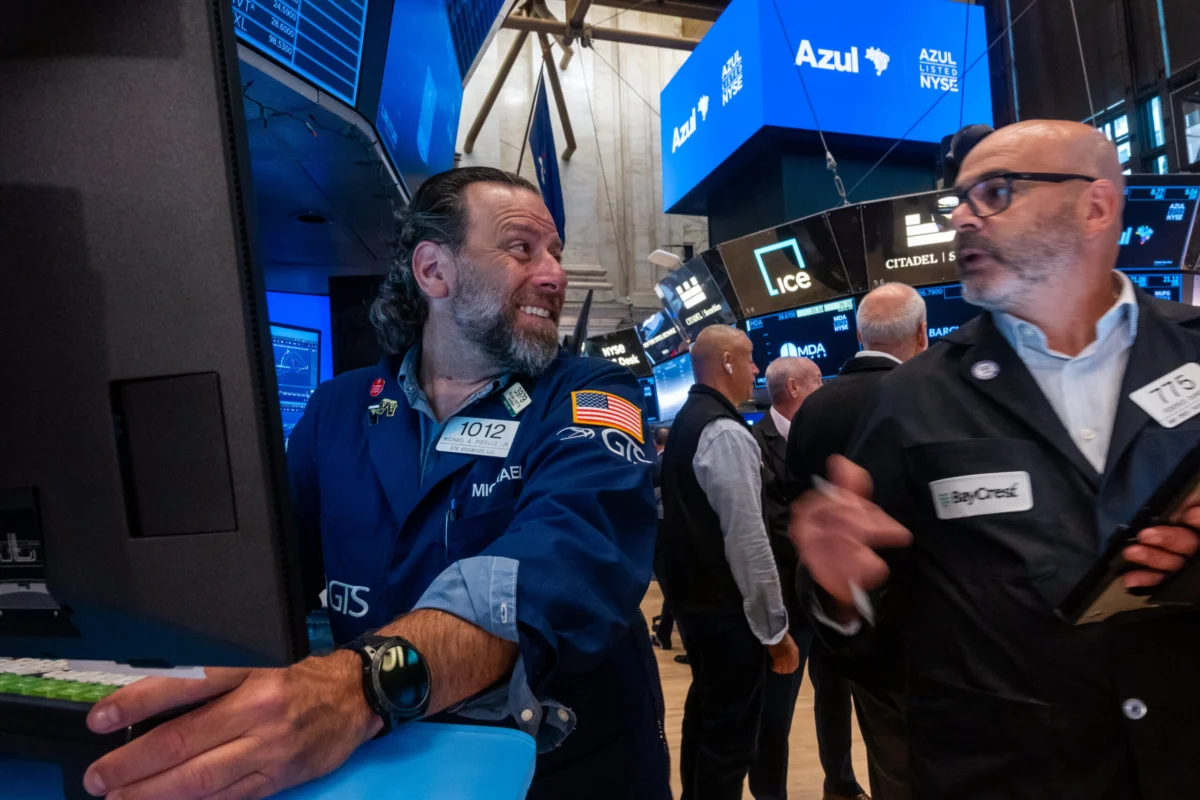
In an increasingly interconnected global economy, the reliability and timeliness of financial information are paramount. The foundational principles governing the dissemination of market data and business news are often encapsulated within the operational frameworks of leading media entities, reflecting a commitment to accuracy, transparency, and legal compliance. Organizations such as CNBC, a flagship brand under the ownership of Versant Media, LLC, alongside critical data providers like Reuters, form the bedrock of this intricate ecosystem. Their public disclaimers and corporate structures, though often relegated to the digital footers of their platforms, underscore the complex interplay of technology, journalism, and regulatory oversight that defines contemporary financial reporting.
The Architecture of Financial News Delivery: CNBC, Reuters, and Versant Media
At the heart of global financial information lies a network of media conglomerates and data providers, each playing a distinct yet interconnected role. CNBC, globally recognized for its comprehensive coverage of business and financial markets, operates under the corporate umbrella of Versant Media, LLC. This ownership structure, typical in the modern media landscape, allows for strategic integration and resource allocation across various media assets. Versant Media, LLC, as the stated owner of the content and brand identity for CNBC, assumes the significant responsibility for the journalistic standards and operational integrity of its affiliated entities. This includes adherence to rigorous editorial policies, technological infrastructure maintenance, and legal frameworks governing media operations.
The symbiotic relationship between financial news outlets and data providers is critical. While CNBC delivers analysis, interviews, and breaking news, the raw, factual market data that underpins much of this reporting often originates from specialized agencies. Reuters, an iconic name in global news and financial information, stands as a primary provider of real-time market data, news feeds, and analytics to a vast array of institutional and individual clients worldwide. The integration of Reuters’ data into platforms like CNBC ensures a consistent, authoritative source of numerical information, ranging from stock quotes and bond prices to commodity futures and currency exchange rates. This partnership is essential for maintaining the factual bedrock upon which all financial commentary and analysis are built. The collaboration between a content aggregator like CNBC and a raw data supplier like Reuters exemplifies the multi-layered process through which financial intelligence reaches the end-user, often requiring intricate licensing agreements and robust data infrastructure.
The Imperative of Timeliness and Accuracy in Market Data
A cornerstone of financial information dissemination is the nuanced distinction between real-time and delayed data, a critical factor for market participants. The common disclaimer, "Data is a real-time snapshot *Data is delayed at least 15 minutes," highlights a fundamental operational and commercial reality in the financial information industry. For professional traders, institutional investors, and algorithmic trading systems, access to genuine real-time data—often delivered in milliseconds—is non-negotiable, directly impacting trading strategies, arbitrage opportunities, and risk management. These high-speed participants often subscribe to premium data feeds that bypass the typical public delays, paying substantial fees for direct access to exchange data streams.
The 15-minute delay typically applies to publicly available data on many financial news websites and free platforms. This delay serves multiple purposes: it protects the proprietary value of real-time data, which is a significant revenue stream for exchanges and data vendors; it manages the immense bandwidth and infrastructure costs associated with truly instantaneous data dissemination; and it provides a buffer for general investors, for whom instant reaction to every market flicker is less critical than for professional traders. While a 15-minute delay might seem insignificant in other contexts, in fast-moving financial markets, it can mean the difference between profit and loss, especially during periods of high volatility or significant news events. For example, during flash crashes or rapid market rallies, prices can swing dramatically within seconds, rendering data even a few minutes old largely historical for immediate trading decisions. The proliferation of high-frequency trading (HFT) firms, which execute millions of trades per second, further underscores the demand for microsecond-level data latency, often requiring co-location of servers directly within exchange data centers.
Navigating Legal and Ethical Landscapes: Terms of Use and Disclaimers
The intricate web of financial data also necessitates a robust legal and ethical framework, primarily articulated through "Market Data Terms of Use and Disclaimers." These documents are not mere formalities but critical legal instruments that govern the rights and responsibilities of both data providers and consumers. They typically address issues such as:
- Intellectual Property Rights: Clarifying that the data and content are copyrighted and proprietary, restricting unauthorized reproduction, redistribution, or resale.
- Accuracy and Completeness: While providers strive for accuracy, disclaimers often state that data is provided "as is" and without warranty, protecting the provider from liability for errors or omissions that might occur despite best efforts, particularly given the dynamic nature of market information.
- Liability Limitations: Setting boundaries on the financial responsibility of the data provider for any losses incurred by users relying on the information. This is crucial given the potential for massive financial implications based on market data.
- Permitted Use: Specifying how the data can and cannot be used, differentiating between personal, non-commercial use and professional, commercial applications.
- Jurisdiction: Defining the legal jurisdiction under which disputes would be resolved.
These terms are vital for maintaining the integrity of the data ecosystem and managing user expectations. For instance, in 2010, the U.S. Securities and Exchange Commission (SEC) imposed a significant fine on a major exchange for issues related to market data access and fairness, highlighting the regulatory scrutiny over data dissemination practices. Such disclaimers also serve as a protective shield against potential litigation stemming from the inherent volatility and unpredictability of financial markets. The "Data also provided by Reuters" clause further reinforces the chain of accountability and the reliance on third-party data sources, each with their own set of terms and conditions.
A Chronology of Financial Information Dissemination
The journey of financial news and data delivery has undergone a transformative evolution, mirroring advancements in communication technology.
- 19th Century – The Ticker Tape Era: The invention of the stock ticker in 1867 revolutionized financial information, providing a near real-time stream of stock prices to brokerages and wealthy investors. Before this, prices were communicated manually or by telegraph, often with significant delays.
- Early to Mid-20th Century – Print and Radio: Newspapers became primary conduits for end-of-day market summaries, while radio offered occasional updates. Manual charting and analysis were the norm.
- Late 20th Century – Television and Dedicated Terminals: The advent of cable television in the 1980s, exemplified by the launch of CNBC in 1989, brought continuous financial news into homes and offices. Concurrently, professional terminals like those offered by Bloomberg and Reuters became indispensable for institutional players, providing sophisticated data analytics and real-time feeds. These terminals were prohibitively expensive for most individual investors.
- 21st Century – The Internet and Mobile Revolution: The widespread adoption of the internet in the late 1990s and early 2000s democratized access to financial information. Websites offered delayed quotes for free, eventually evolving into sophisticated platforms with charts, news, and analysis. The subsequent smartphone revolution made financial data and news accessible anytime, anywhere, transforming investor behavior and market participation. Today, countless apps provide varying levels of real-time or delayed data, often integrating social media feeds and AI-driven analysis.
This chronology underscores a consistent trend: increasing speed, accessibility, and analytical depth, albeit often with cost-tiered access to the fastest and most comprehensive data. The challenge for providers remains balancing the need for broad public information with the proprietary value of cutting-edge real-time data.
The Business of Global Business and Financial News
The operation of a global financial news empire, such as that overseen by Versant Media, LLC, is a complex business endeavor driven by multiple revenue streams and significant operational costs.
- Advertising Revenue: A primary source for free-to-access platforms, derived from commercials on television broadcasts and digital advertisements on websites and apps.
- Subscription Models: Premium content, real-time data access, and specialized analytical tools often fall under subscription services for professional and dedicated retail investors.
- Data Licensing: The provision of raw market data to other financial institutions, software developers, and media outlets is a major revenue stream for entities like Reuters.
- Syndication and Partnerships: Licensing content and brand names to international partners or other platforms.
Maintaining the infrastructure for global news gathering, satellite uplinks, data centers, cybersecurity, and a vast network of journalists and analysts represents a substantial ongoing investment. The competitive landscape forces continuous innovation in content delivery, data visualization, and user experience. Furthermore, the imperative to remain profitable must be carefully balanced with the journalistic commitment to objectivity and public trust, especially during periods of economic uncertainty or market volatility. The financial media industry, with its significant impact on economic sentiment and investor behavior, often faces scrutiny from regulators and the public regarding its reporting practices and potential conflicts of interest.
Broader Implications for Investors and the Global Economy
The robust frameworks and disclaimers embedded within the operations of leading financial news and data providers have profound implications for individual investors, institutions, and the broader global economy.
- Informed Decision-Making: The availability of timely and reliable data, even if delayed for public consumption, empowers millions of investors to make more informed decisions, fostering greater participation in capital markets. However, understanding the caveats, such as the 15-minute delay, is crucial for managing expectations and risk.
- Market Transparency: The aggregated news and data from sources like CNBC and Reuters contribute significantly to market transparency, allowing for price discovery and reducing information asymmetry, which is vital for efficient market operation. Regulatory bodies globally, like the SEC in the U.S. or the Financial Conduct Authority (FCA) in the UK, actively monitor market data dissemination to ensure fairness and prevent manipulation.
- Regulatory Compliance: The "Market Data Terms of Use and Disclaimers" serve as a vital tool for compliance, setting the rules for data usage and intellectual property, thereby protecting the intricate legal frameworks that underpin financial markets. Violations can lead to severe penalties, reflecting the seriousness with which data integrity is treated.
- Combating Misinformation: In an age rife with online misinformation, credible sources like CNBC, backed by established data providers, play a critical role in providing verified facts and expert analysis, counteracting rumors and speculative narratives that can destabilize markets.
- Technological Advancement: The constant demand for faster, more comprehensive data drives innovation in data processing, network infrastructure, and cybersecurity, benefiting not only the financial sector but also broader technological development.
The operational details, often quietly present in the digital footer of a global news outlet, are far more than mere legal boilerplate. They represent the foundational agreements, responsibilities, and technological underpinnings that enable the flow of critical financial intelligence. The commitment to providing "Global Business and Financial News, Stock Quotes, and Market Data and Analysis," while carefully delineating the terms of that provision, underscores the essential role these entities play in maintaining an informed investor base and a transparent global financial system. The continuous evolution of these practices ensures that trust remains paramount in an ever-accelerating digital financial world.
