

For more than half a century, the United States Endangered Species Act (ESA) has served as the world’s gold standard for wildlife conservation legislation. Since its inception in 1973, the act has been credited with preventing the extinction of 99 percent of the species placed under its protection. While it is widely celebrated by biologists and environmentalists as a monumental achievement, the law has increasingly become a flashpoint for political division on Capitol Hill, where debates over economic development, property rights, and federal overreach frequently collide with the mission of preserving biodiversity.
The scale of the ESA’s reach is vast. Over the last 60 years—including the tenure of the ESA and its two legislative predecessors—more than 2,400 plants and animals have been designated as protected species. As of 2024, the vast majority of these species continue to exist, a statistic that proponents cite as definitive proof of the law’s efficacy. However, the path forward for the ESA is complicated by a changing climate, shifting political administrations, and a growing backlog of species awaiting protection.
The Legislative Foundation and the Birth of Modern Conservation
The Endangered Species Act was not an isolated piece of legislation but rather the culmination of a decade of rising environmental consciousness in the United States. The 1960s saw the publication of Rachel Carson’s "Silent Spring" and a growing public alarm over the visible decline of iconic American wildlife. In response, Congress passed the Endangered Species Preservation Act of 1966 and the Endangered Species Conservation Act of 1969. However, these early iterations lacked the "teeth" necessary to mandate federal action or restrict private activities that harmed habitats.
On December 28, 1973, President Richard Nixon signed the current Endangered Species Act into law. At the time, the bill enjoyed overwhelming bipartisan support, passing the Senate 92-0 and the House 390-12. Nixon remarked at the signing that "nothing is more precious than our reach of wildlife" and that the legislation provided the "essential tools" to protect it.
The act transformed conservation from a voluntary effort into a federal mandate. It directed all federal agencies to ensure that their actions—ranging from building dams to issuing drilling permits—did not jeopardize the continued existence of listed species or destroy their critical habitats. Furthermore, it empowered the U.S. Fish and Wildlife Service (FWS) and the National Oceanic and Atmospheric Administration (NOAA) to oversee the recovery of these species through scientific research and habitat management.
Mechanics of Protection: The Listing Process and Critical Habitat
A species can be added to the federal list through two primary classifications: "endangered," meaning the species is in danger of extinction throughout all or a significant portion of its range, or "threatened," meaning the species is likely to become endangered within the foreseeable future.
The process of listing a species is rigorous and can be initiated by the federal agencies themselves or through a petition from any citizen or organization. Once a petition is received, agencies conduct a status review based on five primary factors:
- The present or threatened destruction, modification, or curtailment of its habitat or range.
- Overutilization for commercial, recreational, scientific, or educational purposes.
- Disease or predation.
- The inadequacy of existing regulatory mechanisms.
- Other natural or manmade factors affecting its continued existence.
When a species is listed, the law triggers several immediate protections. Section 7 of the ESA requires federal agencies to consult with FWS or NOAA to ensure their actions do not harm the species. Section 9 prohibits the "take" of endangered species, which is defined broadly to include harassing, harming, pursuing, hunting, shooting, wounding, killing, trapping, capturing, or collecting. In 1982, the law was amended to allow for "incidental take permits" for private landowners, provided they implement a Habitat Conservation Plan (HCP) to mitigate the impact on the species.
Chronology of Major Conservation Milestones
The history of the ESA is marked by dramatic recoveries that have become part of the American cultural fabric.
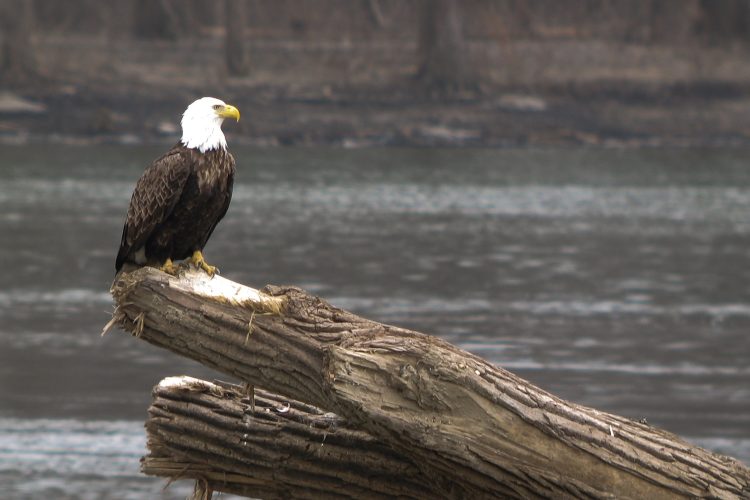
The Bald Eagle (1967–2007): Perhaps the most famous success story, the bald eagle was among the first species protected under the 1966 predecessor act. Dwindling to just 417 breeding pairs in the lower 48 states by 1963 due to habitat loss and the thinning of eggshells caused by the pesticide DDT, the eagle’s survival was in doubt. Following the ban of DDT and decades of ESA-mandated habitat protection, the population surged. By the time it was delisted in 2007, the population had recovered to nearly 10,000 breeding pairs. Today, the U.S. Fish and Wildlife Service estimates the population exceeds 300,000 individuals.
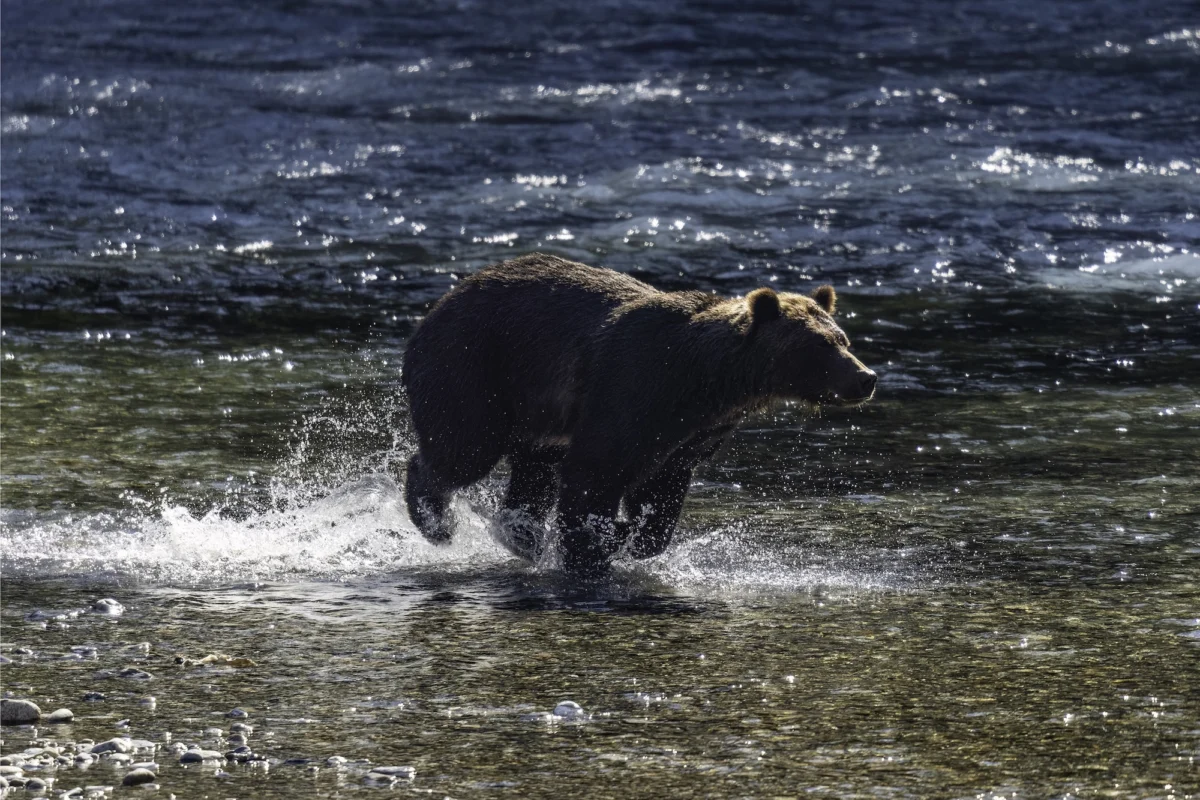
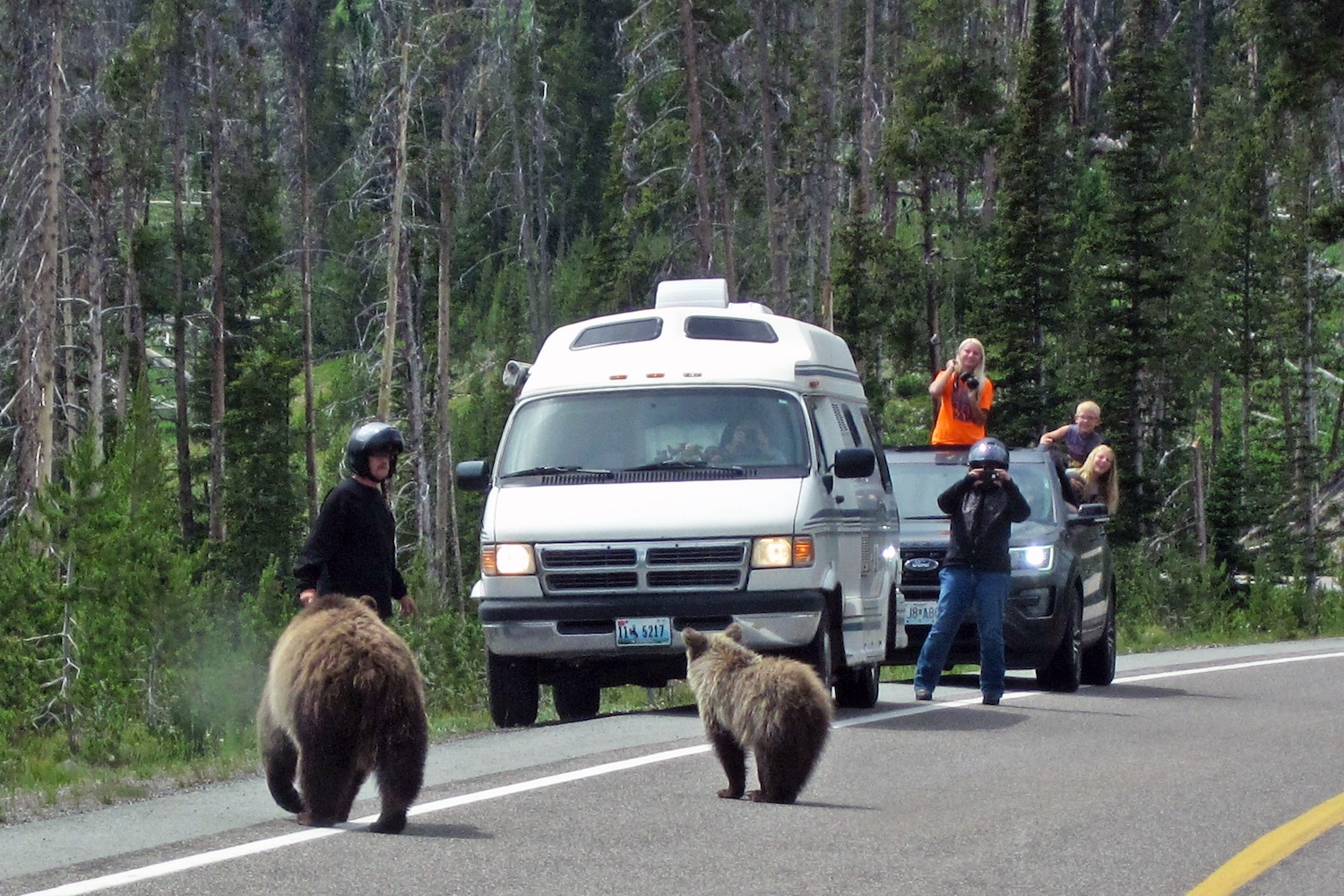
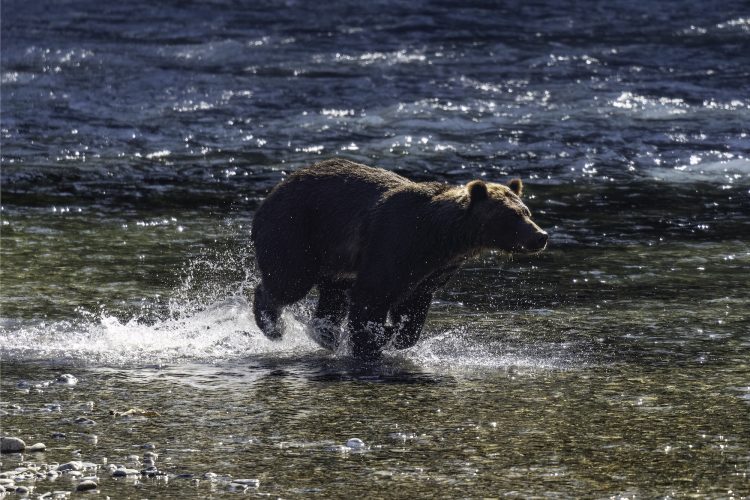
The Grizzly Bear (1975–Present): Listed as threatened in 1975, the grizzly bear once roamed across most of the western United States. By the mid-20th century, they were confined to less than 2 percent of their historic range. In the Greater Yellowstone Ecosystem, the population has grown from an estimated 136 bears at the time of listing to over 700 today. While the grizzly remains a subject of intense debate regarding its delisting status, the population growth within recovery zones is viewed as a landmark biological success.
The American Alligator (1967–1987): Once hunted to the brink of extinction for its hide, the American alligator was listed in 1967. The protection of the ESA allowed the species to rebound so rapidly that it was declared fully recovered in 1987. It now thrives across the southeastern United States, with a population in the millions.
Global Reach and International Cooperation
The ESA’s influence extends beyond U.S. borders. The act serves as the domestic implementing legislation for the Convention on International Trade in Endangered Species of Wild Fauna and Flora (CITES), an international agreement between 184 nations. This allows the U.S. to regulate the import and export of species found in other countries, such as African elephants and rhinoceroses.
African elephants were listed under the ESA in 1978. While the U.S. cannot manage habitat in Kenya or Botswana, the ESA allows the federal government to ban the import of ivory and strictly regulate the movement of live animals and "trophies." These measures aim to reduce the economic incentives for poaching. While elephant populations in protected areas have shown resilience, they continue to face overall declines globally due to ivory demand and habitat fragmentation, illustrating the limitations of domestic law on global biological trends.
The "God Squad" and Growing Political Polarization
Despite its initial popularity, the ESA began to face significant political pushback in the late 1970s. The turning point was the 1978 Supreme Court case Tennessee Valley Authority v. Hill, which halted the construction of the nearly completed Tellico Dam to protect a small fish called the snail darter. Chief Justice Warren Burger famously wrote that the "plain intent of Congress in enacting this statute was to halt and reverse the trend toward species extinction, whatever the cost."

In response to the economic concerns raised by the case, Congress amended the act in 1978 to create the Endangered Species Committee, colloquially known as the "God Squad." This high-level committee, composed of cabinet-level officials, has the authority to exempt specific federal actions from the ESA if the regional or national significance of the project outweighs the environmental cost.
In recent years, the use of exemptions and the rolling back of regulations have accelerated. Most notably, the administration of President Donald Trump recently utilized the Endangered Species Committee framework to waive regulations in the Gulf of Mexico for oil and gas operations. This decision was justified as a matter of national security and energy independence. Environmental groups, however, have filed lawsuits to block the move, arguing it places the world’s last 50 Rice’s whales and the critically endangered Kemp’s ridley sea turtle at immediate risk of extinction.
Data Analysis: The Gap Between Survival and Recovery
While the 99 percent survival rate is a powerful statistic, critics of the ESA point to a different metric: the recovery rate. Since 1973, only about 3 percent of listed species have been "delisted" due to full recovery. Proponents argue that recovery is a multi-decade process and that many species were listed only when they were on the very brink of disappearing, making the "stabilization" of their populations a victory in itself.
Furthermore, scientists at the Center for Biological Diversity have raised alarms regarding the "listing backlog." On average, only 32 species are added to the list annually, yet researchers estimate that more than 2,000 species currently meet the criteria for protection but have not yet been processed. This delay is often attributed to chronic underfunding and political interference in the scientific review process.

Implications for the Future of Biodiversity
As the ESA enters its sixth decade, it faces a challenge that its original authors could not have fully envisioned: climate change. Rising sea levels, shifting temperature zones, and more frequent extreme weather events are altering habitats faster than many species can adapt or migrate. The FWS has begun to consider "experimental populations" and "assisted migration" as tools to help species survive in a warming world, but these methods remain controversial.
The legal battles surrounding the ESA also reflect a broader debate about the role of the federal government in land management. In the Western U.S., the listing of species like the sage grouse or the spotted owl can impact millions of dollars in timber, mining, and grazing revenue. This has led to calls for "modernizing" the act—a term that conservationists fear is a euphemism for weakening its core protections.
Despite the friction in Washington, public support for the Endangered Species Act remains remarkably high. Longitudinal studies conducted over the last 30 years consistently show that approximately four out of five Americans support the law, regardless of political affiliation. This enduring popularity suggests that while the methods of the ESA may be debated, the underlying American value of preventing the permanent loss of wildlife remains a rare point of national consensus.
The legacy of the ESA is not merely found in law books, but in the skies over the Mississippi River where eagles soar, and in the forests of the Pacific Northwest where ancient species continue to cling to existence. As the global community grapples with what many scientists call the "sixth mass extinction," the Endangered Species Act stands as a testament to the idea that with enough scientific rigor, legal authority, and public will, the tide of extinction can be turned.
