

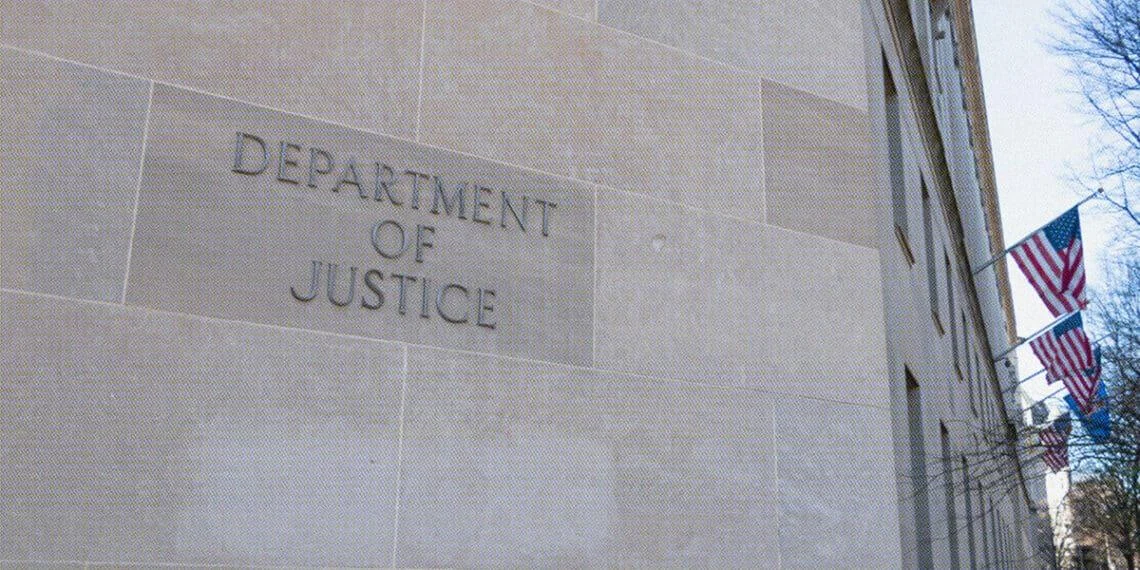
The Department of Justice (DOJ) has unveiled a significant new initiative, the Fraud Oversight through Careful Use of Statistics (FOCUS) program, signaling a strategic shift in how it engages with data miners who file qui tam complaints under the False Claims Act (FCA). Announced on April 30th, this program is designed to refine the DOJ’s approach by prioritizing collaboration with data miners who demonstrate a high degree of analytical rigor, pre-filing diligence, and a deep understanding of program rules and legally sound allegations. This initiative, detailed by Selina P. Coleman, Lesley C. Reynolds, Thomas H. Suddath, Jr., David A. Bender, and Matthew K. Loughran of Reed Smith, suggests a move towards a more selective and quality-driven engagement with these crucial sources of FCA enforcement.
The core of the FOCUS initiative lies in the DOJ’s invitation to data miners to engage directly with its Civil Fraud Section. These meetings are intended to allow data miners to showcase their analytical capabilities and to articulate precisely how their data mining methodologies reliably identify fraudulent activities. While these discussions are not a mandatory prerequisite for filing a qui tam complaint, the DOJ has explicitly stated that it will give preferential consideration to data miners who can prove their investment in thorough pre-filing research, their commitment to analytical precision, their familiarity with the intricacies of relevant government programs, and their ability to craft legally sufficient allegations. This approach underscores the DOJ’s objective to optimize its enforcement resources by focusing on the most promising and well-supported whistleblower claims.

The introduction of the FOCUS initiative is a clear indication that data miner-driven qui tam actions are not a fleeting trend but a sustained and evolving component of FCA enforcement. The program aims to elevate the quality and effectiveness of these filings, ultimately leading to more successful outcomes in combating fraud against the government.
The DOJ’s Strategic Filtering of Unsuccessful Cases
In recent years, the DOJ has witnessed an unprecedented surge in the number of False Claims Act qui tam complaints. This trend has been significantly fueled by the increasing involvement of data miners, who have become a vital source of information for the government. According to the DOJ’s own pronouncements accompanying the FOCUS initiative, the agency received a record-breaking 1,300 FCA qui tam complaints in fiscal year 2025. The momentum has continued into fiscal year 2026, with over 780 such complaints already filed by the date of the announcement.

Data miners have been instrumental in this dramatic increase, accounting for more than 45% of all qui tam complaints filed since fiscal year 2024. However, the DOJ has also observed a disparity in success rates. Data derived from FCA settlements and judgments indicate that, on average, qui tam complaints initiated by data miners have a lower overall success rate when compared to cases directly pursued by the DOJ. While this difference is not entirely unexpected, given the DOJ’s access to non-public information and extensive investigative powers, the department believes that data miners can substantially improve the quality and success of their claims. The key, according to the DOJ, lies in the precise application of focused data analytics that can identify unambiguous signals of fraud with a high degree of correlative certainty.
Guidance and Expectations for Relators and Counsel
To ensure the efficient allocation of its enforcement resources, the DOJ is making a concerted effort to prioritize high-quality actions brought forth by data miners. In this vein, the department has provided essential guidance to relators and their legal counsel who intend to leverage data mining techniques in their qui tam cases. This guidance, while not exhaustively detailed in the initial announcement, is understood to encompass several critical areas:

- Data Integrity and Validation: Relators are expected to demonstrate that the data they utilize is accurate, reliable, and has undergone rigorous validation processes. This includes understanding the provenance of the data and the methods used to clean and process it.
- Analytical Rigor: The FOCUS initiative emphasizes the importance of sophisticated analytical techniques. Relators must be able to explain the statistical models, algorithms, and methodologies employed to identify patterns indicative of fraud. Mere identification of anomalies is insufficient; a clear causal link to fraudulent conduct must be established.
- Programmatic Familiarity: A deep understanding of the specific government programs being defrauded is crucial. This includes knowledge of program rules, regulations, payment mechanisms, and common areas of non-compliance or abuse. Relators who can demonstrate this expertise are more likely to identify actionable fraud schemes.
- Pleading Standards: FCA litigation, particularly qui tam cases, is subject to heightened pleading requirements, often referred to as the "plausible pleading" standard. Relators must ensure their complaints meet these exacting standards, providing specific factual allegations that support the claim of fraud, rather than relying on broad generalizations.
- Correlation to Fraud: The most critical element is the ability to demonstrably link data signals to actual fraudulent activity. This requires moving beyond identifying statistical outliers to constructing a narrative and providing evidence that substantiates the commission of fraud, such as false claims submitted for payment, kickbacks, or the provision of substandard goods or services.
- Pre-Filing Diligence: The DOJ is signaling a strong preference for relators who have conducted extensive due diligence before filing a lawsuit. This includes thorough investigation, evidence gathering, and legal analysis to ensure the claim is well-founded and has a reasonable prospect of success.
The DOJ’s proactive guidance aims to equip data miners and their legal teams with the necessary tools and understanding to file stronger, more defensible cases from the outset. This approach is designed to reduce the number of frivolous or poorly substantiated claims that can burden the court system and distract from genuine instances of fraud.
Key Takeaways for FCA Targets and the Broader Landscape
The introduction of the DOJ’s FOCUS initiative carries significant implications for entities that are potential targets of False Claims Act litigation. While the initiative clearly signals that data miner relators are an enduring force in FCA enforcement and that their filings are likely to become more sophisticated, several key takeaways emerge for defendants:

- Increased Scrutiny of Relators: The FOCUS initiative suggests a deliberate move by the DOJ away from collaborating with what might be termed "unsophisticated" data miner relators, particularly those perceived as using the FCA primarily as a vehicle for speculative financial gain without a robust evidentiary foundation. The DOJ will likely subject these relators to closer scrutiny, shifting its focus towards partnerships with those who demonstrate a clear understanding of the FCA’s heightened pleading requirements and can consistently and reliably correlate their data analyses to substantiated claims of fraud.
- More Sophisticated Litigation: For FCA defendants, this shift could translate into facing more complex and well-researched cases. These sophisticated complaints may be harder to dismiss on procedural grounds, such as failing to plead fraud with the requisite specificity. The data-driven nature of these allegations, coupled with a deeper understanding of program rules, could present a more formidable challenge in the early stages of litigation.
- The Public Disclosure Bar as a Defense: Despite the increasing sophistication of qui tam filings, the FOCUS initiative also indirectly highlights potential defense strategies for FCA defendants. In certain circumstances, the FCA’s public disclosure bar can serve as a critical defense. This provision may bar FCA cases predicated on publicly disclosed information, especially if the government does not intervene in the action. If a data miner’s findings are derived from publicly available information and the government chooses not to join the suit, defendants may have grounds to move for dismissal based on this bar. This underscores the importance for defendants to vigilantly monitor public disclosures and to understand how their own data and compliance practices might intersect with potential whistleblower claims.
- Emphasis on Proactive Compliance: The increased focus on data analytics and sophisticated fraud detection by the DOJ indirectly emphasizes the importance of robust proactive compliance programs for businesses. Companies that invest in strong internal controls, regular data audits, and comprehensive compliance training are better positioned to prevent fraud and to respond effectively if allegations arise. The ability to demonstrate a commitment to compliance can be a powerful mitigating factor in any FCA investigation or litigation.
- Evolving Enforcement Landscape: The FOCUS initiative represents a natural evolution in the DOJ’s approach to combating fraud. As data mining technology advances and its application in whistleblower litigation becomes more widespread, the DOJ is adapting its strategies to harness the potential of this information while ensuring the integrity and efficiency of its enforcement efforts. This ongoing evolution requires continuous awareness and adaptation from both potential whistleblowers and the entities they may target.
Background and Context of the False Claims Act
The False Claims Act, first enacted in 1863 during the Civil War to combat fraud by government contractors, has become one of the federal government’s most powerful tools for recovering money lost to fraud. Its qui tam provisions, added in 1986, allow private citizens with knowledge of fraud against the government to file lawsuits on behalf of the United States. These "whistleblowers," known as relators, can receive a portion of the recovered funds, typically between 15% and 30%, serving as a significant incentive for coming forward.
The FCA has been particularly effective in the healthcare sector, where complex billing and coding practices create numerous opportunities for fraudulent activity. Government programs like Medicare and Medicaid involve billions of dollars in payments annually, making them prime targets for schemes involving false billings, kickbacks, and the provision of medically unnecessary services or substandard products.

The rise of sophisticated data analytics has transformed the landscape of FCA litigation. Data miners, often equipped with advanced technological tools and analytical expertise, can sift through vast datasets to identify anomalies and patterns that may indicate fraudulent conduct. This has led to an increase in the volume and complexity of qui tam filings, prompting the DOJ to refine its strategy for engaging with these sources of information, culminating in the FOCUS initiative.
The DOJ’s commitment to combating fraud remains a cornerstone of its mission. The FOCUS initiative represents a strategic adaptation to the evolving methods of fraud detection and prosecution, aiming to enhance the effectiveness and efficiency of its efforts to protect taxpayer dollars. By focusing on quality, analytical rigor, and pre-filing diligence, the DOJ seeks to ensure that its partnerships with data miners yield the most impactful results in the ongoing fight against fraud.
This article was originally published on Reed Smith’s site and is adapted here with permission. The authors, Selina P. Coleman, Lesley C. Reynolds, Thomas H. Suddath Jr., David A. Bender, and Matthew K. Loughran, are partners and a health policy analyst at Reed Smith, bringing extensive experience in healthcare litigation and regulatory matters.
