

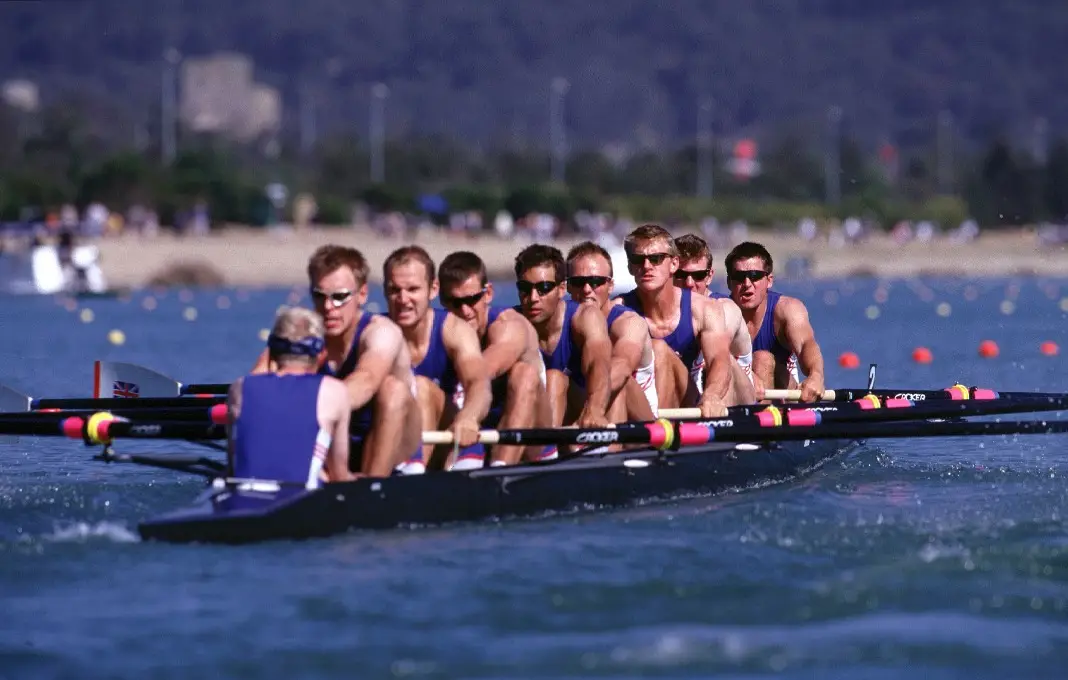
The improbable ascent of the British Men’s Eight rowing team from perennial also-rans to Olympic gold medalists at the Sydney 2000 Games was not a tale of sudden, seismic breakthroughs. Instead, it was the meticulously engineered outcome of hundreds of individual choices, each precisely calibrated and consistently executed, all aligned towards a singular, unwavering objective: winning gold. This journey, marked by years of finishing seventh and eighth, offers a profound blueprint for leaders across all sectors, demonstrating that sustained success is forged not from extraordinary talent alone, but from a radical transformation in how a team collaborates, executes, and perceives its purpose.
The narrative of the British Eight’s triumph is a compelling case study in the power of a shared operating system, driven by an almost fanatical obsession with teamwork and disciplined execution. This transformation, spearheaded by individuals like Ben Hunt-Davis, shifted the team’s focus from the abstract pursuit of talent to the tangible, actionable processes that would propel them forward. Their famously simple guiding principle, "Will it make the boat go faster?" became the ultimate arbiter of every decision, a powerful filter that cut through complexity and ensured unwavering focus.
From Ambition to Unwavering Alignment: The Foundation of Transformation
Every significant organizational shift begins with a fundamental choice, a conscious decision to redefine ambition and translate it into collective action. For the British rowing squad, this wasn’t about discovering a hidden reservoir of exceptional talent. Rather, it was a deliberate, and at times arduous, recalibration of their collective mindset. As Hunt-Davis recounted, the initial phase involved a profound agreement that merely participating in the Olympics was insufficient. They needed a grander, more potent mission that would ignite their efforts and forge a cohesive unit.
The coach played a pivotal role in this nascent stage, acting as a visionary who "painted a picture of what the future could look like." This evocative imagery served as the catalyst for change, providing a tangible destination that transcended the daily grind of training. Crucially, this shift in belief was not instantaneous. Hunt-Davis emphasized the necessity of "whole lots of conversations," a sustained dialogue that gradually steered the team’s perspective from a tentative "we might be able to" to an unshakeable "we will do this."
This mirrors a common challenge in the corporate world. Many organizations already possess competent individuals, yet they falter due to a lack of a compelling, shared vision or a team that is truly unified in its understanding of the organizational trajectory. For the British rowers, this clearly defined destination provided the essential direction. The subsequent challenge was to identify and prioritize the daily actions that would inexorably lead them to that goal. The implications for business leaders are stark: investing in a shared vision and fostering genuine buy-in can be far more impactful than solely focusing on acquiring new talent. A unified team, rowing in the same direction, can achieve remarkable feats even with existing resources.
Deconstructing Performance: Beyond the Scoreboard’s Siren Song
A cornerstone of Hunt-Davis’s insights is the critical distinction between performance and results. While organizations are often rewarded for outcomes, the true discipline lies in dissecting the underlying processes that drive those results. The British rowing team, like many ambitious groups, had initially become fixated on quantifiable metrics: hit rates, timing benchmarks, and theoretical gold-medal standards. However, their coach steered them towards a more nuanced understanding, emphasizing the intangible yet crucial elements that underpinned speed.
"What we’re looking for is a feel. We’re looking for a rhythm," Hunt-Davis explained. This shift meant that each training session was not judged solely on its speed, but on the quality of the execution – the synchronized effort, the power transfer, and the collective rhythm that ultimately produced that speed. This approach is not merely anecdotal; it is supported by robust academic research. A meta-analysis published in the International Review of Sport and Exercise Psychology found that process goals, which focus attention on controllable actions, can exert a stronger positive influence on performance than outcome goals.
In a business context, this translates to the difference between obsessing over quarterly revenue figures and focusing on improving the quality of client conversations, enhancing decision-making processes, fostering innovation, or strengthening customer relationships. By prioritizing the "ingredients that produce speed," the British team unlocked a more sustainable and controllable path to success. This shift in focus allows teams to identify and refine the critical levers of performance, rather than being solely beholden to the vagaries of final outcomes.
The Power of a Single Question: A Filter for Clarity and Focus
In the relentless pursuit of ambitious goals, high-performing teams require a robust decision-making filter. For the British Eight, this was the deceptively simple yet profoundly effective question: "Will it make the boat go faster?" This query served as an indispensable tool for cutting through competing priorities and departmental silos. Hunt-Davis observed that many leadership teams struggle because individual functions often optimize for their own metrics – sales for revenue, marketing for awareness, HR for retention, and finance for margin. The challenge, he argued, is to establish a "north star" that transcends these departmental scorecards.
"What’s most important is boat speed," Hunt-Davis articulated. "We worked really hard on decision-making, on trying to make better decisions based on the information available and getting alignment around it." This commitment to rigorous decision-making involved a discipline of regularly challenging assumptions, agendas, and proposed activities, rather than accepting them at face value.
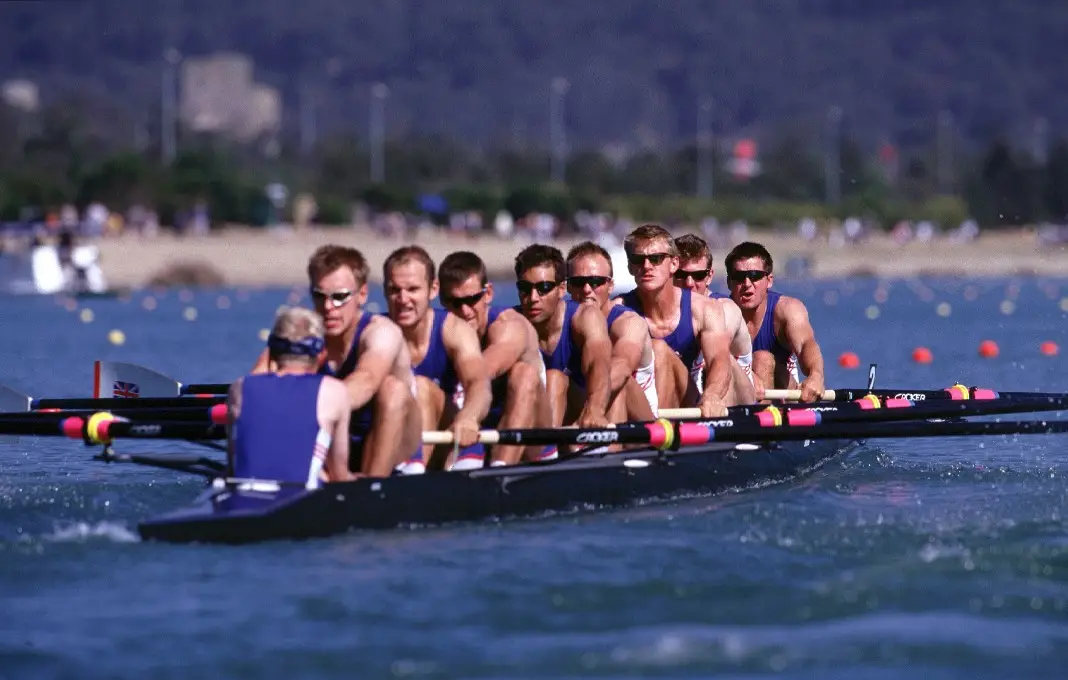
A critical distinction was made between discussions and decisions. A discussion, no matter how thorough, only gains significance when it culminates in a commitment to action. As Hunt-Davis succinctly put it, "I will do it whether I like it or not." This highlights the vital importance of commitment and accountability in translating deliberation into tangible progress. Many organizations, he suggested, are not suffering from a lack of work but from an excess of "drift," a diffusion of effort and purpose. The "boat speed" question acts as an antidote to this drift, providing a consistent anchor for decision-making and ensuring that every action contributes to the overarching objective.
Making the Rules Real: Translating Principles into Behavior
A clear decision filter provides direction, but this clarity only translates into sustained performance when it demonstrably shapes everyday behavior. Many organizations display corporate values prominently on their walls, yet these principles often remain abstract ideals, rarely influencing the daily actions of employees. The British rowing crew, in contrast, developed and continuously refined explicit team rules that governed their conduct, accountability, professionalism, and focus.
"They developed with us," Hunt-Davis explained, underscoring the participatory nature of this process. "Having the same understanding and the same expectations is really important." Rather than viewing these rules as mere compliance requirements, the crew embraced them as a shared language, a common framework that defined what "good" looked like. This shared understanding ensured that everyone was operating from the same playbook, fostering a sense of collective responsibility and mutual expectation.
Research, as highlighted in Forbes, reinforces the impact of such team norms. They serve to reduce ambiguity, accelerate decision-making, and enhance accountability by establishing a clear set of behavioral agreements. Just as a perfectly timed stroke contributes to the overall momentum of the boat, these small, consistent behavioral agreements compound into a significant competitive advantage. The absence of clearly defined and adhered-to operating principles, Hunt-Davis implied, means a business likely lacks any coherent framework for action.
The Imperative of Candor: Feedback as a Catalyst for Improvement
Elite teams are not characterized by the absence of conflict, but by their capacity to engage in rich, constructive feedback. This principle was transformative for the British rowing team. "If you see something that’s not as good as it can be, and you choose to say nothing, you’re choosing to help us lose," Hunt-Davis stated, encapsulating the team’s commitment to open and honest dialogue.
The crew actively engaged in uncomfortable conversations, openly discussed frustrations, proactively sought feedback, and developed the crucial ability to challenge one another without eroding trust. Hunt-Davis repeatedly posed the question during challenging moments: "What’s most important, boat speed or being right?" This fundamental prioritization underscored their dedication to the collective goal over individual ego. The team’s sports psychologist, Dr. Chris Shambrook, and coach, Martin McElroy, were instrumental in nurturing this culture of emotional intelligence, fostering an environment where honest dialogue could flourish.
Research archived in the National Library of Medicine’s PubMed Central repository underscores the role of accountability as an adhesive that binds social and organizational systems. A business culture that perceives feedback as assistance rather than criticism is inherently more conducive to high performance. The silence born of discomfort, the team demonstrated, is often far more costly than the temporary awkwardness of candid conversation. This willingness to engage in direct, constructive feedback creates a continuous loop of improvement, ensuring that potential issues are addressed proactively before they derail progress.
Resilience Under Pressure: Trusting the System
One of the most counterintuitive yet vital lessons from the Sydney Games was the realization that discipline becomes even more critical, not less, as pressure intensifies. In high-stakes environments, the human tendency is often to become distracted, to overreact, to chase fleeting opportunities, and to abandon proven habits. Hunt-Davis’s counsel in such moments was unwavering: "Stick to what we know."
The team dedicated significant effort to preparing for the inevitable distractions of the Olympic arena. They anticipated these challenges, discussed them thoroughly, and cultivated routines robust enough to withstand the intense scrutiny and pressure. This mirrors the experience of businesses navigating significant events such as major acquisitions, complex technology implementations, initial public offerings, or periods of market crisis. The natural inclination might be to innovate or deviate from established practices. However, the winning approach often lies in the exceptional execution of fundamental principles. When pressure mounts, abandoning one’s established operating system is a recipe for disaster. Pressure, as the British Eight demonstrated, does not create character; it reveals the inherent strength and resilience of one’s systems.
The Olympic gold medal was not the result of a singular stroke of genius or a sudden, unforeseen breakthrough. It was the profound and cumulative effect of hundreds of carefully aligned choices, choices that the team diligently practiced, tolerated, challenged, and prioritized on a daily basis. Every leadership team possesses its own version of "boat speed" – the ultimate outcome that should serve as the guiding principle for decisions, behaviors, feedback, and collective effort. The true test of leadership, and indeed organizational effectiveness, lies in the ability to maintain clarity of this objective, particularly when pressure mounts and competing priorities threaten to derail focus.
Therefore, before embarking on the next meeting, initiative, or investment, leaders are urged to embrace the wisdom of the British Men’s Eight and ask themselves the deceptively simple yet profoundly powerful question: "Will it make the boat go faster?" This question serves as a constant reminder that sustainable success is built not on ephemeral flashes of brilliance, but on the unwavering commitment to a shared vision and the disciplined execution of aligned actions. The legacy of the British Eight’s Olympic triumph extends far beyond the realm of sport, offering enduring lessons in the art and science of high-performance leadership.
