

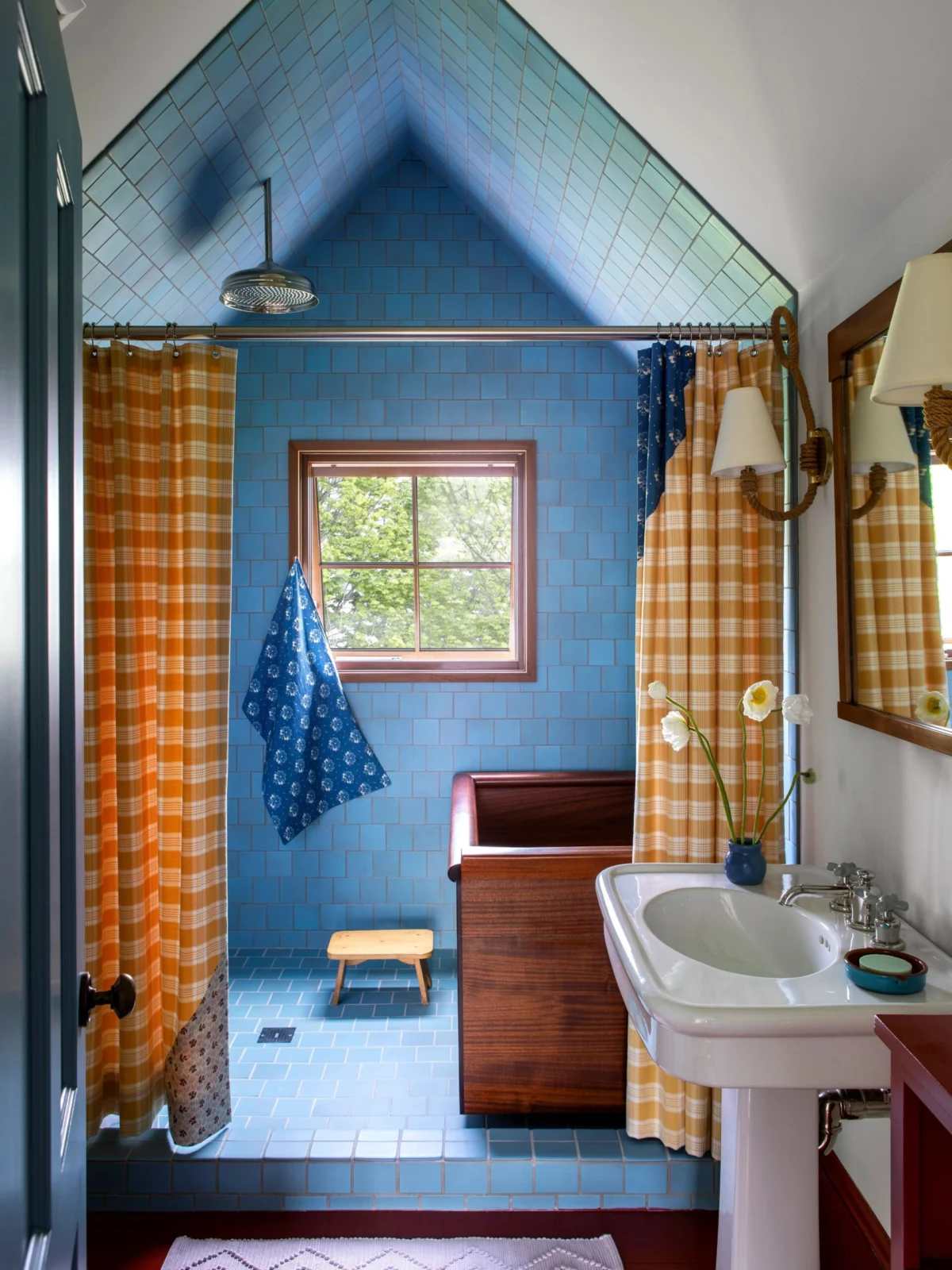
The bathroom interior design market has undergone a significant transformation over the last decade, shifting from a focus on purely functional utilities to the creation of curated, spa-like sanctuaries. Within this evolution, the shower curtain has emerged as a critical element of "visual real estate." As the largest uninterrupted textile in most bathrooms, the shower curtain serves multiple roles: it softens the clinical edges of ceramic tile, introduces essential patterns into otherwise monochromatic spaces, and harmonizes disparate color palettes. High-quality shower curtains now span a diverse design spectrum, ranging from tailored, architectural borders to ethereal, painterly ombre effects, effectively altering the focal point of a room without the necessity of a costly structural renovation.

Market data suggests that the global bathroom accessories market is projected to grow at a compound annual growth rate (CAGR) of approximately 5.2% through 2030. This growth is driven largely by a consumer preference for "micro-renovations"—the practice of updating a room’s aesthetic through high-impact accessories rather than full-scale construction. Industry experts note that the shower curtain is the primary vehicle for this trend, as it offers the most significant aesthetic change for the lowest relative investment.
Technical Considerations in Modern Textile Selection
Choosing a shower curtain requires a sophisticated understanding of material science and interior architecture. Beyond simple color selection, the fabric’s drape, scale, and construction dictate how the piece functions in a high-moisture environment. The modern consumer must navigate a complex landscape of synthetic and natural fibers, each with distinct advantages and maintenance requirements.

Natural fibers, such as organic cotton and linen, are increasingly favored for their breathability and "hand"—the tactile sensation of the fabric. These materials are often treated with water-repellent coatings to mitigate the risks associated with daily exposure to steam. Conversely, high-performance synthetics and advanced plastics like Ethylene Vinyl Acetate (EVA) offer superior mildew resistance and durability. The transition away from Polyvinyl Chloride (PVC) is a notable trend in the industry, as health-conscious consumers seek to avoid the volatile organic compounds (VOCs) and phthalates associated with traditional vinyl curtains.
Leading Design Profiles and Product Innovations
To provide a comprehensive overview of the current market, interior design specialists have identified several top-performing products that represent the pinnacle of modern bathroom aesthetics. These selections are categorized by their specific design influence and material composition.
.jpeg)
Transparency and Spatial Expansion: The Quiet Town Sun Shower
In smaller urban bathrooms, visual clutter can make a space feel claustrophobic. The Quiet Town Sun Shower curtain addresses this by utilizing a translucent EVA plastic. This design choice functions as a "translucent accent wall," allowing light to penetrate the shower stall and creating the illusion of a larger room. Unlike traditional clear liners, these are designed with high-end aesthetics in mind, offering a burst of color while remaining PVC-free and chlorine-free. Testing indicates that these curtains are particularly effective in bathrooms lacking natural light, preventing the "dark cave" sensation common with heavy, opaque fabrics.
Textural Depth: Boll & Branch Organic Cotton Waffle
The "waffle weave" has become a staple of contemporary luxury hospitality design. The Boll & Branch Organic Cotton Waffle Shower Curtain is a prime example of how texture can replace pattern to create interest. This substantial fabric provides a heavy drape that feels permanent and architectural. Because it is ethically sourced and non-toxic, it appeals to the growing demographic of socially conscious homeowners. Designers often pair this with a washable liner to maintain the pristine white or light gray tones, recommending a bleach treatment every few months to ensure longevity.
.jpeg)
Archival and Global Influences: Autumn Sonata
For consumers seeking a more "layered" or "worldly" aesthetic, the Autumn Sonata Bibi Shower Curtain represents a shift toward heirloom-quality textiles. Drawing inspiration from 19th-century Japanese paper impressions and Indian "sarasa" textiles, this 100% cotton piece is treated for water repellency and mildew resistance. It functions more as a piece of hanging art than a utility, appealing to those who identify as "textile enthusiasts." The inclusion of such intricate patterns allows the bathroom to feel integrated with the rest of a home’s sophisticated decor.
Coastal and Scandinavian Minimalism
The Urban Outfitters Multi-Striped Patterned Shower Curtain and the HAY Check Shower Curtain represent the intersection of comfort and clean lines. The former, made from Oeko-Tex certified cotton, provides a lightweight, breathable texture that contrasts effectively with hard surfaces like stainless steel and acrylic. The latter, a product of the renowned Danish design house HAY, utilizes a structured burgundy grid to bring a Scandinavian architectural sensibility to the space. Both options emphasize quick-drying properties, which are essential for maintaining a hygienic environment in humid climates.
.jpeg)
The Science of Mildew Resistance and Maintenance
The longevity of a shower curtain is determined by its maintenance schedule and the chemical properties of its materials. Daily exposure to soap scum, shampoo residue, and high humidity creates a biological breeding ground for mildew and "brown sludge."
Maintenance Chronology
To maximize the lifespan of a high-end shower curtain, experts recommend the following maintenance timeline:
.jpeg)
- Daily: Fully extend the curtain after each use to allow for maximum airflow and rapid drying. This simple action is the most effective deterrent against mold.
- Weekly: Wipe down the interior liner with a mild cleaning solution to remove soap buildup.
- Monthly to Quarterly: Machine wash cloth curtains on a gentle cycle with mild detergent. For organic cotton or linen, air drying is preferred to prevent shrinkage, although some may require a low-heat tumble.
- Replacing Liners: While fabric curtains can last for years, liners should be replaced as soon as they become stiff, discolored, or retain odors that cannot be removed by washing.
Material Safety: The Shift to PVC-Free Environments
A critical factor in modern bathroom safety is the reduction of VOC off-gassing. Traditional vinyl (PVC) shower curtains are known to release chemicals into the air, particularly when heated by steam. This has led to the rise of PEVA (Polyethylene Vinyl Acetate) and EVA as the industry standards for waterproof liners. These materials are phthalate-free and provide a similar level of water protection without the associated health risks. For those choosing fabric curtains, certifications like OEKO-TEX STANDARD 100 serve as a factual guarantee that the textile has been tested for harmful substances, providing peace of mind for families and sensitive individuals.
Architectural Impact and FAQ
The installation of a shower curtain also offers an opportunity to correct architectural perceived flaws. For example, hanging a curtain rod closer to the ceiling—rather than just above the showerhead—draws the eye upward, creating a sense of height in rooms with low ceilings. This "floor-to-ceiling" approach is a frequent recommendation among AD100 designers.
.jpeg)
Frequently Asked Questions and Industry Standards
- Standard Sizing: The industry standard for a square shower curtain is 72 by 72 inches. However, specialized units may require extra-wide options (up to 108 inches) to accommodate rounded rods or clawfoot tubs.
- Repurposing Regular Curtains: While technically possible, using a window curtain in a shower is discouraged unless it is paired with a heavy-duty waterproof liner. Window curtains lack the reinforced stitching and mildew-resistant treatments necessary for high-moisture environments.
- Hardware Durability: The choice of hooks is often overlooked. Stainless steel or rust-resistant metal hooks with roller-ball mechanisms are preferred over plastic alternatives, as they provide a smoother glide and prevent the tearing of the curtain’s eyelets over time.
Conclusion: The Broader Impact of Aesthetic Utility
The selection of a shower curtain is no longer an afterthought in the realm of interior design. It is a strategic decision that balances health, functionality, and style. By opting for high-quality materials like organic cotton, linen, and EVA plastic, homeowners can improve their daily living experience while contributing to a more sustainable and non-toxic home environment.
As the "renovation-lite" trend continues to dominate the home improvement sector, the shower curtain stands as a testament to the power of thoughtful accessorizing. It proves that significant change does not always require a sledgehammer; sometimes, it only requires a well-chosen textile that respects both the history of design and the requirements of modern science. Through rigorous testing and a focus on durability, the modern shower curtain has secured its place as a cornerstone of the contemporary bathroom.
