

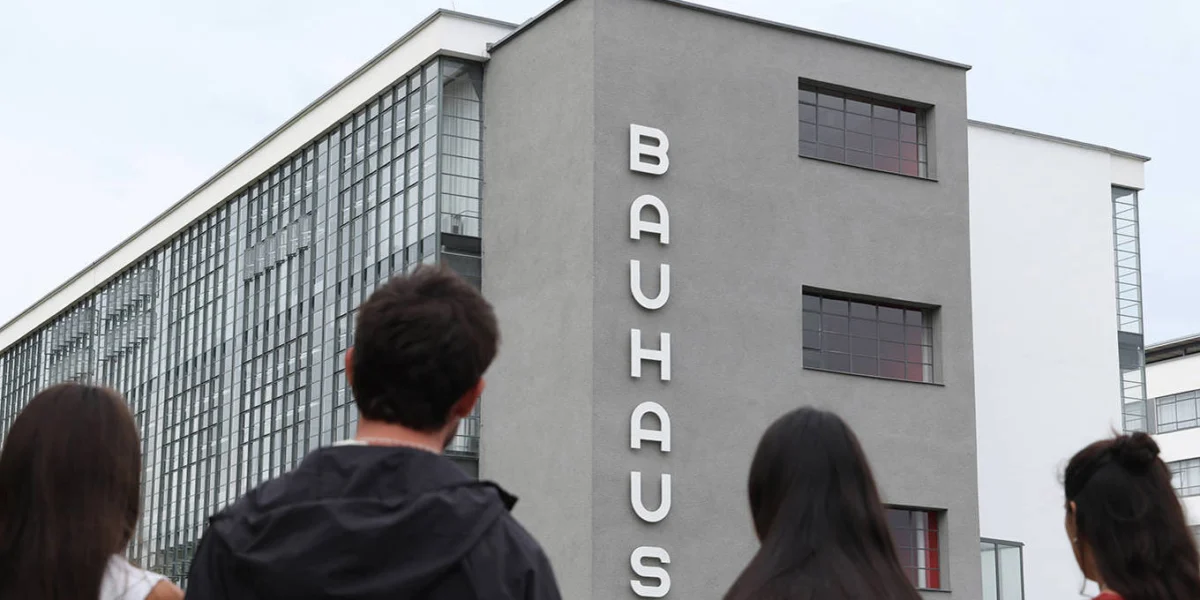
The Alternative for Germany (AfD) party’s pronounced focus on architectural and cultural policy is far more revealing of its underlying agenda than it might initially appear. While cultural policy represents a tangible area where the party can enact change at the state level, it is also intrinsically linked to the exclusionary and nationalistic underpinnings of far-right political movements. This seemingly niche interest serves as a potent tool in the AfD’s broader strategy to reshape Germany’s cultural landscape and, by extension, its national identity, a strategy that is becoming increasingly relevant as the party gains electoral traction.
Shifting Political Landscape and the AfD’s Ascendancy
For the past two years, the AfD has witnessed a consistent and significant surge in its polling numbers across Germany. This electoral success, however, has not yet translated into direct participation in federal governing coalitions. Other established political parties have largely maintained a united front, often referred to as a "firewall," refusing to form alliances with the AfD. This strategy is predicated on the assumption that the AfD will not secure outright majorities in any given election, thus preventing its direct assumption of power. However, the efficacy of this firewall is facing its most significant test yet. The upcoming state election in Saxony-Anhalt this weekend represents a crucial juncture, potentially undermining this barrier and opening new avenues for the AfD’s political influence.
The historical context of the AfD’s rise is important to understanding its current trajectory. Emerging in 2013 initially as an anti-euro currency movement, the party has since undergone a significant ideological evolution. Under the leadership of figures like Frauke Petry and, later, Alexander Gauland and Jörg Meuthen, the AfD progressively shifted its focus towards immigration, national identity, and a critique of what it perceives as liberal cultural dominance. This transformation has allowed it to tap into a vein of public discontent, particularly in former East German states where economic anxieties and a sense of cultural displacement have been more pronounced.
Saxony-Anhalt, in particular, has been a region where the AfD has consistently performed well. Its strong showing in previous elections and the current polling trends suggest a significant possibility of the party becoming a major political force within the state’s parliament. This scenario would place immense pressure on the established parties and could force a re-evaluation of the "firewall" strategy. The implications extend beyond state-level governance, potentially influencing national political discourse and the broader dynamics of German democracy.
The Cultural Front: Architecture as a Political Battlefield
The AfD’s interest in architecture and cultural policy is not a mere aesthetic preference; it is a calculated political maneuver. By focusing on these areas, the party aims to achieve several objectives:
- Reclaiming National Identity: The AfD often frames its cultural agenda as a reclamation of authentic German heritage, which it argues has been diluted or misrepresented by post-war narratives and multicultural influences. Architectural styles, historical preservation, and artistic expressions are seen as crucial battlegrounds for defining what constitutes "true" German culture. This often involves a nostalgic look towards pre-war or even imperial Germany, emphasizing styles and forms that are perceived as embodying national strength and tradition.
- Controlling the Narrative: Cultural policy, including urban planning and heritage designation, offers concrete levers for influencing the physical and symbolic landscape of a region. The AfD can advocate for specific architectural styles in public buildings, influence the curation of museums, and support artistic endeavors that align with its ideological framework. This allows them to shape public spaces and narratives in ways that reinforce their political messaging.
- Mobilizing a Discontented Base: For segments of the electorate who feel marginalized or alienated by contemporary German society, the AfD’s cultural agenda offers a sense of belonging and validation. Their emphasis on traditional values and national pride resonates with those who feel that their cultural identity is under threat.
- Exploiting Decentralized Power: Cultural policy is largely a domain of the federal states in Germany. This decentralized structure provides the AfD with opportunities to gain influence and implement its agenda even without holding federal power. Success in states like Saxony-Anhalt can serve as a blueprint for future cultural policy initiatives elsewhere.
Supporting Data and Trends:
While specific polling data for architectural preferences is not readily available, broader trends in public opinion and AfD policy statements provide context. Surveys consistently show that a significant portion of the German population, particularly in eastern states, expresses dissatisfaction with the pace of social change and anxieties about national identity. The AfD has effectively capitalized on these sentiments.
For instance, AfD party platforms often include calls for:
- Preservation of historic city centers: While seemingly benign, this can often be framed as a resistance to modern, international architectural styles and a preference for what is perceived as traditional German urbanism.
- Support for classical and traditional art forms: This can manifest as criticism of contemporary art deemed too "progressive" or "internationalist."
- Revisiting historical narratives: The AfD has been known to question or downplay certain aspects of German history, particularly those related to the Nazi era, while emphasizing national achievements and heroes.
These policy positions, while seemingly disparate, coalesce around a singular vision: a Germany that is culturally and ethnically homogeneous, rooted in a selective interpretation of its past.
The Saxony-Anhalt Election: A Critical Juncture
The upcoming election in Saxony-Anhalt is particularly significant for several reasons. Historically, the state has been a stronghold for the AfD. In the 2021 state election, the party secured 20.8% of the vote, making it the second-largest party in the Landtag (state parliament). Current projections and polling from reputable German research institutes, such as Infratest dimap and Forschungsgruppe Wahlen, indicate a further strengthening of the AfD’s position. Some polls suggest the AfD could emerge as the strongest party in Saxony-Anhalt in this upcoming election, a development that would have profound implications for coalition building and the established political order.
Chronology of AfD’s Electoral Performance in Saxony-Anhalt:
- 2013: AfD founded.
- 2016 State Election: AfD enters the Saxony-Anhalt Landtag with 24.3% of the vote, becoming the second-largest party.
- 2021 State Election: AfD secures 20.8% of the vote, maintaining its position as a significant political force.
- Current Period (leading up to the next election): Consistent surge in national and state polls, indicating a potential for further gains.
The prospect of the AfD becoming the largest party in Saxony-Anhalt presents a direct challenge to the "firewall" strategy. If no other party is willing to form a coalition with the AfD, and the AfD commands a plurality, the state could face a period of political instability or a minority government scenario. This would be a significant departure from the norm in German federal politics.
Reactions and Inferred Statements from Related Parties
While direct statements from all parties regarding potential coalition scenarios in Saxony-Anhalt are still developing as the election approaches, the general sentiment among established parties has been consistent:
- The Christian Democratic Union (CDU): The CDU, the traditional dominant party in many eastern German states, has repeatedly stated its refusal to form coalitions with the AfD at both state and federal levels. However, a strong AfD showing could create internal pressure within the CDU to reconsider its stance, particularly if it proves to be the only viable partner to form a stable government. Leading CDU figures have emphasized the importance of "democratic forces" uniting.
- The Social Democratic Party (SPD) and The Greens: These parties have been even more vocal in their opposition to any cooperation with the AfD, citing fundamental ideological differences and concerns about democratic values. They have consistently advocated for strengthening the "firewall" and exploring all other coalition possibilities.
- The Left Party (Die Linke): While also ideologically opposed to the AfD, the Left Party’s position in eastern states can be complex. However, the prevailing stance has been one of non-cooperation with the far-right.
Inferred statements from these parties, based on their consistent public positions, would likely emphasize the need to prevent the AfD from gaining power and to uphold democratic principles. They would likely frame the election as a critical test for German democracy and call on voters to reject extremist ideologies. Conversely, AfD leaders would likely frame their electoral success as a mandate for change and a rejection of the "establishment" parties, using their cultural agenda to bolster their claims of representing "the people."
Broader Impact and Implications
The AfD’s strategic focus on cultural policy, exemplified by its interest in architecture, has far-reaching implications for German society and its democratic institutions:
- Erosion of Liberal Cultural Norms: If the AfD gains significant influence in state cultural ministries, it could lead to a redirection of public funding, altered educational curricula, and a shift in the types of artistic and cultural projects that are supported. This could stifle artistic freedom and promote a more nationalistic and conservative cultural discourse.
- Polarization of Society: The AfD’s rhetoric often creates a sharp divide between "us" (the authentic Germans) and "them" (immigrants, liberals, and the "elites"). By framing cultural debates in these terms, the party exacerbates social polarization and makes it harder to find common ground on critical issues.
- International Perception of Germany: A stronger AfD presence in government, particularly one that advocates for a more insular and nationalistic cultural identity, could impact Germany’s standing on the international stage and its role as a proponent of liberal democratic values.
- The Future of Coalitions: The potential for the AfD to become a dominant force in state politics forces a fundamental reconsideration of coalition-building strategies. The "firewall" strategy, while intended to isolate the AfD, may become increasingly untenable if the party consistently achieves high vote shares. This could lead to a period of political fragmentation and uncertainty.
The AfD’s fixation on architecture is not a mere quirk; it is a deliberate strategy to engage with and reshape the cultural and political identity of Germany. As the party continues to gain electoral ground, its influence on the nation’s cultural landscape and its democratic future will undoubtedly become a more pressing concern for all stakeholders. The Saxony-Anhalt election is poised to be a critical test of whether this strategy can translate into tangible political power, and what the consequences might be for the fabric of German society. The coming weeks and months will reveal the true extent of the AfD’s ambition and its capacity to alter the trajectory of German cultural and political life.
