

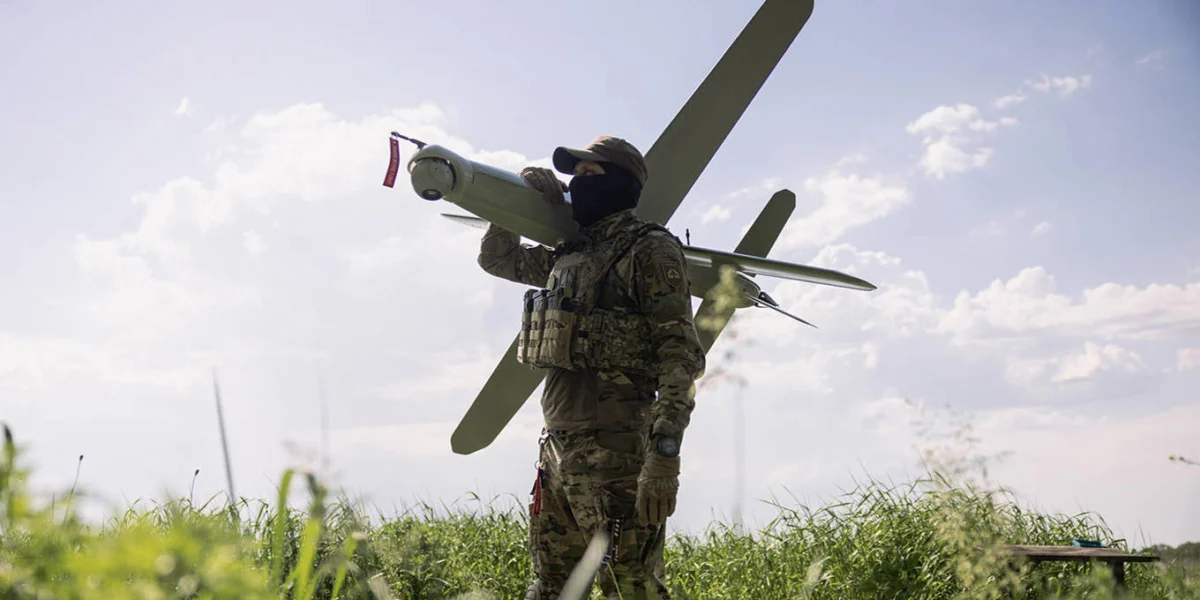
The integration of artificial intelligence (AI) and unmanned aerial vehicles (UAVs), commonly known as drones, is fundamentally reshaping the landscape of modern warfare. This technological paradigm shift is conferring a significant advantage upon nations possessing the synergistic capabilities of large-scale manufacturing, sophisticated AI systems, and robust battlefield data acquisition and processing. Conversely, the United States and Europe, hampered by internal political inertia and outdated military organizational structures, find themselves in a precarious position, demonstrably unprepared for the imminent challenges posed by this evolving military calculus.
San Francisco – The current trajectory of technological advancement unequivocally signals a profound reordering of the fundamental determinants of global military power. The AI revolution, in particular, is poised to redefine strategic advantage, placing a premium on nations that can effectively harness its capabilities. For the United States and Europe, the imperative to reverse the precipitous decline in their defense and industrial sectors has become a matter of paramount national security.
The Ascendancy of AI and Drones in Modern Conflict
The proliferation of AI and drone technology represents a watershed moment in military history. Unlike previous technological leaps, such as the introduction of gunpowder or the development of nuclear weapons, the current revolution is characterized by its speed, accessibility, and pervasive impact across multiple domains of warfare. Drones, once primarily relegated to reconnaissance missions, have evolved into sophisticated platforms capable of autonomous navigation, precision strike, electronic warfare, and even swarm tactics. Their affordability and adaptability make them accessible to a wider range of state and non-state actors, democratizing access to advanced military capabilities.
AI, the engine driving this transformation, is enhancing every facet of military operations. From intelligent targeting systems and predictive maintenance to sophisticated command and control networks and advanced cyber warfare capabilities, AI is augmenting human decision-making and, in some instances, replacing it altogether. The ability to process vast amounts of battlefield data in real-time, identify patterns, and generate actionable intelligence at speeds far exceeding human capacity is becoming a critical differentiator. This synergy between AI and drones creates a potent combination, enabling forces to operate with unprecedented precision, speed, and efficiency, while simultaneously reducing risk to human personnel.
Historical Context: The Erosion of Western Dominance
The current predicament of the United States and Europe is not a sudden development but rather the culmination of decades of shifting global economic and industrial priorities. Following the end of the Cold War, a period of relative peace and prosperity led many Western nations to de-emphasize large-scale industrial production, particularly in defense manufacturing. This was often accompanied by a shift towards service-based economies and a reliance on outsourced production, which, while economically beneficial in the short term, has eroded domestic industrial capacity and expertise.
Furthermore, the complex and often protracted procurement processes within Western militaries, coupled with political debates surrounding defense spending and technological development, have contributed to a slower pace of innovation and adaptation compared to some of their potential adversaries. The perceived invincibility of Western military technology, built on a foundation of overwhelming technological superiority, has been challenged by the rapid advancements and pragmatic adoption of new technologies by emerging powers.
The Emerging Global Military Order: A New Power Dynamic
The nations that are best positioned to thrive in this new era are those that can seamlessly integrate advanced AI algorithms with scaled manufacturing capabilities for drone production and deployment. This creates a powerful feedback loop: AI enhances drone performance, and the data generated by drone operations further refines AI algorithms. Countries with strong domestic industrial bases, a commitment to cutting-edge research and development in AI, and a willingness to embrace agile military modernization are poised to gain a significant strategic advantage.
Several nations have been actively investing in these areas. For instance, China has made substantial strides in both AI research and drone manufacturing, with its companies producing a wide range of unmanned systems for both civilian and military applications. Russia has also demonstrated its capabilities in drone warfare, particularly in recent conflicts, adapting and deploying various unmanned platforms effectively. Emerging economies are also exploring the integration of AI and drones, recognizing their potential to leapfrog traditional military development pathways.
Challenges Facing the United States and Europe
The United States, despite its leading position in AI research, faces significant hurdles in translating this advantage into battlefield dominance. Its defense industrial base, while still formidable, has seen a decline in certain critical manufacturing sectors. The complexity of its military procurement system often leads to delays and cost overruns, hindering the rapid adoption of new technologies. Moreover, political polarization and an often-unpredictable defense budget can impede long-term strategic planning and investment.
Europe, in particular, is grappling with a more fragmented defense landscape. The lack of a unified European defense industrial strategy, coupled with differing national priorities and budgetary constraints, has resulted in a less cohesive approach to military modernization. While individual European nations possess advanced technological capabilities, the collective ability to scale production and integrate AI-driven drone systems on a pan-European level remains a significant challenge. Obsolete military structures, often designed for a different era of warfare, further exacerbate the problem, making it difficult to adapt to the rapid pace of technological change.
Supporting Data and Trends
The global drone market is a testament to the accelerating adoption of this technology. According to various industry reports, the global military drone market is projected to grow significantly in the coming years. For example, projections from leading market research firms indicate a compound annual growth rate (CAGR) of over 10% for the military drone market between 2023 and 2028, with the market size expected to reach tens of billions of dollars. This growth is driven by increased demand for intelligence, surveillance, and reconnaissance (ISR) capabilities, as well as the expanding role of drones in combat operations.
The investment in AI research and development also underscores this trend. Global spending on AI is projected to surge, with significant portions allocated to defense applications. This includes the development of autonomous systems, AI-powered decision support tools, and advanced cybersecurity measures. The sheer volume of AI patents filed by countries like China and the United States, with a growing emphasis on defense-related AI, highlights the intense competition in this critical field.
Chronology of Key Developments
The integration of AI and drones into warfare is not a sudden phenomenon but rather an evolutionary process. Key milestones include:
- Early 2000s: The widespread deployment of ISR drones, such as the Predator and Global Hawk, by the United States, primarily for intelligence gathering and surveillance in conflict zones like Afghanistan and Iraq.
- 2010s: The emergence of armed drones, capable of precision strikes, leading to increased debates about their ethical and legal implications. During this period, other nations also began to develop and deploy their own drone capabilities.
- Mid-2010s onwards: Rapid advancements in AI algorithms, particularly in machine learning and computer vision, began to be integrated into drone systems, enhancing their autonomy and capabilities. Swarm drone technology, where multiple drones operate collaboratively, started to be explored and demonstrated.
- Late 2010s – Early 2020s: Conflicts such as the Nagorno-Karabakh War (2020) and the ongoing war in Ukraine showcased the devastating effectiveness of modern drone warfare, including the use of kamikaze drones, sophisticated ISR, and electronic warfare. These events served as stark wake-up calls for many military planners.
- Present Day (2026): The current juncture represents a critical point where the fusion of advanced AI and scaled drone production is becoming a dominant factor in military power. Nations are increasingly investing in AI-enabled autonomous systems, with the potential for fully autonomous weapon systems becoming a more prominent discussion point.
Official Responses and Strategic Implications
In response to these shifting dynamics, various nations are recalibrating their defense strategies. The United States has initiated programs aimed at revitalizing its defense industrial base and accelerating the adoption of AI technologies. Initiatives like the "Replicator" program, launched by the Pentagon, aim to rapidly field attritable autonomous systems. However, the effectiveness and speed of these initiatives in overcoming systemic challenges remain to be seen.
European nations are also grappling with the need for greater defense integration and investment. The European Union has been exploring avenues for increased defense cooperation, including joint procurement and research initiatives. However, achieving a unified and effective strategy across diverse national interests and industrial capacities presents a formidable political and economic challenge.
The strategic implications of this AI-driven transformation are profound. Nations that can effectively leverage AI and drone technology will possess a significant advantage in future conflicts, potentially enabling them to achieve objectives with greater speed and fewer casualties. This could lead to a fundamental shift in the global balance of power, favoring technologically advanced and industrially capable nations.
Broader Impact and Future Outlook
The implications extend beyond direct military confrontation. The proliferation of AI-powered surveillance and autonomous systems raises significant concerns about privacy, ethics, and the potential for an uncontrolled arms race. The development of increasingly sophisticated autonomous weapons systems necessitates a robust international dialogue on regulation and ethical guidelines.
For the United States and Europe, the path forward requires a multi-faceted approach. This includes:
- Revitalizing Domestic Industrial Capacity: Investing in advanced manufacturing, fostering innovation, and securing supply chains for critical defense components.
- Accelerating AI Integration: Streamlining procurement processes, investing in AI research and development, and fostering collaboration between government, industry, and academia.
- Reforming Military Structures: Adapting organizational structures and doctrines to embrace agile warfare and the integration of new technologies.
- Strengthening Alliances: Enhancing cooperation with allies to share technological advancements, coordinate defense strategies, and present a united front.
Failure to address these challenges effectively could result in a significant erosion of military capability and strategic influence for Western powers. The AI revolution is not merely a technological evolution; it is a geopolitical transformation that demands proactive adaptation and decisive action. The ability of the United States and Europe to reverse their industrial decline and embrace the full potential of AI and drone technology will be a defining factor in their ability to navigate the complex and increasingly volatile security landscape of the 21st century. The coming years will be critical in determining whether these nations can reclaim their position as leaders in global military power or face a future defined by the capabilities of others.
