

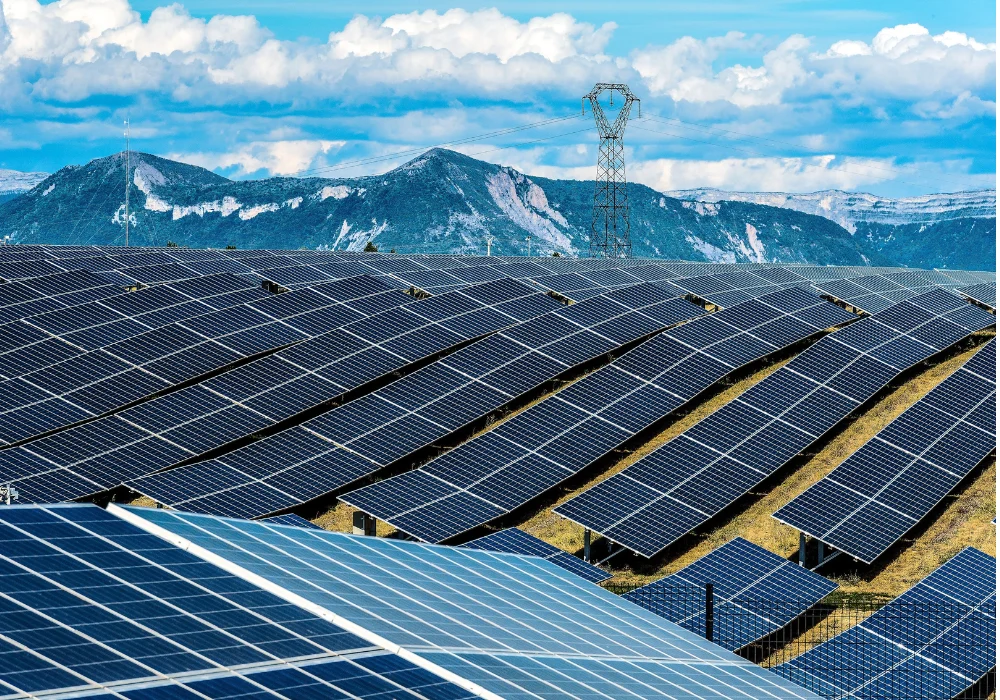
The European continent faced an unprecedented convergence of climatic extremes this past summer, as record-breaking heat waves and a debilitating regional drought pushed the energy grid to its structural limits. While traditional "thermal" power sources—including nuclear, coal, and gas—faltered under the strain of rising temperatures and dwindling water supplies, solar energy emerged as the primary stabilizing force for the European Union’s power markets. According to data from environmental and energy analysts, the summer of 2025 marked a definitive turning point in the continent’s energy transition, illustrating both the vulnerabilities of legacy infrastructure and the growing reliability of renewable-plus-storage systems.
As June delivered the hottest temperatures ever recorded for the month in Western Europe, the regional energy landscape underwent a stress test of historic proportions. The crisis was not merely a matter of high temperatures; it was a multifaceted environmental event characterized by stagnant air that neutralized wind power and a hydrological deficit that crippled hydropower and cooling systems for thermal plants. In this context, solar power provided a critical buffer, performing 17% better than seasonal norms and supplying the necessary electricity to power millions of newly installed air-conditioning units across the Mediterranean and Central Europe.
A Chronology of Climatic Pressure
The summer’s energy crisis began in early June, when a "heat dome" settled over much of Western Europe. This atmospheric phenomenon, which traps hot ocean air like a lid, resulted in temperatures exceeding 40 degrees Celsius in regions accustomed to much milder conditions. Scientific attribution studies have since confirmed that the intensity of this June heat wave was approximately 200 times more likely in today’s fossil-fuel-warmed climate than it would have been just two decades ago.
By mid-July, the crisis transitioned from a temperature event to a hydrological one. The United Kingdom, England, and Wales reported their driest July on record, while the water levels of the Danube and Rhine rivers—central arteries for European commerce and energy—fell to historic lows. In Eastern Europe, the receding waters of the Danube were so pronounced that they exposed the rusted hulls of Second World War warships and prehistoric artifacts. For the energy sector, however, the low water levels meant a drastic reduction in the availability of cooling water for thermal power plants and a significant drop in hydropower reservoir capacity.
By August, the cumulative impact of these events led to a "wind drought." The high-pressure systems responsible for the heat also resulted in stagnant air, causing wind generation to plummet. In the United Kingdom, wind farm output in June was halved compared to typical seasonal averages, leaving a massive deficit in the national energy mix just as cooling demand was peaking.
The Failure of Thermal and Wind Infrastructure
The summer’s events highlighted a paradoxical vulnerability: the very power plants designed to provide "baseload" stability were the ones most compromised by the heat. Thermal power plants, which include nuclear, coal, and natural gas facilities, rely heavily on external water sources to cool their systems. As European waterways warmed and dried up, these plants were forced to choose between reducing output or risking mechanical failure and environmental damage.
In France, which relies on nuclear energy for about 70% of its electricity, the impact was particularly acute. In mid-July, the state-owned utility reported a loss of 18% of its nuclear capacity due to "environmental factors." French law strictly regulates the temperature of water discharged back into rivers to protect aquatic ecosystems. When river temperatures are already elevated due to heat waves, nuclear plants must curtail operations to avoid boiling the local fish populations with their discharge. This trend has plagued the French grid for several consecutive summers, raising questions about the long-term viability of river-cooled nuclear reactors in a warming world.
The United Kingdom faced similar challenges with its gas-fired fleet. Five major gas plants were forced to reduce their combined output by 2.5 gigawatts because the ambient heat rendered their cooling systems inefficient. When air and water temperatures rise, the thermodynamic efficiency of gas turbines drops, meaning they require more fuel to produce less electricity, further driving up costs for consumers.
Solar Energy and the "Evening Peak" Challenge
While traditional sources struggled, solar energy thrived under the clear, cloudless skies that accompanied the heat waves. In Italy and Spain, solar generation reached record highs, perfectly aligning with the peak demand period of mid-afternoon, when industrial activity and residential cooling are at their zenith.
However, the primary challenge for the solar-heavy grid occurs during the "shoulder hours"—the period just after sunset when solar production drops to zero but temperatures remain high. In many European cities, the "urban heat island effect" ensures that buildings remain hot well into the night, keeping air-conditioning demand elevated. During the June heat waves, Italy saw power demand jump by 28% in a single week, while France saw a 14% increase.
The resulting price spikes were dramatic. Electricity and natural gas prices in the evening hours frequently hit levels not seen since the 2022 energy crisis triggered by the invasion of Ukraine. This volatility has underscored the urgent need for "flexibility" in the power system—the ability to shift energy from times of surplus to times of deficit.
The Critical Role of Battery Storage
The saving grace for the European grid this summer was the rapid expansion of battery energy storage systems (BESS). In 2025, Europe installed 36 gigawatt-hours of battery capacity, representing a 48% increase over the previous year. This marked the 12th consecutive year of growth for the sector.
These battery systems allow grid operators to capture the excess solar energy produced during the blistering afternoon hours and release it during the critical evening peak. Industry experts, including Walburga Hemetsberger, CEO of SolarPower Europe, have noted that batteries are no longer a "luxury" addition to the grid but a fundamental requirement for survival in a changing climate. "The next challenge is the evening period," Hemetsberger stated. "This is why battery storage is becoming such an important part of the energy transition."
Without this storage capacity, the price spikes seen this summer would likely have resulted in localized blackouts or "brownouts" as grid operators struggled to balance the load. Instead, the batteries provided a seamless transition, stabilizing the frequency of the grid and mitigating the most extreme price fluctuations.
Changing Social Dynamics and Cooling Demand
A significant factor in Europe’s shifting energy profile is the rapid adoption of air conditioning. Historically, air conditioning was rare in European households; currently, only about 23% of European homes have cooling systems, compared to over 90% in the United States. However, this is changing rapidly. In Spain and Italy, penetration has already reached 50%, and even in historically temperate France, one-quarter of households now use AC.
This shift represents a fundamental change in the continent’s energy seasonality. Historically, Europe’s peak demand occurred in the winter for heating. Now, the region is moving toward a dual-peak system, or even a summer-dominant peak in southern nations. This transition has even forced political shifts. Marine Tondelier, national secretary of the French Ecologist Party, recently acknowledged that air conditioning has become a necessity for public health, a significant departure from the party’s previous stance that AC was an environmental liability.
Strategic Adaptation and Future Investment
The summer of extremes has prompted a massive re-evaluation of energy infrastructure investment. France’s state-owned utility has announced plans to spend more than $10 billion over the next 15 years to adapt its nuclear and hydropower plants to a warmer, drier climate. This includes investments in "dry cooling" technologies and advanced water-recycling systems that would allow plants to operate even when river levels are low.
Furthermore, energy analysts are calling for a "regulatory revolution" to accommodate the new reality. Beatrice Petrovich, a senior energy analyst at the think tank Ember, argues that the price spikes seen during heat waves should be viewed as a "blaring signal" for policy changes. These changes include removing barriers to entry for small-scale battery storage, incentivizing demand-response programs (where consumers are paid to reduce usage during peaks), and accelerating the permits for cross-border transmission lines.
Analytical Implications: A New Energy Paradigm
The data from this summer suggests that the "old" energy paradigm—reliant on massive, centralized, water-cooled thermal plants—is increasingly incompatible with a climate defined by extreme heat and water scarcity. The resilience of the solar-plus-storage model offers a blueprint for the future, but it requires a scale of investment that Europe is only beginning to realize.
The implications extend beyond the energy sector. When river levels drop and power plants curtail output, the entire economy feels the ripple effects. From the logistics of shipping coal and heating oil on the Rhine to the health of elderly populations in uncooled apartments, energy security is now inextricably linked to climate adaptation.
As Europe prepares for future summers that are projected to be even hotter and drier, the lessons of 2025 are clear: the grid must become as flexible as the climate is volatile. The "turning point" for energy storage has arrived, and the successful integration of these technologies will determine whether the continent can remain powered through the heat waves of the coming decades. The success of solar power this year was a triumph of technology, but it was also a warning that the window for infrastructure adaptation is closing fast.
