

Confidence among investors in the single-family housing market has plummeted to an unprecedented low, marking a significant downturn in sentiment not witnessed in at least three years. A confluence of escalating interest rates, surging insurance premiums, persistent home and renovation cost inflation, and the pervasive uncertainty stemming from the ongoing conflict with Iran has cast a long shadow over the sector, prompting a widespread reassessment of investment strategies. This dramatic shift underscores a challenging landscape for individuals and firms engaged in fix-and-flip operations and rental property acquisitions, signaling a period of profound caution and recalibration within a market segment traditionally seen as robust.
The Q2 2026 Sentiment Index: A Deeper Dive into Investor Unease
The RCN Capital/CJ Patrick Company Investor Sentiment Index (ISI), a critical barometer of the health and outlook of the single-family housing investment market, registered an all-time low at the close of June 2026. This precipitous decline marks the second consecutive quarter of falling confidence, reflecting a rapidly deteriorating outlook among the more than 300 fix-and-flip and rental business investors surveyed. The index, which commenced tracking sentiment in 2023, has never recorded such a pessimistic aggregated score.
-
The Precipitous Decline in Optimism
Only 26% of respondents expressed a belief that current market conditions were more favorable than they were a year prior. This figure represents a substantial drop from 35% recorded in the first quarter of 2026 and stands as the lowest proportion since the inception of the survey. Such a sharp contraction in optimism highlights a growing conviction that the tailwinds that once propelled the market have dissipated, replaced by significant headwinds. Investors, traditionally agile and opportunistic, appear to be grappling with a new reality defined by heightened risk and diminished returns. The decline in positive sentiment is not merely a statistical blip but reflects a fundamental shift in how market participants perceive their operational environment and future prospects. -
Rising Pessimism and Market Realities
Conversely, the proportion of investors who reported that market conditions had worsened reached an all-time high of 45%. This stark increase in pessimism is particularly noteworthy, illustrating a broad consensus that the market has become more challenging, less predictable, and fraught with greater obstacles. Jeffrey Tesch, CEO of RCN Capital, a prominent private lender to real estate investors, articulated the multifaceted nature of this downturn in a recent statement. "In addition to the ongoing conflict in Iran, rising finance costs, limited inventory, escalating home and renovation costs, and downward pressure on rental rates are all contributing factors for their increased pessimism," Tesch explained. His analysis underscores the complex interplay of macroeconomic, geopolitical, and microeconomic factors converging to create an exceptionally difficult operating environment for real estate investors. The combined weight of these challenges has evidently eroded the foundational confidence that underpins investment decisions, pushing many to pause or rethink their acquisition strategies.
Economic Headwinds: The Triple Threat to Profitability
The current market distress is largely attributable to a severe convergence of economic pressures that are squeezing profit margins and increasing the cost of doing business for single-family housing investors. These pressures manifest primarily in the form of rapidly escalating interest rates, a burgeoning crisis in property insurance, and an unyielding rise in the costs associated with home acquisition and renovation.
-
The Shadow of Soaring Interest Rates
Mortgage rates, after experiencing a brief period of decline at the end of February 2026, surged dramatically with the onset of the conflict in Iran. They have since reached their highest levels in over a year, fundamentally altering the economics of real estate investment. For small to mid-sized investors, who constitute the vast majority of the survey’s respondents and often rely on bridge loans, specialized investor loans for rental properties, and conventional 30-year fixed-rate mortgages, the cost of financing has become an insurmountable barrier for many. Over half of the surveyed investors identified the high cost of financing as "one of the biggest problems in today’s market." The implications are profound: higher debt service payments reduce cash flow for rental properties and diminish potential profit margins for fix-and-flip projects. A staggering three-quarters of investors do not anticipate any relief from these elevated rates in the near future, with some even forecasting further increases, solidifying a pessimistic outlook on borrowing costs. This sustained period of high interest rates contrasts sharply with the lower-rate environment that fueled much of the post-pandemic housing boom, forcing a significant re-evaluation of investment viability. -
Escalating Insurance Premiums: A New Burden
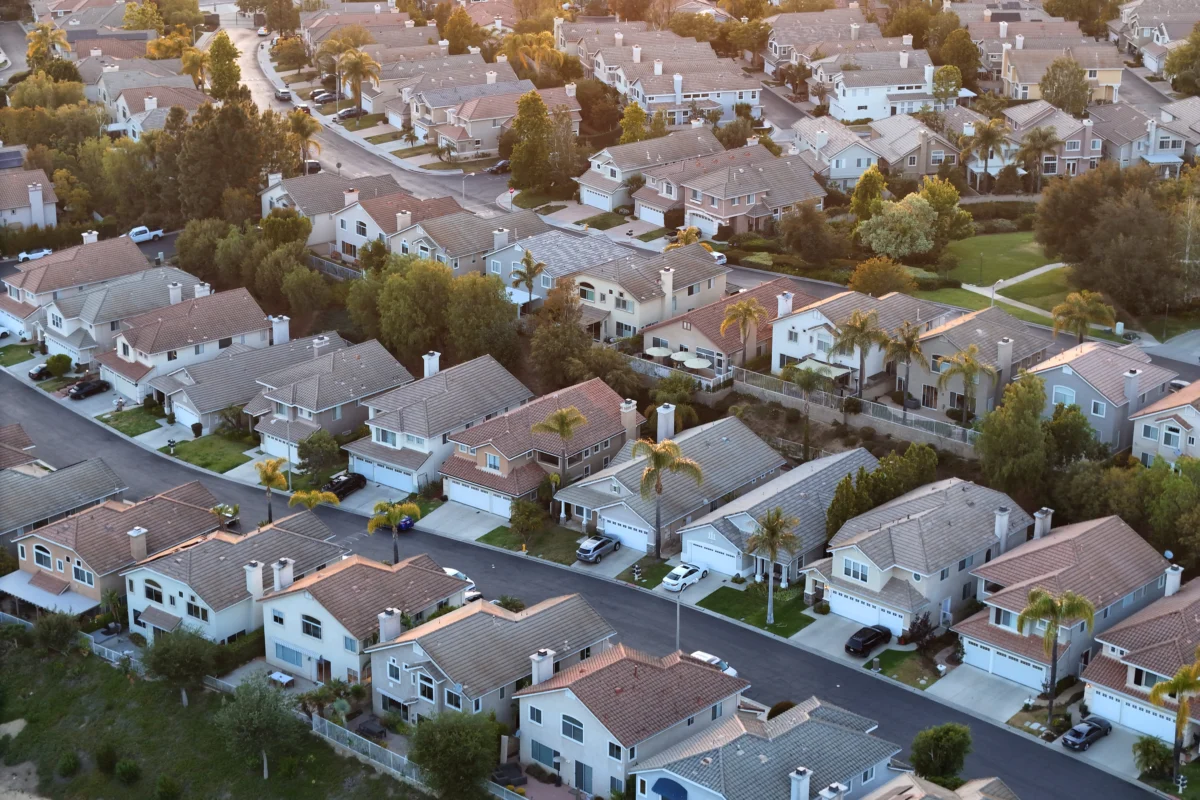
Beyond financing, the escalating cost of property insurance has emerged as another critical pain point. While not explicitly detailed in the initial data, the mention of "rising insurance" by investors points to a broader trend driven by several factors. Increased frequency and severity of natural disasters, particularly in regions like California (where the featured image of Thousand Oaks homes is set), have led to significant losses for insurers. This, in turn, has resulted in higher premiums, stricter underwriting standards, and in some extreme cases, insurers withdrawing from certain markets entirely. For investors, particularly those holding multiple properties, these rising insurance costs can substantially erode rental yields and increase holding costs, making properties less attractive and harder to maintain profitability, especially in an environment where rental rate growth is under pressure. The unpredictable nature of these increases adds another layer of financial uncertainty to long-term investment planning. -
Persistent Home and Renovation Cost Inflation
The dual challenge of rising home acquisition costs and the continuous inflation of renovation expenses further exacerbates the predicament. While over 60% of respondents anticipate home prices to continue rising over the next six months (up from just under 52% in the prior survey), this expectation is a double-edged sword. Higher home prices increase the initial capital outlay for investors, demanding greater financing or larger cash payments. Simultaneously, the costs of materials and labor for renovations have seen sustained upward pressure, partly due to lingering supply chain issues and a tight labor market, now potentially intensified by geopolitical instability. This combination means that the ‘buy low, sell high’ or ‘buy, renovate, rent’ models become significantly more challenging to execute profitably. The margin for error shrinks, and the necessity for precise cost management and market timing becomes paramount, especially when facing downward pressure on potential rental income or resale values.
The Geopolitical Quake: War with Iran and its Economic Fallout
The "ongoing conflict in Iran," a critical element introduced in the survey’s context, represents a significant and recent shockwave rippling through global markets and profoundly impacting investor confidence in the U.S. single-family housing sector. Occurring in the timeline between February and June 2026, this geopolitical event has injected an unprecedented level of uncertainty into an already complex economic environment.
-
Global Instability and Market Uncertainty
Geopolitical conflicts, particularly those involving major oil-producing regions, inherently foster a climate of global instability. This translates into heightened risk aversion across financial markets. Investors, both large and small, tend to retreat from riskier assets and speculative ventures, favoring more liquid and traditionally safer investments during periods of international tension. The war with Iran has likely triggered widespread concern about the stability of international trade, energy supplies, and broader economic growth. Such an environment naturally dampens enthusiasm for long-term, capital-intensive investments like real estate, where returns are dependent on sustained economic stability and predictable market conditions. The psychological impact of war, even if geographically distant, can manifest as a pervasive sense of caution that permeates investment decisions. -
Supply Chain Disruptions and Energy Market Volatility
A direct and immediate consequence of a major conflict in the Middle East is almost invariably a disruption to global supply chains and a spike in energy prices. The original article notes that mortgage rates "rose sharply at the start of the war with Iran," indicating the market’s swift reaction to the conflict. A significant portion of global oil transits through the region, meaning any disruption leads to immediate price surges. These higher energy costs feed into nearly every sector of the economy: increased transportation costs for construction materials, higher utility bills for rental properties, and elevated operational expenses for businesses.
Moreover, the conflict could exacerbate existing supply chain vulnerabilities, leading to delays and further cost increases for building materials and components necessary for home renovations and new construction. For single-family housing investors, this translates directly into higher project costs, longer timelines, and greater difficulty in accurately forecasting expenses, further squeezing already tight profit margins. The ripple effect of such a conflict extends far beyond direct military engagement, touching the daily financial calculations of real estate investors thousands of miles away.
Regulatory Landscape: The 21st Century ROAD to Housing Act
Adding another layer of complexity to the investment landscape is the recent enactment of the "21st Century ROAD to Housing Act." This legislation represents a significant shift in housing policy, directly targeting the activities of large institutional investors in the single-family home market. While the surveyed small-to-mid-sized investors are not directly prohibited by its provisions, the Act has indirectly reshaped the competitive dynamics and overall perception of investment in residential real estate.
-
Reshaping the Investor Landscape
The "21st Century ROAD to Housing Act" was likely conceived in response to growing public and political concerns over the role of large institutional entities in the housing market. For years leading up to 2026, institutional investors had significantly increased their footprint in the single-family rental sector, often outbidding individual homebuyers and smaller investors, particularly in entry-level and middle-tier markets. Critics argued that this trend contributed to rising home prices, reduced housing supply for owner-occupants, and intensified affordability crises. The Act’s primary mechanism, prohibiting investors owning at least 350 single-family homes from acquiring additional properties, is a bold attempt to curb this trend and, presumably, to "level the playing field" for individual homebuyers and smaller-scale investors. -
A Divided Market: Small vs. Institutional Investors
The enactment of this legislation creates a distinct two-tiered market for single-family housing investment. On one side are the large institutional players, now constrained in their ability to expand their portfolios. On the other are the small-to-mid-sized investors, who are the focus of the RCN Capital/CJ Patrick Company survey. While the Act might remove some institutional competition, these smaller investors face their own unique set of challenges, as evidenced by the dramatic fall in confidence. They often lack the deep capital reserves of institutional funds and are more susceptible to fluctuations in interest rates, insurance costs, and local market dynamics. Their reliance on conventional loans, bridge loans, and specialized investor loans makes them particularly vulnerable to the rising cost of financing. Even if freed from institutional bidding wars, the fundamental economic viability of their projects remains under severe pressure from the broader economic and geopolitical environment. The Act, while perhaps achieving its goal of limiting institutional expansion, has not alleviated the severe headwinds faced by the very investors it might have intended to empower.
Impact on Investor Activity and Market Dynamics
The cumulative effect of these formidable challenges has translated directly into a significant slowdown in investor activity, indicating a widespread retrenchment from aggressive acquisition strategies. This shift has profound implications for the overall dynamics of the single-family housing market.
-
A Significant Pullback in Acquisitions
Data from the survey paints a clear picture of declining investment. Real estate investors purchased 23% fewer homes in the first quarter of 2026 compared to the previous quarter (Q4 2025) and also 23% fewer than in the first quarter of 2025. This consistent year-over-year and quarter-over-quarter decline signals a robust contraction in investor demand. Furthermore, the survey revealed that a substantial 32% of respondents have no plans to buy any properties at all this year, a stark indication of widespread paralysis or withdrawal. In sharp contrast, only 9% of investors plan to increase their acquisition volume compared to the previous year. This dramatic imbalance between those pulling back and those expanding suggests a market entering a deep freeze from an investment perspective. Rick Sharga, CEO of the CJ Patrick Company, highlighted these figures, noting the severe impact on purchase activity. "Real estate investors purchased 23% fewer homes in the first quarter of 2026 than they did in the previous quarter and in the first quarter of 2025. The survey also shows that 32% of the respondents don’t plan to buy any properties at all this year, and only 9% plan to buy more than they did a year ago," Sharga stated, underscoring the severity of the market slowdown. -
The Shifting Calculus of Rental Yields
One of the more nuanced, yet critical, contributing factors to investor pessimism is the "downward pressure on rental rates" mentioned by Jeffrey Tesch. This phenomenon is somewhat counterintuitive given the rising costs of property ownership. However, it likely reflects a combination of factors:- Affordability Ceilings: Renters, facing their own economic pressures (inflation, stagnant wage growth in real terms), are reaching the limits of what they can afford. This cap on affordability restricts landlords’ ability to pass on all their increased costs through higher rents.
- Increased Local Supply: In some localized markets, a surge in rental units from previous investor activity or new multi-family construction might have created an oversupply, forcing landlords to compete on price.
- Economic Uncertainty for Renters: In a period of geopolitical and economic instability, renters may be more prone to seek more affordable housing options, downsize, or delay moving, creating less demand for higher-priced units.
For investors, the confluence of rising acquisition costs, higher interest rates, escalating insurance, and stagnant or declining rental income creates a severe squeeze on capitalization rates and cash flow, making many potential investments financially unviable.
-
Navigating Price Expectations in a Volatile Market
Despite the pervasive pessimism regarding market conditions and profitability, a significant majority—over 60%—of respondents anticipate home prices to rise over the next six months. This figure is up from just under 52% in the prior survey. This apparent contradiction highlights the complexity of investor sentiment. While investors expect prices to continue climbing, which could theoretically benefit existing portfolios, it simultaneously means higher acquisition costs for new purchases. This creates a difficult dilemma: buy into a market where entry costs are high, or risk missing out on future appreciation but face current profitability challenges. The expectation of continued price growth, even amidst other headwinds, suggests a lingering belief in the long-term value of real estate, yet the current economic climate is forcing many to sit on the sidelines, waiting for clearer signals or more favorable conditions before re-engaging.
Voices from the Industry: Lenders and Analysts Weigh In
The sentiment captured by the ISI is echoed and analyzed by key figures within the real estate lending and market analysis sectors, providing crucial context and foresight for the industry.
-
Lender Perspectives on a Challenging Environment
Jeffrey Tesch, CEO of RCN Capital, whose firm specializes in private lending to real estate investors, offers a direct insight into the challenges. "The convergence of geopolitical uncertainty, prohibitive financing costs, and relentless operational expenses is creating an unprecedented environment for our clients," Tesch elaborated. "We are seeing a significant increase in due diligence from investors, with a much more conservative approach to leveraging. Our role is evolving from simply providing capital to also offering strategic guidance in navigating these turbulent waters. The expectation of further rate hikes, as reported by three-quarters of our surveyed investors, indicates that this pressure is not transient but represents a fundamental shift in the cost of capital." This perspective from a lender underscores the practical implications of the survey findings, indicating a shift in loan applications towards more conservative projects or a reduction in overall demand for capital. -
Analyst Insights into Future Trajectories
Rick Sharga, CEO of the CJ Patrick Company, co-developer of the ISI, provides a broader analytical framework. "The Q2 2026 data clearly demonstrates a market in contraction, driven by a perfect storm of economic and geopolitical factors," Sharga observed. "The 23% drop in investor purchases is a stark indicator of caution, reflecting the diminishing returns available under current conditions. While the ’21st Century ROAD to Housing Act’ aimed to rebalance the market, it appears that the broader economic environment—particularly interest rates and the Iran conflict—is having a far more immediate and detrimental impact on investor behavior. The fact that over 60% of investors still expect home prices to rise suggests that while they believe in the asset class, the current operational environment makes new profitable acquisitions exceptionally difficult. We may be entering a period where existing investors hold their assets, but new investment slows to a crawl, potentially impacting the supply of renovated homes and rental units in the mid-term." His analysis highlights the interplay between policy, economics, and investor psychology, suggesting a period of market stagnation rather than a significant correction in prices.
Broader Implications for the Housing Market and Economy
The profound decline in investor confidence and activity in the single-family housing market carries significant implications that extend beyond the immediate concerns of individual investors, potentially affecting housing affordability, market supply, and the broader economic landscape.
-
Potential Impacts on Housing Affordability and Supply
A reduction in investor purchases, particularly in the fix-and-flip segment, could have a dual impact on housing supply. On one hand, fewer investors competing for properties might theoretically ease bidding wars for owner-occupants, potentially contributing to a moderation of home price appreciation in certain segments. On the other hand, investors play a crucial role in renovating distressed properties, bringing them back onto the market as viable homes, whether for sale or rent. A significant pullback in this activity could lead to a decrease in the supply of renovated homes, exacerbating existing housing shortages. Furthermore, if fewer investors are acquiring properties for rental purposes, it could impact the future availability of rental units, potentially creating localized shortages and, paradoxically, upward pressure on rental rates in the long run, once affordability ceilings are breached or demand outstrips the reduced supply. This complex interplay suggests that while the immediate goal of some policies might be to improve affordability, the unintended consequence of reduced investor activity could be a more acute supply crisis in the future. -
The Ripple Effect on Ancillary Industries
The slowdown in single-family housing investment will inevitably send ripple effects through a multitude of ancillary industries. The construction and renovation sectors, already grappling with labor shortages and material costs, will likely experience reduced demand for their services from investor clients. This could impact contractors, suppliers of building materials, real estate agents specializing in investment properties, property management firms, and even local economies that benefit from the economic activity generated by property rehabilitation. The private lending sector, exemplified by RCN Capital, will also face challenges, needing to adapt its strategies and potentially brace for reduced loan volumes or increased scrutiny of loan applications in a higher-risk environment. The entire ecosystem built around real estate investment is interconnected, and a downturn in one segment can propagate widely. -
The Future Outlook for Single-Family Housing Investment
Looking ahead, the single-family housing investment market appears poised for a period of profound re-evaluation and adaptation. The current environment, characterized by high capital costs, operational expenses, and geopolitical uncertainty, demands a more sophisticated and cautious approach. Investors will likely prioritize markets with stronger rental growth potential, lower insurance risks, and more stable economic fundamentals. Innovation in financing structures, greater emphasis on energy efficiency to mitigate utility costs, and strategic partnerships to share risk might become more prevalent. However, until there is significant relief from soaring interest rates, a de-escalation of geopolitical tensions, and stabilization of input costs, investor confidence is likely to remain subdued. The current moment represents a critical juncture, challenging the resilience and adaptability of real estate investors in the face of a rapidly evolving and increasingly demanding market landscape.
