

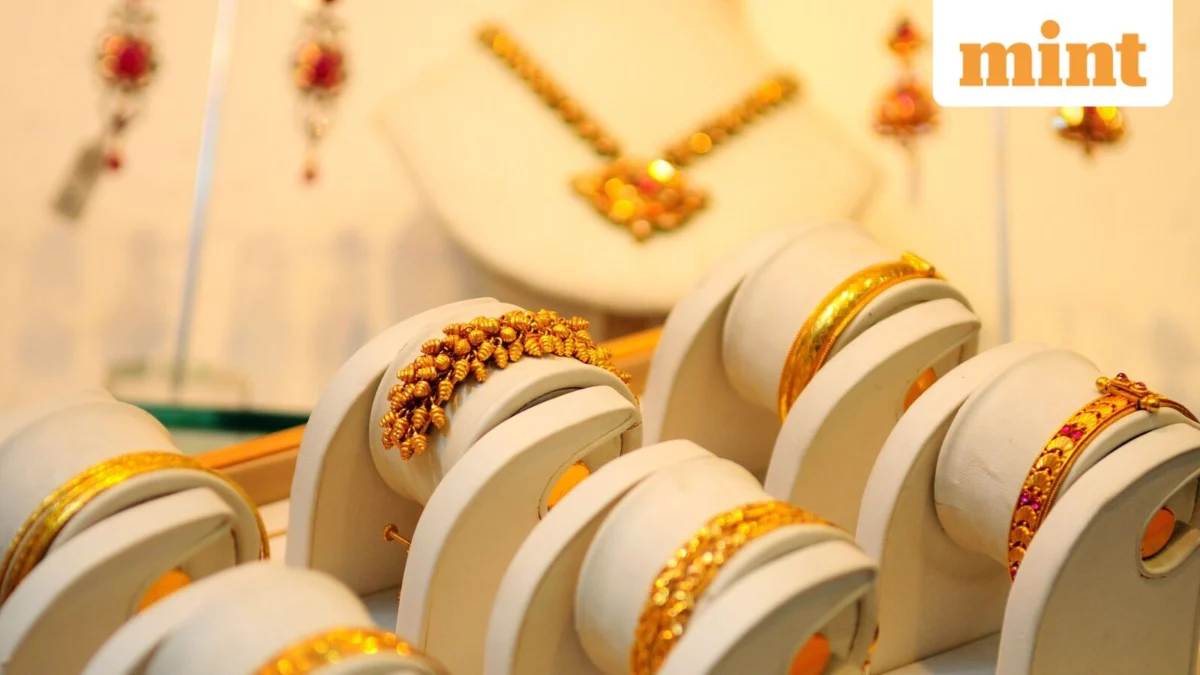
The Indian jewelry retail sector continues to witness a significant transformation as organized players consolidate their market share through aggressive expansion and adaptation to shifting consumer preferences. Senco Gold, a prominent pan-India jewelry retailer with deep roots in Eastern India, has reported a stellar performance for the first quarter of the 2026-27 fiscal year, characterized by a staggering 60% year-on-year (YoY) increase in total revenue. This growth trajectory reflects not only the resilience of the Indian consumer’s appetite for precious metals but also the strategic agility of Senco Gold in navigating a complex macroeconomic environment marked by fluctuating gold prices and regulatory adjustments.
The company’s latest business update reveals that the revenue growth was not merely a result of favorable comparisons but also showed strong sequential momentum, with a 53% increase over the preceding quarter. Retail revenue, a core pillar of the company’s business model, grew by 48% YoY and 51% on a quarter-on-quarter (QoQ) basis. Perhaps the most telling metric of the brand’s health was the same-store sales growth (SSSG), which stood at a robust 38%. This indicates that the growth is being driven as much by existing outlets as it is by new store openings, suggesting high customer loyalty and effective local marketing strategies.
Festive Catalysts and the Wedding Season Surge
The June quarter is traditionally a high-activity period for Indian jewelers, and Senco Gold successfully capitalized on a favorable festive calendar. The period saw a convergence of major cultural and religious events, including Akshaya Tritiya, which is widely considered one of the most auspicious days for purchasing gold in India. Additionally, regional festivals such as Poila Baisakh (the Bengali New Year), Baishakhi, and Bihu played a critical role in driving footfalls, particularly in Senco’s stronghold markets in West Bengal and the Northeast.
Beyond the festivals, the onset of the summer wedding season provided a sustained tailwind. In the Indian context, jewelry is not merely a lifestyle purchase but an essential component of wedding rituals and a form of social security. The demand for bridal sets, heavy gold necklaces, and intricate bangles surged as families sought to fulfill traditional requirements despite the elevated price of gold. Senco’s ability to offer a diverse range of designs that cater to both traditional and contemporary tastes has been a key differentiator in capturing this seasonal demand.
Strategic Product Diversification: The Diamond and Lightweight Segments
While gold remains the primary driver of volume, Senco Gold’s diamond jewelry business has emerged as a high-growth vertical. During the June quarter, diamond jewelry value sales rose by 40% year-on-year, while diamond volumes increased by 15%. This discrepancy between value and volume growth points to an improved product mix and a shift toward higher-margin items.
The company has been proactive in making diamond jewelry more accessible to the middle-class demographic. The introduction of lower-priced products—specifically those priced below ₹50,000—within the "Everlite" segment has successfully attracted younger consumers and first-time diamond buyers. By focusing on lightweight, daily-wear jewelry, Senco is effectively de-risking its portfolio from the volatility of heavy gold jewelry demand. The "Everlite" and "9K" collections are designed for the modern woman who seeks jewelry that is both stylish and affordable, moving away from the "locker-only" investment philosophy of previous generations.
Navigating Regulatory Headwinds and Customs Duty Impact
The jewelry industry in India operates under a strict regulatory framework, with government policies on imports often dictating market dynamics. Senco Gold noted that the business remained resilient despite the "Adhik Maas" period—a lunar month in the Hindu calendar often considered inauspicious for new purchases—and significant changes in customs duties.
The company highlighted that it expects to benefit from the recent 9% increase in customs duty on gold, which raised the total duty from 6% to 15%. Such hikes typically lead to an appreciation in the value of existing inventory held by retailers. However, Senco management cautioned that the full financial benefit of this duty hike would be partially offset by the company’s current 50% hedging level. Hedging, while protecting the company against downward price swings, also limits the upside gains when prices or duties rise. Furthermore, heavy discounting and promotional offers during the festive quarter are expected to exert some pressure on Q1 margins, as the company prioritized volume and market share over absolute margin per unit.

Retail Footprint Expansion and Omni-channel Strategy
A core component of Senco Gold’s growth strategy is the continuous expansion of its physical retail footprint. During the June quarter, the company opened eight new showrooms. This expansion included three company-owned, company-operated (COCO) stores, four franchisee outlets, and one Sennes store—the brand’s foray into luxury accessories and leather goods. After accounting for the closure of one store, the total network now stands at 208 showrooms across India.
The company’s reliance on the franchise model allows for capital-light expansion into Tier II and Tier III cities, where the demand for branded jewelry is growing rapidly as consumers shift away from local, unorganized goldsmiths. Senco Gold remains on track to open an additional 12 to 15 showrooms over the next three quarters. This expansion is complemented by an omni-channel approach, where the company’s digital presence feeds into its physical stores, allowing customers to browse collections online before visiting a showroom for a personalized experience.
Stock Market Performance: A Story of Recovery
The financial markets have kept a close eye on Senco Gold’s performance, particularly following a period of significant volatility. The company’s shares experienced a prolonged slump between September 2025 and March 2026, during which the stock price declined by approximately 24.6%. This period was marked by broader market jitters and concerns over the impact of high gold prices on consumer demand.
However, the tide began to turn in April 2026, when the stock staged a strong rebound, rising 12.3%. This momentum continued into May with an additional 11% gain. While the recent rally has helped the stock recover its losses from the previous six months, it still faces a long road to its historical peaks. Currently, the stock remains approximately 58% below its record high of ₹772 per share. For the 2025 calendar year, the stock saw a steep decline of 41%, though it has managed a marginal year-to-date gain of 2.55% in the current year. Investors appear to be cautiously optimistic, weighing the company’s strong operational performance against the inherent risks of the gold market.
Chronology of Key Events and Market Movements
- September 2025 – March 2026: Senco Gold stock undergoes a 24.6% decline amid market corrections and rising interest rates.
- April 2026: Stock begins recovery with a 12.3% monthly gain as Q1 festive demand expectations build.
- May 2026: Continued momentum with an 11% gain, fueled by strong Akshaya Tritiya sales reports.
- June 2026: Government announces a 9% hike in customs duty on gold, bringing the total to 15%.
- July 2026: Senco Gold releases its Q1 business update, confirming 60% revenue growth and the addition of 8 new stores.
Industry Implications and Future Outlook
Senco Gold’s performance is a bellwether for the Indian jewelry industry. The transition from unorganized to organized retail is accelerating, driven by consumer demand for transparency, hallmarking, and buy-back guarantees. As a pan-India player, Senco is well-positioned to capture this shift.
Looking ahead, the company anticipates that the September quarter (Q2) may remain relatively "soft" due to the monsoon season, which traditionally sees lower footfalls in rural and semi-urban areas. However, the outlook for the third and fourth quarters remains highly positive. The post-monsoon harvest typically boosts rural income, which is often diverted into gold purchases. This will be followed by the major festival of Dhanteras and the winter wedding season, which is the busiest period for the industry.
Management has stated that its focus for the remainder of the fiscal year will remain on "inventory optimization, lightweight and 9K collections, and margin protection." By managing inventory more efficiently and focusing on products that appeal to a broader demographic, Senco Gold aims to navigate the dual challenges of gold price volatility and intense competition from other national giants like Titan’s Tanishq and Kalyan Jewellers.
In conclusion, Senco Gold’s Q1 update paints a picture of a company in a high-growth phase, successfully leveraging cultural tailwinds while building a scalable retail infrastructure. While stock market performance remains tempered compared to historical highs, the operational metrics suggest a robust underlying business capable of weathering macroeconomic shifts and delivering long-term value to its stakeholders. As the company moves toward its goal of becoming a dominant national player, its ability to balance traditional craftsmanship with modern retail strategies will be the ultimate determinant of its success.
