

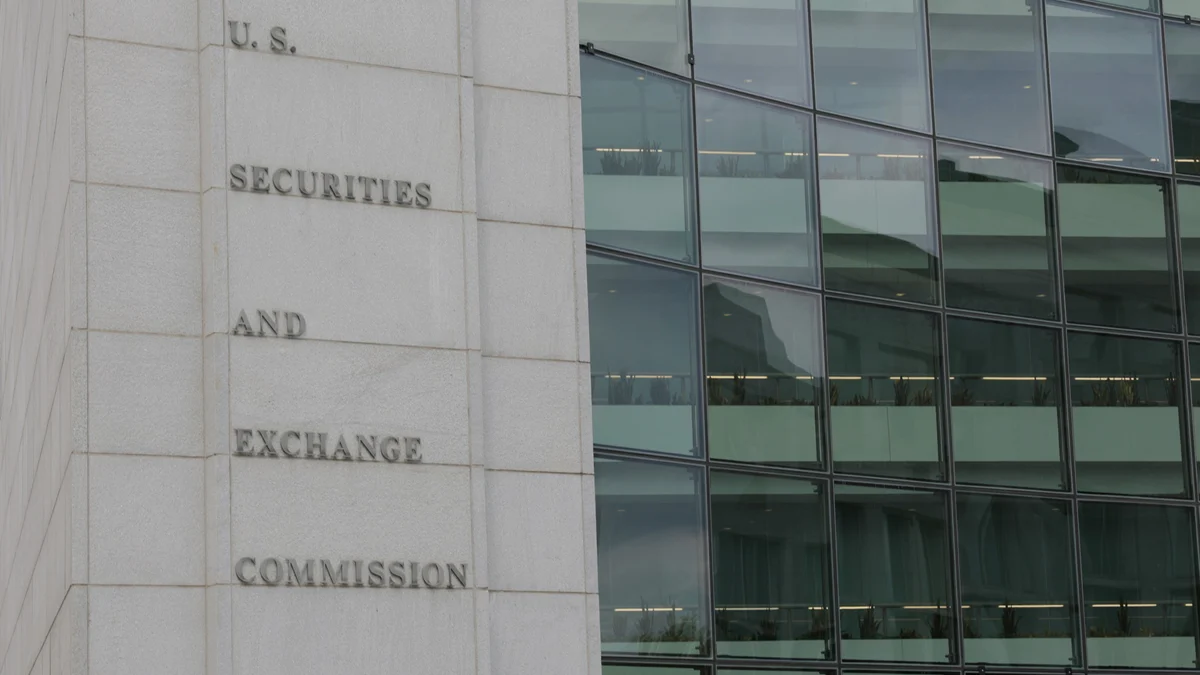
The US Securities and Exchange Commission (SEC) is advancing a significant regulatory initiative aimed at democratizing access to private markets for retail investors and broadening the scope for investment advisers to charge performance-based fees. The agency’s proposed rule, which was submitted to the White House Office of Management and Budget (OMB) on Monday, signifies a concerted effort to dismantle existing barriers that have historically confined these potentially lucrative investment avenues to institutional and high-net-worth individuals. This move reflects a growing sentiment within the SEC that the dynamism of both public and private markets should not be an exclusive privilege of the financially elite.
The proposed regulations, detailed in a rulemaking notice, intend to amend key pieces of legislation, namely the Investment Advisers Act of 1940 and the Investment Company Act of 1940. The core of the proposal revolves around "modernizing" the framework for performance fees, a structure where an investment adviser’s compensation is tied to the investment’s returns. Concurrently, the SEC aims to facilitate retail investor participation in private markets, likely through registered investment vehicles that offer a degree of regulatory oversight and investor protection. While the initial notice offered limited specifics, the underlying objective is clear: to foster greater inclusivity in financial markets.
Historical Context and Rationale for the SEC’s Proposal
For decades, private markets, encompassing investments in venture capital, private equity, and hedge funds, have been largely inaccessible to the average individual investor. This exclusivity stems from several factors, including high minimum investment requirements, complex legal structures, and a perceived need for sophisticated financial acumen to navigate the inherent risks. The prevailing regulatory philosophy has been to protect retail investors from investments that offer less transparency and liquidity compared to publicly traded securities.
The SEC’s current proposal challenges this long-standing paradigm. SEC Chairman Gary Gensler has consistently voiced concerns about the concentration of investment opportunities and has advocated for policies that promote broader participation and fairness. The agency’s statement, emphasizing that "Exposure to the full dynamism of our markets – both public and private – should not be reserved for wealthy insiders," underscores this commitment. This perspective aligns with a broader trend in financial regulation, where policymakers are increasingly scrutinizing market structures that may perpetuate wealth inequality.
The rationale behind allowing investment advisers to charge performance fees to a wider range of clients is also rooted in the idea of aligning incentives. Proponents argue that performance fees can motivate advisers to generate superior returns, thereby benefiting all investors. However, critics have raised concerns that such fee structures can also incentivize excessive risk-taking, particularly when applied to less sophisticated investors.
Key Provisions of the Proposed Rule
The proposed rulemaking notice, officially designated RIN 3235-AN59, indicates a two-pronged approach:
-
Modernizing Performance Fee Structures: This aspect of the proposal aims to revise the conditions under which investment advisers can charge performance fees. Currently, such fees are generally restricted to "qualified clients," a designation typically applied to individuals or entities meeting specific net worth or investment income thresholds, or institutional investors. By expanding the client base eligible for performance fees, the SEC could enable more investors to benefit from fee structures that directly link adviser compensation to investment success. This could, in theory, democratize access to sophisticated investment strategies.
-
Facilitating Retail Access to Private Markets: The proposal suggests enabling retail investors to gain exposure to private markets through registered funds. This is a crucial distinction, as directly investing in private companies or funds often involves significant hurdles. By channeling investments through registered funds, the SEC could introduce a layer of regulatory oversight, including disclosure requirements and fiduciary duties, that are designed to protect retail investors. This could involve creating new types of investment vehicles or adapting existing ones to accommodate private market assets.
Expert Analysis and Potential Implications
The SEC’s move has generated considerable discussion among legal experts, industry professionals, and investor advocacy groups. Thoreau Bartmann, a partner at K&L Gates and a former attorney in the SEC’s investment management division, highlighted the current limitations on performance fees. "Through limiting performance fees, you’re limiting access to that asset class," Bartmann observed. "Whether that’s a good or bad thing, that’s debatable." This statement encapsulates the ongoing debate about the merits and drawbacks of such regulatory constraints.
Potential Benefits:
- Enhanced Investment Opportunities: Retail investors could gain access to asset classes historically unavailable to them, potentially diversifying their portfolios and pursuing higher returns.
- Increased Competition and Innovation: A more open private market could foster greater competition among investment fund managers and spur innovation in investment strategies.
- Alignment of Interests: Performance fees, when structured appropriately, can align the interests of investment advisers with those of their clients, incentivizing strong performance.
Potential Risks and Concerns:
- Investor Protection: Private markets are inherently riskier, with less transparency and liquidity than public markets. Concerns persist that retail investors may not possess the financial sophistication to adequately assess these risks. Groups like Better Markets have previously warned that pushing retail investors into private market assets could primarily benefit Wall Street rather than Main Street.
- Complexity of Performance Fees: The design and implementation of performance fee structures for a broader client base require careful consideration to prevent excessive risk-taking or exploitative practices.
- Valuation Challenges: Valuing illiquid private assets can be challenging, and inaccurate valuations could lead to misinformed investment decisions.
The Regulatory Process and Timeline
The journey of a proposed rule from submission to finalization is a multi-stage process:
- OMB Review: The proposal is currently undergoing review by the White House Office of Management and Budget. This review period typically assesses the proposed rule’s economic impact, its consistency with administration policies, and potential interagency conflicts.
- Public Comment Period: Once OMB approval is granted, the SEC is expected to formally publish the proposed rule in the Federal Register. This will initiate a public comment period, during which interested parties – including investors, industry participants, and advocacy groups – can submit their feedback, concerns, and suggestions.
- Commission Vote: After reviewing the public comments, the SEC staff will likely revise the proposal based on the feedback received. The three-member commission will then vote on the final rule. This vote signifies the official adoption of the new regulation.
Given this process, it is likely that the SEC will release a proposal for public comment in the coming months. The timeline for finalization can vary significantly, often taking a year or more, depending on the complexity of the issues and the volume of public feedback.
Broader Implications for the Financial Landscape
The SEC’s proposed expansion of retail access to private markets and its reconsideration of performance fee regulations represent a significant shift in regulatory philosophy. This initiative could fundamentally alter the investment landscape, blurring the lines between traditional public and private markets.
For investment advisers, this could open up new revenue streams and client bases, but it will also necessitate a greater focus on investor education and risk management. For private market firms, it could lead to a surge in capital inflows from retail investors, potentially increasing valuations and accelerating growth, but also bringing greater regulatory scrutiny.
The SEC’s commitment to "freedom and fairness" in investment opportunities, as articulated by Chairman Gensler, suggests a vision of a more inclusive financial system. However, the success of this initiative will hinge on the SEC’s ability to strike a delicate balance between expanding access and ensuring robust investor protection. The agency will need to meticulously craft rules that mitigate the inherent risks of private markets while unlocking their potential for a broader segment of the investing public. The coming months will be critical as the SEC navigates this complex regulatory terrain, with the ultimate goal of creating a more equitable and dynamic financial ecosystem for all investors.
