

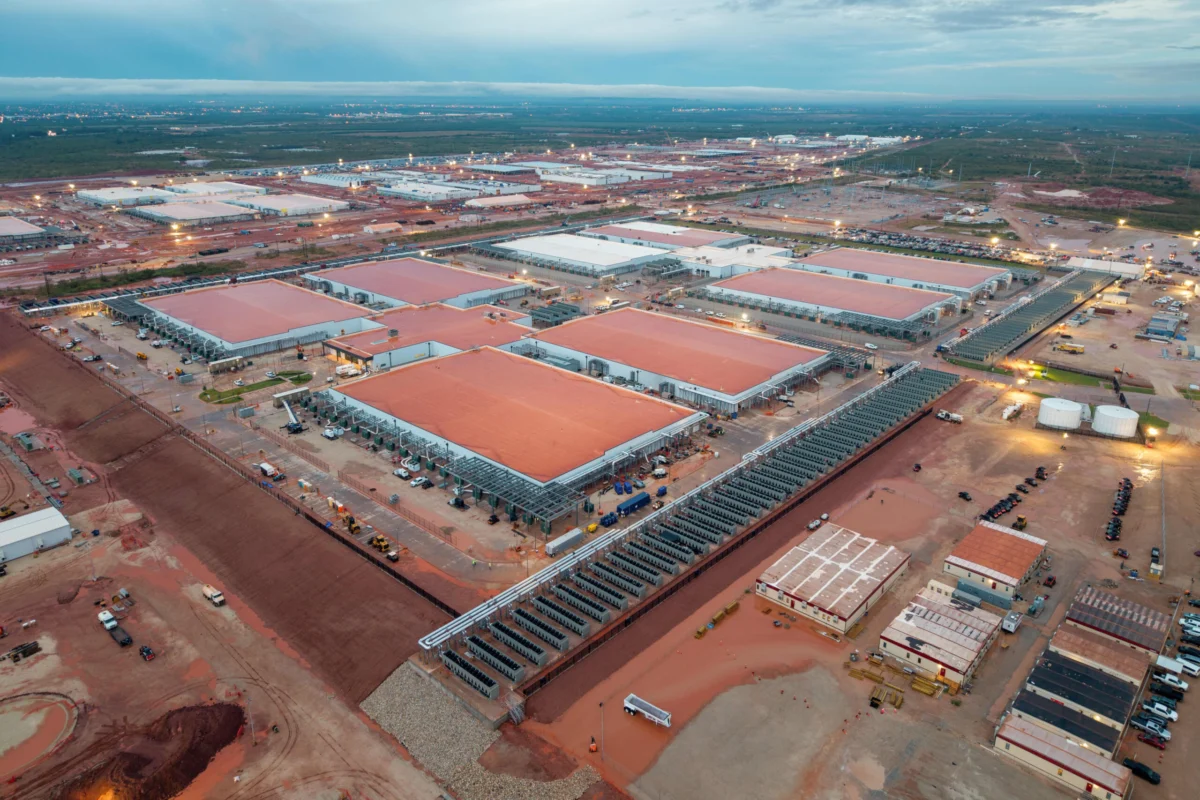
The Roundhill Memory ETF (DRAM) has shattered records, amassing an astounding $9.8 billion in assets under management (AUM) within just 43 days of its inception. This unprecedented pace, confirmed by TMX VettaFi, marks the fastest asset accumulation ever recorded for an exchange-traded fund, underscoring a profound shift in investor focus towards the foundational components of the artificial intelligence revolution. The ETF’s explosive growth highlights a critical bottleneck in the burgeoning AI infrastructure: high-bandwidth memory (HBM) and dynamic random-access memory (DRAM) chips, which are indispensable for powering advanced AI models and data centers.
The Meteoric Rise of a Specialized ETF
Launched to provide targeted exposure to companies involved in the production of memory chips, the Roundhill Memory ETF (DRAM) quickly captured the attention of investors seeking direct access to the AI supply chain. Its rapid ascent to nearly $10 billion in AUM in under two months dwarfs previous records set by even highly anticipated funds, including those tied to the recent Bitcoin mania. This extraordinary performance suggests a deep, unmet demand for investment vehicles focused on the hardware backbone of artificial intelligence. The ETF’s ability to attract such significant capital in a short timeframe is a testament to the market’s conviction regarding the sustained growth trajectory of AI and the essential role of memory technology.
Dave Mazza, CEO of Roundhill Investments, articulated the primary driver behind this rapid growth in an interview with CNBC’s "ETF Edge." He emphasized that the burgeoning AI build-out has revealed a crucial dependency on memory chips, creating a significant supply-demand imbalance. This imbalance, according to Mazza, is largely due to the highly concentrated nature of the high-bandwidth memory production market, with only a handful of global manufacturers capable of producing these sophisticated components. The market, previously known for its cyclical volatility, appears to be undergoing a fundamental re-rating driven by the insatiable demands of AI.
Understanding the AI Memory Bottleneck
At the heart of the DRAM ETF’s success is the critical role of memory in artificial intelligence. Modern AI applications, from large language models (LLMs) to complex neural networks, require immense computational power and, crucially, extremely fast access to vast datasets. Graphics Processing Units (GPUs), which are the workhorses of AI training and inference, rely heavily on specialized memory types, particularly HBM, to operate efficiently.
High-Bandwidth Memory (HBM) is a type of stacked DRAM that offers significantly higher bandwidth and lower power consumption compared to traditional DDR (Double Data Rate) DRAM. This makes HBM ideal for data-intensive applications like AI, where moving large amounts of data between the processor and memory quickly is paramount. Without sufficient HBM, even the most powerful GPUs can become bottlenecked, limiting their performance and slowing down AI development.
The production of HBM is a complex and capital-intensive process, requiring advanced manufacturing techniques and specialized intellectual property. Currently, a very small number of companies dominate this sector globally, including South Korea’s Samsung Electronics and SK Hynix, and the U.S.-based Micron Technology. This oligopolistic market structure means that even a slight surge in demand can quickly outstrip supply, leading to price increases and extended lead times for critical components. The limited number of players also means that expanding production capacity is a lengthy and costly endeavor, often requiring years to bring new fabs online.
Historical Context: From Cyclicality to AI-Driven Demand
The memory chip market has historically been characterized by pronounced boom-and-bust cycles. As Dave Mazza noted, memory chips are ubiquitous, found in everything from smartphones and smart TVs to personal computers and automobiles. This broad consumer and enterprise demand traditionally led to periods of oversupply as manufacturers ramped up production, followed by price crashes and subsequent underinvestment, perpetuating a cyclical pattern. Companies would often struggle with profitability during downturns, leading to significant volatility in stock prices.
However, the advent of generative AI and the massive build-out of data centers by hyperscale cloud providers have introduced a paradigm shift. Unlike previous demand drivers, AI’s memory requirements are not only enormous but also fundamentally different in nature. AI systems demand not just more memory, but faster and more specialized memory. This qualitative shift, combined with the sheer scale of investment in AI infrastructure, is transforming the memory market from a largely commoditized and cyclical industry into a strategic component of the digital economy.

Mazza estimates that the current supply and demand imbalance, particularly for high-bandwidth memory, could extend well into 2028. This long-term projection is based on the sustained investment in AI research and development, the continuous expansion of data centers globally, and the time required for memory manufacturers to significantly increase their HBM production capacity. The AI revolution is not a fleeting trend but a foundational technological shift, implying a sustained demand floor for advanced memory solutions.
Expert Reactions and Market Confidence
The unprecedented adoption of the Roundhill Memory ETF has elicited strong reactions from industry analysts. Todd Rosenbluth, Head of Research and Editorial at TMX VettaFi, expressed his astonishment, stating, "I’m shocked by the rapid adoption of the ETF, as memory stock demand through an ETF was not pent up like it was for bitcoin exposure." Rosenbluth’s comment underscores the unexpected velocity of investor interest, differentiating it from the more anticipated demand for Bitcoin exposure following years of regulatory hurdles. He highlighted that thematic ETFs continue to gain traction by offering focused exposure to fast-growing companies and emergent technological megatrends, with the DRAM ETF serving as a prime example of this trend.
Echoing the positive sentiment, Drew Pettit, Research Director of U.S. Equity and ETF Strategy at Citi Research, articulated confidence in the sector’s sustained performance. Speaking on "ETF Edge" alongside Mazza, Pettit emphasized that the strong price momentum observed in memory stocks is firmly backed by robust earnings momentum. "The price momentum has earnings momentum backing," Pettit remarked. "So, this is the place where we have seen the best earnings revisions this year in the United States and globally. If we’re up 300%, but your earnings expectations are up six-to-eightfold for the next few years, it still comes back reasonably priced to us." This analysis suggests that despite significant share price appreciation, the underlying earnings growth potential of memory companies involved in AI still offers an attractive valuation perspective for investors.
The Roundhill Memory ETF (DRAM) has indeed demonstrated remarkable performance since its inception, recording an increase of over 80%. While subject to short-term market fluctuations, such as the pressure observed during Friday’s trading, the overall trajectory remains sharply upward, reflecting the broader market’s bullish outlook on the AI hardware sector.
Broader Impact and Implications for the Investment Landscape
The spectacular success of the DRAM ETF carries significant implications for various facets of the financial market and the technology sector.
For Thematic Investing: The DRAM ETF’s rapid growth solidifies the trend of thematic investing. Investors are increasingly looking beyond traditional sector classifications to invest directly in specific technological megatrends. AI, cybersecurity, clean energy, and genomics are just a few examples where specialized ETFs are providing targeted exposure that broader market or sector funds cannot. This allows investors to express high-conviction views on specific disruptive technologies. The DRAM ETF’s performance will likely inspire the creation of more niche, technologically focused ETFs, further diversifying the investment landscape.
For the Memory Industry: The influx of capital into memory-focused investment vehicles signals a potentially long-term revaluation of the memory industry. Historically undervalued due to its cyclical nature, the critical role of HBM in AI is transforming it into a high-growth, strategic sector. This could lead to increased capital expenditure by memory manufacturers to expand capacity and accelerate R&D, potentially fostering innovation and technological advancements. However, it also highlights the concentration risk within the industry, as the performance of the ETF is heavily reliant on a few key players.
For AI Infrastructure Development: The investment surge into memory chips underscores the reality that AI development is not just about software and algorithms but equally about the underlying hardware. The "AI build-out" is a capital-intensive endeavor that requires massive investments in data centers, GPUs, and, crucially, high-speed memory. The supply-demand dynamics of HBM will likely influence the pace and cost of AI innovation globally. A persistent memory bottleneck could slow down the deployment of advanced AI applications, making the expansion of memory production a strategic imperative for technological leadership.
Potential Risks and Future Outlook: While the outlook for memory in the AI era appears robust, it is important to acknowledge potential risks. These include the possibility of oversupply in the long term if manufacturers over-invest in capacity, unforeseen technological shifts that could render current memory solutions obsolete, geopolitical tensions affecting global supply chains, and broader macroeconomic downturns that could dampen overall tech spending. However, most analysts believe that the current demand from AI is sufficiently strong and diversified to absorb significant capacity increases for the foreseeable future. The estimated extension of the supply-demand imbalance into 2028 provides a substantial runway for continued growth.
The Roundhill Memory ETF’s unprecedented asset accumulation serves as a powerful indicator of the market’s conviction in the enduring impact of artificial intelligence. By offering a direct and accessible investment channel into the critical memory component of the AI supply chain, the DRAM ETF has not only achieved record-breaking growth but has also illuminated the strategic importance of high-bandwidth memory in shaping the future of technology. Its success reflects a sophisticated understanding among investors of the foundational hardware requirements underpinning the most transformative technological shift of our time. As AI continues its rapid evolution, the performance of funds like DRAM will likely serve as a crucial barometer for the health and trajectory of the entire AI ecosystem.
