

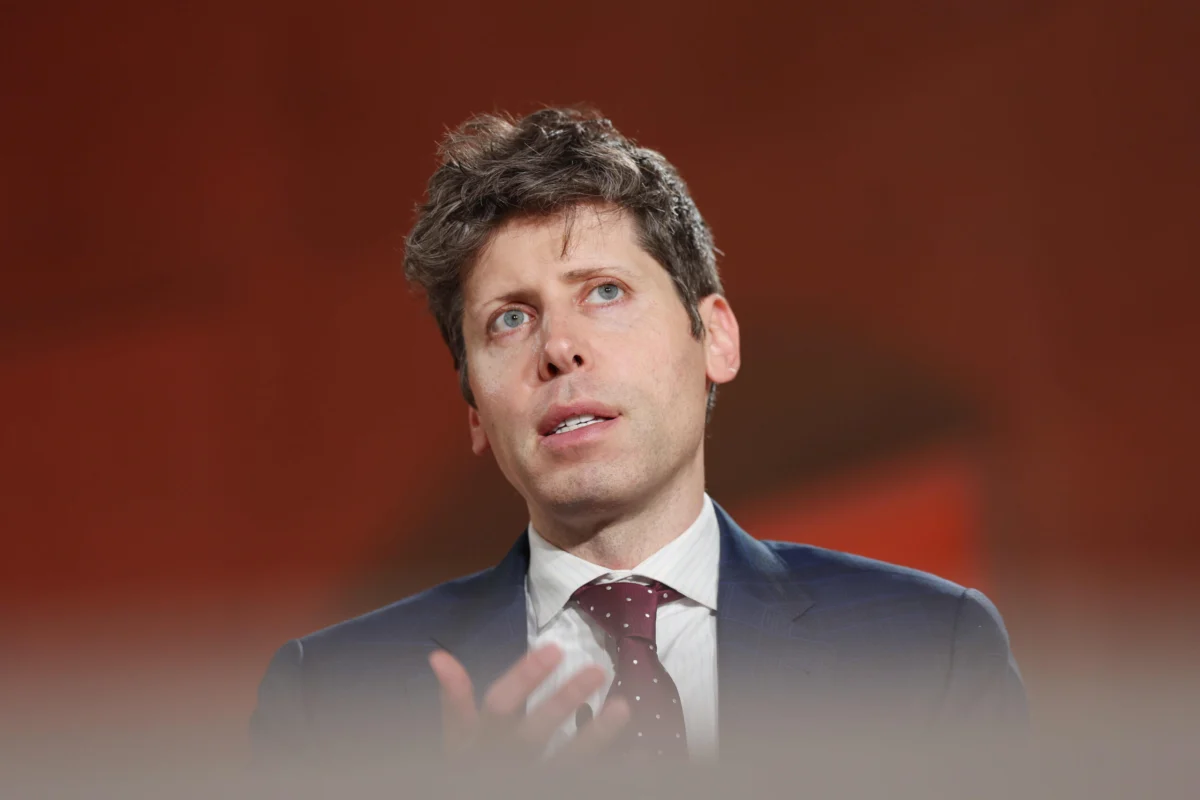
The highly anticipated initial public offering (IPO) from artificial intelligence pioneer OpenAI is now facing a revised timeline, with market observers and prediction platforms suggesting a debut on the public market may be pushed into early 2027. This shift follows a recent report by The New York Times indicating a more cautious approach by the company’s advisors, influenced by recent market performance of high-profile tech IPOs, particularly that of SpaceX. The evolving landscape of investor appetite for burgeoning technology firms, coupled with the immense valuation and transformative potential of AI, places OpenAI’s market entry under intense scrutiny.
OpenAI, a leading force in the development of large language models (LLMs) and generative AI technologies like ChatGPT, has been at the forefront of a technological revolution that has captivated global attention. Its confidential filing to go public on June 8, 2026, had initially fueled expectations for a 2026 IPO, positioning it as one of the year’s most significant market events. However, the subsequent re-evaluation reflects a dynamic market environment where even the most disruptive companies must navigate investor sentiment, valuation complexities, and broader economic indicators.
The Shifting IPO Horizon for OpenAI
Speculation surrounding OpenAI’s public market debut has intensified, with prediction market platform Kalshi now reflecting a dominant sentiment that an official IPO announcement will occur by March 1, 2027. Traders on Kalshi assign a 59% probability to an announcement by this date, a notable adjustment from earlier expectations. The likelihood of an announcement before January 1, 2027, has dwindled to approximately one-in-three odds, while the probability extends to 73% for an announcement by June 2027. These figures underscore a collective belief among market participants that the window for a 2026 listing is rapidly closing, favoring a launch in the first half of the subsequent year.
Kalshi, a regulated prediction market, defines an IPO as officially confirmed and resolves its contracts to "yes" under specific conditions: the Securities and Exchange Commission (SEC) declaring a company’s S-1 registration form effective, the establishment of an official IPO price, or the issuance of a trading ticker symbol. This structured approach provides a quantitative, albeit speculative, barometer of market expectations. The current probabilities indicate a recalibration of timelines, moving away from the aggressive 2026 schedule many analysts and investors had initially projected.
Background: OpenAI’s Meteoric Rise and the AI Revolution
OpenAI’s journey from a research laboratory to a global technology powerhouse has been nothing short of extraordinary. Founded in 2015 with a mission to ensure that artificial general intelligence (AGI) benefits all of humanity, the organization transitioned to a "capped-profit" model in 2019 to attract significant investment while maintaining its foundational mission. This structural innovation allowed it to secure billions in funding, most notably from Microsoft, which has integrated OpenAI’s technologies across its product suite.
The launch of ChatGPT in November 2022 marked a pivotal moment, democratizing access to sophisticated generative AI and sparking a global AI arms race. The technology’s ability to generate human-like text, translate languages, write different kinds of creative content, and answer questions informatively has demonstrated the immense potential of AI to transform industries ranging from healthcare and finance to education and creative arts. This breakthrough fueled an unprecedented wave of investment into AI startups, with valuations soaring to astronomical levels, often based on future growth potential rather than immediate profitability.
OpenAI’s valuation has likewise escalated dramatically. Following a tender offer earlier in 2026, the company’s valuation reportedly approached $90 billion, placing it among the most valuable privately held technology companies globally. Such a valuation creates significant pressure for an IPO, offering early investors and employees a liquidity event while providing fresh capital for continued research, development, and scaling of its compute infrastructure, which requires substantial investment.
The IPO Process and Regulatory Scrutiny
The path to a public listing is a complex and highly regulated process. A company embarking on an IPO must first confidentially file an S-1 registration statement with the SEC. This document provides a comprehensive overview of the company’s business, financials, risks, and management team. The confidential nature of the initial filing allows companies to iron out details with the SEC without immediate public scrutiny. Once the SEC reviews and provides feedback, the S-1 is typically made public, signaling the commencement of the "quiet period," during which the company engages in a "roadshow" to present its investment case to institutional investors.
For a company like OpenAI, operating at the cutting edge of AI, regulatory scrutiny extends beyond standard financial disclosures. The ethical implications of AI, concerns over data privacy, potential for misuse, and the sheer power of its models are subjects of ongoing debate among policymakers worldwide. The SEC, alongside other regulatory bodies, is increasingly vigilant about how AI companies disclose risks related to their technology, including potential biases, security vulnerabilities, and the broader societal impact. These considerations can add layers of complexity and extend the timeline for a successful public offering.
Chronology of Recent Events Influencing the Delay
The decision to potentially delay OpenAI’s IPO appears to be a reactive measure influenced by several key events in the recent past:
- June 1, 2026: Anthropic’s Confidential Filing: OpenAI’s chief rival, Anthropic, known for its Claude family of AI models and a strong emphasis on AI safety, confidentially filed for its own IPO at the beginning of June. This move set the stage for a potential head-to-head public market debut between the two AI giants. Prediction market data from Kalshi currently suggests a 70% chance that Anthropic officially announces its public market debut by December 2026, indicating a more aggressive timeline than OpenAI’s revised outlook.
- June 8, 2026: OpenAI’s Confidential Filing: OpenAI formally initiated its IPO process by confidentially filing its S-1 with the SEC, signaling its intent to go public. At this juncture, a 2026 IPO was widely expected, with many analysts forecasting a late Q3 or early Q4 debut.
- June 12, 2026: SpaceX’s Public Market Debut: Elon Musk’s space exploration company, SpaceX, made its long-awaited public market debut. This was heralded as the first of several "mega-cap" IPOs expected in 2026, setting a precedent for other high-valuation, high-growth tech companies.
- June 22, 2026: SpaceX Post-IPO Volatility: Following an initial rally post-IPO, SpaceX’s stock experienced a significant sell-off. This volatility, characterized by an initial surge followed by a retreat, raised concerns among market observers and, crucially, among OpenAI’s advisors.
- June 25, 2026: The New York Times Report: The NYT report highlighted that the post-IPO performance of SpaceX had made OpenAI’s advisors more cautious. The concern centered on whether retail investors, initially enthusiastic about high-profile tech offerings, might exhibit less sustained interest, potentially leading to a similar rally-and-fall pattern for OpenAI. This perceived shift in retail investor appetite, coupled with broader market conditions, appears to be a primary driver for the potential delay.
Market Sentiment and Investor Appetite
The performance of SpaceX’s IPO offers a critical lesson in the current market environment. While institutional investors often anchor large IPOs, retail investor participation can significantly influence initial trading dynamics and overall market sentiment. A volatile post-debut period, characterized by rapid price swings, can deter future retail engagement and impact long-term stock stability. For a company like OpenAI, with a massive public profile due to ChatGPT, attracting and retaining a broad base of investors, including retail, is crucial for a successful and stable public market journey.
Beyond specific IPO performance, the broader economic climate plays a significant role. Interest rate hikes, inflationary pressures, and geopolitical uncertainties have tempered the exuberant valuations seen in previous tech booms. Investors are increasingly scrutinizing profitability metrics, sustainable growth trajectories, and clear paths to market leadership, rather than solely relying on projected future potential. While OpenAI’s revenue has grown rapidly, driven by enterprise subscriptions and API usage, the company also incurs substantial costs for research, development, and operating its vast computational infrastructure. Presenting a compelling narrative of sustainable profitability and efficient capital utilization will be paramount.
Moreover, the competitive landscape in AI is intensifying. Beyond Anthropic, established tech giants like Google (with Gemini and DeepMind) and Meta (with Llama) are heavily investing in and deploying their own advanced AI models. This competitive pressure means that OpenAI must not only maintain its technological lead but also demonstrate a robust business model that can thrive amidst fierce innovation and market rivalry.
Implications for OpenAI and the AI Industry
A delayed IPO for OpenAI carries several implications:
- Strategic Flexibility: A postponement might afford OpenAI more time to solidify its business model, diversify revenue streams beyond its core AI models, and perhaps achieve greater profitability before facing public market scrutiny. It could also allow the company to further mature its governance structures and investor relations framework.
- Funding and Growth: While OpenAI is well-funded, an IPO provides access to a much larger pool of capital, which is essential for the immense compute power required to train and deploy next-generation AI models. A delay might necessitate alternative funding rounds or a more conservative approach to expansion in the interim.
- Competitive Positioning: While a delay could allow for strategic refinement, it also means competitors like Anthropic might gain an early advantage in accessing public capital and establishing their market presence. The race for AI leadership is not just technological but also financial.
- Market Signal: OpenAI’s decision, if confirmed, sends a strong signal to other high-growth tech companies considering an IPO. It underscores the importance of timing, market conditions, and investor sentiment over simply being "ready" to go public. It suggests that even market leaders are exercising caution in a nuanced and perhaps less forgiving market.
- Valuation Dynamics: While OpenAI’s private valuation is robust, a delayed IPO could allow the company to aim for an even higher public valuation if market conditions improve and its financial performance continues to accelerate. Conversely, prolonged uncertainty or adverse market shifts could also impact its ultimate valuation.
- Investor Confidence: For the broader AI sector, a cautious approach from OpenAI could be seen as a sign of prudence, potentially fostering more sustainable growth rather than speculative bubbles. It emphasizes the long-term potential of AI while acknowledging the short-term market realities.
Outlook: Navigating the Path to Public Markets
The coming months will be critical for OpenAI as it navigates the complexities of a potential public listing. CEO Sam Altman and the leadership team will be closely monitoring market conditions, the performance of recent tech IPOs, and the broader economic outlook. While the allure of public capital remains strong, the imperative to ensure a stable and successful debut appears to be taking precedence over speed.
The revised timeline, as reflected by prediction markets and industry reports, suggests a calculated strategic pivot. OpenAI’s eventual IPO will undoubtedly be a landmark event, not just for the company but for the entire technology sector and the future of artificial intelligence. It will provide a crucial barometer of investor confidence in the long-term potential of AI and set a precedent for how the market values and integrates these transformative technologies. Until then, the industry watches with bated breath, anticipating the next move from the company that ignited the AI revolution.
