

The commercial real estate market, particularly the office sector, is experiencing a surprisingly strong resurgence in demand during the first quarter of 2024, defying persistent economic uncertainties and a complex post-pandemic employment landscape. This robust recovery, highlighted by significant increases in prospective tenant activity, signals a potential turning point for an industry grappling with high vacancy rates and evolving work models. Despite ongoing global geopolitical tensions, including conflicts in Eastern Europe and the Middle East, alongside domestic economic fluctuations, businesses are increasingly re-evaluating their physical office footprints, driving a notable uptick in leasing inquiries.
The Resurgence of Office Demand: A Deeper Look at VTS Data
According to the VTS Office Demand Index (VODI), a leading indicator of office leasing activity that forecasts signed leases approximately 12 to 18 months out, new in-person and virtual office tours reached their highest levels since the onset of the pandemic. This crucial metric, widely recognized for its predictive power in the commercial real estate sector, demonstrated an impressive 18% increase from the fourth quarter of 2023 and a 13% rise compared to the same period in the first quarter of 2023. These figures underscore a significant shift in corporate sentiment and strategic planning regarding office space utilization.
Nick Romito, CEO of VTS, a prominent commercial real estate software company, emphasized the exceptional start to the year for office demand. "Although tested against a turbulent backdrop, demand for office space has seen an exceptional start to the year," Romito stated in a recent release. He further highlighted a crucial aspect of this recovery: "What perhaps is most notable about this quarter’s positive performance is that it was led not just by tech’s sustained AI boom – but also by finance and legal companies entering the market as well." This diversification of demand drivers suggests a broader-based recovery than previously observed, indicating that the appeal of physical office space is extending beyond the technology sector.
Beyond Tech: Diversified Drivers Fueling Growth
While the Artificial Intelligence (AI) boom continues to be a dominant narrative, particularly in tech-centric markets, the re-engagement of the finance and legal sectors is a critical development. These industries, traditionally pillars of urban office markets, are often characterized by client-facing roles, collaborative team structures, and stringent regulatory environments that favor in-person work. The renewed activity from these sectors suggests that a significant portion of the corporate world is moving past the initial post-pandemic experimentation with fully remote models towards a more structured hybrid or full return-to-office approach.
The finance industry, for instance, often thrives on spontaneous interactions, mentorship, and a strong corporate culture that is challenging to replicate virtually. Similarly, legal firms frequently require secure environments for confidential discussions, extensive physical document management, and in-person client meetings, making dedicated office space indispensable. Their re-entry into the market with increased demand signals a recalibration of workplace strategies across diverse professional services.
A Paradoxical Recovery: Employment vs. Demand Dynamics
One of the most intriguing aspects of this surge in demand is its apparent contradiction with current employment trends. Data from the Bureau of Labor Statistics indicates that office-using employment remains approximately 2% below its 2022 levels. Traditionally, a contraction in employment within office-dependent sectors would correlate with a decrease in office demand. However, the current scenario suggests a more complex dynamic at play.
This divergence could be attributed to several factors. Firstly, the lingering impact of the "Great Resignation" and subsequent labor market adjustments may have temporarily depressed office-using employment figures, even as companies plan for future growth and expansion. Secondly, and perhaps more significantly, the decline in overall office-using employment might be empowering employers with greater leverage to enforce return-to-office (RTO) mandates. With a slightly less tight labor market compared to the peak of the pandemic, companies may feel more confident in requiring employees to spend more days in the office, thereby necessitating a continued or even expanded physical footprint. This dynamic reflects a power shift from employees, who largely dictated remote work terms during the pandemic, back towards employers seeking to rebuild corporate culture, foster collaboration, and enhance productivity through in-person engagement.
The Evolving Landscape of Vacancy: A Segmented Market
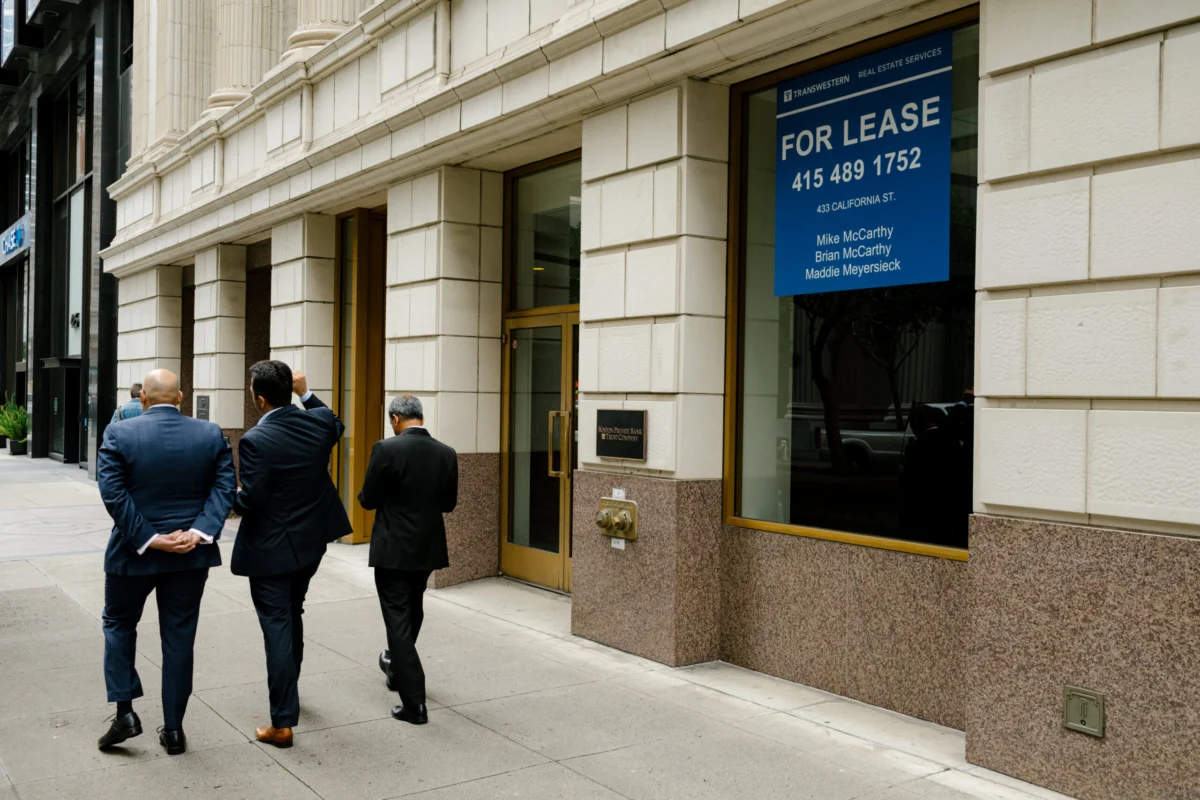
Despite the recovering demand, the national office vacancy rate remains elevated. According to a report from JLL, a global commercial real estate services and investment management firm, the national office vacancy rate saw a modest decline of 14 basis points in the first quarter of 2024, settling at 22.2% from the previous quarter. This figure is also down 30 basis points from its peak in the second quarter of 2023. While any reduction in vacancy is positive, the overall rate underscores a persistent challenge for the sector.
Crucially, the JLL report highlights a significant segmentation within the market: vacancy remains "hyper-concentrated predominantly in larger-scale, aging buildings with financially constrained owners." A striking statistic reveals that just 10% of office buildings account for over 60% of the total national vacancy. This phenomenon, often referred to as the "flight to quality," indicates that while demand is recovering, it is not evenly distributed across all asset classes. Newer, amenity-rich, and strategically located buildings are attracting tenants, leaving older, less modernized, and less accessible properties struggling to fill space. This creates a two-tiered market where prime assets thrive, while secondary and tertiary properties face increasing obsolescence and financial distress.
A Tale of Two Cities (and Regions): Localized Recovery
As with virtually all aspects of real estate, the office recovery is profoundly local, exhibiting significant variations across different metropolitan areas.
Leading the Charge:

- San Francisco: The Bay Area, particularly San Francisco, is experiencing a strong resurgence in office demand, primarily fueled by the sustained growth of Artificial Intelligence (AI) technology employment. The city, a global hub for technological innovation, has seen an influx of AI startups and established tech giants expanding their AI divisions, driving demand for specialized office and lab spaces. This recovery is a welcome development for a city that experienced some of the steepest declines in office occupancy during the pandemic.
- New York City: The diverse economic base of New York City continues to underpin its strong office demand. Beyond finance and legal, sectors like media, fashion, healthcare, and consulting contribute to a steady need for prime office real estate. The city’s unique blend of industries and its role as a global business capital make its office market more resilient to single-industry downturns.
- Los Angeles: The "Creative Capital of the World" saw double-digit increases in demand on a quarterly basis, largely propelled by significant growth in its creative industries. This includes film, television, digital content creation, gaming, and advertising. As production activities ramp up and companies seek collaborative spaces for creative teams, demand for strategically located, flexible office environments in areas like Hollywood, Santa Monica, and Culver City has surged.
Markets Under Pressure:
- Boston: In contrast, Boston emerged as the worst-performing market in the VTS report. The city’s traditionally robust life science sector, a major driver of office and lab space demand, has taken a significant hit due to "significant government funding cuts." This reduction in research and development funding has led to a slowdown in expansion plans for biotech and pharmaceutical companies, directly impacting the demand for specialized laboratory and office facilities.
- Seattle, Washington D.C., and Chicago: These major metropolitan areas are experiencing contracting demand, primarily because they are "not seeing strong employment growth" in the key sectors driving the national recovery. Seattle, another tech hub, has been affected by broader tech industry layoffs and a slower return-to-office pace among its dominant employers. Washington D.C.’s market, heavily reliant on government contractors and associations, is experiencing slower growth as federal spending patterns evolve. Chicago, while economically diverse, has not seen a singular industry boom powerful enough to offset the broader headwinds facing office markets.
Ryan Masiello, Chief Strategy Officer of VTS, elaborated on these regional disparities: "The AI boom continues to be a dominant headline for office, and markets that lack a major tech presence, or are without a primary growth lever in another industry, are seeing declines in demand." He also commented on the unexpected strength in Los Angeles, stating, "LA’s positive performance this time around was a new bright spot – and it remains to be seen if Los Angeles can sustain growth in the near term."
The "Flight to Quality" Phenomenon: A Defining Trend
The current recovery is not uniform. A defining characteristic is the pronounced "flight to quality." Companies are increasingly selective, prioritizing modern, amenity-rich buildings that offer state-of-the-art technology, flexible layouts, wellness facilities, and sustainable features. These premium spaces are viewed as essential tools to attract and retain talent, foster collaboration, and enhance corporate culture in a hybrid work environment. This trend exacerbates the challenges for owners of older, less desirable buildings, often referred to as "Class B" or "Class C" properties, which struggle to compete for tenants and maintain occupancy rates. Many of these older assets face significant obsolescence risks, requiring substantial capital investment for renovations or, in some cases, considering conversion to residential or other uses.
Historical Context: From Pandemic Exodus to Hybrid Horizon
To fully appreciate the current recovery, it is crucial to understand the trajectory of the office market over the past few years.
- Pre-Pandemic Boom (Pre-2020): Before the COVID-19 pandemic, the office market in major global cities was generally robust, characterized by low vacancy rates and rising rents, driven by strong economic growth and expanding corporate footprints. Co-working spaces were gaining traction, and the concept of "experience" in the office was already emerging.
- The Work-From-Home Revolution (2020-2021): The sudden onset of the pandemic in early 2020 triggered an unprecedented shift to remote work. Offices emptied almost overnight, leading to a dramatic drop in physical occupancy, deferred leasing decisions, and a surge in sublease space availability. Many predicted the permanent demise of the traditional office.
- The Hybrid Experiment (2021-2023): As vaccines became available and economies reopened, companies began to experiment with various return-to-office models. The "hybrid" model, combining remote and in-office work, emerged as a dominant trend, though its implementation varied widely. This period was marked by uncertainty, employee resistance to full-time office returns, and landlords struggling to adapt their offerings to new tenant demands. Corporate leaders grappled with maintaining productivity, fostering culture, and managing real estate costs in this evolving landscape.
Economic Undercurrents and Investment Landscape
The broader economic environment continues to play a significant role in shaping the commercial real estate market.
- Interest Rate Impact: The aggressive interest rate hikes by central banks globally, aimed at curbing inflation, have had a profound impact on commercial real estate financing. Higher borrowing costs have made new developments more expensive and have put pressure on existing property owners, particularly those with floating-rate debt or approaching refinancing deadlines. This has led to a slowdown in investment sales and new construction in some markets.
- Inflation and Economic Uncertainty: Persistent inflation, coupled with fears of a potential recession, continues to influence corporate decision-making. Businesses are exercising caution with long-term commitments, including office leases, and are often seeking greater flexibility in terms and space utilization.
- Investor Sentiment: Investor sentiment in the commercial real estate sector remains cautious but is showing signs of targeted optimism. While overall transaction volumes might be down, there’s increasing interest in high-quality, well-located office assets that align with the "flight to quality" trend. Investors are also exploring opportunities in distressed assets, particularly older office buildings that could be repositioned or converted.
Expert Insights and Industry Reactions
Beyond the VTS leadership, other industry experts are weighing in on the nuanced recovery. Economists suggest that the current demand surge might reflect a delayed response to economic stability and a renewed focus on corporate culture and collaboration. "Companies have spent the last few years optimizing for remote work, but many are now realizing the intangible benefits of in-person interaction – spontaneous innovation, stronger team bonds, and more effective mentorship," noted Dr. Eleanor Vance, a commercial real estate economist. "The current demand suggests a strategic pivot towards leveraging the office as a tool for competitive advantage."
Real estate developers and landlords are reacting by accelerating investments in building upgrades, offering enhanced amenities, and adopting flexible lease structures to attract and retain tenants. Many are actively pursuing certifications for sustainability and wellness, recognizing that these features are no longer just ‘nice-to-haves’ but essential components of a modern, desirable office environment. City planners, too, are monitoring these trends closely, as a vibrant office market is crucial for the health of urban economies, supporting local retail, public transit, and ancillary services.
Broader Implications for Urban Centers
The recovery of office demand carries significant implications for urban centers. A strong office market contributes to:
- Economic Vitality: More occupied offices mean more commuters, leading to increased patronage for restaurants, cafes, retail stores, and public transportation, revitalizing downtown cores that struggled during the pandemic.
- Tax Revenue: Property taxes from commercial real estate are a vital source of revenue for municipal governments, funding essential public services. A healthy office market helps stabilize and grow this tax base.
- Urban Planning and Development: Sustained demand provides incentives for further investment in infrastructure, public spaces, and mixed-use developments, fostering dynamic and livable urban environments. However, the concentration of demand in prime assets also means that cities must contend with potential blight and underutilization in older commercial districts, necessitating creative solutions like adaptive reuse programs or targeted revitalization initiatives.
Challenges and the Road Ahead
Despite the positive indicators, significant challenges persist. The structural issues of high vacancy in older buildings, particularly those with financially constrained owners, will require innovative solutions. Adaptive reuse, converting vacant office space into residential units, hotels, or other uses, is gaining traction but faces hurdles related to zoning, building codes, and financing. The long-term future of work, while trending towards hybrid, is not definitively settled, and companies will continue to adjust their strategies based on productivity, employee preferences, and economic conditions.
The office market’s Q1 2024 performance offers a nuanced but encouraging outlook. While a full return to pre-pandemic occupancy levels for all buildings remains a distant prospect, the robust demand for modern, high-quality spaces, driven by diversified industries, signals a significant step towards stabilization and renewed growth. The ongoing challenge will be for the market to adapt to the "flight to quality" trend and address the structural issues affecting older assets, ensuring a resilient and dynamic future for urban office ecosystems.
