

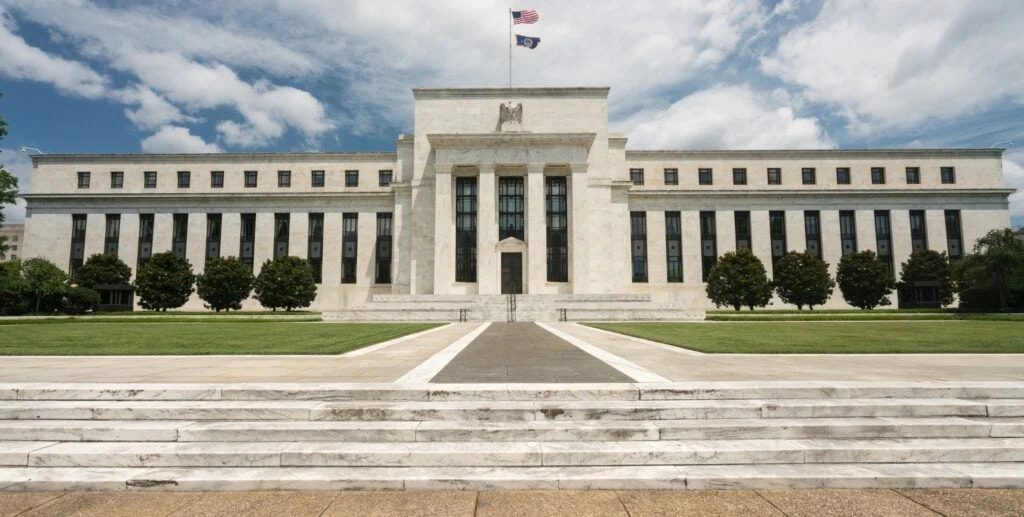
The transition of leadership at the Federal Reserve has historically signaled potential shifts in monetary policy, but the appointment of Kevin Warsh as the new chair has not yielded the immediate reprieve that many in the real estate sector anticipated. Despite previous public statements favoring rate reductions during the tenure of his predecessor, Jerome Powell, Chair Warsh has confronted an economic landscape defined by persistent inflationary pressures and heightened geopolitical instability. The reality of the current fiscal environment has forced a significant pivot in his policy stance, aligning his current strategy closely with the restrictive measures that have characterized the last several years of American monetary oversight.
Central to this policy continuity is the ongoing conflict in Iran, which has introduced significant volatility into global energy markets and disrupted supply chains. These external shocks have kept inflation well above the Federal Reserve’s 2% target, rendering the prospect of immediate interest rate cuts economically unfeasible. During a recent press conference, Warsh emphasized that the committee remains committed to price stability, noting that "persistently high prices are a burden for the American people." This hawkish rhetoric has effectively dismantled the hopes of investors who expected a "magic wand" approach to lower borrowing costs, signaling instead that the "higher for longer" interest rate environment is likely to persist through the remainder of 2026.
The Evolution of Federal Reserve Leadership and Policy
The transition from the Powell era to the Warsh chairmanship was initially viewed by some market participants as a potential turning point toward more accommodative monetary policy. However, the Federal Open Market Committee (FOMC) has maintained a steady hand, keeping rates unchanged in the most recent session while simultaneously hinting at further hikes. This reversal is particularly notable given Warsh’s previous criticisms of the Fed’s pace under Powell. Analysts suggest that the shift from a critic to a policymaker has forced Warsh to prioritize the long-term health of the U.S. dollar and the mitigation of systemic inflation over short-term market relief.
The current Federal Reserve stance is a direct response to a "malaise" that has gripped the financial sector. With the Iran war showing no signs of immediate resolution, the cost of living in the United States has continued to climb, fueled by higher gas prices, increased materials costs, and rising insurance premiums. For small landlords and real estate investors, this means that the cost of capital remains prohibitively high, complicating the acquisition of new properties and the refinancing of existing debt.
Housing Market Trends and the Reality of Declining Prices
While interest rates remain a significant hurdle, the housing market itself is undergoing a cooling phase that presents a paradox for investors. According to May 2026 data from Realtor.com, the national median listing price has experienced a downward trend for seven consecutive months. In May, prices fell by 2.4% year-over-year, bringing the national median to approximately $429,500. This represents the sharpest annual decline recorded since 2017, suggesting that a "reality check" is occurring among sellers who must now contend with a buyer pool constrained by limited affordability.
This decline in property values indicates a transition into a buyer’s market. Sellers are increasingly willing to negotiate terms, offer concessions, or lower asking prices to move inventory that has sat stagnant on the market. However, for the average small landlord, the benefit of lower purchase prices is often negated by the high cost of financing. A 2.4% drop in price is frequently outweighed by a mortgage rate that remains significantly higher than the levels seen in the early 2020s. Consequently, the market is currently favoring cash-rich buyers who can bypass the lending environment entirely, securing deals at a discount without the burden of high-interest debt.
Institutional Forecasts and the Prospect of Autumn Rate Hikes
The outlook for the remainder of 2026 remains aggressive. Major financial institutions, including Bank of America and Deutsche Bank, have updated their forecasts to reflect a more hawkish Federal Reserve. Analysts at Bank of America have noted that the Fed’s "reaction function" appears more committed to tightening than previously estimated. Forecasts now suggest a potential 25 basis point rate hike in September, with additional increases likely in October and December.
If these projections materialize, it would represent one of the most aggressive late-cycle tightening phases in recent history. Such a move would likely bring residential housing sales to a near-standstill, as the gap between seller expectations and buyer capabilities widens. The "Summary of Economic Projections" released by the Fed indicates that the committee is less concerned with a temporary slowdown in the housing sector than they are with the "entrenchment" of inflation. For property owners looking to unload assets, this environment creates a sense of urgency, potentially leading to further price drops as they attempt to exit positions before borrowing costs climb even higher.
The Shift in Real Estate Strategy: Moving Beyond the Old Playbook
For years, the prevailing wisdom in real estate investing was to "date the rate and marry the house"—a strategy predicated on the belief that high interest rates are temporary and that properties can be refinanced when rates eventually drop. In the current climate, experts warn that this playbook may be obsolete. The "higher for longer" trend suggests that investors may find themselves in an extended "engagement" with high rates, with no clear timeline for a refinancing opportunity.
The implications for small landlords are profound. Without the safety net of refinancing, the fundamental metrics of a deal—specifically cash flow—become the only reliable measure of success. Investors are being urged to adopt a more conservative approach, focusing on properties that remain profitable even under high-interest debt structures. This necessitates a pivot toward markets with high rent-to-price ratios, such as the Midwest, where lower entry costs provide a larger margin for error.
Furthermore, the rising costs of property ownership extend beyond the mortgage. Small landlords are facing a "quadruple threat" of rising expenses:
- Insurance: Premiums have surged due to climate risks and increased replacement costs.
- Taxes: Local governments are reassessing property values, leading to higher tax bills even as market prices soften.
- Materials: Maintenance and renovation costs remain elevated due to supply chain disruptions linked to the Iran conflict.
- Gas and Utilities: Energy costs continue to impact the bottom line for landlords who include utilities in rent or manage multiple distant properties.
The Rental Market as a Silver Lining
Despite the challenges in the acquisition market, the rental sector remains a point of strength for established landlords. As homeownership becomes increasingly unaffordable for the average American, the demand for rental housing has stayed robust. A recent survey from 2-10 Home Buyers Warranty revealed that 44% of current renters now view renting as a long-term lifestyle choice rather than a temporary stepping stone.
The survey highlighted that 34% of respondents cited affordability as the primary reason they are unable to transition into homeownership. This creates a captive audience for landlords. While high interest rates prevent tenants from leaving to buy their own homes, they also limit the amount of new rental inventory being built, keeping supply tight and allowing for steady rent growth in many markets. This dynamic provides a level of stability for investors who can weather the current high-interest environment, as occupancy rates are expected to remain high across most metropolitan areas.
Strategic Recommendations for a High-Interest Era
To navigate this period of economic uncertainty, market analysts suggest that investors focus on "long game" fundamentals. This includes:
- Geographic Diversification: Prioritizing markets in the Midwest and other regions where the cost of living remains lower and the local economy is resilient.
- Cash Reserves: Maintaining ample liquidity to cover unexpected vacancies or emergency repairs without needing to tap into high-interest credit lines.
- Tax Contestation: Proactively challenging property tax assessments to ensure that the tax burden reflects the current cooling of the market.
- Operational Efficiency: Implementing technology and management strategies to reduce overhead and maximize the net operating income of existing portfolios.
The current environment, while challenging, is also described by some as an era of opportunity for those with the discipline to stick to fundamentals. The lack of competition from retail buyers and over-leveraged investors allows those with capital to negotiate deep discounts. As Charles Dickens famously observed, "It was the best of times, it was the worst of times." For the prepared investor, the current market represents a rare chance to acquire assets at a discount, provided they do not rely on the Federal Reserve to bail them out with future rate cuts.
Final Analysis of the Warsh Era
The tenure of Kevin Warsh as Federal Reserve Chair is proving to be a testament to the power of economic reality over political or theoretical preference. By maintaining a hawkish stance and prioritizing the fight against inflation, Warsh is signaling that the era of "easy money" is not returning anytime soon. For small landlords, this means the focus must remain on sustainability, cash flow, and long-term value. The housing market is no longer a place for speculative growth driven by low rates; it has returned to a market of fundamentals where only the most diligent and conservative investors will thrive. As 2026 progresses, the ability to adapt to this "new normal" will define the success or failure of real estate portfolios across the country.
