

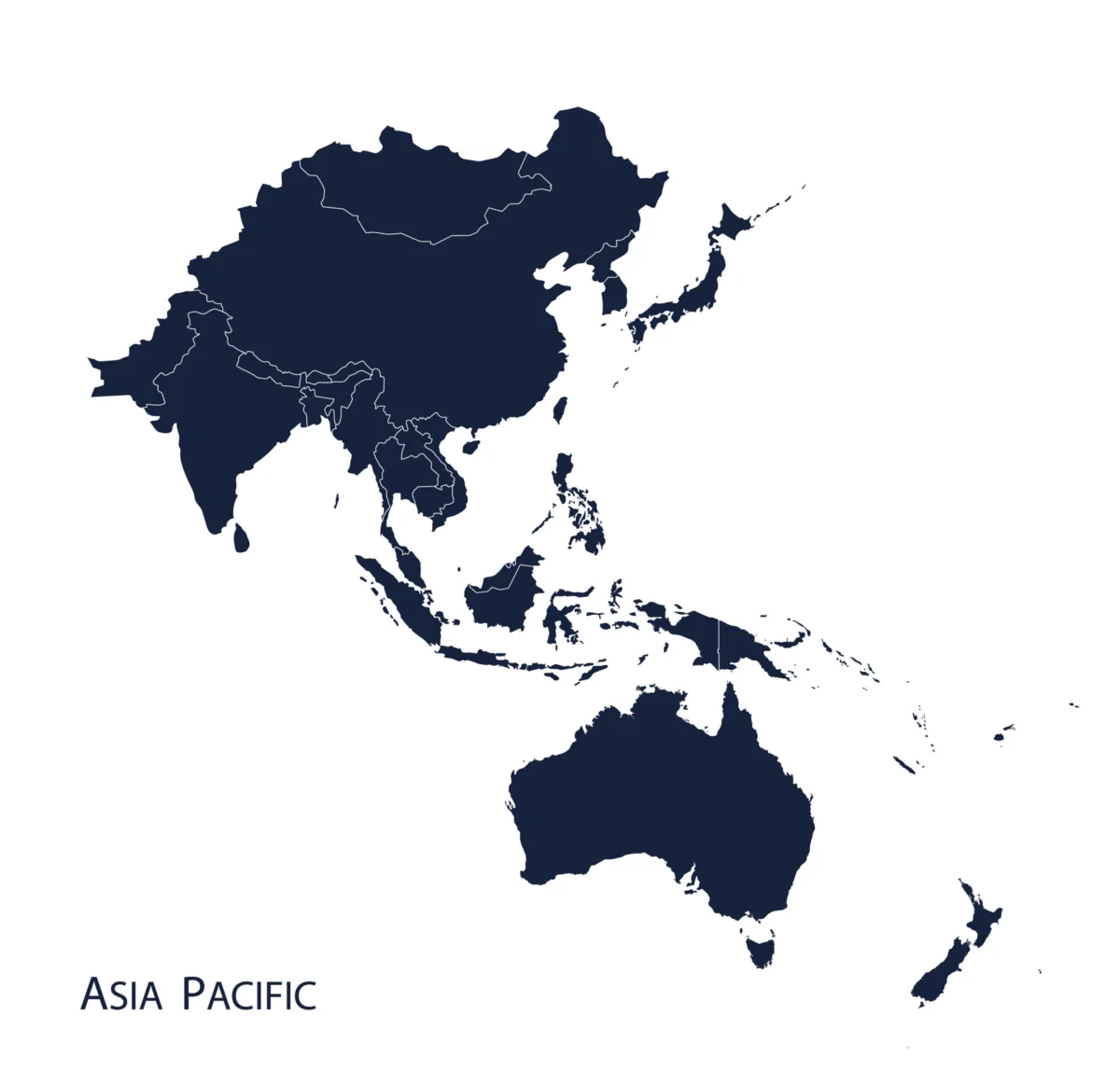
In an era defined by escalating geopolitical fragmentation, the boards of directors across the Asia-Pacific (APAC) region are confronting an unprecedented challenge: the imperative to transcend a singular focus on short-term profit maximization and instead champion a model of stewardship that adeptly balances economic growth with robust organizational resilience. The inherent dynamism of the APAC region, characterized by its rapid adoption of cutting-edge technologies, significant demographic shifts, and intricate economic interdependence, is increasingly at odds with a global landscape marked by rising protectionism, persistent supply chain disruptions, and intensifying geopolitical rivalries. For boards and their investment committees (ICs), the message is unequivocal: corporate governance frameworks must undergo a fundamental evolution to effectively bridge existing knowledge gaps, integrate sophisticated systems thinking, and embed long-term resilience as a cornerstone of corporate strategy.
The Shifting Geopolitical Landscape: Fragmentation as a Persistent Reality
The notion that geopolitical fragmentation is a transient disruption is a misconception that APAC boards can no longer afford to entertain. Instead, it must be recognized as a structural and enduring feature of the global operating environment. This fundamental shift necessitates the adoption of governance models that prioritize adaptability, foresight, and a proactive approach to risk management. The volatility stemming from trade disputes, regional conflicts, and the re-evaluation of global alliances introduces a complex web of uncertainties that can significantly impact market access, supply chain integrity, and investor confidence. For instance, the ongoing tensions between major global powers have already led to bifurcated technology ecosystems and rerouted trade flows, demonstrating the tangible impact of geopolitical shifts on corporate operations and strategic planning. Boards must therefore cultivate an agile mindset, capable of anticipating and responding to unforeseen disruptions with speed and efficacy.
Bridging Governance Education Gaps: Equipping Boards for Complexity
A critical vulnerability for many APAC boards lies in uneven levels of governance literacy, particularly concerning emerging areas such as sustainability, the pervasive impact of digital transformation, and the multifaceted nature of geopolitical risk. To lead effectively in this complex environment, a continuous and comprehensive investment in director education is paramount. This is not a perfunctory exercise but an ongoing process essential for directors to acquire and maintain the knowledge and skills required to navigate systemic shocks.
The Imperative for Continuous Learning
The rapid pace of change in technology, regulatory frameworks, and societal expectations means that governance expertise must be perpetually updated. Boards that fail to prioritize ongoing professional development for their directors risk being caught off guard by systemic crises, unable to provide the strategic guidance necessary to protect and enhance enterprise value. This includes understanding the nuances of environmental, social, and governance (ESG) factors, which are increasingly scrutinized by investors, regulators, and the public. For example, a board lacking expertise in climate risk may be ill-equipped to address the financial implications of evolving carbon pricing mechanisms or the physical risks posed by climate change to its operational assets. Similarly, a deficit in understanding digital security risks can leave an organization vulnerable to cyberattacks with potentially catastrophic consequences.
Integrating Systems Thinking: A Holistic Approach to Decision-Making
The traditional tendency for boards to view complex issues in isolation is a significant impediment to effective governance. Short-termism often thrives in such siloed environments. Systems thinking, conversely, offers a powerful corrective by fostering an understanding of how economic, social, environmental, and political factors are deeply interconnected and influence one another. This holistic perspective enables boards to move beyond simplistic cause-and-effect analyses and to anticipate the often-unforeseen second-order effects of their decisions.
Anticipating Cascading Impacts
By embracing systems thinking, boards can become more adept at identifying potential ripple effects across their organizations and value chains. For example, a board considering a strategic shift based solely on immediate market demand might overlook how evolving climate regulations in a key sourcing jurisdiction could cascade into significantly higher supply chain costs across multiple markets. Likewise, understanding the interconnectedness of social equity and economic stability can inform strategies that mitigate risks associated with social unrest and foster long-term consumer loyalty. The COVID-19 pandemic served as a stark reminder of how interconnected global systems are, with health crises rapidly morphing into economic downturns, supply chain breakdowns, and shifts in consumer behavior. Boards that had already integrated systems thinking were arguably better positioned to adapt and respond to these multifaceted challenges.
Balancing Growth with Long-Term Resilience: The New Precondition for Success
The allure of rapid growth, particularly within the burgeoning markets of APAC, can create a powerful temptation for boards to prioritize immediate shareholder returns at the expense of long-term resilience. True stewardship, however, demands a delicate equilibrium between meeting short-term financial objectives and ensuring the sustainable creation of value over the long haul. Resilience is not an antithesis to growth; rather, in today’s volatile global environment, it is an essential prerequisite for sustained and meaningful growth.
Building a Resilient Enterprise
A resilient enterprise is one that can not only withstand shocks but also adapt and emerge stronger from them. This requires proactive measures such as diversifying supply chains to reduce reliance on single sources or regions, investing in robust cybersecurity infrastructure, fostering a culture of innovation that allows for rapid adaptation to changing market conditions, and building strong relationships with stakeholders to enhance social license to operate. For instance, companies that had diversified their manufacturing footprints prior to the pandemic experienced less disruption than those heavily concentrated in a single geographical area. Similarly, investing in employee training and well-being can enhance organizational agility and reduce the impact of workforce disruptions. The financial performance of companies with strong ESG credentials has also shown greater resilience during periods of market volatility, suggesting a correlation between responsible practices and long-term value creation.
Practical Steps for APAC Boards and Investment Committees
To effectively navigate the complexities of the contemporary geopolitical and economic landscape, APAC boards and investment committees should consider implementing the following practical measures:
- Enhanced Director Training Programs: Develop and implement rigorous, ongoing training modules focused on geopolitical risk assessment, systemic thinking, cybersecurity, and ESG integration. This should include scenario planning exercises and simulations to test board preparedness.
- Strategic Integration of Systems Thinking: Mandate the use of systems thinking frameworks in strategic planning, risk assessments, and investment appraisals. This could involve cross-functional workshops and the engagement of external experts to facilitate this integration.
- Resilience Stress Testing: Conduct regular stress tests on the organization’s operations, supply chains, and financial models to identify vulnerabilities and develop contingency plans. This should go beyond traditional financial stress tests to include geopolitical and climate-related scenarios.
- Diversification Strategies: Actively pursue diversification of supply chains, markets, and revenue streams to reduce dependency and enhance adaptability. This may involve exploring near-shoring or friend-shoring initiatives where strategically advantageous.
- Stakeholder Engagement and ESG Integration: Deepen engagement with a broad range of stakeholders, including employees, customers, suppliers, and communities, to build trust and foster long-term value. Integrate ESG considerations systematically into the company’s core strategy, risk management, and performance metrics.
- Technology and Innovation Investment: Prioritize investment in technologies that enhance operational resilience, improve data analytics capabilities for better decision-making, and foster innovation to adapt to evolving market demands.
- Board Composition Review: Ensure that the board possesses a diverse range of skills, experiences, and perspectives relevant to the contemporary challenges, including expertise in international affairs, technology, sustainability, and risk management.
Stewardship as the New Leadership Standard
In this era of profound geopolitical fragmentation, APAC boards can no longer afford the indulgence of short-termism. The future belongs to those organizations and leaders who fully embrace the principles of stewardship – a form of governance that is informed by deep understanding, interconnected in its approach, and inherently resilient in its design. By diligently bridging educational deficits, embedding sophisticated systems thinking into their decision-making processes, and meticulously balancing the pursuit of growth with the imperative of long-term resilience, boards and investment committees across Asia can not only safeguard enterprise value but also make a substantial contribution to regional stability and enduring prosperity.
Stewardship is not a passive posture; it is a deliberate and active leadership choice. For boards operating within the dynamic APAC region, the challenges are immense, but so too is the unparalleled opportunity to redefine and elevate the standards of corporate governance for a new, more complex era. This proactive approach is increasingly being recognized as a critical differentiator for long-term success and a vital component of responsible corporate citizenship in the 21st century. The integration of these principles is not merely about risk mitigation; it is about positioning organizations for sustained competitive advantage and positive societal impact in an ever-changing world.
The CAIA Association’s latest report, "The World Rewired," further underscores these critical shifts, offering a comprehensive analysis of the evolving investment landscape and the strategic imperatives for professionals and organizations navigating these new realities. The report delves into the interconnectedness of global markets and the increasing importance of alternative investments and sophisticated risk management techniques in building resilient portfolios.
About the Contributor
Nick Pollard, Managing Director, APAC at CAIA Association, brings over 15 years of international finance experience to this analysis. His current role focuses on expanding CAIA’s presence in the vital APAC market, drawing on his expertise in business development and his commitment to nurturing the next generation of finance professionals. Prior to his tenure with CAIA, Pollard served for seven years as Managing Director for the CFA Institute in APAC, where he forged strong relationships with institutional partners, employers, universities, and regulatory bodies. His earlier career included significant leadership positions at The Royal Bank of Scotland’s Coutts Asia division, where he held the role of CEO, and subsequently, Head of International Learning and Professional Development for Coutts International. Pollard began his career at NatWest Group, where he developed a strong foundation in marketing and talent development. Having resided and worked in the APAC region for nearly two decades, he possesses a unique vantage point on the region’s economic and demographic trajectories. He holds a B.A. from University College, London.
To learn more about the CAIA Association and its role in shaping the future of investing, please visit https://caia.org/.
