

The compliance profession, a critical bulwark against regulatory breaches and ethical lapses, finds its traditional hiring practices lagging behind its own dynamic evolution. For too long, the interview process for compliance roles has been characterized by outdated questioning techniques that fail to accurately gauge a candidate’s true capabilities. Hiring managers often find themselves asking questions that, while seemingly standard, offer little insight into a candidate’s ability to navigate complex ethical gray areas, effectively influence stakeholders resistant to change, or construct a robust and defensible compliance program under significant pressure. This disconnect leaves both employers and potential hires at a disadvantage. Companies risk onboarding individuals who lack the practical acumen required for the role, while candidates, often entering interviews underprepared or lacking the tools to critically assess the organization’s commitment to compliance, may find themselves in positions that do not align with their career aspirations or the genuine needs of the business. Recognizing this pervasive challenge, a new comprehensive toolkit has been developed, aiming to bridge this gap and equip both hiring managers and candidates with the necessary resources for more effective and insightful recruitment.
The Genesis of a Modern Hiring Solution
The impetus for this new toolkit stems from a growing awareness within the compliance community that existing recruitment methodologies are no longer fit for purpose. The increasing complexity of global regulations, the pervasive threat of sophisticated cybercrimes, and the ever-present demand for ethical business practices have elevated the role of compliance officers to strategic importance. Consequently, the skills required have become more nuanced and demanding. A compliance professional today must possess not only a deep understanding of legal and regulatory frameworks but also exceptional communication, negotiation, and strategic thinking abilities. They must be adept at translating complex requirements into actionable policies, fostering a culture of integrity across an organization, and proactively identifying and mitigating emerging risks.
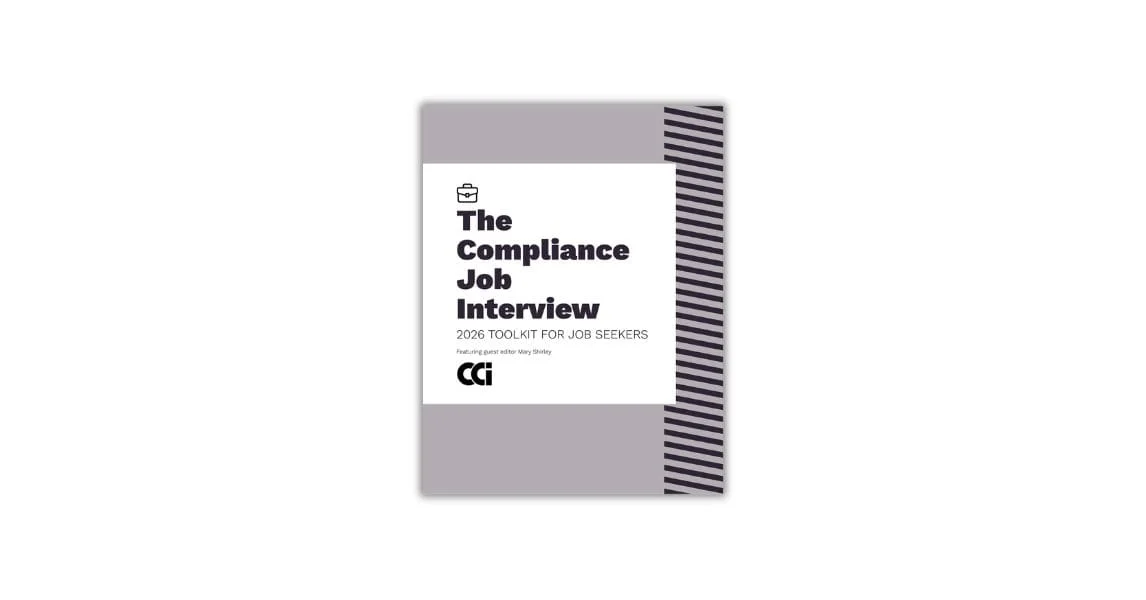
Mary Shirley, a recognized expert in compliance and ethics, has served as the guest editor for this groundbreaking initiative, lending her extensive experience and insights to its development. The toolkit is meticulously structured to address the shortcomings of traditional interview processes by offering a tiered approach, organized by experience level. This allows for tailored questioning and evaluation that is relevant to the specific demands of junior, mid-level, and senior compliance roles. The core philosophy behind the toolkit is to move beyond superficial responses and delve into the substantive skills and experiences that truly define a successful compliance professional. It aims to empower hiring managers to ask questions that elicit genuine understanding of a candidate’s problem-solving capabilities, their ability to influence and persuade, and their resilience under duress. Simultaneously, it provides candidates with a framework to articulate their qualifications with depth and strategic insight, moving beyond mere recitation of past duties to a demonstration of their potential impact.
Beyond the Standard Interview: Empowering Candidates with Reverse Questions
A significant and often overlooked aspect of the hiring process is the candidate’s evaluation of the prospective employer. Many interview guides focus solely on what an employer should ask a candidate, neglecting the equally vital role of the candidate in assessing the organization. This new toolkit addresses this deficiency by including a robust set of "reverse-interview" questions. These are specifically designed to enable candidates to thoroughly evaluate an organization’s genuine commitment to compliance. In an era where corporate culture and ethical leadership are under increasing scrutiny, candidates are no longer content with simply seeking a job; they are seeking to join organizations that truly embody the principles they are tasked with upholding.
These reverse-interview questions are crafted to probe deeper than surface-level statements about compliance. They are designed to elicit concrete evidence of an organization’s dedication to ethical conduct, its investment in compliance resources, and the extent to which compliance is integrated into its strategic decision-making processes. By asking these questions, candidates can gain a clearer picture of the organizational culture, the support structure for the compliance function, and the leadership’s buy-in. This empowers candidates to make informed decisions, ensuring they are not only a good fit for the role but that the organization is also a suitable environment for them to thrive and effectively execute their responsibilities.
A Glimpse into the Toolkit’s Contents
The toolkit offers a multifaceted approach to improving compliance hiring, providing practical guidance and actionable tools. For hiring managers, it offers a repository of strategically designed interview questions that move beyond rote memorization and into the realm of applied knowledge and behavioral assessment. These questions are categorized to assess critical competencies such as:
- Risk Identification and Mitigation: Questions that explore how candidates identify potential compliance risks in complex scenarios, their methodologies for assessing the likelihood and impact of these risks, and their strategies for developing effective mitigation plans. This might involve hypothetical case studies or discussions of past challenges.
- Stakeholder Influence and Communication: This section focuses on assessing a candidate’s ability to effectively communicate complex compliance requirements to diverse audiences, including senior leadership, operational teams, and external parties. Questions will aim to understand their strategies for gaining buy-in, managing resistance, and fostering a culture of compliance.
- Program Development and Implementation: For more senior roles, the toolkit provides questions designed to evaluate a candidate’s experience in designing, implementing, and managing comprehensive compliance programs. This includes their understanding of best practices, their ability to allocate resources effectively, and their methods for measuring program success.
- Ethical Decision-Making and Judgment: The toolkit includes scenarios that test a candidate’s ethical compass and their ability to make sound judgments in ambiguous situations. This involves exploring their decision-making frameworks and their understanding of the potential consequences of various ethical choices.
For candidates, the toolkit offers guidance on how to approach compliance interviews with confidence and strategic intent. It provides insights into the underlying objectives of common interview questions, enabling them to craft responses that demonstrate not just knowledge but also practical application and strategic thinking. Furthermore, the comprehensive set of reverse-interview questions serves as a vital tool for self-assessment, allowing candidates to:
- Gauge Leadership Commitment: Questions designed to understand how senior leadership champions compliance initiatives, participates in compliance training, and holds themselves and others accountable.
- Evaluate Resource Allocation: Inquiries into the budget, staffing, and technological resources dedicated to the compliance function, indicating the organization’s investment in its compliance infrastructure.
- Understand Cultural Integration: Questions that explore how compliance is embedded within the company’s day-to-day operations, decision-making processes, and performance evaluations.
- Assess Reporting Structures and Independence: An examination of how the compliance function reports to the board or audit committee, ensuring its independence and ability to operate without undue influence.
The inclusion of these reverse-interview questions marks a significant departure from traditional hiring resources. It acknowledges that a strong compliance program is not solely dependent on the skills of the compliance officer but also on the organizational environment in which they operate. By empowering candidates to ask probing questions, the toolkit fosters a more balanced and informed hiring process, ultimately leading to better long-term outcomes for both the individual and the organization.
The Broader Impact and Implications for the Compliance Field
The development and dissemination of this toolkit arrive at a pivotal moment for the compliance profession. As regulatory scrutiny intensifies globally, and the stakes associated with non-compliance continue to rise, organizations are increasingly recognizing the strategic imperative of a robust and effective compliance function. Data from various industry reports consistently highlights the escalating costs of compliance failures, from substantial fines and legal penalties to severe reputational damage and loss of stakeholder trust. For instance, a recent study by the Association of Certified Compliance & Ethics Professionals (ACCEP) indicated that companies with mature compliance programs experienced, on average, 40% fewer regulatory fines compared to those with less developed programs.
The implications of this enhanced hiring toolkit are far-reaching. For organizations, it promises a more efficient and effective recruitment process, leading to the selection of candidates who are not only qualified but also genuinely suited to the specific demands of their compliance roles and organizational culture. This, in turn, can translate into more proactive risk management, reduced instances of misconduct, and a stronger ethical foundation. The toolkit’s emphasis on reverse-interview questions can also serve as a catalyst for organizations to self-assess and improve their own compliance frameworks, as candidates armed with these questions will naturally gravitate towards companies that demonstrate a genuine commitment to ethical governance.
For compliance professionals, the toolkit offers a valuable resource for career advancement and strategic positioning. By understanding how to effectively articulate their value and how to critically assess potential employers, candidates can secure roles that offer greater impact and alignment with their professional goals. This empowerment can foster a more engaged and effective compliance workforce, contributing to a broader culture of integrity across industries.
The toolkit’s structure, organized by experience level, reflects the nuanced progression of a compliance career. Junior compliance analysts, for example, might focus on questions assessing their understanding of foundational principles and their ability to support senior team members. Mid-level compliance officers will be evaluated on their ability to manage specific compliance areas and contribute to program development. Senior compliance leaders, such as Chief Compliance Officers, will face questions probing their strategic vision, their experience in navigating complex organizational politics, and their ability to build and lead high-performing compliance teams. This graduated approach ensures that hiring aligns with the evolving responsibilities and skill sets required at each stage of a compliance professional’s journey.
The proactive nature of this toolkit, addressing both sides of the hiring equation, is a significant step forward. It acknowledges that successful compliance hiring is a collaborative effort, requiring mutual understanding and strategic alignment. As the compliance landscape continues to evolve, tools like this will be instrumental in ensuring that organizations can attract, retain, and empower the talent necessary to navigate the complexities of modern business ethics and regulatory adherence, thereby safeguarding their reputation and fostering sustainable growth. The "Instant Download" option, prominently featured, underscores the urgency and accessibility of this resource, aiming to immediately equip professionals with the means to tackle the challenges of compliance hiring in the 21st century.
