

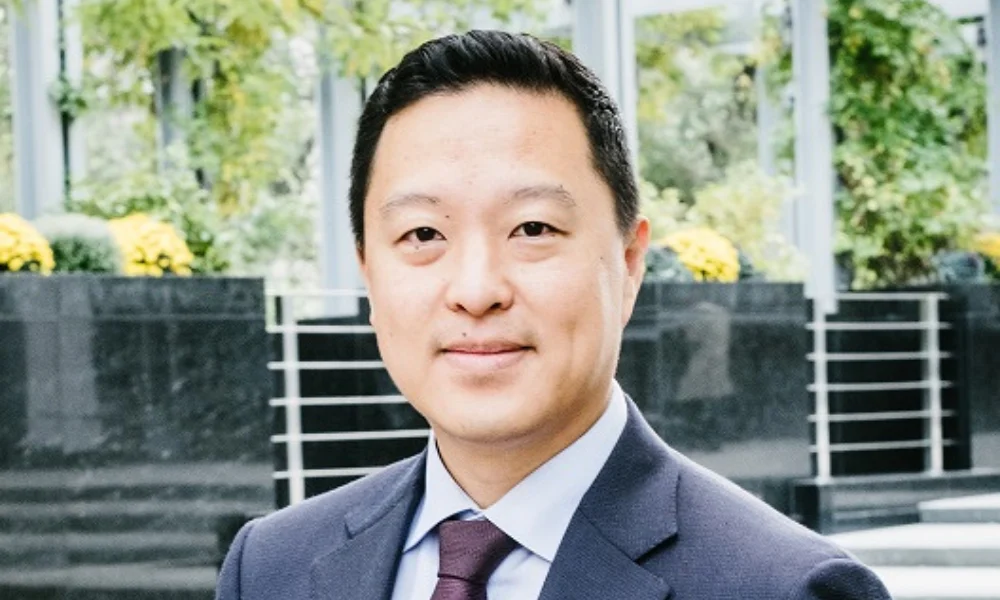
The specter of economic uncertainty, fueled by ongoing international trade disputes, is prompting a palpable shift in client sentiment. While some remain largely unfazed, a significant segment of the clientele is grappling with profound questions about the enduring prosperity their own generations have enjoyed and whether the next can replicate it. Gene Kim, Branch Owner & Portfolio Manager of the Summit Private Wealth team within Mandeville Private Client Inc., is at the forefront of these crucial conversations, helping clients find measured answers and strategic clarity amidst the prevailing economic fog.
The current climate, marked by the intricate and often volatile relationship between Canada and its largest trading partner, the United States, has introduced a new layer of anxiety for many. Clients are increasingly voicing concerns about the long-term ramifications of these trade dynamics on their hard-earned estates, the financial security of their families, and, critically, the future economic prospects of their children and grandchildren. While Kim readily admits he cannot predict the resolution of these complex geopolitical and economic conflicts, he asserts his capability to address the underlying generational anxieties through robust and forward-thinking financial planning.
"The demographic of our clientele is generally affluent," Kim explains. "So there is an overarching concern about enduring family wealth, and we do manage generational wealth. So I think that when you have major targeted goals such as education in the US, which can be very expensive, we earmark all of those goals in the plans." This proactive approach involves meticulously modeling various scenarios to account for potential shifts in educational aspirations and associated costs. "We can model out scenarios. So what if they go to school in the US? What if they go to school internationally? What if they needed to buy a new car for the kid? What if they need to help with the down payment? This is becoming more and more of a reality for Canadian families to help the next generation with major purchases."
Adapting Strategies to Evolving Realities
Kim’s strategy involves a nuanced adjustment of client plans, encompassing a re-evaluation of risk tolerance and a realistic assessment of future financial commitments, such as funding higher education. He emphasizes the importance of providing context to these discussions, ensuring that any revisions to long-term goals or new financial decisions are grounded in rational analysis rather than succumbing to heightened emotional responses that can be amplified by the relentless news cycle.
The ongoing trade friction, particularly the imposition of tariffs and counter-tariffs, has historically been a catalyst for significant economic adjustments. For instance, the U.S.-China trade war, which began to escalate significantly in 2018 with the imposition of tariffs on billions of dollars of goods, demonstrated the potential for widespread economic disruption. This period saw fluctuating market sentiment, supply chain reconfigurations, and a heightened awareness of geopolitical risks impacting global trade. While the current Canada-U.S. dynamic may differ in specifics, the underlying principle of economic interdependence and vulnerability to trade policy shifts remains a critical consideration.
Maintaining Rationality Amidst Emotional Headlines
Kim’s approach is deeply rooted in fostering a rational decision-making framework, particularly when clients exhibit heightened sensitivity to negative news. He observes a correlation between increased news consumption and a greater susceptibility to emotionally charged headlines. While encouraging clients to stay informed, he stresses the importance of critical evaluation and a balanced perspective.
"While issues like this trade war may prompt some clients to insist their children need to go to school abroad, or make them want to buy their children a house to give them more financial security, Kim also tries to assess the extent to which these decisions are being driven by emotion," the original report highlighted. This assessment is crucial for preventing impulsive actions that could have detrimental long-term financial consequences. For example, a sudden urge to divest from U.S. assets due to patriotic sentiment or fear of economic fallout, without a thorough analysis, could lead to missed opportunities and suboptimal portfolio performance.
Kim counsels clients against knee-jerk reactions, such as a complete divestment from U.S. assets. While acknowledging the patriotic sentiment that might arise, he underscores the inherent risks of over-reliance on any single market. "Too heavy a weight to the Canadian market leaves them deeply overexposed to certain sectors and underexposed to others. Broad diversification mandates a healthy exposure to the United States and he believes that no form of bad headline or bellicose rhetoric from the Trump administration should change that." This principle of diversification is a cornerstone of sound investment strategy, aiming to mitigate risk by spreading investments across various asset classes, geographies, and sectors. The U.S. market, with its vast and diverse economy, remains a critical component of a well-balanced global portfolio for many Canadian investors.
A History of Emphasizing Diversification
Kim’s emphasis on diversification is not a recent development. He has been reinforcing this message since the introduction of tariffs, which began to impact the economic landscape at the start of 2025. Over the subsequent 20 months, he has consistently highlighted the critical importance of a diversified investment approach to his clients. His discourse has also broadened to encompass other emerging risks, such as the increasing concentration within certain equity indices due to the rapid growth of AI-linked mega-cap companies. By framing these discussions around market realities and proactively preparing clients for potential market and macroeconomic events, Kim aims to insulate their financial decisions from emotional biases.
The period around 2025, for example, saw significant global economic shifts. The introduction of new trade policies and tariffs by various nations created ripples across industries, impacting supply chains, consumer prices, and corporate earnings. This environment demanded a strategic re-evaluation of investment portfolios, with a strong emphasis on resilience and adaptability. Kim’s consistent communication on these themes has likely helped his clients navigate these complexities with greater composure.
Renewed Outreach Amidst Bleak News Cycles
Despite consistent guidance and rational communication, Kim recognizes that the latest escalation in trade tensions necessitates a renewed and intensified outreach effort. He is particularly prioritizing communication with business owner clients, especially those whose enterprises are directly affected by new tariffs and trade restrictions. His outreach also extends to clients who are either approaching retirement or have recently retired. This life stage is particularly sensitive to financial volatility, and any ill-timed decisions or market downturns can have enduring consequences. Therefore, Kim believes that proactive engagement with these clients is paramount.
For younger clients, who generally possess a longer investment horizon, the capacity to weather market fluctuations is greater. However, Kim acknowledges that the recurring nature of "generational" economic shocks can sometimes foster a sense of fatalism. In response, he offers a dose of historical context, reminding them of the long-term trajectory of human progress and the compounding power of consistent investment.
The rise of alternative investments, such as cryptocurrencies, and the increasing engagement in activities like sports betting, can be seen as a reflection of younger generations seeking potentially higher, albeit riskier, returns in an uncertain economic climate. While these avenues offer the allure of rapid wealth accumulation, Kim’s approach focuses on instilling a sense of perspective and encouraging a reflective analysis of how personal viewpoints and even aesthetic sensibilities can influence reactions to global events.
The Power of Perspective and Rationality
Kim’s overarching message is one of balance and reasoned optimism. "We can’t lose perspective on what’s happening right now, but the world does get better. Amplifying what we see in the news or on social media, I think, can do a lot of harm," he states. He advocates for a balanced approach to news consumption, encouraging clients to seek information from diverse sources to understand intent and positioning, while remaining vigilant against sensationalism designed to provoke emotional responses.
"It’s important to rationalize that and ask how it applies to you, how it affects your investments, how you can protect yourself, and whether there are still opportunities for your future. Because there are," Kim concludes. This perspective underscores the enduring opportunities that exist even in challenging economic environments, provided a strategic and rational approach is adopted. The ability to identify and capitalize on these opportunities, while mitigating risks, is the hallmark of effective financial stewardship in times of uncertainty.
The economic landscape is continuously shaped by a confluence of geopolitical events, technological advancements, and shifting consumer behaviors. The ongoing trade dialogue, while a significant factor, is but one element in a complex global economic tapestry. Factors such as inflation rates, interest rate policies enacted by central banks, energy prices, and global supply chain resilience all play a crucial role in determining the overall economic outlook. For instance, moderating but elevated inflation rates, as observed in recent economic reports, necessitate careful consideration of investment strategies to preserve purchasing power. Similarly, the Federal Reserve’s (or Bank of Canada’s) monetary policy decisions regarding interest rates have a profound impact on borrowing costs, investment valuations, and overall economic growth.
Kim’s counsel to his clients reflects a broader understanding of these interconnected economic forces. By emphasizing rational analysis, disciplined diversification, and a long-term perspective, he aims to empower his clients to navigate the complexities of the current economic climate and secure a prosperous future for subsequent generations. The core of his strategy lies in distinguishing between transient market noise and fundamental economic trends, ensuring that financial decisions are anchored in data and strategic foresight rather than fleeting emotional reactions. This commitment to evidence-based planning and emotional resilience is invaluable in fostering enduring wealth and confidence amidst global economic flux.
