

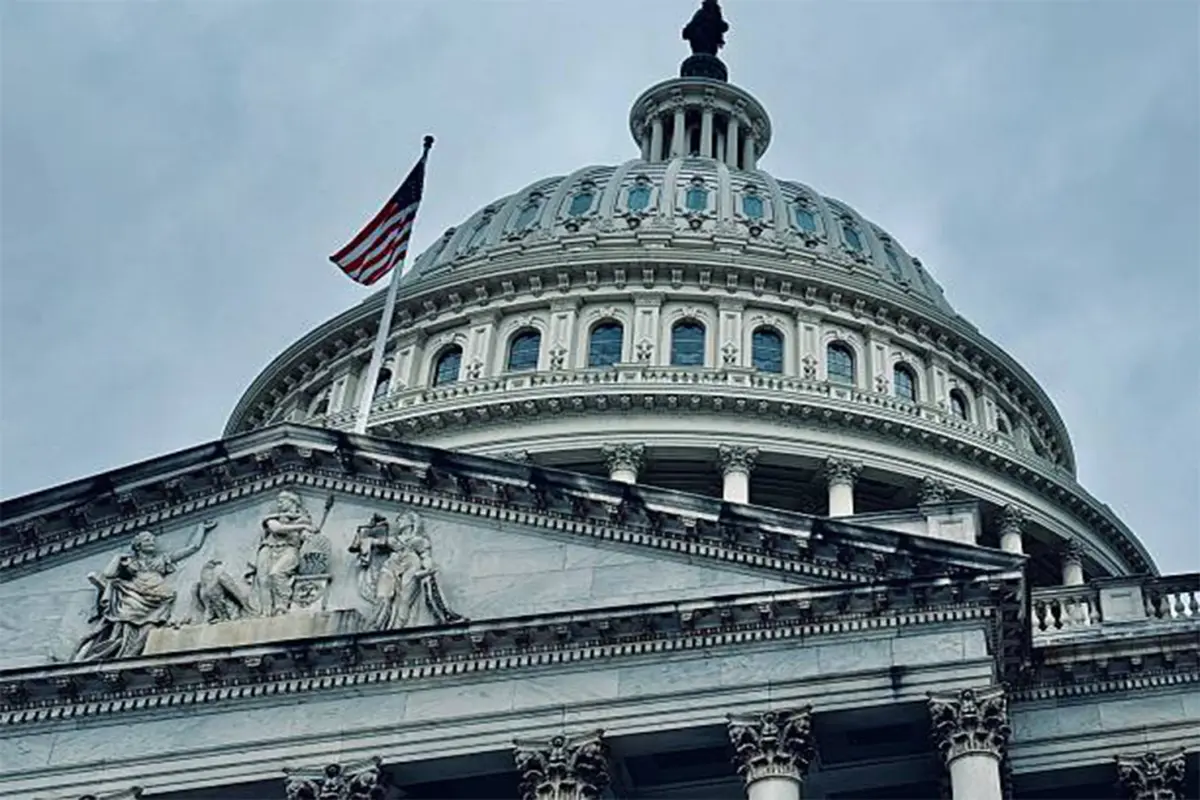
The recent midterm elections have sent ripples across various sectors, and the realm of estate planning and wealth advisory is no exception. As political landscapes shift, so too do the legislative and economic environments that govern how individuals and families manage their wealth for future generations. This analysis delves into the potential ramifications of the midterm election outcomes on estate planning strategies, offering critical insights for practitioners and wealth advisors navigating this evolving terrain.
The T&E Inner Circle Expert Sessions, a subscriber-exclusive webinar series, is poised to dissect these complex issues in a forthcoming 30-minute presentation, followed by a dedicated question-and-answer session. This initiative, featuring discussions led by recognized subject matter experts with extensive experience in estate planning, aims to equip attendees with actionable strategies and a deeper understanding of the current and future implications of the electoral results. The T&E Inner Circle is a premium offering designed to provide subscribers with unparalleled access to timely and critical information, fostering continuous professional development within the estate planning community.
Background and Context of the Expert Sessions
The T&E Inner Circle Expert Sessions are designed as a cornerstone of value for subscribers of The T&E Inner Circle, a publication dedicated to estate and trust law, wealth management, and related financial planning disciplines. These sessions represent a commitment to providing subscribers with direct access to leading minds in the field, tackling subjects that are not only relevant but often pivotal to the successful practice of estate planning and wealth advising. The frequency and topical nature of these webinars underscore the dynamic and ever-changing landscape of financial and legal professions.
Historically, election cycles have often coincided with periods of uncertainty and anticipation within the financial markets and the regulatory environment. Midterm elections, in particular, can signal potential shifts in legislative priorities, tax policies, and economic approaches, all of which directly influence estate planning. For wealth advisors and estate planning attorneys, understanding these shifts is not merely about staying informed; it’s about proactively guiding clients through potential changes that could significantly affect their financial legacies, tax liabilities, and overall wealth preservation strategies.
The T&E Inner Circle Expert Sessions are structured to provide this essential foresight. By bringing together distinguished speakers who are at the forefront of their respective fields, the series aims to offer a nuanced and in-depth examination of complex topics. The format, a focused presentation followed by an interactive Q&A, is deliberately chosen to maximize the learning experience. Attendees are not just passive recipients of information but active participants, able to pose questions and seek clarification on specific concerns directly from the experts. This direct engagement is a hallmark of the Inner Circle’s commitment to providing practical, real-world value.
Electoral Impact on Estate Planning: Key Considerations
The implications of midterm election results on estate planning are multifaceted, touching upon tax legislation, regulatory oversight, and the broader economic climate. While specific policy changes are often contingent on the composition of legislative bodies and the executive branch, general trends can be inferred based on party platforms and historical precedents.
1. Tax Policy Uncertainty and Potential Adjustments:
One of the most significant areas affected by election outcomes is tax policy. Estate tax laws, gift tax exemptions, and capital gains tax rates are frequently debated and subject to change. Depending on the political party that gains or maintains control, there could be shifts in:
- Estate Tax Exemption Levels: Historically, Republican administrations and Congress have favored higher estate tax exemption levels, reducing the number of estates subject to federal estate tax. Conversely, Democratic administrations have sometimes proposed lowering these thresholds to increase tax revenue. The outcome of the midterms could indicate the likelihood of future adjustments to the current historically high exemption amounts. For instance, the Tax Cuts and Jobs Act of 2017 significantly increased the federal estate tax exemption to $11.18 million per individual (indexed for inflation), set to sunset at the end of 2025. A shift in political power could influence whether these levels are maintained, adjusted, or allowed to revert.
- Capital Gains Taxes: Changes in capital gains tax rates can directly impact the net returns on investments held by individuals and trusts. Wealthier individuals and those with substantial investment portfolios are particularly sensitive to these changes. If tax policies lean towards higher rates, strategies such as stepped-up basis at death, charitable remainder trusts, or strategic gifting may become even more critical.
- Income Tax Rates: While not directly an estate tax, changes in income tax rates can influence an individual’s overall tax burden and their ability to accumulate wealth for estate planning purposes. Higher income taxes might necessitate more aggressive tax-efficient accumulation strategies.
2. Regulatory Environment and Trust Administration:
Beyond direct tax legislation, election results can also influence the regulatory landscape governing financial institutions, trusts, and fiduciary responsibilities. Agencies such as the IRS, SEC, and Department of Labor may see shifts in their enforcement priorities and rulemaking agendas based on the administration’s directives. For wealth advisors and trust administrators, this could mean:
- Increased or Decreased Scrutiny: A more aggressive regulatory environment might lead to increased audits, stricter compliance requirements, and a greater emphasis on fiduciary duties. This necessitates robust internal controls and meticulous record-keeping.
- Changes in Investment Regulations: Regulations affecting how assets can be invested within trusts or by fiduciaries could be altered, impacting portfolio diversification and risk management strategies.
3. Economic Outlook and Asset Allocation:
The economic policies championed by the winning parties can significantly influence inflation, interest rates, and overall market performance. These macroeconomic factors are crucial for estate planning:
- Inflation: Persistent inflation can erode the purchasing power of inherited assets. Estate plans must be flexible enough to account for this erosion, potentially through strategies that aim for growth exceeding inflation.
- Interest Rates: Interest rate policies affect the valuation of fixed-income assets and the cost of borrowing, which can be relevant for certain estate planning techniques like grantor retained annuity trusts (GRATs) or intra-family loans.
- Market Volatility: Political uncertainty or shifts in economic policy can contribute to market volatility. This underscores the importance of diversified investment portfolios and risk management strategies within estate plans.
Timelines and Chronology of Potential Impact
The impact of midterm election results on estate planning is not typically immediate but unfolds over a period, influenced by legislative processes and administrative actions.
- Immediate Post-Election (Weeks to Months): In the immediate aftermath of the elections, there is often a period of observation and analysis. Political pundits and policy analysts begin to forecast potential legislative agendas. Financial markets may react with short-term volatility based on perceived policy shifts. For practitioners, this is a time to assess the likely trajectory of policy and begin advising clients on potential scenarios.
- Legislative Agenda Setting (First Year of New Congress): The newly elected Congress, along with the executive branch, will begin to set its legislative priorities. This is when proposals for tax reform, regulatory changes, or budget allocations are formally introduced. Discussions around the sunsetting provisions of existing tax laws, such as the 2025 expiration of the TCJA provisions, will likely intensify.
- Policy Implementation (Months to Years): Once legislation is passed and signed into law, or regulatory changes are enacted, their effects begin to be felt. This could involve new tax forms, revised compliance procedures, or adjustments to how certain financial instruments are treated. For estate planning, this could mean needing to update wills, trusts, and other documents to align with new legal requirements or to take advantage of newly available strategies.
- Judicial Review and Interpretation (Ongoing): Even after legislation is enacted, its interpretation through court cases and administrative rulings can continue to shape its practical application for years to come.
Data Supporting the Discussion
To provide concrete context for the discussion, it’s important to consider relevant data points that underscore the significance of estate planning and the potential impact of policy changes.
- Wealth Transfer Projections: Reports from financial institutions and research firms consistently project trillions of dollars in wealth transfer over the coming decades. For example, Cerulli Associates has estimated significant wealth transfers occurring in the United States over the next 25 years. Policy changes that affect the taxation of this wealth can have a profound impact on the net amount available for heirs and charitable beneficiaries.
- Estate Tax Statistics: Data from the IRS on the number of estates filing estate tax returns and the amount of estate tax collected provides a baseline. For instance, in 2020, only about 0.5% of all deaths resulted in a federal estate tax liability. However, a significant reduction in the exemption could dramatically increase this percentage, affecting a much larger segment of the population.
- Economic Indicators: Key economic indicators such as inflation rates, GDP growth, and interest rate trends, all influenced by government policy, directly affect the value of estates and the effectiveness of estate planning strategies. For example, a sustained period of high inflation can significantly diminish the real value of bequests if not accounted for in the planning process.
Broader Impact and Implications for Practitioners and Advisors
The implications of midterm election results extend beyond immediate policy shifts, impacting the very nature of estate planning and wealth advisory practices.
- Increased Demand for Proactive Planning: Periods of political and economic uncertainty often drive increased demand for professional advice. Clients become more attuned to the need for robust estate plans that can withstand potential changes. This presents an opportunity for practitioners to engage clients in forward-looking discussions and to highlight the value of their expertise.
- Specialization and Niche Expertise: As the landscape becomes more complex, there may be a greater need for specialization within estate planning and wealth advisory. Advisors who can demonstrate deep knowledge of specific tax laws, trust structures, or regulatory environments will be in higher demand.
- Client Education and Communication: Effectively communicating the potential impacts of election results to clients is paramount. Advisors must be able to translate complex policy discussions into understandable terms, explaining how proposed or enacted changes might affect individual financial situations and what steps can be taken to mitigate risks or leverage opportunities.
- Technological Integration: The ability to efficiently manage client data, model various tax scenarios, and deliver timely advice is enhanced by technological solutions. Advisors who leverage technology effectively can better serve their clients in a dynamic environment.
The T&E Inner Circle: Empowering Expertise
The T&E Inner Circle Expert Sessions serve as a crucial platform for addressing these evolving challenges. By providing access to leading experts and facilitating direct engagement, these subscriber-exclusive webinars empower practitioners and wealth advisors to:
- Gain Strategic Foresight: Understand the potential legislative and economic shifts on the horizon.
- Develop Enhanced Strategies: Learn about innovative techniques and best practices for navigating complex estate planning scenarios.
- Strengthen Client Relationships: Equip themselves with the knowledge to provide informed and confident counsel to clients.
- Stay Ahead of the Curve: Maintain a competitive edge in a rapidly changing professional landscape.
The commitment of The T&E Inner Circle to delivering such high-caliber content underscores the critical importance of continuous learning and adaptation within the estate planning and wealth advisory professions, especially in the wake of significant political events like midterm elections. Subscribers are encouraged to leverage this valuable resource to enhance their expertise and better serve their clients in navigating the intricate path of wealth preservation and transfer. The upcoming session promises to be an indispensable event for anyone invested in the future of estate planning and its intricate relationship with the broader political and economic climate.
