

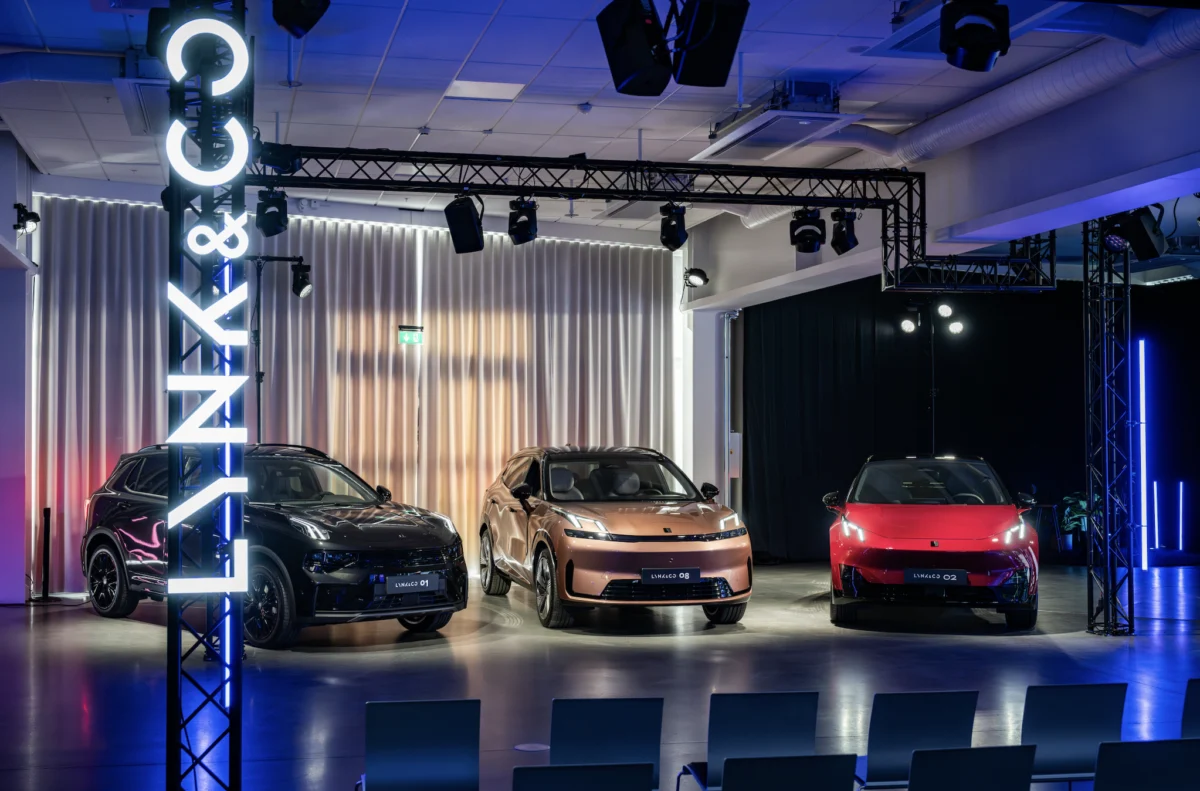
In a move designed to accelerate its growth trajectory and deepen its integration with established automotive infrastructure, Lynk & Co has announced a significant restructuring of its executive leadership team. This strategic overhaul is intended to bolster the brand’s development across Europe and formalize the next phase of its commercial partnership with Volvo Cars and Geely Auto. Effective immediately, the appointments signal a shift toward a more robust retail-oriented business model, leveraging the logistical and operational strengths of Volvo Cars to navigate the increasingly competitive European automotive landscape.
At the center of these changes is the appointment of Mo Wang as the new Chief Executive Officer of Lynk & Co International. Wang, who joined the organization as Deputy CEO in April 2026, brings a wealth of experience from within the Geely ecosystem. Having previously served as the Managing Director of Geely Brand Europe, his promotion is viewed as a bridge-building exercise between the brand’s Chinese roots and its global aspirations. In his new capacity, Wang will oversee the Lynk & Co International corporate entity, manage high-stakes strategic projects, and act as the primary liaison between the brand’s global headquarters and Volvo Cars’ European operations.
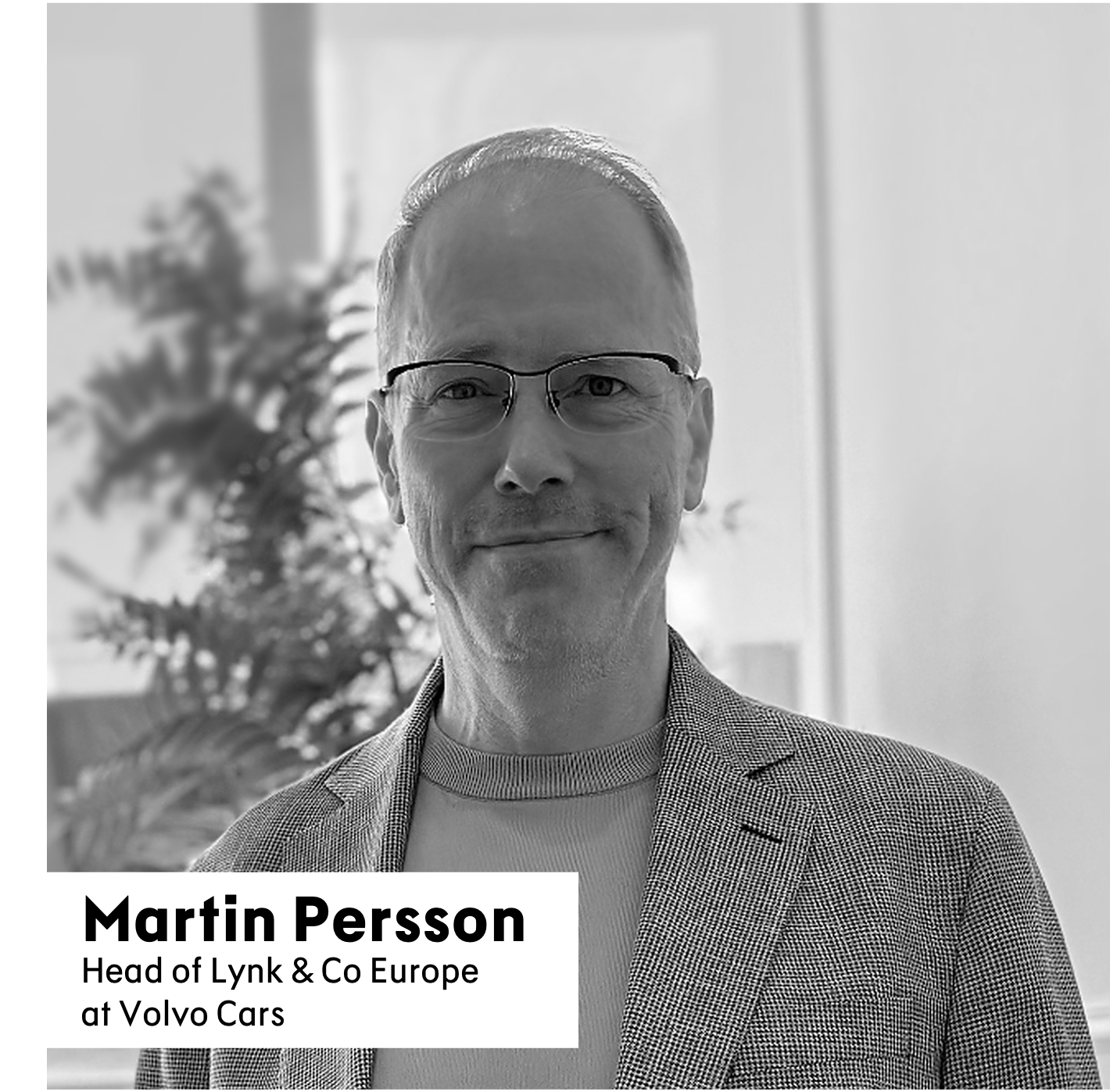
Complementing this appointment, Martin Persson will take the helm of Lynk & Co’s European business operations, pending finalization of formal agreements. Persson, currently the Managing Director for Volvo Cars in Norway, will transition into this role with a mandate to drive growth and operational performance throughout the region. Reporting directly to Erik Severinson, Volvo Cars’ Chief Commercial Officer, Persson’s role is a clear indication of the deepening ties between the two brands. His background in Volvo’s established market in Norway—a global leader in electric vehicle adoption—provides him with a unique perspective on scaling sustainable mobility solutions in mature markets.
A Transition in Strategy: From Subscription to Retail
The leadership shuffle marks the conclusion of Nicolas López Appelgren’s tenure as CEO of Lynk & Co International. López Appelgren is credited with steering the brand through a critical pivot point: the transition from a primarily subscription-based model to a comprehensive retail and sales business. When Lynk & Co first entered the European market, it differentiated itself with a "membership" model, allowing users to access vehicles through a monthly fee without the long-term commitment of traditional ownership or leasing. While this approach garnered significant attention and attracted a younger, tech-savvy demographic, the brand eventually recognized that sustained volume and profitability in the European market required a more traditional retail presence alongside its innovative digital offerings.
Under the new leadership, the brand is expected to further refine this "hybrid" approach. The collaboration with Volvo Cars is central to this evolution. Over the past year, Volvo has already begun integrating Lynk & Co into its wider ecosystem, providing essential support in vehicle logistics, spare parts distribution, and the management of used-car operations. By utilizing Volvo’s existing physical infrastructure, Lynk & Co can bypass the massive capital expenditure typically required to build a standalone service and dealership network from scratch.
Chronology of the Lynk & Co and Volvo Partnership
The current leadership changes are the latest milestone in a timeline of increasing cooperation between the entities under the Geely Holding Group umbrella.
- October 2016: Lynk & Co is officially launched in Berlin, positioned as a global brand born out of a joint venture between Geely Auto and Volvo Cars.
- 2020: The brand makes its official European debut, opening its first "Club" in Amsterdam and introducing the 01 plug-in hybrid SUV.
- 2021–2024: Lynk & Co expands its presence across key European markets, including Sweden, Germany, France, Italy, and Spain, primarily through its subscription model.
- March 2026: A landmark commercial partnership is announced between Lynk & Co, Volvo Cars, and Geely Auto, aimed at exploring operational synergies and shared services in Europe.
- April 2026: Mo Wang joins Lynk & Co as Deputy CEO, signaling a preparation for a new leadership phase.
- July 2026: The current executive appointments are announced, formalizing the integration of Volvo leadership into Lynk & Co’s European operations.
This timeline illustrates a deliberate move away from the brand operating as a peripheral experiment toward becoming a core component of Geely’s European strategy. The integration activities that began in early 2026 are slated to continue throughout the remainder of the year, with a focus on streamlining the customer journey from purchase to maintenance.
Supporting Data and Market Context
The restructuring comes at a time when the European automotive market is undergoing profound shifts. According to industry data, the demand for plug-in hybrid electric vehicles (PHEVs) and battery electric vehicles (BEVs) continues to grow, albeit with increasing competition from both legacy European manufacturers and new Chinese entrants.
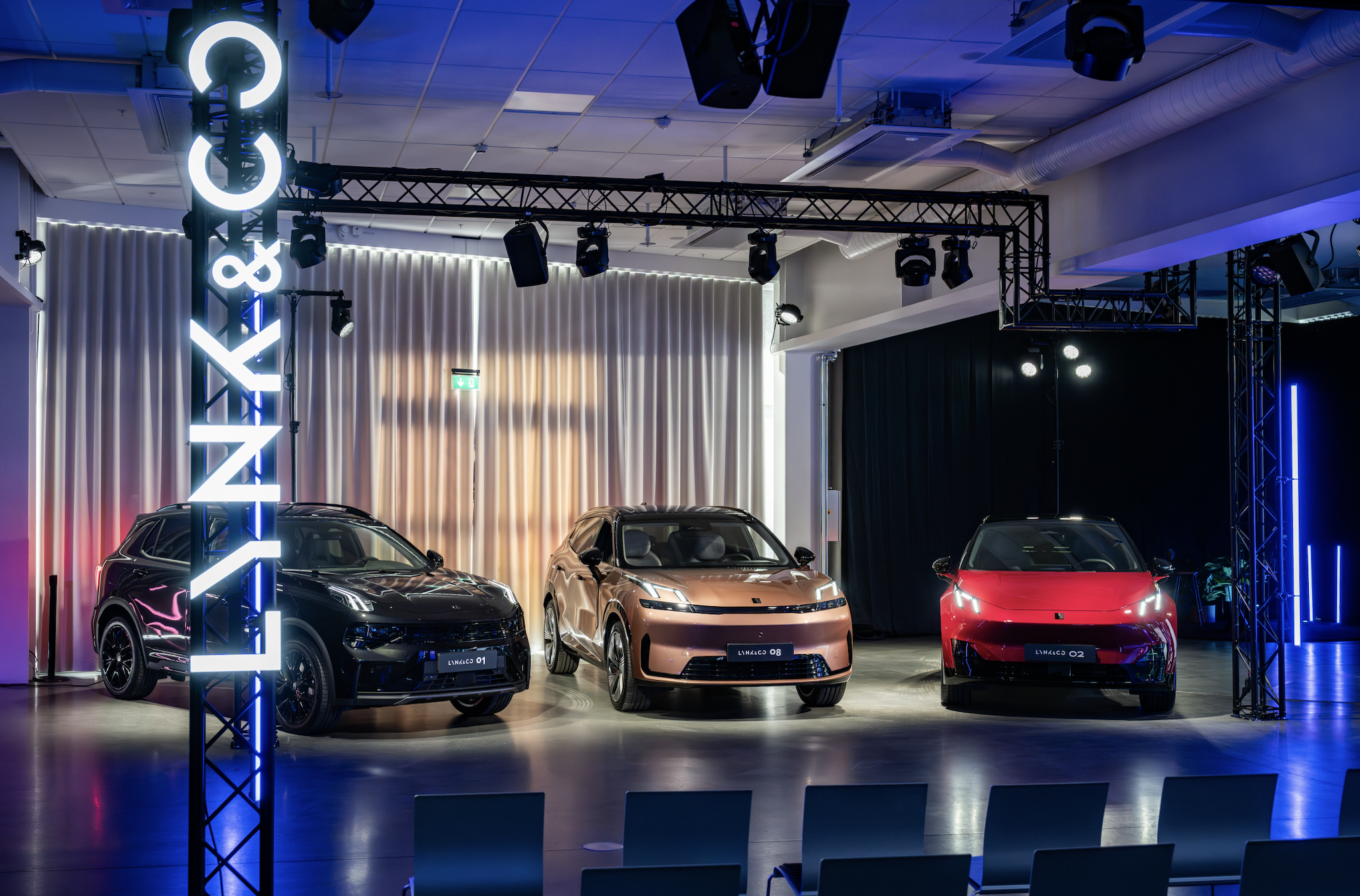
Lynk & Co’s performance has been a point of interest for market analysts. By the end of 2025, the brand had established a significant footprint, with its 01 model becoming a common sight in major European cities. However, to compete with the likes of Tesla, MG, and the expanding portfolio of the Volkswagen Group, Lynk & Co needs to scale its service capabilities. Industry reports suggest that consumer confidence in "new" brands is heavily tied to the availability of physical service centers and the speed of parts replacement—areas where Volvo’s established network of hundreds of dealerships across Europe provides a massive competitive advantage.
Furthermore, the "subscription fatigue" observed in some digital sectors has translated to the automotive world. While many consumers appreciate flexibility, a significant portion of the European market still prefers the stability of traditional financing or direct purchase, particularly as interest rates stabilize. By shifting toward a comprehensive retail model, Lynk & Co is positioning itself to capture a larger share of the total addressable market.
Official Responses and Strategic Rationale
The appointments have been met with positive internal sentiment, highlighting the "synergy-first" approach of the Geely Holding Group. Erik Severinson, Chief Commercial Officer at Volvo Cars, emphasized the importance of Persson’s role in bridging the gap between the two organizations. The strategy is not to merge the brands—Lynk & Co will maintain its brand independence and unique identity—but to share the "back-end" of the business to improve efficiency.
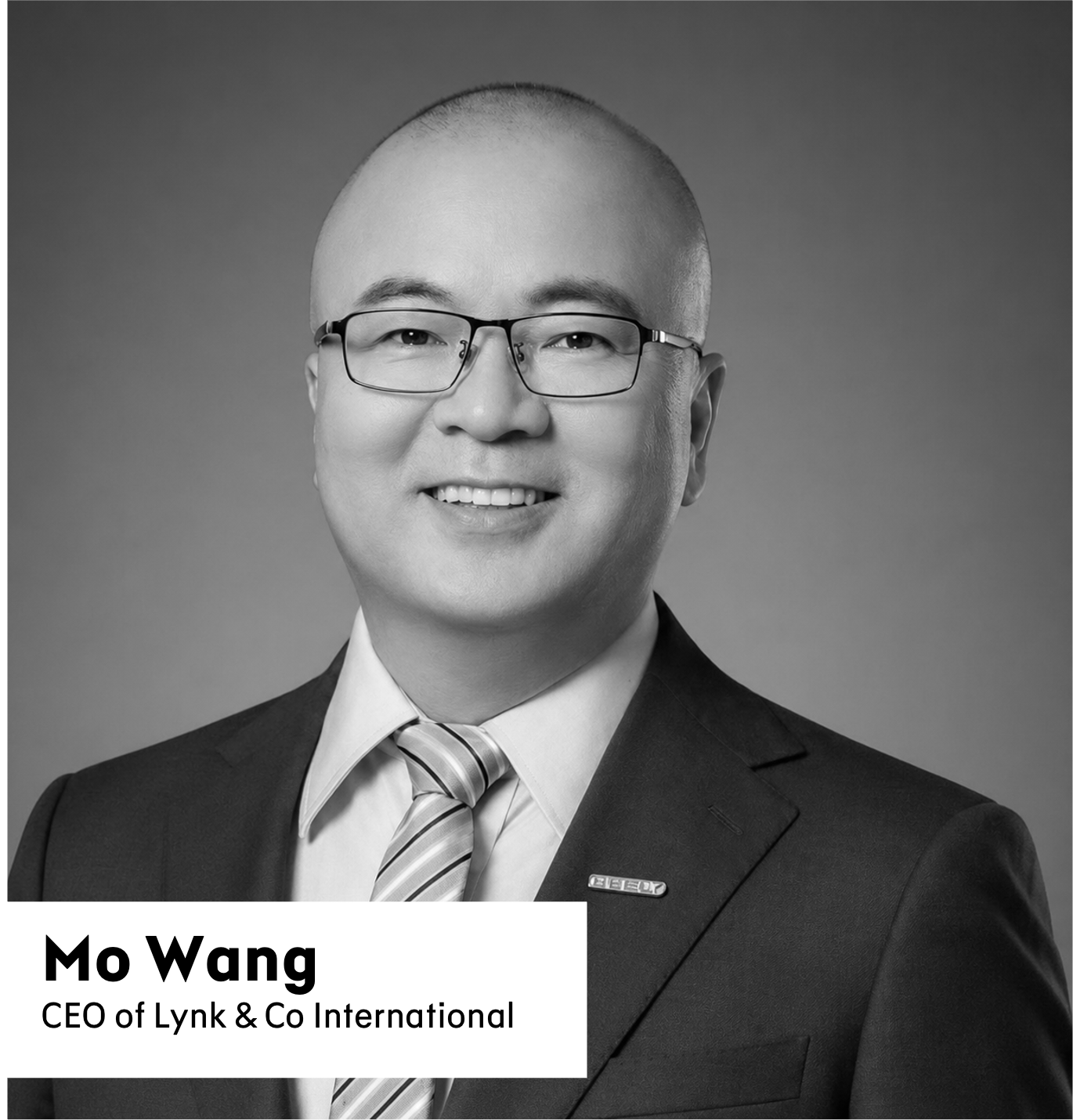
Mo Wang’s appointment is also seen as a move to ensure that Lynk & Co remains deeply connected to Geely Auto’s global product development and manufacturing power. While European operations are being integrated with Volvo, the responsibility for global product development, certification, and operations outside of Europe remains with Geely Auto Group in China. This "dual-track" management system allows the brand to benefit from Chinese manufacturing scale and speed while adapting its commercial front-end to European consumer expectations and regulatory requirements.
Broader Impact and Future Implications
The implications of this leadership change extend beyond the internal dynamics of Lynk & Co. It serves as a blueprint for how Chinese-owned automotive brands might navigate the European market in the future. Rather than attempting to "conquer" the market in isolation, Geely is demonstrating the power of its multi-brand ecosystem. By pairing a fresh, lifestyle-oriented brand like Lynk & Co with a trusted, heritage-rich brand like Volvo, Geely can mitigate the risks associated with market entry.
In the coming months, observers will be watching closely to see how the "final agreements" regarding Volvo’s responsibilities take shape. If successful, this model could lead to even greater collaboration, potentially involving shared showroom spaces or integrated digital sales platforms.

For the consumer, the impact is likely to be a more seamless ownership experience. The integration into Volvo’s parts distribution and logistics network should theoretically lead to shorter wait times for repairs and a more robust second-hand market for Lynk & Co vehicles. As the brand moves into the next phase of its lifecycle, the focus will shift from "brand awareness" to "operational excellence."
As integration activities progress through late 2026, the industry will look to Lynk & Co as a barometer for the viability of Chinese-European automotive partnerships. With Mo Wang and Martin Persson at the helm, the brand is betting that a combination of Geely’s innovation and Volvo’s operational maturity will provide the necessary formula for long-term success in one of the world’s most demanding car markets.
The planned collaboration remains subject to final regulatory approvals, but the trajectory is clear: Lynk & Co is no longer just a startup experiment; it is being groomed into a permanent and professionalized fixture of the European road. Through this strategic pivot, Geely and Volvo are not just changing leaders; they are redefining the operational standards for the next generation of global automotive brands.
