

The United States Department of the Interior has recently unveiled a series of proposed regulatory changes that could fundamentally alter the relationship between the federal government and the American public. At the heart of this controversy is a proposal to drastically shorten the public comment period for new oil and gas leases on federal lands, reducing the window for civic engagement from the current 90-day standard to a mere 10 days. This move, which comes amid a broader landscape of administrative shifts and legislative proposals like the SAVE Act, has sparked a heated debate over the transparency of governance and the accessibility of the democratic process.
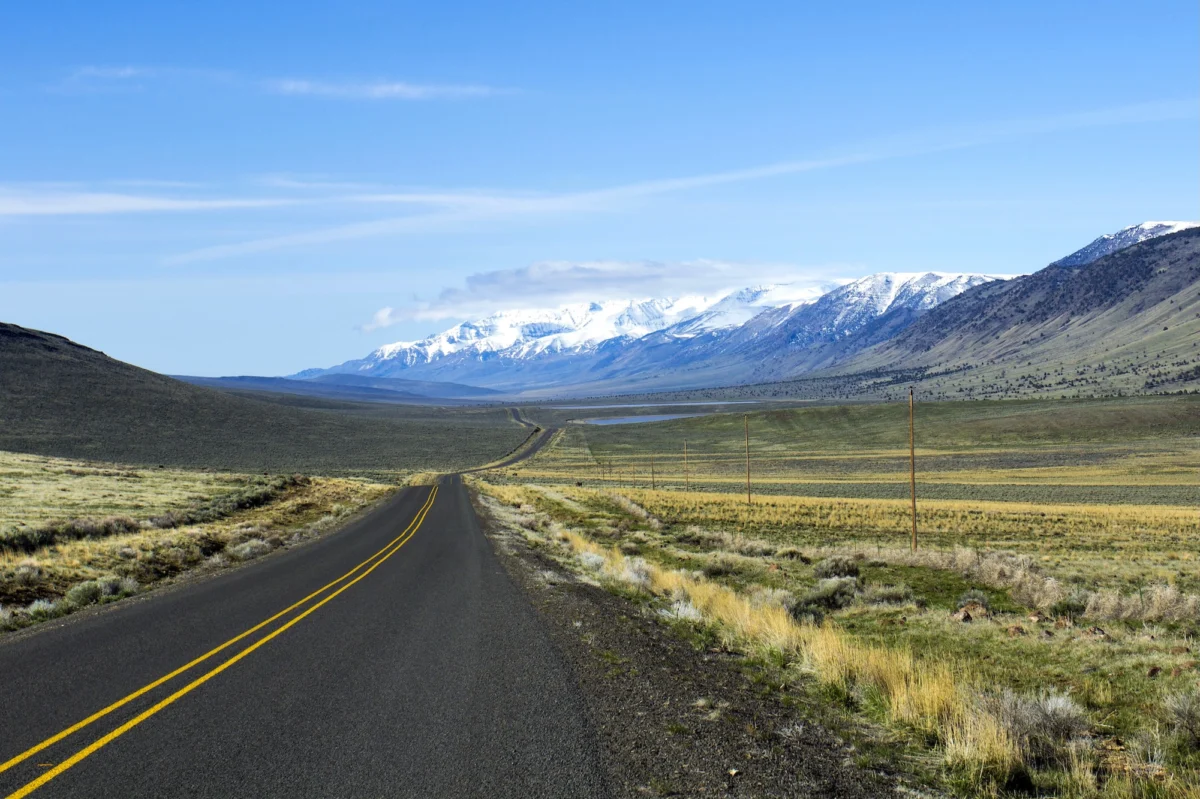
Public lands represent approximately 20 percent of the total land area of the United States, encompassing more than 640 million acres. These territories, ranging from the vast Steens Mountain Wilderness in Oregon to the mineral-rich basins of the Mountain West, are managed by federal agencies such as the Bureau of Land Management (BLM) and the U.S. Forest Service. Under the current legal framework, the management of these lands requires a delicate balance between industrial utility, conservation, and public interest. Critics argue that by constricting the timeframe for public feedback, the government is effectively silencing the voices of those most affected by federal land-use decisions.
The Legal and Historical Significance of Public Comment
The right of the American public to participate in federal rulemaking is not merely a courtesy; it is a codified legal requirement established by the Administrative Procedure Act (APA) of 1946. The APA was designed to ensure that federal agencies do not act in an "arbitrary or capricious" manner. It mandates a "notice and comment" process, requiring agencies to inform the public of proposed rules and provide a meaningful opportunity for submission of written data, views, or arguments.
While high-profile elections often dominate the national conversation regarding democratic participation, the administrative comment period is a critical, albeit quieter, pillar of the American system. It allows scientists, local residents, Indigenous communities, and advocacy groups to provide expert data and personal testimony that can influence the final version of a policy or project.
Historically, this process has served as a powerful tool for civic intervention. A notable example is the fate of the Keystone XL oil pipeline. First proposed in the early 2000s, the project sought to transport crude oil from Canadian tar sands through the American Midwest to Texas refineries. Despite strong support from several administrations, the project faced a massive wave of public opposition. During the required comment periods, environmental organizations and individual citizens flooded the State Department with more than 120,000 submissions. This overwhelming public response provided the political and legal leverage necessary for activists and landowners to stall the project for over a decade, eventually leading to its cancellation.
A Chronology of Regulatory Shifting
The proposed 10-day comment period is the latest in a series of maneuvers aimed at accelerating industrial development on public lands. To understand the current climate, one must look at the regulatory trajectory of the past several years:
- 2021–2024 (The Biden Era): The Department of the Interior implemented several "Public Lands Rules" that sought to put conservation on equal footing with extractive industries like mining and drilling. These rules emphasized environmental justice, the use of the best available science, and expanded community input requirements for large-scale projects.
- Early 2025 (Administrative Reversal): Following a change in executive priorities, the Bureau of Land Management began rescinding these Biden-era requirements. The administration argued that the previous rules created "unnecessary administrative barriers" that slowed domestic energy production.
- June 24, 2026: The Department of the Interior officially published the proposed revisions to oil and gas leasing and waste prevention rules in the Federal Register. This publication triggered a 60-day window for the public to comment on the rule change itself, which is scheduled to close on August 24, 2026.
- Late June 2026: Concurrent with the DOI proposal, the U.S. Department of Agriculture (USDA) introduced a rule aimed at eliminating public comment requirements for a wide array of projects within national forests. This move prompted immediate legal action from the Sierra Club and the Center for Biological Diversity.
Analyzing the 10-Day Window: Practical Implications
The primary point of contention in the new DOI proposal is the reduction of the lease-specific comment period to 10 days. For many stakeholders, this timeframe is seen as practically impossible to navigate. Federal lease sales often involve complex environmental impact statements (EIS) that can span hundreds, if not thousands, of pages. These documents detail technical data regarding groundwater contamination, habitat fragmentation for endangered species, and projected carbon emissions.
"By ignoring public comment requirements while propping up companies, they’re really attacking democracy in a very clear way," stated Alexa Dietrich, research director at the Union of Concerned Scientists. Dietrich and other advocates argue that 10 days does not allow sufficient time for independent scientists to review the government’s data, nor does it allow local volunteer-led organizations to mobilize their communities.
Furthermore, the proposal moves to eliminate more stringent requirements for reviewing scientific evidence and environmental impacts. This shift suggests a move toward "categorical exclusions," a regulatory shortcut that allows projects to bypass detailed environmental reviews if the agency deems they do not have a significant effect on the human environment.
Official Responses and Justifications
The Department of the Interior has defended these changes as a necessary "modernization" of onshore oil and gas policy. In official statements, the department characterized the existing procedures as "outdated" and claimed they have historically "slowed development" and hindered American energy independence.

The administration’s perspective is that the current 90-day window allows for "obstructionist" tactics by environmental groups that use the comment period to file repetitive or frivolous objections intended to tie up projects in litigation. By streamlining the process, the DOI aims to provide energy companies with greater certainty and faster turnaround times for their investments.
Industry trade groups have largely echoed these sentiments, suggesting that a more efficient leasing process will lead to lower energy costs and job creation in rural areas where federal lands are located. They argue that the public still has ample opportunity to participate in the broader, long-term land-use planning phases that happen years before individual leases are sold.
Regional Pushback and the Role of Coalitions
The resistance to these changes is not confined to national environmental groups in Washington, D.C. It has taken root in states where public lands are a central part of the local economy and culture. In North Dakota, for instance, the newly formed ND Public Lands Coalition—which includes the North Dakota Wildlife Federation and the Dakota Resource Council—has launched a public awareness campaign.
The coalition plans to utilize billboards and local town halls to inform citizens about the potential loss of their oversight capabilities. Dave Brandt, a board member for the North Dakota Wildlife Federation, emphasized that the issue is about responsibility rather than a total ban on drilling. "Let’s do this responsibly, and not just try and make it so that a handful of people are making themselves extremely rich off the great resources of our public lands," Brandt told the North Dakota Monitor.
In Oregon, the Steens Mountain Wilderness serves as a symbol for the "multiple-use" mandate that critics feel is being abandoned. Spanning over 170,000 acres, the area is prized for its recreation, grazing, and conservation value. Local advocates argue that shortening comment periods prevents the diverse groups who use these lands—from ranchers to hikers—from reaching a consensus on how to manage them.
Broader Implications for Democratic Governance
The debate over public comment periods mirrors the larger national conversation regarding voter access and the "SAVE Act," a proposal aimed at implementing stricter voter registration requirements. Both issues center on the question of how much "friction" should exist between the citizen and the state. While the administration views this friction as an efficiency-killing "administrative barrier," proponents of the current system see it as a "democratic safeguard."
From a legal standpoint, the move to slash comment periods may backfire. Legal experts suggest that if the government fails to provide a "meaningful" opportunity for public input, it leaves final decisions vulnerable to lawsuits. Rather than streamlining development, the 10-day rule could lead to a new wave of litigation, as courts are asked to determine whether such a short window violates the intent of the Administrative Procedure Act.
Moreover, there is a concern regarding "social license to operate." When communities feel they have been excluded from the decision-making process, opposition to industrial projects often intensifies, leading to protests and civil disobedience that can be more disruptive than a 90-day comment period.
Conclusion and Call to Action
The federal government’s move to redefine public participation marks a significant pivot in American land management. As the Department of the Interior moves forward with its plans to modernize and streamline oil and gas leasing, the fundamental question remains: Who are the public lands for, and who gets to decide their future?
The current 60-day comment period regarding the rule change itself is the public’s primary opportunity to intervene. Open until August 24, 2026, this window allows citizens to weigh in on whether the 10-day limit is a reasonable standard for governance. Organizations such as the Wilderness Society, Taxpayers for Common Sense, and the National Wildlife Federation are actively urging the public to submit their views via the Federal Register website.
As the deadline approaches, the outcome of this regulatory battle will likely serve as a bellwether for the future of administrative transparency in the United States. Whether the voice of the public remains a central component of policy or becomes a casualty of administrative efficiency is a decision that is currently, and perhaps ironically, up for public comment.
