

The financial landscape is witnessing a significant shift with the burgeoning popularity and growth of interval funds, a specialized product within the broader alternatives industry. In recent years, these investment vehicles have experienced remarkable expansion, attracting substantial capital and prompting a deeper examination of their role, the challenges faced by their sponsors, and the opportunities they present to investors.
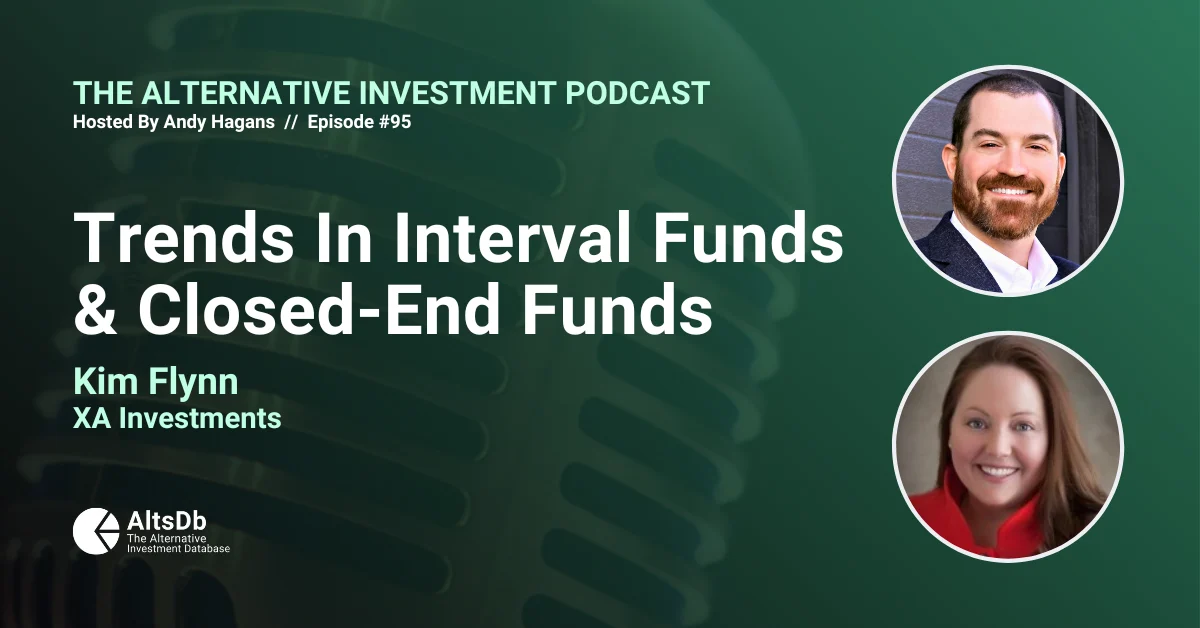
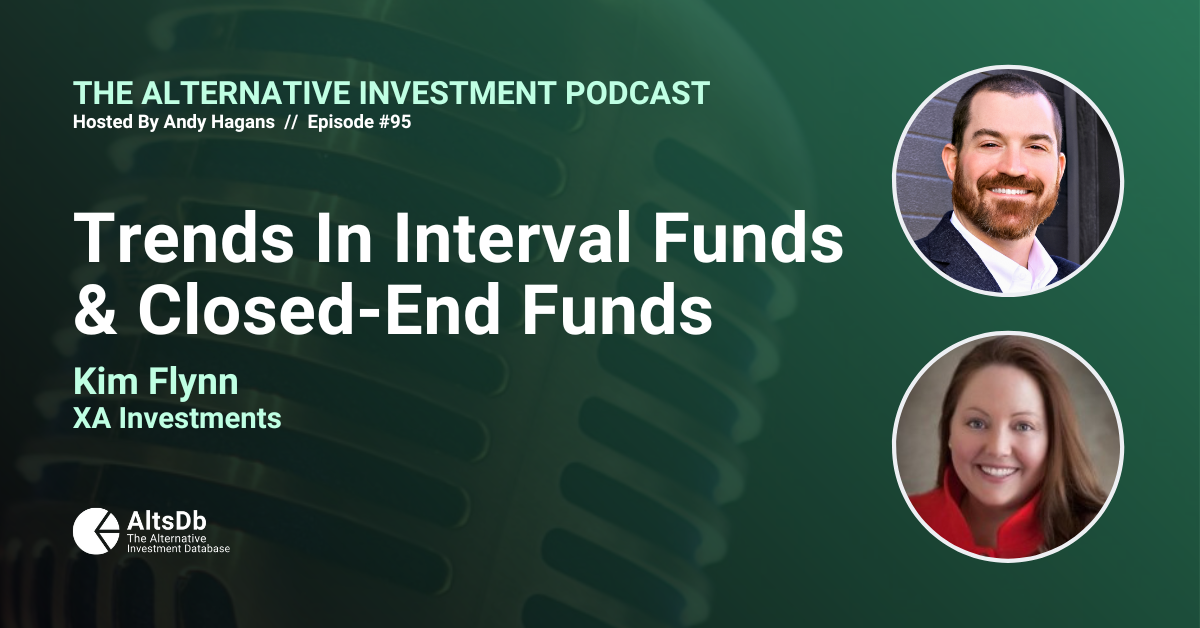
Kim Flynn, Managing Director at XA Investments, recently joined "The Alternative Investment Podcast" hosted by Andy Hagans to delve into the success story of interval funds. Flynn, a seasoned professional with extensive experience in product development, shared insights into the evolving market dynamics and the strategic considerations for firms navigating this increasingly competitive space.
The Rise of Interval Funds: A Product Evolution
The last five years have seen interval funds move from a relatively niche corner of the market to a prominent investment solution. This growth mirrors the overall expansion of the alternative investments industry, which has seen increasing investor demand for diversification and enhanced returns beyond traditional asset classes.
"The Alternative Investment Podcast," a leading voice in the sector, regularly features discussions with asset managers, family offices, and industry thought leaders to explore strategies for wealth generation. The podcast’s focus on unique and popular products, such as closed-end and interval funds, underscores their growing significance in the investment ecosystem.
Kim Flynn’s background is particularly relevant to this discussion. With nearly 12 years at Nuveen, a market leader in listed closed-end funds, Flynn was instrumental in developing over 40 such products, raising billions of dollars. Her experience spans the evolution of these complex financial instruments, from their origins in municipal bond funds to their current application in housing a diverse range of alternative strategies.
"Nuveen is a market leader in the listed closed-end fund market, you know, really because of the municipal bond heritage that Nuveen is well-known for," Flynn stated during the podcast. "And the work that we did at Nuveen, one thing that surprises people is that it was often in partnership with outside portfolio managers. So, when we didn’t have a capability or skill internally, we would look to partner externally."
This collaborative approach paved the way for Flynn’s subsequent role at XA Investments, where the firm focuses on partnering with asset managers, from small boutiques to large global wealth managers. This strategy allows XA Investments to leverage external expertise and offer a wider array of alternative investment products through structures like closed-end and interval funds, making them more accessible to a broader investor base.
Understanding the Appeal: Closed-End vs. Interval Funds
To fully appreciate the growth of interval funds, it’s essential to understand their structural underpinnings and how they differ from traditional investment vehicles like mutual funds and even listed closed-end funds.
Listed Closed-End Funds: These funds, once launched through an initial public offering, are closed to new capital and trade on stock exchanges. Unlike ETFs, which have mechanisms for creation and redemption that keep their market price close to their net asset value (NAV), closed-end funds can trade at a significant discount or premium to NAV. Historically, the average discount for listed closed-end funds has been around 4.5%, often correlating with initial sales loads. However, current market conditions have seen these discounts widen, presenting potential opportunities for secondary market investors.
A key characteristic of listed closed-end funds is their ability to employ leverage, typically for income enhancement. This can be particularly attractive in low-yield environments, allowing funds to offer higher distributions compared to their open-ended mutual fund counterparts holding similar assets. For instance, a municipal bond closed-end fund might use leverage to boost its yield by an additional 1% compared to a comparable municipal bond mutual fund.
Interval Funds: These are a type of closed-end fund that, despite the "closed-end" designation, are continuously offered and can grow over time. Their defining feature is a limited liquidity mechanism, typically allowing investors to redeem only a small percentage of their holdings (e.g., 5% per quarter). This structured liquidity allows interval funds to invest in less liquid and alternative assets, such as private equity, venture capital, real estate, and certain credit strategies, which require longer investment horizons.
"The exit is typically gated or limited to 5% a quarter," Flynn explained. "And so, that’s what allows those funds to invest more heavily in illiquid securities, and frankly, generate attractive total returns in some of these assets that require a longer investment hold period."
The distinction between the liquidity of assets held and the redemption features is crucial. While listed closed-end funds often hold more liquid securities due to their daily NAV calculation and market trading, interval funds can accommodate a higher allocation to illiquid assets because their redemption schedule is not daily.
Market Dynamics and Investor Considerations
The current market environment, characterized by rising interest rates and increased volatility, has brought unique challenges and opportunities to the interval fund space.
Valuation Concerns: As interest rates have climbed, the valuation of assets, particularly within illiquid portfolios, has come under scrutiny. Investors are questioning the true NAV of these investments, leading to potential discounts in publicly traded vehicles holding similar assets. While interval funds offer internal valuations, the question of how these valuations are determined and whether they accurately reflect market sentiment remains a point of discussion.
"When the market re-prices the way that it did in 2022, with the Fed raising rates, it has investors wondering, well, where is the risk-free rate going? And so if you’re reassessing every asset within your portfolio, including your illiquid alternatives in… And frankly, the rapid increase in interest rates led to, frankly, a rapid revaluation of the assets within those illiquid portfolios," Hagans observed during the podcast.
Flynn cautioned against overselling the liquidity of interval funds, emphasizing that they are not mutual funds and should not be marketed as such. The potential for prorated redemptions, especially during periods of market stress, means investors must have a clear understanding of their investment horizon and the liquidity constraints. The market has yet to be fully tested by a prolonged downturn for these vehicles, prompting calls for transparency and responsible management.
Structural Advantages and Opportunities: Despite these challenges, interval funds offer compelling advantages. Their ability to hold illiquid assets allows them to tap into investment opportunities that are inaccessible to traditional mutual funds. Furthermore, the evolution of the market has seen the introduction of no-load interval funds, reducing upfront costs for investors.
The current wide discounts in the listed closed-end fund market also present an attractive entry point for secondary market investors seeking income-generating opportunities. These discounts, exacerbated by market dislocations, can offer a margin of safety and enhance potential returns.
XA Investments: Facilitating Access to Alternatives
XA Investments, co-founded by Kim Flynn, plays a pivotal role in helping asset managers navigate the complexities of launching and managing interval and closed-end funds. The firm’s consulting practice assists clients in developing proprietary funds and accessing capital markets, with a particular focus on the growing interval fund sector.
"We have been responsible for helping new fund sponsors enter the listed closed-end fund market. We also advise asset managers in the U.S. about raising capital in the London listed market. But I would say most of our clients are curious and most interested in the growing interval fund space. So that’s a lot of where we spend our time," Flynn elaborated.
The firm’s approach emphasizes client-centric strategies, focusing on the needs of Registered Investment Advisors (RIAs) and ensuring that new funds are appropriately scaled and marketed. This involves educating potential investors about the specific liquidity features and investment horizons associated with these products.
Emerging Trends and Future Outlook
The alternatives industry, particularly the interval fund segment, is poised for continued innovation and growth. Several emerging trends are shaping its future:
- RIA-Led Fund Launches: An increasing number of RIAs are exploring the launch of their own proprietary interval funds. Leveraging their direct client relationships, these firms aim to capture a larger portion of the investment value chain, offering tailored solutions to their client base.
- FinTech and Direct-to-Consumer Platforms: Fintech platforms are also entering the interval fund space, often targeting a broader investor audience, including non-accredited investors. These platforms aim to democratize access to alternative investments, building proprietary funds to serve their existing customer relationships.
- Impact Investing: The rise of impact funds, including those structured as interval funds, reflects a growing investor appetite for investments that generate both financial returns and positive social or environmental impact. These funds offer an alternative to traditional ESG-labeled products, focusing on more illiquid and alternative asset classes.
"The buyer base for these funds initially is largely RIAs, but it’s still fairly concentrated," Flynn noted. "You know, it was the RIA that understood real estate, or that had been buying BDCs, and so they were much more comfortable with alternatives. But it’s their friends that may not yet, and don’t have the comfort. I think a lot of advisors, you know, because they’ve been investing in the REIT market, the BDC market, for the last 20 years, and they liked them because they were income vehicles."
The expansion of the buyer base for these complex products remains a critical factor for sustainable growth. Continued education and transparency will be paramount in ensuring that investors understand the nuances of interval funds and other alternative investment vehicles.
Conclusion: Navigating the Evolving Alternatives Landscape
Interval funds represent a significant evolution in how alternative investments are accessed by a broader range of investors. Their structured liquidity, ability to hold illiquid assets, and potential for enhanced returns make them an attractive option in the current market. However, a thorough understanding of their features, risks, and the ongoing market dynamics is essential for both investors and the professionals who advise them.
As the alternatives industry continues to mature, the role of specialized products like interval funds will likely become even more prominent. The insights shared by Kim Flynn and XA Investments underscore the importance of expertise, transparency, and a client-focused approach in navigating this dynamic and rapidly growing segment of the financial market. The ongoing dialogue and education surrounding these sophisticated investment vehicles will be crucial in ensuring their responsible growth and their ability to serve the long-term financial goals of investors.
