

January Nebiri emerged from his house as the frost-covered dawn cut through the darkness with sharp morning light. Mist drifted gently across the landscape of northern Zimbabwe while birds chirped in the early air, a deceptive scene of tranquility that would soon be shattered. Before heading out to tend to his farm in the Kariba district, Nebiri performed his routine check on the livestock he keeps at home—a primary source of wealth and security for his family. He was met with a scene of devastation. Most of his cows were lying lifeless or severely injured, scattered outside the enclosure. Scanning the dusty ground for tracks, the reality became clear: a pride of lions had infiltrated the kraal during the night.
“I felt devastated,” Nebiri recalled of the 2024 incident. “I swore to my ancestors not to keep cows ever again.” Out of his four cows, only one survived the onslaught. For Nebiri, this was not an isolated tragedy but the culmination of three decades of struggle against the natural world, during which he has lost dozens of livestock to lions, leopards, and hyenas.
Nebiri’s story is a microcosm of a burgeoning national crisis. Human-wildlife conflict (HWC) is on a steep upward trajectory across Zimbabwe, driven by a complex intersection of climate change, successful conservation efforts, and human population growth. As the southern African nation grapples with these challenges, a new wave of grassroots, community-centered conservation is offering a blueprint for coexistence that prioritizes both animal welfare and human livelihoods.
The Escalating Crisis: Data and Drivers
The scale of the conflict is documented in stark terms by the Zimbabwe Parks and Wildlife Management Authority (ZimParks). Between 2016 and 2025, the nation recorded 12,374 human-wildlife conflict incidents. These encounters have proven lethal for both species, resulting in 486 human deaths and 554 injuries. The economic toll is equally staggering, with over 4,000 head of livestock lost in the same period.
According to Arthur Musakwa, the director of operations at ZimParks, the surge in conflict is fueled by several converging factors. "Droughts, population growth, and habitat encroachment push wildlife and communities into closer and often lethal contact," Musakwa noted.
Climate change has played a decisive role. As droughts increase in frequency and severity across Southern Africa, natural forage and water sources within protected areas vanish. This forces animals to venture into human settlements in search of sustenance. Simultaneously, Zimbabwe has seen a remarkable recovery in populations of protected species. Thanks to aggressive anti-poaching initiatives and successful conservation management, populations of lions, leopards, and elephants have, in some areas, outgrown the carrying capacity of the national parks.
For example, Zimbabwe is now home to the world’s second-largest elephant population, estimated at over 80,000 individuals. This far exceeds the estimated carrying capacity of approximately 45,000 for the country’s protected lands. As these animals move beyond park boundaries, they encounter land that was once wilderness but has been rapidly developed for agriculture and housing to accommodate Zimbabwe’s growing human population.
A Grassroots Response: Wildlife Conservation Action
In the wake of his 2024 loss, Nebiri sought assistance from Wildlife Conservation Action (WCA), a grassroots organization founded in 2019. WCA represents a significant shift in the conservation landscape of Zimbabwe, which has historically been dominated by international NGOs and foundations led by white conservationists. WCA was founded by Dr. Moreangels Mbizah, a Zimbabwean conservation biologist who grew up in Chiredzi.
Mbizah’s journey into HWC mitigation was sparked by a high-profile international incident: the killing of Cecil the Lion by an American trophy hunter. Mbizah had spent years studying and tracking Cecil in Hwange National Park. The event highlighted the precariousness of lion populations and the need for a conservation model that integrates local communities rather than viewing them as obstacles.
“We prioritize prevention rather than response,” Mbizah explained. “Instead of waiting until crops are destroyed or livestock are killed, we invest in community preparedness, predator-proof livestock bomas, crop protection methods, and awareness programs.”
The Technology of Coexistence: Bomas and Lion Lights
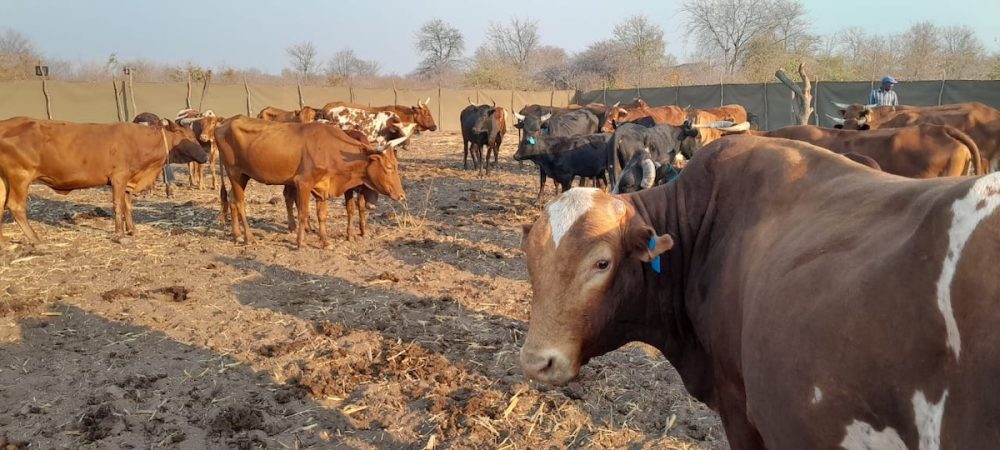
The primary tools WCA introduced to Nebiri’s community are deceptively simple yet scientifically grounded. The first is the "boma," a portable enclosure made of sturdy, opaque gray fabric. The logic relies on lion biology: lions are visual hunters who rarely attack prey they cannot see. By wrapping a traditional kraal in this fabric, the livestock inside become "invisible" to the predators roaming the perimeter.
“The day after the boma was installed, I woke in the middle of the night after hearing noises outside and noticed a pride of lions roaming around the kraal,” Nebiri said. “They were there for hours but could not get through. They left without attacking a single cow.”
In addition to bomas, WCA utilizes "lion lights." These are automated LED systems that flash in sequences, mimicking the movement of a person patrolling with a flashlight. This psychological deterrent tricks lions into believing a human presence is active, discouraging them from approaching. To date, WCA has installed 300 lion lights and 150 mobile bomas, protecting at least 1,000 cows in the Kariba district alone.
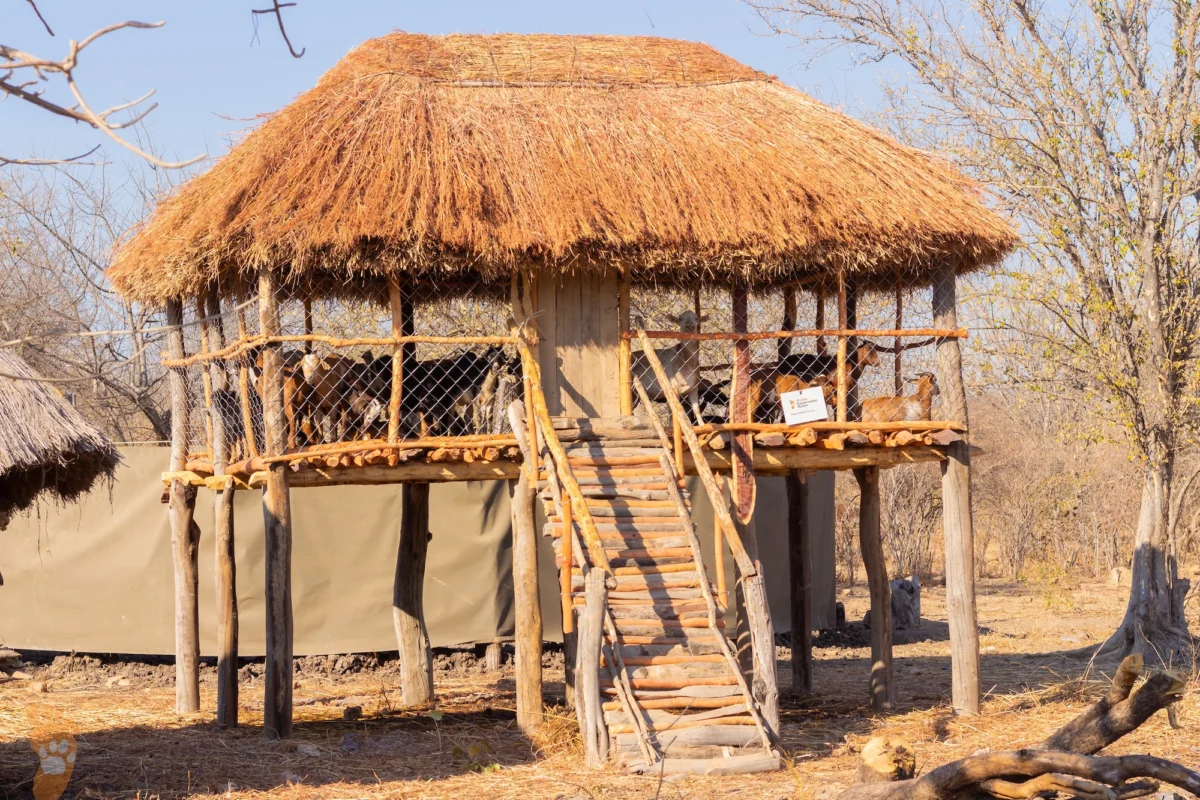
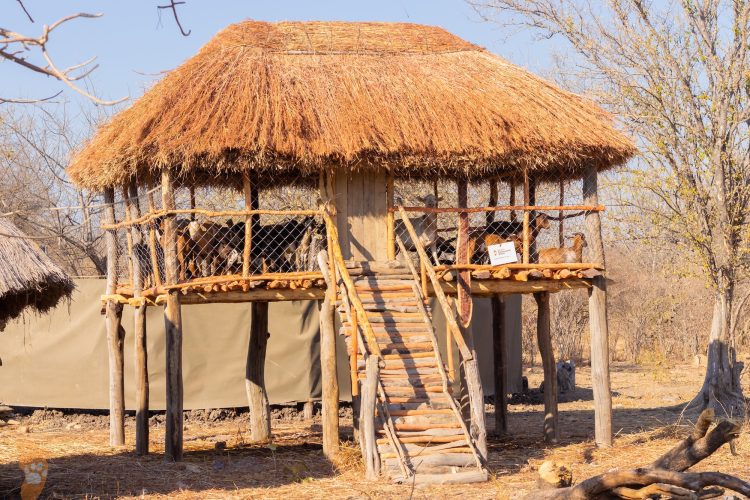
For smaller livestock like goats, which are highly vulnerable to leopards and hyenas, WCA promotes the construction of raised kraals. These structures are built on wooden poles roughly two meters off the ground, making them inaccessible to ground-based predators.
The Elephant Dilemma and Chili-Based Deterrents
While predators threaten livestock, elephants pose a different but equally devastating threat to food security. Wilson Charumbira, a farmer in the village of Kafurira, recounts the night a herd of elephants from Matusadona National Park wiped out his entire maize crop just as it was ready for harvest.
“We had to survive on gifts from other villagers that year,” Charumbira said. “It was terrible.”
In the Zambezi Valley, elephants are drawn to the fertile valley floors and human crops, especially during the dry season. To combat this, WCA helps farmers implement "chili fences." Elephants possess an incredibly sensitive sense of smell and a highly innervated trunk. By hanging cloths soaked in a potent mixture of chili oil and grease along the perimeter of a farm, farmers create a chemical barrier. The pungent, burning sensation of the chili is so offensive to the elephants that they typically retreat upon first whiff.

Charumbira, who implemented this method along with a fireguard, successfully harvested nearly a tonne of maize this season—enough to sustain his family for the entire year.
Economic Diversification and Community Guardians
The WCA model recognizes that human-wildlife conflict is as much a development issue as a conservation one. In rural Zimbabwe, livestock is a form of "living bank." A single cow can fetch up to US$300, and a goat US$30—funds used to pay school fees and medical bills. When a lion kills a cow, it is not just a loss of an animal; it is a loss of a child’s education.
To reduce this vulnerability, WCA encourages communities to diversify their income. The organization provides training and equipment for beekeeping and the development of community gardens. Honey and vegetables provide a secondary income stream that is less susceptible to wildlife predation than free-roaming cattle.
Central to the success of these programs are the "community guardians." WCA employs 24 guardians across the Kariba, Mbire, and Binga districts. These individuals live within the affected communities, providing rapid response to sightings, monitoring wildlife movements with GPS tracking and camera traps, and maintaining early warning systems like EarthRanger. Their presence builds a bridge of trust between local residents and conservation authorities, reducing the likelihood of retaliatory killings of wildlife.
Analysis of Impact and Future Challenges
The results of WCA’s interventions are measurable and significant. In the Mbire district, the organization reports that incidents of human-wildlife conflict have fallen by as much as 98 percent since the implementation of these non-lethal measures. Over 10,000 households across three districts have now adopted at least one form of WCA-supported mitigation.
However, challenges remain. The materials used for bomas are subject to wear and tear under the harsh Zimbabwean sun, typically requiring replacement every five to seven years. Furthermore, while bomas protect animals at night, they do not address the risk during daytime grazing.

“Good herding practices remain essential during the day,” Mbizah noted, emphasizing that technology cannot entirely replace human vigilance.
As Zimbabwe continues to navigate the complexities of being a global leader in wildlife preservation while ensuring the safety of its citizens, the WCA model suggests that the future of conservation lies in local hands. By combining traditional knowledge with modern technology and economic support, the "hope" expressed by January Nebiri may become the standard for rural communities across the continent.
For Nebiri, the change is already life-altering. He now has six cows, and his home has become a sanctuary where neighbors without bomas bring their livestock for protection during the night. “I was almost giving up on cattle rearing,” he said. “But now there is hope.”
