

U.S. consumers are grappling with a significant acceleration in inflation, with the annual rate climbing to 3.8% in April, the highest in nearly three years. While the ongoing conflict in Iran and its impact on energy prices are widely cited as a primary driver, a closer examination of the latest Consumer Price Index (CPI) data reveals that price pressures are extending across a much broader spectrum of goods and services, impacting household budgets far beyond the gas pump. The Bureau of Labor Statistics reported a 0.6% increase in the CPI on a seasonally adjusted basis for April, underscoring a pervasive inflationary trend that is eroding purchasing power.
This latest inflation report arrives on the heels of a concerning decline in consumer sentiment, with the University of Michigan’s preliminary reading for May hitting a record low. Soaring oil prices, directly linked to geopolitical instability in the Middle East, were identified as a key contributor to this erosion of consumer confidence. However, the comprehensive CPI data suggests that the challenges facing consumers are more deeply entrenched, with "sticker shock" becoming a common refrain across various sectors of the economy.
"Consumers are doing their best to absorb higher energy costs, but they’re not finding much relief elsewhere," commented Bret Kenwell, U.S. investment analyst at eToro. "Inflation pressure isn’t just at the pump; it’s showing up across the household budget." This sentiment highlights the multifaceted nature of the current inflationary environment, where a confluence of factors is contributing to a sustained rise in the cost of living.
Housing: A Persistent Driver of Inflationary Pressures
The housing sector continues to be a significant contributor to the overall inflation rate. Shelter costs, a critical component of the CPI, rose by 0.6% in April, pushing the year-over-year increase to 3.3%. This persistent upward trend in housing expenses is a substantial burden for many American households, particularly renters and those looking to secure new accommodation.
Within the broader housing category, lodging away from home experienced a notable surge of 2.4% in April, translating to a 4.6% increase over the past twelve months. This indicates that travel and temporary living costs are becoming increasingly expensive, impacting both leisure and business expenditures. Furthermore, tenant and household insurance premiums saw a modest uptick of 0.1% in April, contributing to an annual inflation rate of 7.2% for this essential service. This rise in insurance costs adds another layer of expense for renters and homeowners alike.
Economists have been particularly attentive to housing inflation data, especially following the disruptions caused by last year’s government shutdown, which led to a lapse in economic data collection. Concerns were raised that price changes for owners’ equivalent rent (OER) – a hypothetical measure reflecting what property owners could command for their dwellings and a key indicator of housing market inflation – were not adequately captured during that period, potentially skewing previous inflation readings. The current data suggests that these underlying pressures in the housing market are now manifesting more clearly. The sustained rise in shelter costs, coupled with increased insurance premiums, signals a challenging environment for housing affordability.
Food Prices: A Growing Concern for Household Budgets
The cost of food, a fundamental necessity, has also seen a significant escalation, adding further strain to household budgets. Food at home prices increased by 0.7% in April compared to March, marking the largest one-month jump since August 2022. Annually, food prices are now 2.9% higher than they were a year ago, indicating a sustained upward trend.
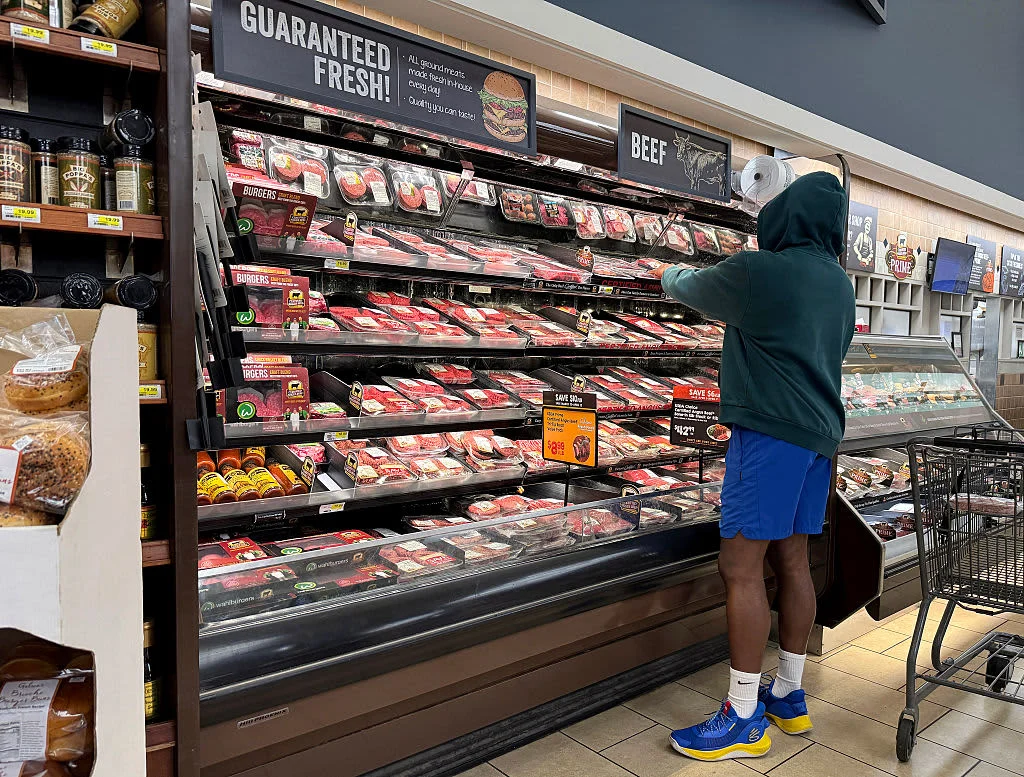
Several key food items have experienced particularly sharp price increases. Uncooked ground beef, a staple for many consumers, saw a substantial rise of 2.7% in April alone, bringing its year-over-year price increase to a striking 14.5%. This surge is largely attributed to soaring cattle prices, a development that is impacting the entire beef supply chain. As the summer grilling season approaches, the cost of popular barbecue items like frankfurters has also climbed, with prices 10.7% higher than in April 2025. A 5.8% month-over-month gain for frankfurters underscores the immediate impact of these rising input costs.
Tomatoes, a product heavily reliant on imports and potentially subject to trade policies, experienced an extraordinary price hike of 15.1% in April. Consequently, tomatoes are now a staggering 39.7% more expensive than they were a year earlier. This significant increase in the cost of a common produce item can have a disproportionate impact on the overall grocery bill. Adding to these concerns, coffee prices have jumped by 2% in April, driven by supply chain disruptions and increased demand, leading to a substantial 12-month gain of 18.5%. These widespread increases across various food categories paint a stark picture of the challenges consumers face in maintaining affordable nutrition.

Shopping Cart Shock: Inflation Across Retail Goods
The inflationary tide is not confined to essentials like housing and food; it is also making its presence felt in a wide array of retail goods, impacting consumers’ discretionary spending. Window coverings, for instance, are now 8.2% more expensive than a year ago, with a 0.9% increase recorded between March and April. Similarly, the cost of dishes and flatware has climbed by 1.6% in the month, resulting in an annual price increase of 15.4%. These seemingly smaller purchases, when aggregated, contribute significantly to the overall rise in the cost of maintaining a household.
The price of jewelry has seen a substantial rise, adding 3.7% in April alone, pushing its one-year increase to an impressive 16.1%. Watch prices, while showing a more modest monthly gain, have still experienced a year-over-year jump of 8.8%. Even the cost of footwear is on the rise, with prices gaining 1.4% between March and April, leading to an overall increase of 4.2% compared to the previous year. These increases across various consumer goods suggest that manufacturers and retailers are passing on higher input costs, including raw materials, labor, and transportation, to the end consumer.
Services Sector Inflation: A Growing Concern
Beyond tangible goods, inflation is also impacting the services sector, an area that constitutes a significant portion of consumer spending. Rentals and subscriptions for videos and video games have become considerably more expensive, costing 16.6% more than a year ago after an increase of 2.1% between March and April. This rise in entertainment and digital service costs reflects increased demand and potentially higher operational expenses for service providers.
Delivery services, which have become an integral part of modern commerce and daily life, have also seen a significant cost increase. These services posted a cost increase of 4.3% in April, making them 13.6% more expensive on a 12-month basis. This rise in delivery costs can impact a wide range of businesses and consumers who rely on these services for convenience and efficiency. The broad-based nature of inflation in the services sector suggests that the inflationary pressures are deeply embedded in the economy, affecting how people access entertainment, information, and essential services.
Areas of Respite: Glimmers of Hope in a Challenging Landscape
While the overall inflation picture is concerning, there are a few areas where consumers have found some respite. The cost of smartphones, despite a 1% increase in April, remains 12.4% lower than it was a year ago. This suggests that technological advancements and competitive market dynamics are helping to keep the prices of these essential communication devices in check.
The used car market, which experienced significant price volatility in recent years, has shown signs of stabilization. Used car and truck prices held steady on a month-to-month basis and are down 2.7% compared to a year earlier. This easing of prices in the used vehicle market could offer some relief to consumers looking for more affordable transportation options.
Furthermore, men’s outerwear, encompassing items like suits and sport coats, saw a decrease of 2% in April. Prices in this category are now 7.1% lower than in April 2025, indicating a deflationary trend in certain segments of the apparel market. These pockets of declining prices offer a small but welcome counterpoint to the broader inflationary pressures, suggesting that not all sectors of the economy are experiencing uniform price increases.
Broader Implications and Future Outlook
The persistent and broad-based nature of inflation in April raises significant questions about the trajectory of the U.S. economy. The Federal Reserve has been actively monitoring inflation data as it considers its monetary policy decisions. A sustained period of elevated inflation could prompt further interest rate hikes, which would increase borrowing costs for businesses and consumers, potentially slowing economic growth.
The geopolitical instability surrounding the Iran War continues to cast a shadow over energy markets, a factor that could sustain upward pressure on prices. However, the fact that inflation is rising in diverse sectors beyond energy suggests that other underlying economic forces are at play. These could include ongoing supply chain disruptions, labor shortages, and robust consumer demand, all of which can contribute to price increases.
The impact on consumer sentiment is undeniable, with record-low readings indicating a growing sense of economic anxiety. As inflation erodes purchasing power, consumers may be forced to cut back on discretionary spending, which could have a ripple effect on businesses and overall economic activity. The coming months will be critical in determining whether the current inflationary surge is a temporary phenomenon or a more entrenched challenge that the U.S. economy must navigate. Policymakers will be closely watching upcoming economic data for signs of easing inflationary pressures and a potential stabilization in consumer confidence. The interplay between geopolitical events, domestic economic factors, and policy responses will shape the economic landscape for the remainder of the year and beyond.
