

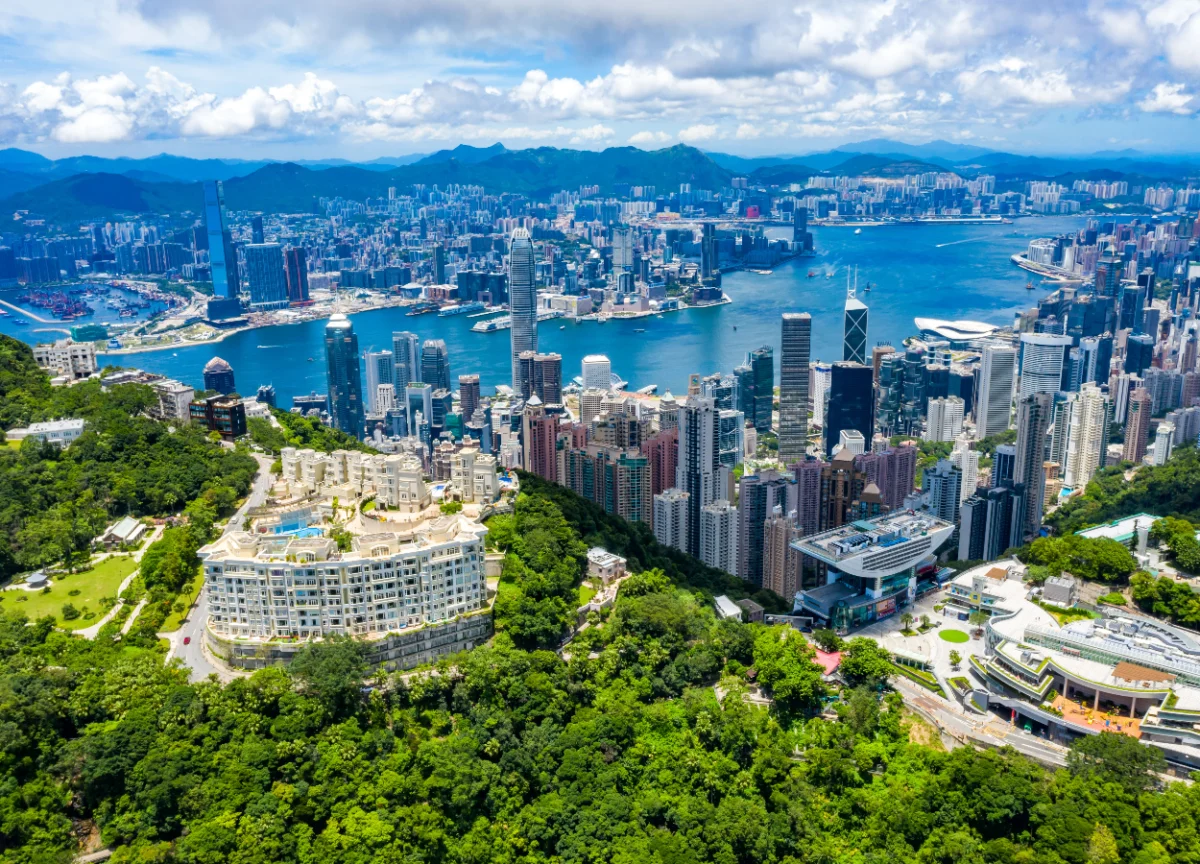
Hong Kong has ascended to become the world’s preeminent center for global offshore wealth, surpassing Switzerland in a significant shift driven by robust capital inflows from mainland China and a surge in initial public offering (IPO) activity. This pivotal development, detailed in the Boston Consulting Group’s (BCG) 2026 Global Wealth Report, underscores the evolving dynamics of international private finance in an era marked by heightened geopolitical tensions.
The Ascendancy of Hong Kong
According to the BCG report, Hong Kong, a special administrative region of China, held an impressive $2.9 trillion in offshore wealth in 2025. This figure represents a notable increase of over 10 percent compared to the previous year. A primary catalyst for this growth has been the substantial and sustained flow of wealth originating from mainland China. This trend reflects an increasing confidence among Chinese investors in Hong Kong’s financial infrastructure and its strategic position as a gateway to international markets.
Beyond wealth inflows, Hong Kong’s status as a leading global IPO venue significantly contributed to its financial surge. In 2025, the city cemented its position as the world’s top destination for IPO fundraising. Data from Hong Kong Exchanges and Clearing Limited (HKEX) reveals a remarkable year-on-year increase of 231 percent in IPO proceeds, reaching a substantial US$37.4 billion. This vibrant IPO market attracts significant capital, both from domestic and international investors looking to participate in the growth of companies listed in the region, further bolstering Hong Kong’s offshore wealth figures.
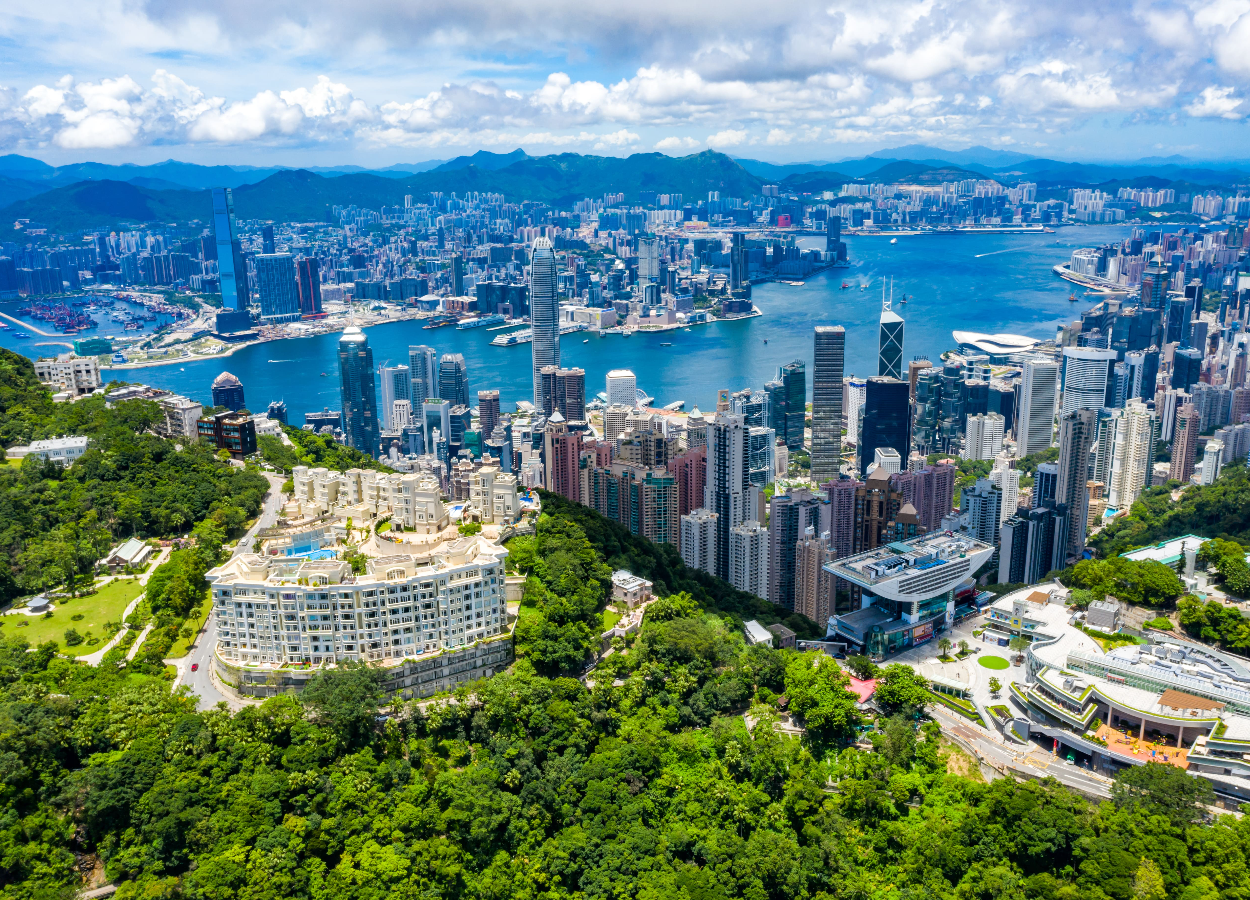
The BCG report, which specifically analyzed the influence of global geopolitical tensions on private finances, positions Hong Kong as having "narrowly" edged out Switzerland to become the world’s largest cross-border booking center. While Switzerland also holds an equivalent $2.9 trillion in offshore wealth, Hong Kong’s dynamic growth trajectory has propelled it to the forefront.
Switzerland’s Enduring Appeal and Future Outlook
Switzerland, long a bastion of private banking and wealth management, continues to maintain a strong position in the global offshore wealth landscape. Its enduring success is attributed to its well-established reputation as a secure and stable jurisdiction, a crucial factor in attracting and retaining wealth amidst increasing global uncertainty. The BCG report acknowledges Switzerland’s continued strength, noting its attractiveness to High Net Worth Individuals (HNWIs) from Western Europe and the Middle East.
However, the report projects a significant growth for Hong Kong’s cross-border wealth, anticipating it to reach $4.6 trillion by 2030. The lion’s share of this anticipated increase is expected to originate from mainland China, with projections indicating a total of $3.1 trillion flowing from the mainland by the end of the decade.
Switzerland is also poised for substantial growth, with its offshore wealth expected to reach $4 trillion by 2030, marking a robust 38 percent increase. This continued expansion highlights Switzerland’s ability to adapt and remain a preferred destination for offshore wealth, particularly for its established client base.

Geopolitical Shifts and Emerging Opportunities
The BCG report emphasizes that worldwide geopolitical tensions have played a significant role in influencing private finances, driving investors to diversify their wealth not only across asset classes but also across jurisdictions and currencies. This broader trend of diversification underpins the growth observed in major offshore wealth centers.
Hong Kong is strategically positioned to capitalize on the wealth generated by rapidly expanding industries across Asia, including the burgeoning semiconductor sector in Korea and the advanced AI microchip industry in China. These emerging economic powerhouses are expected to contribute significantly to Hong Kong’s projected wealth growth by 2030.
Conversely, the report highlights potential headwinds for Hong Kong. Geopolitical tensions between the United States and its allies may lead to some cross-border wealth diversion from Japan and Taiwan away from Hong Kong.
Singapore: A Rising Safe Haven

In contrast to these potential challenges for Hong Kong, Singapore is anticipated to benefit from the same geopolitical shifts. The city-state has already demonstrated its credentials as a safe haven, with its cross-border wealth surging to $2.1 trillion in 2025, an increase of 10.3 percent from the previous year. This growth signifies Singapore’s increasing appeal as a stable and secure destination for international capital.
Global Offshore Wealth Growth
On a global scale, international offshore wealth experienced a substantial rise of 8.4 percent in 2025, reaching a collective total of $15.7 trillion. This overarching growth trend reinforces the report’s emphasis on investors’ strategic imperative to diversify their holdings in response to the complex global landscape.
Chronology of Offshore Wealth Shifts
- Pre-2025: Switzerland has historically been the dominant global center for offshore wealth, benefiting from its long-standing reputation for financial stability and discretion.
- 2025: Boston Consulting Group’s (BCG) Global Wealth Report identifies Hong Kong as having surpassed Switzerland as the world’s largest cross-border booking center, holding $2.9 trillion in offshore wealth, a 10% increase.
- 2025: Hong Kong emerges as the world’s top IPO fundraising venue, with proceeds rising 231% year-on-year to $37.4 billion.
- 2025: Singapore’s cross-border wealth reaches $2.1 trillion, up 10.3% year-on-year, underscoring its growing appeal as a safe haven.
- 2025: Global offshore wealth increases by 8.4% to $15.7 trillion, driven by investor diversification strategies.
- Projected 2030: Hong Kong’s cross-border wealth is forecast to reach $4.6 trillion, with $3.1 trillion originating from mainland China.
- Projected 2030: Switzerland’s offshore wealth is projected to grow to $4 trillion, a 38% increase, maintaining its position as a key hub for Western European and Middle Eastern HNWIs.
Broader Implications and Analysis

The shift in the global offshore wealth hierarchy has several significant implications. For Hong Kong, it signifies a validation of its role as a crucial financial conduit for mainland China and its increasing integration into the global financial system. The city’s ability to attract and manage such substantial capital flows positions it for continued economic growth and influence. The vibrant IPO market, fueled by both domestic and international interest, suggests a dynamic and evolving investment landscape.
For Switzerland, while no longer holding the top spot in cross-border booking, its continued growth and established reputation underscore its resilience. The nation’s strength lies in its deep-rooted trust and security, which remain paramount for a specific segment of global wealth. Its ability to cater to the needs of Western European and Middle Eastern HNWIs demonstrates its sustained relevance.
The rise of Singapore as a significant offshore wealth hub is also noteworthy. Its proactive approach to positioning itself as a safe haven, coupled with its stable political and economic environment, makes it an increasingly attractive alternative for investors seeking diversification and security. The geopolitical dynamics that may divert some wealth from Japan and Taiwan towards Singapore highlight the fluid nature of global capital flows and the strategic importance of perceived safety and stability.
The overall increase in global offshore wealth reflects a fundamental change in investor behavior. The interconnectedness of global markets, coupled with geopolitical uncertainties, has compelled investors to adopt more sophisticated diversification strategies. This includes not only spreading investments across different asset classes but also across geographical locations and currency denominations to mitigate risks and enhance returns. This trend is likely to continue as global economic and political landscapes remain complex and dynamic.
The BCG report’s findings serve as a critical indicator for financial institutions, policymakers, and investors alike, offering insights into the shifting currents of global finance and the strategic positioning of key wealth management hubs. The continued evolution of these dynamics will undoubtedly shape the future of international private banking and wealth management for years to come.
