

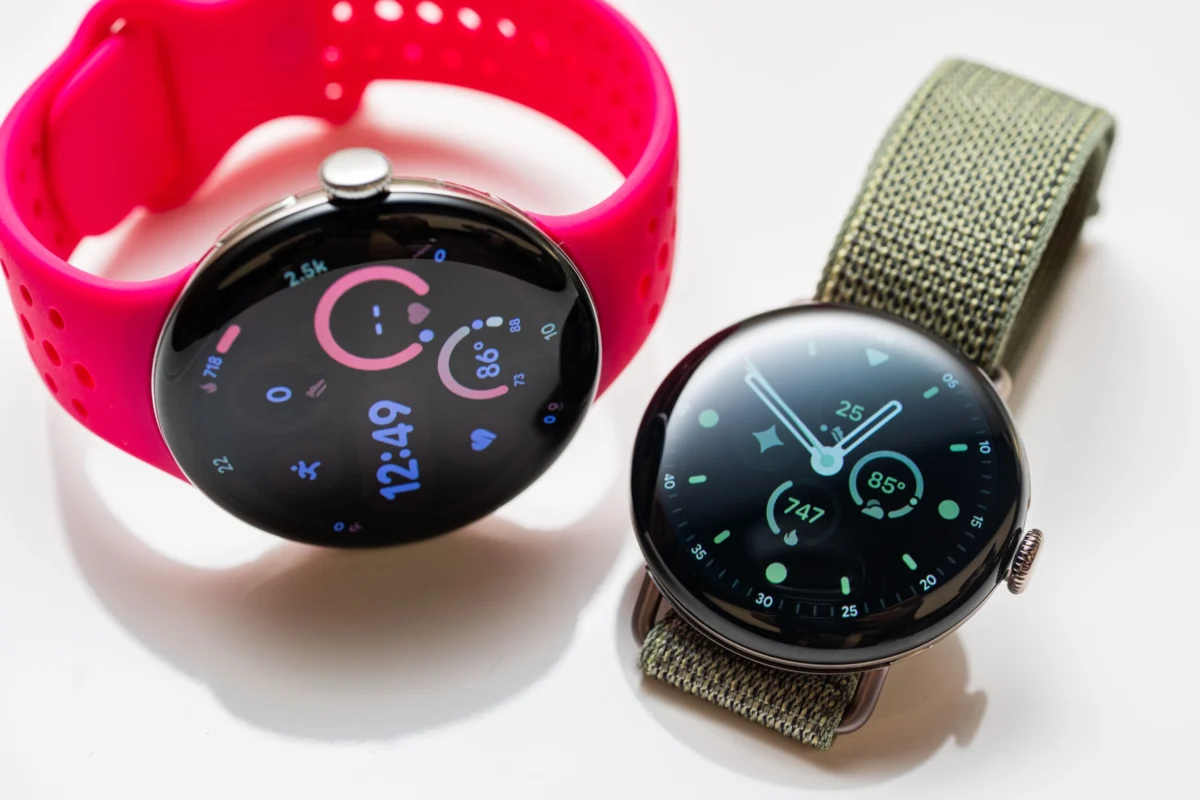
Google has officially signaled its next major leap in the wearable technology sector with the announcement of the Pixel Watch 5, a device that aims to transition the smartwatch from a mere fitness companion to a sophisticated medical-grade monitoring tool. Introduced alongside the Pixel 11 smartphone family at the annual Made by Google event, the new timepiece emphasizes advanced diagnostic capabilities that were once the exclusive domain of clinical environments. The flagship addition to the device’s health suite is Breathing Emergency Detection, a feature designed to identify life-threatening respiratory failures and automatically contact emergency services. This development follows the company’s recent trajectory of prioritizing sensor accuracy, a strategy Google executives say is finally yielding unique capabilities that distinguish their hardware from competitors like Apple and Samsung.
The Evolution of Google’s Wearable Strategy
To understand the significance of the Pixel Watch 5, one must look back at Google’s relatively recent entry into the hardware side of the wearable market. While the first Pixel Watch debuted only four years ago, Google’s foundation in the space was solidified much earlier through its $2.1 billion acquisition of Fitbit in 2021. At the time of the first Pixel Watch’s launch, critics noted that Google was late to a market already dominated by the Apple Watch and Samsung’s Galaxy Gear line. However, Google’s leadership maintained that their late entry allowed them to focus on the fundamental "raw signal" of health: heart rate accuracy.
Sandeep Waraich, Google’s Senior Director of Wearables, noted that the company’s persistent investment in sensor fidelity was a long-term play. By perfecting the Photoplethysmography (PPG) sensors—which use light to measure blood volume changes—Google has built a data foundation capable of supporting complex AI-driven algorithms. These algorithms can now interpret subtle physiological signatures that indicate conditions such as insulin resistance and hypertension, which require extremely high-quality data to detect without traditional medical cuffs or blood draws.
Breathing Emergency Detection: A Technical Breakdown
The headline feature of the Pixel Watch 5, Breathing Emergency Detection, represents an evolution of the "Loss of Pulse Detection" technology introduced with the previous generation. This new capability is engineered to detect when a user’s breathing stops or becomes dangerously shallow due to factors such as drug toxicity (notably opioid overdoses), severe pneumonia, accidents, or choking.
The system operates through a multi-sensor fusion approach. It utilizes the PPG sensor to monitor oxygen saturation (SpO2) levels, the accelerometer to detect a lack of physical movement, and the barometer to sense subtle pressure changes. Francis Hoe, a product manager on the Pixel Watch team, explained that an on-device AI algorithm processes this data in real-time. If the device detects a persistent and dangerous drop in oxygen accompanied by physical stillness, it is programmed to trigger an emergency protocol. This includes an audible alarm and, if the user does not respond, an automated call to emergency services that provides the user’s precise GPS coordinates.
Currently, this feature is slated for a staggered rollout. Because it functions as a high-stakes medical intervention, it requires regulatory clearance from bodies like the U.S. Food and Drug Administration (FDA). As a result, Breathing Emergency Detection will initially launch only in select markets within the European Union while Google works with U.S. regulators to secure the necessary certifications. Google has also clarified that the feature is intended for general wellness and emergency detection in otherwise healthy individuals, rather than as a diagnostic tool for those with pre-existing chronic respiratory conditions.
Expanding the Health Guardian Ecosystem
Google is consolidating its various safety and health tools under a new umbrella brand called "Health Guardian." This ecosystem is designed to mirror the "Personal Safety" app found on Pixel smartphones, providing users with a centralized dashboard to manage critical alerts. The Health Guardian suite includes:
- Irregular Rhythm Notifications: Monitoring for signs of Atrial Fibrillation (AFib).
- High/Low Heart Rate Alerts: Immediate notifications for unexpected cardiac spikes or drops.
- Loss of Pulse Detection: Identifying cardiac arrest events.
- Sleep Breathing Quality: Tracking disturbances that could indicate sleep apnea.
- Breathing Emergency Detection: The latest addition for acute respiratory failure.
In addition to these emergency features, Google is introducing "Blood Pressure Trends" and "Insulin Resistance Trends." Unlike the emergency detection tools, these features are being back-ported to older hardware. Users of the Fitbit Air, Pixel Watch 3, and Pixel Watch 4 will receive these updates via the Google Health app later this fall.

Proactive Monitoring: Blood Pressure and Insulin Resistance
The shift toward monitoring insulin resistance and blood pressure trends marks Google’s entry into chronic disease management. High blood pressure remains the leading risk factor for cardiovascular disease globally, while insulin resistance is a precursor to Type 2 diabetes, a condition affecting hundreds of millions of people.
Google’s approach to these metrics relies on "Large Sensor Models." By analyzing years of opt-in data from the Fitbit ecosystem, Google’s researchers have identified specific "signatures" in PPG signals that correlate with elevated blood pressure and glucose instability. Rishi Chandra, Vice President for Google Health, stated that by matching these wrist-based signals against traditional arm-cuff readings and clinical data, the AI can predict trends with increasing reliability.
However, the medical community remains cautious. Dr. Daniel Jones, former president of the American Heart Association (AHA), emphasized that while cuffless devices show "great promise" and have the potential to transform care, arm cuffs remain the gold standard for clinical diagnosis. Similarly, Barbara Eichorst, Vice President of Health Care Programs at the American Diabetes Association (ADA), noted that while consumer wearables are not yet a replacement for clinical tests, they can provide valuable "meaningful support" for daily management and early intervention.
AI Health Coach and Data Integration
To help users make sense of the vast amount of data collected by the Pixel Watch 5, Google is launching an AI-powered Health Coach. This feature utilizes Google’s Gemini AI models to analyze monthly health reports and provide actionable suggestions. For instance, if the watch detects a downward trend in sleep quality coupled with a rise in resting heart rate, the Health Coach might suggest specific lifestyle adjustments or prompt the user to share a PDF report with their primary care physician.
This integration highlights Google’s broader strategy: moving away from "passive" tracking (simply recording steps) toward "active" health guidance. The 24/7 monitoring capabilities of the Pixel Watch 5 are intended to catch the subtle "drift" in health metrics that a user might not notice until a formal medical crisis occurs.
Market Implications and Competitive Landscape
The launch of the Pixel Watch 5 places Google in direct competition with Apple’s Series 10 and Samsung’s Galaxy Watch 7. While Apple has focused heavily on heart health and sleep apnea detection, and Samsung has introduced features like the "AGEs Index" to measure metabolic health, Google’s focus on emergency respiratory detection and insulin trends carves out a specific niche in preventative safety.
Industry analysts suggest that Google’s "Health Guardian" branding is an attempt to build trust in an era where data privacy is a paramount concern. By keeping much of the AI processing on-device and offering clear opt-in/opt-out controls for data sharing, Google is attempting to mitigate the "Big Brother" stigma often associated with tech giants handling sensitive medical information.
Conclusion: The Path Toward Preventative Medicine
The Pixel Watch 5 represents more than just a hardware refresh; it is a testament to the power of long-term data investment. By focusing on the "raw signal" of heart rate accuracy years ago, Google has built a platform capable of sophisticated AI analysis that can potentially save lives.
As the device rolls out across the European Union and eventually the United States, its success will likely be measured not just by units sold, but by its clinical utility. If Google can successfully navigate the regulatory hurdles of the FDA and gain the full endorsement of organizations like the AHA and ADA, the Pixel Watch 5 could become a landmark device in the shift toward a proactive, rather than reactive, healthcare system. For now, it stands as the most ambitious attempt yet to turn a consumer accessory into a vital piece of life-saving equipment.
