

Gold has ascended to become the world’s largest reserve asset, overtaking U.S. government bonds for the first time in decades, according to a comprehensive report released by the European Central Bank (ECB). This significant shift in global financial allocations reflects a prolonged period of substantial gold acquisition by central banks worldwide, coupled with a notable surge in the precious metal’s market value over the past two years. By the close of 2025, gold constituted a commanding 27% of global central bank reserves, a marked increase from 20% just a year prior. Concurrently, the proportion of U.S. Treasuries within these reserves experienced a decline, falling to 22% from 25% during the same twelve-month period.
The findings, detailed in the ECB’s latest assessment of reserve asset trends, highlight a fundamental reorientation of how nations safeguard their financial stability and manage international liquidity. This move away from traditional U.S. dollar-denominated assets signals a growing appetite for tangible, non-sovereign stores of value, particularly in an era characterized by heightened geopolitical uncertainty and evolving global economic dynamics.
The Ascent of Gold: A Strategic Pivot by Central Banks
The ECB report underscores a multi-year trend of robust central bank demand for gold. This demand has not only altered the composition of global reserves but has also contributed to the significant price appreciation of bullion. As of the end of 2025, gold’s share in global central bank reserves reached 27%, a substantial leap from 20% in the preceding year. This growth outpaced the performance of U.S. Treasuries, which saw their representation diminish from 25% to 22% over the same timeframe.
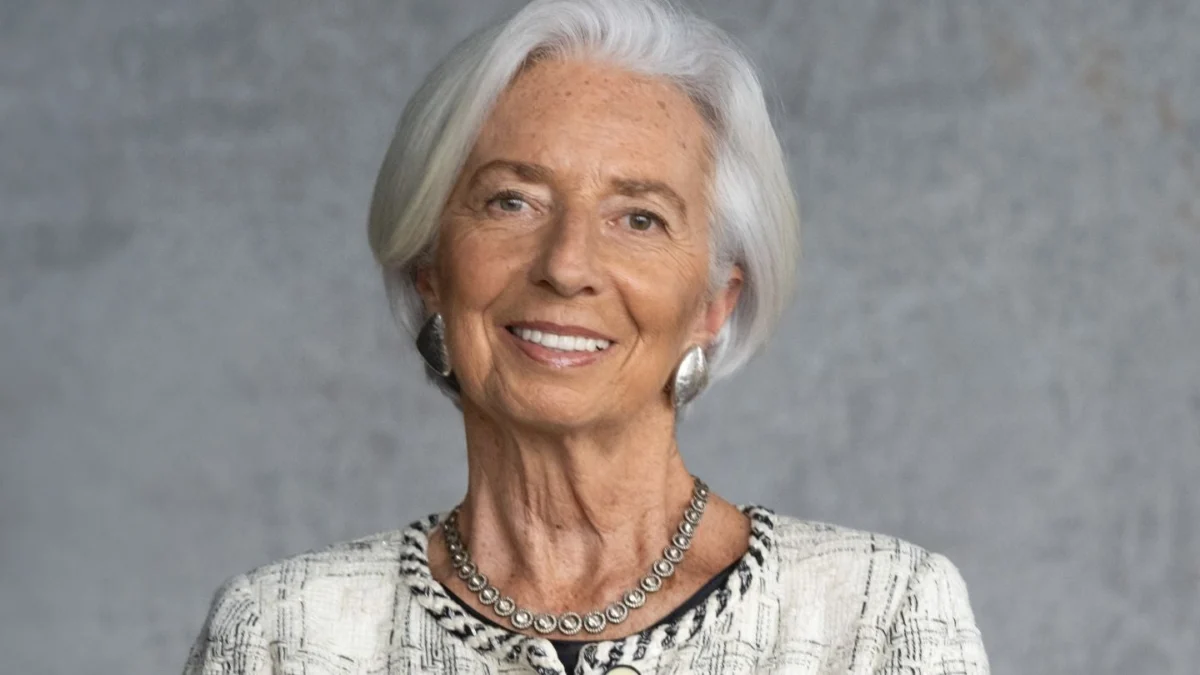
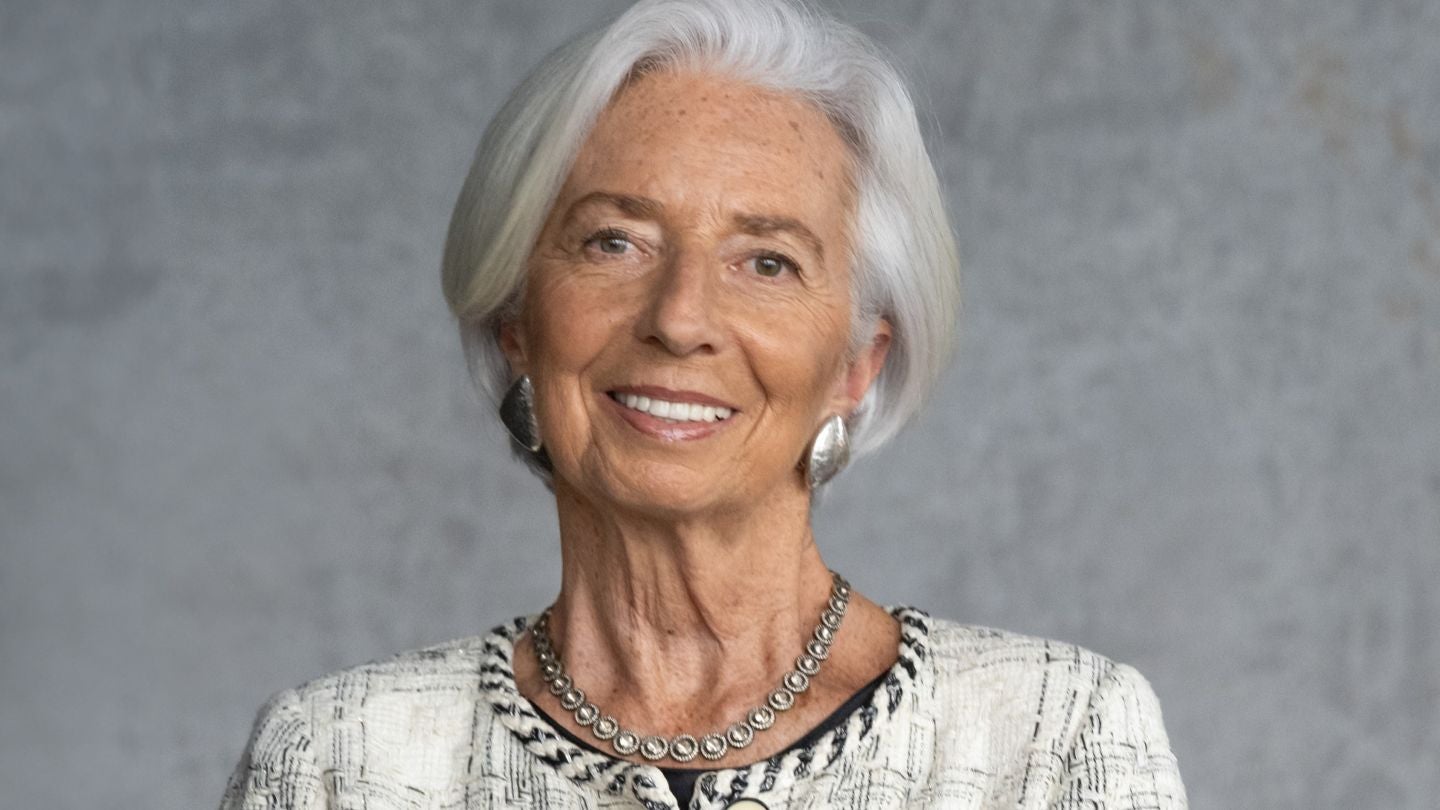
The ECB President, Christine Lagarde, articulated the driving forces behind this transformation in her commentary within the report. "Geopolitical tensions continue to drive strong central bank demand for gold," she stated, emphasizing the metal’s perceived role as a safe-haven asset amid global instability. This sentiment resonates across numerous central banking institutions that have strategically diversified their holdings to mitigate risks associated with single-currency or single-nation dependencies.
Historical Context: A Return to Tangible Value
The current levels of gold holdings by central banks are drawing comparisons to the Bretton Woods era. The ECB noted that central banks now collectively possess over 36,000 tonnes of gold. This figure is remarkably close to the approximately 38,000 tonnes held during the Bretton Woods system, a period when the U.S. dollar was pegged to gold, and exchange rates were fixed. While the modern context differs significantly from the gold standard, the renewed interest in gold as a reserve asset suggests a similar underlying desire for a universally recognized and intrinsically valuable store of wealth, independent of any single government’s monetary policy.
The surge in gold prices has played a crucial role in accelerating its rise to the top reserve asset position. The ECB report indicated that the metal’s value climbed significantly, reaching over $5,500 per troy ounce in January 2026. This robust performance has amplified the impact of central bank purchases, making gold an increasingly attractive component of reserve portfolios.
Shifting Sands: U.S. Treasuries and the Euro’s International Role
The decline in the share of U.S. Treasuries from 25% to 22% marks a notable shift away from an asset that has long been a cornerstone of international dollar reserves. While dollar-denominated assets collectively still represent the largest portion of global reserves, accounting for 42% of the total, the diminishing proportion of U.S. government debt within these reserves is a significant development. This trend could have far-reaching implications for U.S. borrowing costs and the dollar’s global standing in the long term.
In contrast, the share of euro-denominated reserve assets remained stable at 15%. However, the ECB report also pointed to a gradual increase in the international role of the euro. The issuance of international debt denominated in euros saw a substantial rise of 30% in the past year, reaching nearly €1 trillion. Furthermore, foreign investors engaged in significant net purchases of euro area assets, amounting to €850 billion. These inflows have propelled foreign portfolio investment in the euro area to near its highest levels since the euro’s inception, indicating a growing confidence in the European currency and its associated markets.
Key Players and Emerging Trends in Gold Acquisition
While the overall trend shows a significant increase in gold reserves, the pace of central bank gold buying saw a slight moderation in 2025. Net purchases totaled 850 tonnes for the year, following three consecutive years where annual buying exceeded 1,000 tonnes. Despite this slight slowdown, the strategic importance of gold continues to be recognized by a wide array of national monetary authorities.
The report identified several key contributors to the substantial additions to gold reserves since 2022. Notably, China, Poland, Turkey, and India have been among the most active central banks in acquiring gold. These nations, each with unique economic and geopolitical considerations, have evidently prioritized bolstering their gold holdings as a strategic imperative.
An intriguing development highlighted in the report is the emergence of stablecoin company Tether as a significant buyer in 2025, acquiring over 100 tonnes of gold. This indicates that the demand for gold is not solely confined to traditional state actors but is also being driven by innovative financial entities seeking to diversify their assets and offer stable, gold-backed digital currencies.
Case Study: Turkey’s Dynamic Reserve Management
Turkey’s approach to gold reserves offers a compelling illustration of the volatility and strategic decision-making involved in reserve management, particularly in response to geopolitical events. Since Russia’s invasion of Ukraine in 2022, Turkey had significantly increased its gold holdings, adding approximately 220 tonnes. This expansion was likely a response to the broader global instability and a desire to diversify away from traditional reserve currencies.
However, in early 2026, Turkey undertook a substantial drawdown of its gold reserves, selling or loaning out 130 tonnes. This action coincided with the outbreak of conflict in Iran, suggesting a reactive strategy to bolster liquidity or manage immediate financial pressures arising from the escalating regional tensions. The ECB described this move as "one of the largest reserve drawdowns in recent years," underscoring the significant scale of Turkey’s divestment. Such dynamic adjustments highlight the complex interplay between geopolitical events, market conditions, and national reserve management strategies.
Analysis and Implications: A Diversified Global Financial Architecture
The shift in global reserve assets carries several significant implications for the international financial system:
- Diversification and De-dollarization: The move away from U.S. Treasuries, while gradual, contributes to a broader trend of diversification in global reserves. This could potentially reduce the reliance on the U.S. dollar as the sole dominant reserve currency, fostering a more multi-polar global financial architecture.
- Safe-Haven Demand: The sustained demand for gold, particularly in the face of geopolitical tensions, reinforces its status as a premier safe-haven asset. This trend is likely to persist as long as global uncertainties remain elevated.
- Impact on U.S. Dollar’s Dominance: A sustained decline in the proportion of U.S. Treasuries held by central banks could, over time, affect demand for U.S. debt, potentially leading to higher borrowing costs for the U.S. government and a recalibration of the dollar’s international role.
- Emergence of Alternative Assets: The inclusion of entities like Tether as significant gold buyers suggests a growing interest in gold beyond traditional state reserves, potentially paving the way for new forms of gold-backed financial instruments and greater integration of digital assets with physical commodities.
- Euro’s Growing Influence: The observed increase in the international use of the euro and inflows into euro area assets indicate a potential strengthening of the euro’s position in global finance, offering an alternative to dollar-centric financial flows.
The ECB’s report provides a crucial snapshot of evolving global financial strategies. The re-emergence of gold as a preeminent reserve asset, surpassing even U.S. Treasuries, is a testament to its enduring appeal as a store of value and a hedge against uncertainty. As geopolitical landscapes continue to shift and economic paradigms evolve, central banks are demonstrating a clear inclination towards diversification and the acquisition of tangible assets, reshaping the contours of the international financial system for years to come. The continued monitoring of these trends will be vital for understanding the future trajectory of global finance.
