

New research reveals a stark reality for global commerce in 2024: a significant portion of international goods imports is exposed to multiple vulnerabilities, demanding urgent strategic responses, particularly from emerging economies. The analysis indicates that a substantial 23% of global goods imports are susceptible to at least two of three critical risk factors: product criticality, supply concentration, and geopolitical distance. This pervasive exposure underscores the imperative for early diagnosis and precisely targeted interventions, especially for developing nations operating with constrained fiscal resources. The lessons learned from recent trade disruptions, including last year’s tariff disputes and ongoing geopolitical tensions in key maritime chokepoints, highlight a fundamental shift in global trade patterns. Rather than a retreat, the international trade landscape is undergoing a profound reconfiguration, presenting both challenges and novel opportunities. To effectively capitalize on these evolving dynamics, emerging economies must meticulously identify their most critical import dependencies, pinpoint suppliers operating with limited diversification, and understand the geographic exposures of their trade routes. This foundational understanding is essential for building robust resilience where it matters most, safeguarding their economic progress and integration into the global marketplace.
The Shifting Sands of Global Trade: A New Era of Vulnerability
The past few years have served as a stark and often costly education for the global economy. The escalating trade wars, characterized by tit-for-tat tariffs imposed by major economic powers, created significant headwinds for international commerce. These disputes, which began in earnest around 2018, disrupted established supply chains, increased costs for businesses and consumers, and injected a high degree of uncertainty into trade relationships. Emerging economies, often reliant on export-led growth and access to imported inputs, found themselves particularly exposed to these fluctuations. Many lacked the diversified economic bases or substantial foreign exchange reserves to absorb such shocks without significant domestic impact.
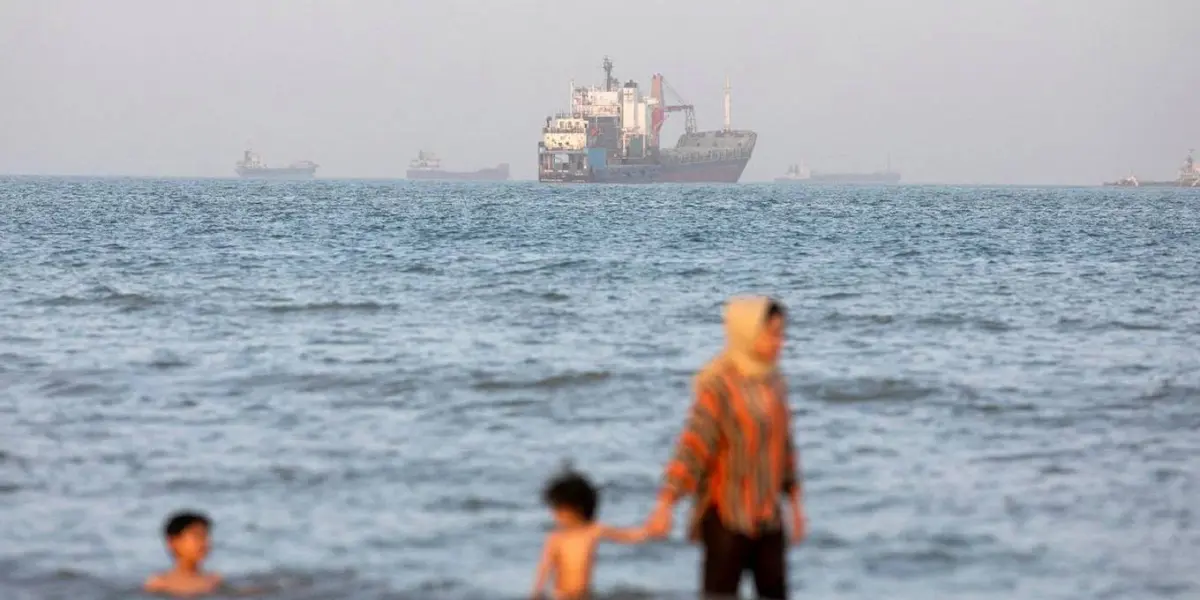
Compounding these tariff-related anxieties, more recent events have further underscored the fragility of global trade arteries. The disruptions experienced in the Strait of Hormuz, a vital maritime chokepoint for oil and other critical commodities, have amplified concerns about the security of essential trade routes. These incidents, often stemming from geopolitical rivalries and regional instability, demonstrate how localized conflicts can have far-reaching global economic consequences. The ability of a nation to import crucial raw materials, intermediate goods, or even finished products can be severely hampered by events unfolding thousands of miles away, highlighting the interconnectedness and inherent vulnerabilities of the modern trading system.
The new research, which quantifies this exposure, provides a much-needed empirical basis for these concerns. By identifying 23% of global goods imports as facing a confluence of product criticality, supply concentration, and geopolitical distance, the study moves beyond anecdotal evidence to provide a data-driven assessment of systemic risk.
Understanding the Three Pillars of Vulnerability
The research identifies three interconnected dimensions of vulnerability that collectively threaten the stability of global goods imports:
-
Product Criticality: This refers to the essential nature of a particular imported good for a nation’s economy. If a product is indispensable for key industries, national security, or basic consumer needs, its disruption can have cascading negative effects. Examples include semiconductors for manufacturing, rare earth minerals for advanced technologies, essential medicines, or even basic foodstuffs. A high degree of criticality means that any interruption in supply will have immediate and significant repercussions.
-
Supply Concentration: This vulnerability arises when a country relies on a very limited number of suppliers, or even a single supplier, for a particular good. This concentration creates a single point of failure. If that supplier experiences production issues, faces export restrictions, or becomes embroiled in geopolitical disputes, the importing country’s supply chain is immediately imperiled. The COVID-19 pandemic starkly illustrated this, with many nations heavily dependent on a few countries for personal protective equipment (PPE) and critical medical supplies.
-
Geopolitical Distance: This factor encompasses the physical and political distance between the supplier and the importing nation. Goods that must traverse long distances, cross multiple borders, or transit through politically unstable regions are inherently more susceptible to disruptions. This includes risks associated with piracy, piracy, trade route blockades, sanctions, or simply the increased transit times and costs that can be exacerbated by political tensions. The Strait of Hormuz disruptions are a prime example of how geopolitical distance and maritime chokepoints create significant risk.
The research’s finding that 23% of imports face at least two of these vulnerabilities suggests that a significant portion of global trade is built on a precarious foundation. This means that disruptions, when they occur, are likely to be more severe and have wider-reaching consequences than if only one vulnerability were present.
Emerging Economies: A Heightened Imperative for Resilience
The implications of this research are particularly acute for emerging economies. These nations often operate with more limited financial resources, less diversified industrial bases, and a greater reliance on imported goods to fuel their development. The concept of "limited fiscal space" is crucial here. Unlike developed nations with substantial national budgets and robust social safety nets, emerging economies often struggle to fund large-scale infrastructure projects, implement extensive industrial diversification programs, or provide significant financial support to affected industries during a crisis.
Therefore, the need for "early diagnosis and targeted action" is not merely a recommendation but an existential necessity. Emerging economies cannot afford to wait for a crisis to unfold; they must proactively identify their vulnerabilities and implement strategic measures to mitigate them. This requires sophisticated data analysis, strategic foresight, and a willingness to invest in resilience even when immediate returns are not apparent.
A Chronology of Disruptions and Realignment
To fully appreciate the current research’s significance, it is helpful to place it within a broader chronological context of trade disruptions and policy shifts:
- Mid-2010s: A period of relatively stable global trade, with increasing interconnectedness and the rise of complex global value chains.
- 2018-2020: Escalation of trade disputes, primarily between the United States and China, leading to the imposition of significant tariffs on a wide range of goods. This period highlighted the political weaponization of trade and the vulnerability of supply chains to geopolitical maneuvering.
- Early 2020 onwards: The COVID-19 pandemic triggered unprecedented global supply chain disruptions. Lockdowns, factory closures, and shipping bottlenecks led to shortages of critical goods, including medical supplies, semiconductors, and consumer electronics. This event underscored the fragility of lean, just-in-time inventory systems and the risks associated with over-reliance on specific production hubs.
- 2022-2023: Heightened geopolitical tensions, including the war in Ukraine, led to further supply chain shocks, particularly in energy and food commodities. Sanctions imposed on Russia and its allies created new trade barriers and forced a rapid reassessment of energy security and agricultural supply routes.
- 2023-2024: Increased maritime security concerns in key shipping lanes, such as the Strait of Hormuz and the Red Sea, leading to rerouting of vessels, increased shipping costs, and heightened risk of cargo delays and potential loss. These incidents have brought the geopolitical distance vulnerability to the forefront once again.
This historical progression illustrates a trend of increasing volatility and complexity in global trade. The research released in 2024 is a direct consequence of these evolving dynamics, providing a quantitative assessment of the risks that have materialized and intensified over this period.
Data-Driven Insights: Quantifying the Vulnerability
While the article does not provide specific country-level data, the 23% figure for global goods imports facing at least two vulnerabilities is a powerful aggregate statistic. To further enrich this analysis, consider the potential for supporting data in a more comprehensive report:
- Sectoral Breakdown: Analysis could reveal which specific sectors are most affected. For example, imports of electronics, pharmaceuticals, and critical minerals might show higher levels of criticality and supply concentration.
- Geographic Concentration of Suppliers: Data could identify the specific countries that are disproportionately important suppliers for goods facing these vulnerabilities. This might highlight dependencies on a few East Asian nations for manufactured goods, or on specific African or South American countries for rare earth elements.
- Trade Route Vulnerabilities: Mapping of major trade routes and their proximity to geopolitical flashpoints would provide further context for the geopolitical distance factor.
Without specific data points beyond the headline figure, inferring specific implications for individual emerging economies remains general. However, the broad finding implies that nations heavily reliant on imports for manufacturing inputs, advanced technology, or essential consumer goods are likely to be most at risk.
Navigating the Opportunities in Reconfiguration
The research’s concluding point, that global trade is reconfiguring, not retreating, offers a crucial optimistic perspective. This reconfiguration, driven by the desire for greater resilience and diversification, can indeed present new opportunities for emerging economies.
- Nearshoring and Friend-shoring: Companies are increasingly looking to relocate production closer to home (nearshoring) or to politically aligned countries (friend-shoring) to reduce supply chain risks. Emerging economies that can offer competitive labor costs, stable political environments, and good infrastructure may attract new investment and become alternative supply hubs.
- Diversification of Markets: As traditional supply chains are re-evaluated, there is a growing impetus to diversify markets for both inputs and outputs. Emerging economies can leverage this by developing new export markets and attracting a broader range of trading partners.
- Investment in Domestic Capacity: The vulnerabilities exposed by recent events are also spurring investments in domestic production capabilities. Emerging economies that can identify strategic sectors and invest in building local manufacturing capacity, even for intermediate goods, can reduce their reliance on imports and create domestic employment.
- Technological Adoption: The push for resilience is also driving the adoption of new technologies, such as advanced logistics management, artificial intelligence for supply chain optimization, and digital trade platforms. Emerging economies that embrace these technologies can improve their efficiency and competitiveness.
Strategic Imperatives for Emerging Economies
To effectively seize these opportunities and mitigate the identified risks, emerging economies must adopt a multi-pronged strategic approach:
- Enhanced Data Analytics and Risk Assessment: Invest in the capacity to collect, analyze, and interpret trade data to identify specific product criticality, supplier concentration, and route vulnerabilities. This requires skilled personnel and sophisticated analytical tools.
- Diversification Strategies: Actively pursue policies that encourage diversification of both import sources and export markets. This could involve trade promotion initiatives, investment in new trade agreements, and support for businesses looking to expand their international reach.
- Strategic Stockpiling and Reserve Management: For critically important goods, consider building strategic reserves or establishing robust inventory management systems to buffer against short-term supply disruptions. This requires careful economic planning to balance the costs of holding reserves against the risks of shortages.
- Investment in Infrastructure and Logistics: Improve domestic infrastructure, including ports, roads, and digital networks, to enhance the efficiency and resilience of trade routes. Investing in logistics capabilities can also reduce transit times and costs.
- Promoting Domestic Industrial Development: Support the development of domestic industries that can substitute for critical imports. This could involve targeted industrial policies, incentives for local manufacturing, and investments in research and development.
- Regional Cooperation: Collaborate with neighboring countries to build regional supply chains, share best practices, and create more resilient economic blocs. This can reduce reliance on distant and potentially volatile suppliers.
- Engaging with International Forums: Actively participate in international trade discussions and organizations to advocate for a more stable and predictable global trading environment, and to access best practices and potential financial support for resilience-building initiatives.
The research’s call for "targeted action" implies that a one-size-fits-all approach will not be effective. Each emerging economy must tailor its strategy to its specific economic structure, resource endowments, and geopolitical context. The lessons of recent years are clear: in an era of trade reconfiguration, proactive vulnerability management is not just prudent, it is essential for sustained economic growth and stability. The ability of emerging economies to navigate these complexities will define their trajectory in the evolving global economic landscape.
