

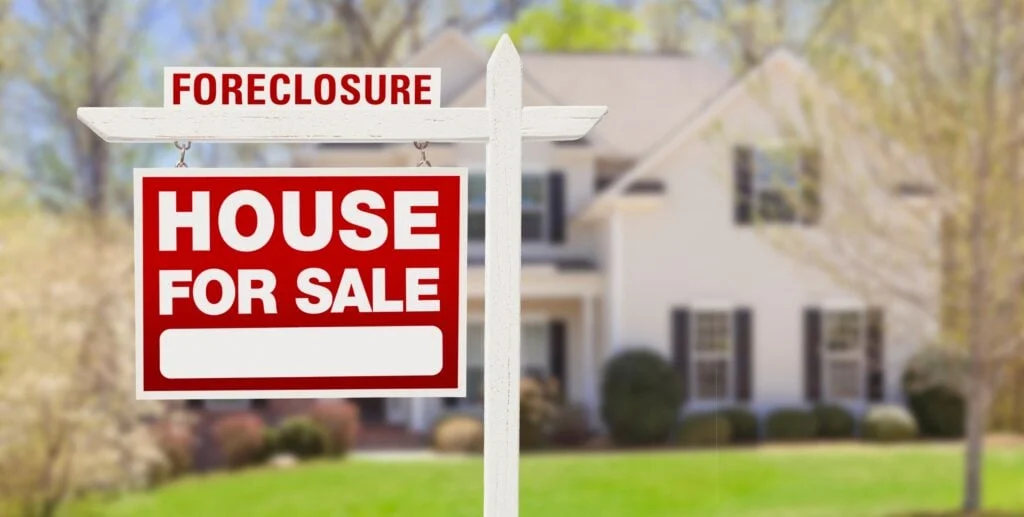
The United States housing market is currently grappling with a significant uptick in foreclosure activity, a trend that has prompted economists and real estate investors to reassess the stability of the residential sector. According to recent data from HousingWire, foreclosure filings across the country rose by 14% year-over-year in May, while a comprehensive first-quarter report from property data provider ATTOM revealed a 26% surge in defaults compared to the same period in the previous year. This trajectory suggests that the post-pandemic period of historically low foreclosure rates is coming to a definitive end, replaced by a complex landscape of "payment shocks" driven by escalating holding costs and shifting labor market conditions.
While the figures evoke memories of the 2008 financial crisis, market analysts emphasize that the current surge is fundamentally different in origin. Unlike the subprime mortgage collapse, which was fueled by predatory lending and unqualified borrowers, the modern rise in defaults is being propelled by a "layering effect" of rising property taxes, soaring insurance premiums, and localized unemployment. This shift in variables presents a new challenge for policymakers and homeowners alike, as traditional methods of tightening lending standards offer little protection against the external pressures of inflation and municipal tax reassessments.
A Geographic Breakdown of Market Distress
The increase in foreclosures is not a uniform national phenomenon; rather, it is concentrated in specific regions where economic and legislative factors have converged to create a volatile environment for homeowners. ATTOM’s research identifies Florida, South Carolina, Maryland, Nevada, and Indiana as the states experiencing the highest rates of default. Each of these markets presents a unique set of circumstances that explains the sudden rise in distress.
In Florida and Nevada, the primary drivers are often cited as the astronomical rise in homeowners’ insurance premiums. In Florida, specifically, a combination of climate-related risks and high litigation costs has forced many insurers to exit the state or raise rates by triple digits, significantly increasing the monthly "PITI" (Principal, Interest, Taxes, and Insurance) payments for households that were already stretched thin. When insurance costs rise, mortgage servicers must adjust escrow accounts, often resulting in a "catch-up" payment that can increase a monthly mortgage bill by hundreds of dollars overnight.
Delaware has also emerged as a surprising leader in foreclosure rates. In April, the state recorded the highest foreclosure rate in the nation, with one in every 1,739 housing units facing a filing. However, analysts at Realtor.com suggest that Delaware’s data requires careful interpretation. Because the state has a relatively small inventory of housing units, a modest increase in the absolute number of filings can produce a disproportionately high percentage. Furthermore, Delaware recently underwent its first comprehensive property tax reassessment in four decades. This move led to significant jumps in tax liabilities for long-term homeowners, many of whom were living on fixed incomes and could not absorb the sudden increase in their monthly obligations.
The Role of "Payment Shocks" and Labor Market Volatility
Economists are increasingly pointing to "payment shock" as the catalyst for the current wave of defaults. Marina Walsh, an economist at the Mortgage Bankers Association, notes that recent buyers who purchased homes during the peak of the market in 2021 and 2022 are particularly vulnerable. These homeowners often bought at high valuations with low interest rates, but they are now facing the reality of rising non-mortgage housing costs.
"They’re having payment shocks from taxes and insurance along with potential job distress," Walsh stated in a recent analysis. This layering effect means that even a homeowner with a 3% interest rate can find themselves in financial peril if their property taxes double and their insurance premium triples within a two-year window.
The labor market is the final piece of the distress puzzle. ATTOM CEO Rob Barber has noted that the greatest foreclosure risks remain in counties where unemployment rates have climbed above 5%. While the national unemployment rate has remained relatively stable, localized economic downturns in specific industrial or service-heavy counties are directly correlating with a rise in mortgage defaults. In these micro-markets, the combination of high living costs and the loss of a primary income stream makes it nearly impossible for homeowners to avoid delinquency.
Case Study: South Carolina’s Growth Trap
South Carolina provides a compelling case study of how rapid success in the real estate market can eventually lead to localized distress. The state has been one of the fastest-growing regions in the U.S., with Census Bureau data highlighting it as a top destination for domestic migration. This influx of new residents drove home prices to record highs, often far exceeding the growth of local wages.
Hannah Jones, a senior economic research analyst at Realtor.com, describes this as a consequence of the state’s own growth. "Rapid in-migration drove home prices well beyond what local income levels could support," Jones explained. Buyers who entered the market at the peak of the appreciation cycle, often utilizing high-interest bridge loans or conventional mortgages with minimal down payments, now find themselves with little to no equity cushion.
In a market where prices have leveled off or slightly declined, these homeowners cannot sell their way out of debt because the cost of sale (including agent commissions and closing costs) exceeds their remaining equity. Additionally, the high-interest-rate environment makes refinancing an unviable option for those looking to lower their monthly payments. This "equity trap" is a primary driver for the one in every 1,745 properties in South Carolina currently showing a foreclosure filing.
Comparative Timeline: 2008 vs. 2024
To understand the broader implications of the current surge, it is necessary to place these events in a historical context. The 2008 crisis was characterized by a systemic failure of the credit markets. In contrast, the 2024 surge is a normalization of the market following years of government intervention.
- 2020–2021: Federal and state governments implemented foreclosure moratoria and forbearance programs to prevent a housing collapse during the COVID-19 pandemic. This created an artificial "floor" for foreclosure activity, keeping rates at historic lows.
- 2022: As moratoria expired, a backlog of distressed properties began to move through the legal system. Interest rates began their rapid ascent as the Federal Reserve moved to combat inflation.
- 2023: Home price appreciation slowed, and the "lock-in effect" took hold, where homeowners with low rates refused to sell. However, rising costs of labor and materials pushed insurance and tax assessments higher.
- 2024: The "backlog" of old defaults has merged with a "new wave" of defaults caused by the aforementioned payment shocks.
The current environment is less about a "bubble bursting" and more about the "erosion of affordability." While the banking system remains well-capitalized and lending standards remain much stricter than they were two decades ago, the individual burden on the American homeowner has reached a breaking point in several key markets.
Strategic Implications for Real Estate Investors
For real estate investors, the rise in foreclosures presents a bifurcated landscape of opportunity and risk. While a higher volume of distressed assets typically suggests a "buyer’s market," the current economic climate requires a more nuanced approach than previous cycles.
Flippers and short-term speculators must be particularly cautious. In markets like South Carolina or Florida, where demand remains high but affordability is stretched, finding a "qualified end buyer" is becoming increasingly difficult. An investor may successfully purchase a foreclosure at a discount, but if the local population cannot qualify for a mortgage at 7% interest rates, the exit strategy becomes compromised.
For long-term buy-and-hold investors (landlords), the focus has shifted entirely to cash flow underwriting. Historical data on rental yields is no longer sufficient; investors must now account for aggressive future increases in insurance and taxes. A property that cash-flows today could easily move into the red if a municipal reassessment occurs or if a major insurer pulls out of the region.
Industry experts suggest that the most successful investors in this environment are those utilizing all-cash offers to bypass high borrowing costs. By removing the interest rate variable, these investors can secure distressed properties at significant discounts and hold them until the market stabilizes or interest rates decline. For those without significant cash reserves, the use of private money or short-term bridge loans is common, though it necessitates a very high margin of safety.
Broader Impact and Future Outlook
The surge in mortgage defaults serves as a canary in the coal mine for the broader U.S. economy. It highlights the growing disconnect between housing costs and household income. If the trend continues, it could lead to a cooling of consumer spending, as more household wealth is diverted toward maintaining housing stability or addressing the fallout of a foreclosure.
However, there is a silver lining for the market as a whole. The gradual release of distressed inventory may provide a much-needed increase in housing supply. For years, the U.S. has suffered from a chronic shortage of available homes, which has kept prices artificially high. As foreclosed properties eventually return to the market—either as renovated flips or as institutional rentals—they may help to moderate price growth and provide more options for first-time buyers who have been sidelined.
In the short term, the market should expect foreclosure filings to remain elevated as the "math problem" of taxes and insurance continues to resolve. The resilience of the housing market will ultimately depend on the labor market. As long as unemployment remains relatively low on a national scale, the current surge is likely to remain a series of regional corrections rather than a national catastrophe. Nonetheless, for the homeowners in Delaware, South Carolina, and Florida currently facing the loss of their homes, the crisis is already very real, signaling a turbulent chapter in the American real estate narrative.
