

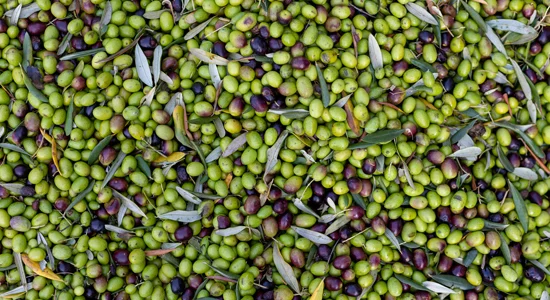
Iberian Agricultural Land Market Shows Signs of Maturation as Portuguese Olive Deal Highlights Price Stabilization
A recent significant transaction involving agricultural land in Portugal, facilitated by Kempen, is being interpreted by global real estate consultancy CBRE as a key indicator of stabilization within the Iberian agricultural land market. This development suggests a potential shift from a period of rapid appreciation to a more predictable and sustained growth trajectory, a sentiment echoed by growing investor interest in the region’s robust agricultural sector. The deal, which involved a substantial olive grove, underscores the enduring appeal of prime agricultural assets in Southern Europe, driven by strong demand for high-quality produce and favorable climatic conditions.
The Iberian Peninsula, encompassing Spain and Portugal, has long been recognized for its agricultural prowess, particularly in olive oil, wine, and other Mediterranean crops. Historically, land prices in this region have experienced fluctuations influenced by a confluence of factors, including agricultural commodity prices, environmental conditions, and foreign investment trends. However, the current signals point towards a market that is maturing, with investors adopting a more long-term perspective.
Background Context: The Iberian Agricultural Landscape
Portugal, in particular, has been actively promoting its agricultural sector as a strategic pillar of its economy. Initiatives aimed at modernizing farming practices, enhancing sustainability, and increasing export potential have been gaining traction over the past decade. The country’s diverse microclimates and fertile soils are conducive to a wide range of crops, with olives and wine being particularly significant contributors to its agricultural output and export revenues.
Spain, as the world’s largest olive oil producer, also plays a pivotal role in the Iberian agricultural land market. The interplay between these two major agricultural economies often influences regional trends. Investor confidence in the Iberian market has been bolstered by a combination of factors: a consistent demand for agricultural products, a well-established export infrastructure, and a growing recognition of the long-term value of productive land as an asset class.
The Kempen-Facilitated Olive Deal: A Snapshot of Market Dynamics
While specific details of the Kempen-brokered olive grove transaction remain confidential, CBRE’s analysis suggests that the terms of the deal reflect a more balanced negotiation environment. This implies that sellers are no longer commanding the significant premiums seen in earlier, more speculative phases of the market, and buyers are entering with a clearer understanding of valuation metrics. The stabilization of land prices can be attributed to several underlying factors:
- Supply and Demand Equilibrium: The market is moving towards a more balanced state where the supply of available prime agricultural land is meeting sustained, albeit more discerning, buyer demand.
- Investor Maturity: Institutional investors, who have been increasingly active in the agricultural sector, are demonstrating a more sophisticated approach to due diligence and valuation, moving away from purely opportunistic plays towards strategic asset acquisition.
- Economic Stability: A degree of economic stability within Portugal and the broader Eurozone provides a more predictable backdrop for long-term agricultural investments.
- Focus on Productivity and Sustainability: Buyers are increasingly prioritizing land with proven productivity and those that can readily adopt sustainable farming practices, aligning with global trends and regulatory requirements.
The olive sector, specifically, benefits from a consistent global demand for olive oil, driven by health-conscious consumers and its integral role in various cuisines. Portugal has been investing in expanding its olive cultivation and improving the quality of its olive oil, making these assets attractive for long-term investment.
Implications of Land Price Stabilization
The stabilization of Iberian agricultural land prices has several significant implications for the sector and its stakeholders:
- Increased Investor Confidence: A stable market environment typically fosters greater confidence among institutional investors, potentially leading to increased capital allocation to the agricultural sector. This can fuel further investment in land acquisition, modernization of farming techniques, and research and development.
- Accessibility for New Entrants: While prime agricultural land remains a significant investment, a more stabilized market could make it marginally more accessible for well-capitalized new entrants or smaller investment funds looking to diversify their portfolios.
- Focus on Operational Efficiency: With land prices no longer experiencing rapid, speculative increases, the focus for investors and landowners will likely shift more intensely towards maximizing operational efficiency, improving yields, and enhancing the long-term value of the land through sustainable practices.
- Potential for Consolidation: A stable market can sometimes precede a period of consolidation, where larger, well-resourced entities acquire smaller or less efficient operations, leveraging economies of scale.
IFC Aims to Modernize India’s Grain Storage Infrastructure
In a parallel development highlighting the global importance of agricultural supply chains, the International Finance Corporation (IFC), a member of the World Bank Group, is reportedly exploring significant investments aimed at modernizing India’s aging grain storage infrastructure. This initiative underscores the critical need for improved post-harvest management in one of the world’s largest food-producing nations, where substantial quantities of grain are lost annually due to inadequate storage facilities and logistical inefficiencies.
Background: The Scale of India’s Grain Production and Storage Challenges
India is a global powerhouse in agricultural production, ranking among the top producers of rice, wheat, pulses, and various other essential food grains. However, the country has historically grappled with significant post-harvest losses, estimated to be as high as 10-15% for certain commodities. These losses are primarily attributed to:
- Inadequate Storage Capacity: Existing government-owned silos and warehouses often fall short of the total production, leading to reliance on less secure, open-air storage methods.
- Poor Storage Conditions: Many existing facilities suffer from poor maintenance, inadequate pest control, and lack of climate control, leading to spoilage, contamination, and quality degradation.
- Logistical Bottlenecks: Inefficient transportation networks and handling processes contribute to delays and damage to grains during transit and storage.
- Lack of Modern Technology: The adoption of advanced storage technologies, such as controlled atmosphere storage and sophisticated inventory management systems, has been slow.
The economic impact of these losses is substantial, not only in terms of lost food for consumption but also in reduced income for farmers and increased costs for consumers. Furthermore, it poses a significant challenge to India’s food security objectives and its aspirations as a major food exporter.
IFC’s Strategic Vision for Grain Storage Modernization
The IFC’s involvement signals a commitment to addressing these systemic issues through a combination of financing, technical expertise, and the promotion of best practices. Their approach is likely to encompass:
- Public-Private Partnerships (PPPs): Encouraging private sector investment and expertise in developing and managing modern warehousing facilities, potentially through build-operate-transfer (BOT) models.
- Investment in New Infrastructure: Facilitating the construction of state-of-the-art, climate-controlled silos and warehouses with advanced pest management systems.
- Technology Adoption: Promoting the integration of digital technologies for inventory management, quality monitoring, and supply chain traceability.
- Capacity Building: Providing training and technical assistance to stakeholders, including farmers, warehouse operators, and government agencies, on best practices in grain handling and storage.
- Reducing Post-Harvest Losses: The ultimate goal is to significantly reduce the current levels of post-harvest losses, thereby improving food availability, enhancing farmer incomes, and strengthening India’s agricultural export competitiveness.
Potential Impact on India’s Agricultural Sector
The IFC’s initiative has the potential for a transformative impact on India’s agricultural sector:
- Improved Food Security: By reducing losses, more food will be available for domestic consumption, contributing to national food security goals.
- Enhanced Farmer Livelihoods: Farmers will benefit from better prices for their produce as quality is maintained and spoilage is minimized. Reduced losses also mean a more predictable income stream.
- Increased Export Potential: Higher quality grains, stored and handled under improved conditions, will be more competitive in international markets, boosting India’s agricultural exports.
- Economic Growth: The development of modern storage infrastructure will create jobs, stimulate economic activity, and attract further investment into the agribusiness sector.
- Sustainable Agriculture: Modern storage solutions can contribute to more sustainable agricultural practices by reducing waste and optimizing resource utilization.
Australia Seeks International Guidance on Evolving Liquid Fuel Demand
In another notable development, Australia is actively seeking international expertise and insights as it navigates the complexities of evolving liquid fuel demand. This proactive stance reflects a global trend where nations are re-evaluating their energy landscapes in response to climate change imperatives, technological advancements in transportation, and shifting consumer preferences.
The Shifting Landscape of Fuel Demand
The global demand for liquid fuels, particularly those derived from fossil sources, is undergoing a profound transformation. The rise of electric vehicles (EVs), advancements in renewable energy technologies, and increasing environmental regulations are all contributing to a projected long-term decline in the demand for traditional gasoline and diesel. However, the pace and nature of this transition vary significantly across different regions and sectors.
For countries like Australia, which have historically relied heavily on fossil fuels for transportation and industrial purposes, this transition presents both challenges and opportunities. Key considerations include:
- Decarbonization Targets: Australia has committed to reducing its greenhouse gas emissions, which necessitates a significant shift away from fossil fuels.
- Infrastructure Adaptation: Existing fuel distribution networks, vehicle fleets, and industrial processes are heavily dependent on liquid fuels, requiring substantial adaptation.
- Economic Diversification: The fossil fuel industry is a significant contributor to Australia’s economy. The transition requires strategies for economic diversification and supporting affected industries and workforces.
- Technological Innovation: Embracing new technologies, such as advanced biofuels, hydrogen, and improved battery technology for EVs, is crucial for a successful transition.
Australia’s Search for International Best Practices
Australia’s initiative to look abroad for advice underscores a recognition that other nations are at various stages of addressing similar energy transitions. By engaging with international partners, Australia aims to:
- Learn from Global Experiences: Gain insights into the policy frameworks, technological solutions, and market mechanisms that have been successful (or unsuccessful) in other countries that are ahead in their energy transition journey. This could include examining the experiences of countries in Europe, North America, and Asia that are actively promoting EVs, investing in alternative fuels, and implementing carbon pricing mechanisms.
- Identify Emerging Technologies: Understand the latest advancements in alternative fuels, such as sustainable aviation fuels (SAFs), advanced biofuels, and synthetic fuels, and assess their potential for adoption in the Australian context.
- Develop Effective Policy Strategies: Consult on the design of robust and effective policies to incentivize the uptake of cleaner transportation options, support the development of new energy infrastructure, and manage the economic and social implications of the transition. This might include examining different approaches to EV subsidies, charging infrastructure development, and the regulation of fuel standards.
- Assess Future Demand Scenarios: Work with international experts to refine projections for future liquid fuel demand, considering the interplay of technological advancements, policy interventions, and consumer behavior. This will be critical for long-term energy planning and investment decisions.
- Explore Collaboration Opportunities: Identify potential areas for international collaboration in research and development, pilot projects, and the establishment of new energy value chains.
The success of Australia’s energy transition will depend on its ability to adapt its energy infrastructure, foster innovation, and ensure a just transition for its workforce and economy. Seeking international guidance is a prudent step in this complex and multifaceted endeavor.
Personnel Movements: TerraFirma and LandVest Announce Key Appointments
In other news from the land and real estate investment sector, both TerraFirma and LandVest have announced significant personnel movements, signaling strategic growth and evolving leadership within their organizations. These appointments reflect the dynamic nature of the agricultural and land investment markets, which are increasingly attracting seasoned professionals with diverse expertise.
TerraFirma Strengthens its Investment Team
TerraFirma, a firm specializing in agricultural and environmental investments, has made a key appointment to bolster its investment capabilities. While specific details of the new hire are not immediately available in the provided excerpt, such moves typically indicate an expansion of the firm’s deal origination, transaction execution, or portfolio management capacities.
The agricultural investment landscape is characterized by its long-term horizons, complex operational nuances, and the need for deep sector-specific knowledge. Firms like TerraFirma often seek individuals with a proven track record in asset management, farm operations, agribusiness finance, or environmental markets. Such appointments are crucial for navigating the intricacies of land acquisition, sustainable land management practices, and delivering consistent returns to investors.
LandVest Expands its Advisory and Brokerage Services
LandVest, a prominent real estate brokerage and advisory firm known for its work with high-value rural properties, has also announced personnel changes. These developments are likely aimed at enhancing its service offerings, expanding its geographic reach, or deepening its expertise in specific property types, such as timberland, ranches, or conservation easements.
The market for large rural and recreational properties requires specialized knowledge in areas such as land valuation, environmental stewardship, conservation planning, and estate management. The addition of new talent at LandVest would suggest a commitment to meeting the sophisticated needs of its clientele, which often includes individuals, families, and institutional investors with complex landholding objectives.
These personnel movements at both TerraFirma and LandVest underscore the continued attractiveness of the land investment sector as an asset class, driven by factors such as wealth preservation, diversification, and the growing importance of sustainable land use. The expertise and strategic vision of key individuals are paramount in successfully navigating this specialized market.
Conclusion
The news from the agricultural and land investment sectors highlights a period of significant evolution. In Iberia, the stabilization of land prices, exemplified by the Portuguese olive deal, suggests a maturing market. Concurrently, the IFC’s focus on modernizing India’s grain storage infrastructure addresses critical post-harvest challenges, promising enhanced food security and economic benefits. Meanwhile, Australia’s proactive search for international expertise on liquid fuel demand demonstrates a forward-looking approach to energy transition. Finally, personnel movements at TerraFirma and LandVest indicate continued growth and strategic development within prominent land investment and advisory firms. These diverse developments collectively paint a picture of a dynamic global landscape where agriculture, energy, and investment are intrinsically linked, constantly adapting to new challenges and opportunities.
