

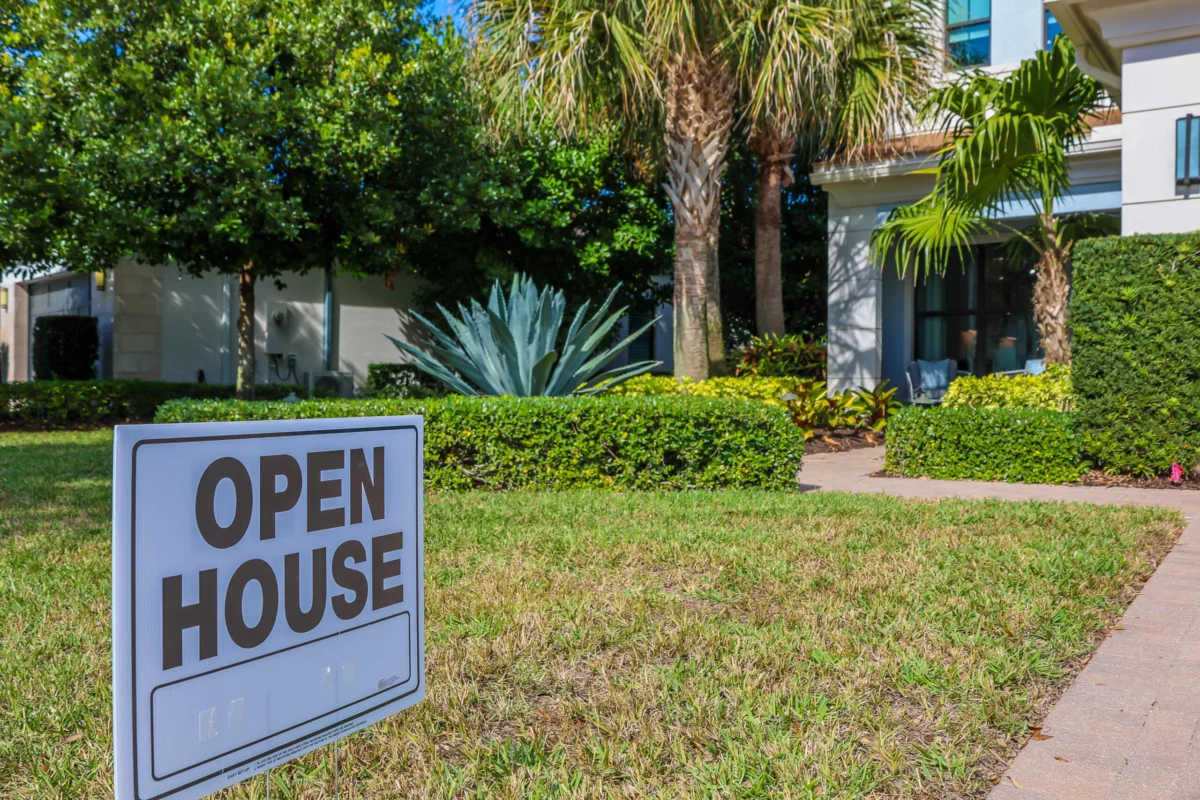
After several tumultuous years characterized by unprecedented demand, skyrocketing prices, and severely constrained inventory, the U.S. housing market is finally exhibiting signs of rebalancing, according to the latest CNBC Housing Market Survey. Real estate professionals across the nation are observing a discernible shift, with a significant increase in agents reporting a more equitable environment for both buyers and sellers, moving away from the seller-dominated conditions that defined the post-pandemic era. This emerging equilibrium is primarily driven by a more realistic approach to pricing by sellers, a gradual increase in housing supply, and the persistent influence of elevated mortgage rates on buyer behavior.
The Evolving Landscape of the U.S. Housing Market
The journey to the current market state has been nothing short of a roller coaster. Following the onset of the COVID-19 pandemic in early 2020, the housing market experienced an extraordinary boom. Driven by historically low interest rates—a direct result of the Federal Reserve’s accommodative monetary policy—and a sudden surge in demand for larger homes as remote work became widespread, properties were snapped up within days, often with multiple cash offers significantly above asking price. Inventory plummeted to record lows, creating fierce bidding wars and propelling home values to unsustainable heights. The S&P CoreLogic Case-Shiller National Home Price Index consistently reported double-digit annual price gains, peaking at over 20% year-over-year growth in early 2022. This period, while lucrative for sellers, proved challenging for buyers, particularly first-timers, who faced intense competition and rapidly eroding affordability.
However, this frenetic pace was unsustainable. As inflation began to surge in late 2021 and early 2022, the Federal Reserve initiated a series of aggressive interest rate hikes to cool the economy. This policy shift directly impacted mortgage rates, which soared from historic lows of below 3% to over 7% by late 2022, and have largely remained elevated since. The sudden increase in borrowing costs significantly eroded buyer purchasing power, causing demand to retract and prompting a necessary recalibration of the market. This led to a period of uncertainty, with many predicting a sharp correction, while others anticipated a more gradual stabilization. The current CNBC survey suggests the latter scenario is unfolding, with the market finding a new, albeit fragile, equilibrium.
Key Findings from the CNBC Housing Market Survey: A Shift Towards Equilibrium
The second quarter of the year brought encouraging news for market observers. The CNBC Housing Market Survey, a national inquiry of randomly selected real estate agents across the United States, revealed that 44% of respondents now perceive a balanced market between buyers and sellers. This figure marks a substantial increase from just 30% reported in the third quarter of last year (Q3 2023), when CNBC initiated its quarterly survey. This upward trend signifies a notable improvement in market dynamics, suggesting that the extreme imbalance favoring sellers has begun to dissipate.
Jeremy Kane, a real estate agent with EXP Realty in Denver, articulated this sentiment, stating, "It certainly feels like, depending on the home, depending on the neighborhood, depending on the condition and the price point, that both the buyer and the seller do have a little bit of leverage." This observation highlights the localized nature of the market, where specific property attributes and micro-market conditions continue to play a crucial role, even within a broader national trend towards balance. The survey for the second quarter, which gathered insights from 53 agents between June 23 and June 30, underscores a collective perception of this emerging equilibrium.
Sellers’ Shifting Mindset and Market Adjustments
A critical factor contributing to this newfound balance is a palpable shift in sellers’ expectations and pricing strategies. After years of enjoying robust demand and often receiving offers well above their asking prices, sellers are becoming more realistic. The era of expecting massive, automatic price jumps reminiscent of the pandemic’s peak appears to be waning. Bruce Jones, an agent with Compass in Nashville, Tennessee, noted, "No one really seems to be fighting me much on price like they used to. We’re not really seeing huge decreases in prices. We’ve kind of plateaued, but I don’t see people arguing too much about that. If it’s priced correctly, it is moving." This indicates a greater willingness among sellers to align their pricing with current market realities rather than aspirational figures.
This realism is evident in the dramatic reduction in price cuts. The CNBC survey found that the percentage of agents reporting at least one price cut to active listings dropped significantly to 57% in the second quarter, a sharp decline from 89% in the third quarter of last year. This suggests that fewer homes are being initially overpriced, leading to more efficient transactions. While home prices are still marginally higher than a year ago—up just under 1% according to the S&P CoreLogic Case-Shiller national home price index—the rate of appreciation has slowed considerably, allowing the market to catch its breath.
Further supporting this trend, Realtor.com reported that asking prices in June were down 2.5% year over year. This marks the largest annual drop since the company began tracking this metric in 2017 and represents the eighth consecutive month of declines. Such sustained reductions in asking prices are a clear signal that the market is actively self-correcting and that sellers are increasingly heeding expert advice. Martha Thorn, an agent with Coldwell Banker in Tampa, Florida, emphasized this point, stating, "I always tell sellers that I’m in the business of selling homes, not storing them, and so you really need to put a property at the right price in order to get it sold." This pragmatic approach by sellers is proving instrumental in fostering a more functional and less frenzied market.
Reduced Contract Cancellations: A Sign of Stability
The alignment of asking prices with current market conditions has had a tangible positive impact on transaction stability. The CNBC survey found a notable decrease in contract cancellations, with just 40% of respondents reporting at least one contract falling through in the second quarter. This is a considerable improvement from 51% in the first quarter of this year. Fewer contract cancellations suggest increased buyer confidence, more robust financing, and a better match between buyer expectations and property valuations. In a balanced market, both parties typically have clearer expectations, leading to smoother transactions and a reduction in fall-throughs often caused by overbidding, appraisal gaps, or buyer’s remorse when market conditions are uncertain.

Mortgage Rates: The Dominant Buyer Concern
While inventory concerns have dramatically decreased, new anxieties have taken center stage for prospective buyers. The CNBC survey highlighted that mortgage rates and prices have now overtaken the broader economy as the biggest worries reported by agents during the second quarter. Specifically, 37% of agents indicated that mortgage rates were their buyers’ primary concern, a significant jump from 26% at the end of last year. The fleeting worry over the "Iran war" (likely referencing broader geopolitical tensions and their economic fallout in March) has abated, leaving affordability challenges at the forefront.
The trajectory of mortgage rates has been a critical determinant of market activity. After peaking in late 2022, rates experienced a period of decline after last summer, hitting a low of 5.99% on the 30-year fixed mortgage at the end of February, according to Mortgage News Daily. However, this relief was short-lived. Rates spiked higher at the start of March, fueled by renewed inflation concerns and broader global economic uncertainty. The average rate on the 30-year fixed mortgage subsequently peaked at 6.75% on May 19 and has since hovered stubbornly around the 6.6% range. These elevated rates translate directly into higher monthly payments, significantly impacting affordability and effectively pricing out a segment of potential buyers. For a median-priced home, even a percentage point increase in mortgage rates can add hundreds of dollars to a monthly payment, creating a substantial hurdle for many.
Inventory Levels: A Gradual Resurgence
One of the most persistent challenges throughout the pandemic housing boom was the acute shortage of available homes. While the market is still considered lean by historical standards, inventory levels are showing promising signs of improvement. According to Realtor.com, inventory in June was up just under 2% from the year before, with new listings rising by 2.4%. Crucially, there are currently 1.1 million homes listed for sale nationwide. This represents a substantial increase from the period just after the massive pandemic-driven housing boom, when there were only around 614,000 homes available for sale at this time in 2023.
This increase, though modest, is vital for fostering a balanced market. A balanced market is typically characterized by a 5- to 6-month supply of homes. While the current supply remains below this benchmark, the upward trend in both total inventory and new listings indicates that more options are becoming available to buyers. The gradual replenishment of inventory is essential for moderating price growth and providing buyers with more choices and negotiation power. However, the "rate lock-in effect" continues to temper inventory growth, as many existing homeowners who secured ultra-low mortgage rates (2-4%) during the pandemic are reluctant to sell and take on a new mortgage at significantly higher rates. This phenomenon limits the number of existing homes coming onto the market, even as new construction slowly adds to the overall supply.
Sales Activity and Agent Sentiment: Tempered Optimism
Despite the positive shift towards a balanced market, real estate agents have become notably less optimistic about the immediate future of sales activity. The CNBC survey’s second-quarter findings revealed that only 19% of respondents expect sales to improve in the near future, a significant drop from 48% in the third quarter of last year. The vast majority of agents, 67%, now believe that sales will remain about the same. This tempered outlook is largely attributed to the stagnantly high mortgage rates, which continue to act as a drag on buyer demand and overall transaction volume.
Existing home sales in May were up slightly, 3% higher than the same month last year, according to the National Association of Realtors (NAR). This modest increase was a direct result of more supply entering the market and the aforementioned easing of prices. However, the overall volume remains subdued compared to pre-pandemic levels. The prevailing sentiment among agents suggests that while the market is healthier in terms of balance, it is unlikely to experience a rapid surge in sales activity as long as affordability challenges persist due to high interest rates.
Joel Eronko with Nicholas Joel Realty Group in Houston succinctly captured this sentiment, highlighting the disconnect between national headlines and local realities: "The challenge isn’t a lack of buyers, it’s a psychology gap. My focus this quarter is keeping clients focused on real-time, hyper-local data rather than national economic headlines." This emphasizes the importance of understanding specific market conditions at a granular level, as broad national trends can mask significant divergences in local markets. Some regions may still experience robust demand and competitive conditions, while others might see slower activity and more pronounced price adjustments.
Broader Economic Implications and Outlook
The rebalancing of the U.S. housing market carries significant broader economic implications. A more stable housing market can help curb inflationary pressures, as housing costs are a substantial component of the Consumer Price Index. It also reduces the risk of a sharp market correction, which could have cascading negative effects on consumer wealth and confidence. While a return to the breakneck pace of the pandemic boom is neither expected nor desired, a gradual, sustainable market characterized by predictable price growth and increased affordability is beneficial for long-term economic stability.
The Federal Reserve’s future monetary policy decisions will continue to be a primary driver of mortgage rates. Any indications of interest rate cuts could inject new life into the housing market by improving affordability and stimulating buyer demand. Conversely, sustained high rates or further increases could prolong the current period of tempered sales activity. The interplay between inflation, employment data, and the Fed’s stance will remain crucial for the housing market’s trajectory in the coming quarters.
Ultimately, the shift towards a balanced market, as identified by the CNBC Housing Market Survey, represents a maturing of the post-pandemic housing cycle. It signals a move away from the extreme volatility and unsustainable conditions of recent years towards a more rational and functional environment. While challenges such as affordability and high mortgage rates persist, the willingness of sellers to adjust expectations and the gradual improvement in inventory are laying the groundwork for a healthier, more predictable housing market in the long run. For those seeking deeper insights into these evolving opportunities for real estate investors, from individuals to venture capitalists and institutional players, the CNBC Property Play newsletter with Diana Olick offers weekly analyses directly to your inbox.
