

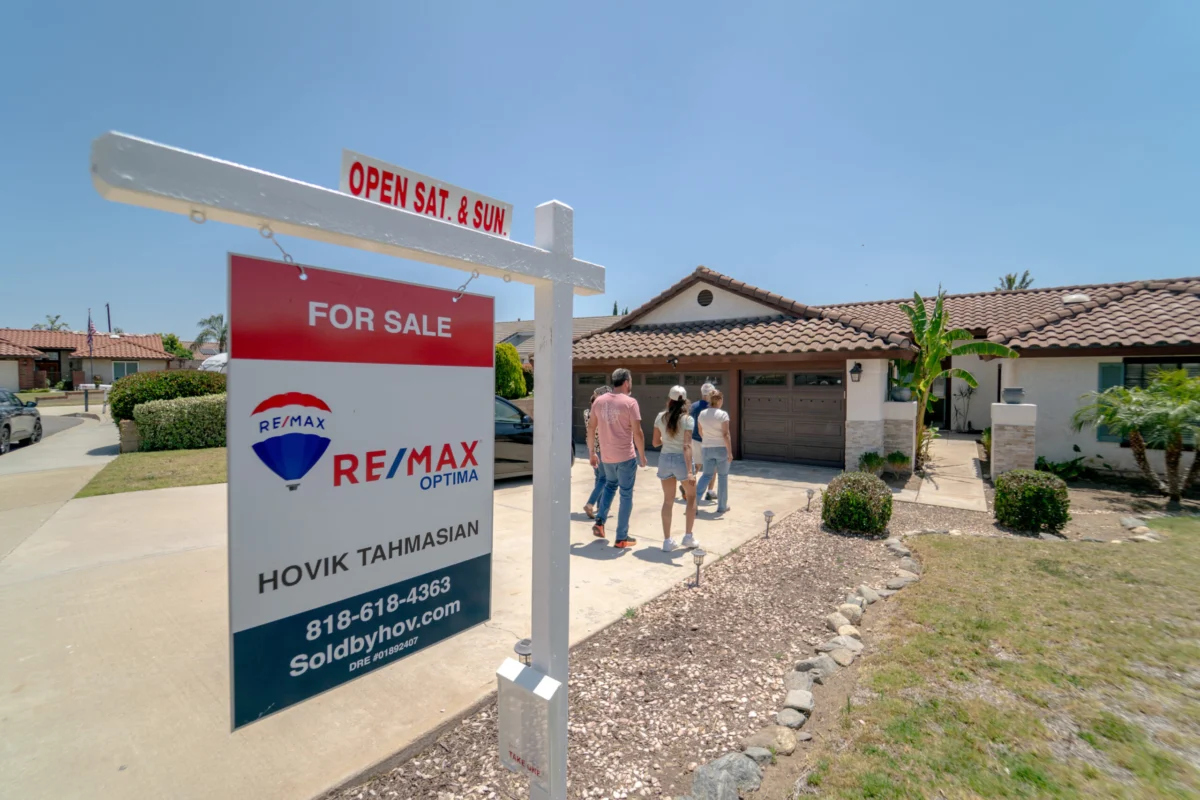
Existing home sales in the United States experienced a significant rebound in May, surpassing economists’ predictions and reaching their highest level since December, signaling a potential stabilization in the housing market. This resurgence was largely attributed to a modest easing of mortgage rates in April, which spurred a renewed wave of buyer activity after a period of volatility.
According to the latest data released by the National Association of Realtors (NAR), sales of previously owned homes climbed by 3.2% from April to a seasonally adjusted annual rate of 4.17 million units. This increase notably outstripped the less than 1% gain that most economists had anticipated, underscoring the market’s underlying resilience. On a year-over-year basis, sales also demonstrated a 3.2% increase, marking the strongest pace observed since the close of the previous year.
The timing of these transactions is crucial for understanding the market dynamics. The reported sales figures are based on closings in May, meaning the majority of the corresponding purchase contracts were likely signed in April. This period saw a slight retreat in mortgage rates following a sharp ascent at the beginning of March, influenced by a combination of evolving economic data, Federal Reserve commentary, and broader geopolitical uncertainties that had previously injected volatility into financial markets. The brief window of lower borrowing costs evidently provided the necessary impetus for hesitant buyers to re-enter the market, converting latent demand into concrete transactions.
The Role of Affordability and Income Growth
Lawrence Yun, chief economist for the National Association of Realtors, highlighted the pivotal role of improving affordability in driving this positive momentum. "Even with mortgage rates ticking up compared to earlier in the year, they remain lower than a year ago and are essentially at the long-term historical average," Yun stated in the NAR’s official release. He further elaborated on another crucial factor: "Income gains are also outpacing home price growth by a small margin in most parts of the country." This convergence of relatively stable mortgage rates and modest wage increases has begun to alleviate some of the financial pressures on prospective homebuyers, making homeownership a more attainable goal for a broader segment of the population.
To fully grasp the concept of "improving affordability," it’s essential to consider its multifaceted nature. Affordability is a function of home prices, mortgage rates, and household income. While home prices have remained elevated, the slight reduction in mortgage rates from their peaks and the continuous, albeit gradual, rise in average wages have cumulatively enhanced purchasing power for some buyers. For instance, the average 30-year fixed mortgage rate, which had hovered above 7% for extended periods in late 2023 and early 2024, saw intermittent dips in April, sometimes falling into the high 6% range. These seemingly small percentage point shifts can translate into hundreds of dollars saved on monthly mortgage payments, significantly impacting a buyer’s debt-to-income ratio and overall eligibility for loans.
Inventory and Pricing Dynamics
Despite the surge in sales, the fundamental challenge of limited housing supply continues to exert upward pressure on prices. Inventory in May saw a modest increase of 3.3% month-to-month, reaching 1.55 million units available for sale. However, this figure was up only slightly less than 1% from a year ago, underscoring the persistent tightness in the market. At the current sales pace, this level of inventory represents a 4.5 months’ supply. Industry experts typically consider a six-month supply to be indicative of a balanced market, where neither buyers nor sellers hold a significant advantage. The current deficit suggests that sellers continue to maintain a stronger position.
Reflecting this supply-demand imbalance, the median price of an existing home sold in May reached a record high for the month, hitting $429,300. This represented an increase of 1.3% from the median price recorded a year earlier. The continuous upward trajectory of home prices, even in a higher interest rate environment, highlights the deeply entrenched supply shortage that has characterized the U.S. housing market for several years. This trend is further exacerbated by existing homeowners’ reluctance to sell, many of whom are locked into historically low mortgage rates from previous years and are hesitant to trade up to a new home with a significantly higher interest rate.
Market Segmentation and Buyer Profiles
The May sales data also revealed distinct patterns across different price segments of the market. The robust activity was disproportionately concentrated at the higher end, where buyers tend to be less sensitive to fluctuations in mortgage rates. Sales of homes priced above $1 million surged by 11% compared to the previous year. This segment often comprises affluent buyers who may pay cash or have substantial equity from previous home sales, making them less reliant on conventional financing and more insulated from interest rate hikes. Conversely, sales of homes priced between $100,000 and $250,000, typically representing the more affordable entry-level market, declined by 5%. This disparity underscores the ongoing challenges faced by first-time and lower-income buyers, who are most acutely affected by elevated prices and borrowing costs.
Despite these challenges, there was an encouraging return of first-time buyers to the market. They accounted for 35% of all sales in May, a notable increase from 33% in April and a more substantial jump from 30% a year prior. This uptick suggests that improving affordability metrics, however marginal, are indeed making a difference for some new entrants. The average time homes spent on the market also decreased to 29 days in May, down from 32 days in April, though slightly up from 27 days in May of the previous year. This indicates a relatively swift sales cycle, another symptom of tight inventory. Cash sales continued to represent a significant portion of transactions, accounting for approximately a quarter of all sales, though this was a slight decrease from the year prior.

Financial Health of Homeowners
A crucial indicator of market stability and the broader economic health of homeowners is the low incidence of distressed sales. Lawrence Yun further emphasized this point, noting, "Only 1% of all home sales involved a foreclosure or an underwater situation in which the sale price could not cover the outstanding mortgage balance. This shows that homeowners are on solid financial footing." This statistic provides a stark contrast to the housing crisis of 2008, when foreclosures flooded the market, driving down prices. Today’s market is characterized by substantial equity gains for many homeowners, a result of years of price appreciation and conservative lending practices post-crisis. This strong financial position acts as a significant buffer against widespread market downturns, even amidst economic uncertainties.
Broader Economic Context and Chronology
The housing market’s journey to this point has been heavily influenced by the broader economic environment and the Federal Reserve’s aggressive monetary policy. Following the pandemic-induced boom, characterized by ultra-low interest rates and surging demand, the Fed embarked on a rapid series of interest rate hikes starting in March 2022 to combat runaway inflation. This campaign pushed the federal funds rate from near zero to over 5%, which in turn sent 30-year fixed mortgage rates soaring from below 3% to over 8% by late 2023.
- Early 2022: The Federal Reserve initiates a series of aggressive interest rate hikes to combat escalating inflation, causing mortgage rates to begin their steep ascent and cooling off the previously red-hot pandemic housing market.
- Late 2022 – Early 2023: The housing market experiences a significant slowdown, with sales volumes plummeting as affordability rapidly deteriorates. Inventory remains stubbornly low as many existing homeowners, locked into historically low mortgage rates, are reluctant to sell and face higher borrowing costs on a new purchase.
- Mid-2023: Mortgage rates stabilize in the 6-7% range, leading to brief spurts of buyer activity in some regions, but the overall market remains subdued. Despite the slowdown in sales, home prices continue to show resilience and even modest growth in many areas due to the persistent structural supply shortages.
- Late 2023: Mortgage rates briefly exceed 8%, pushing affordability to multi-decade lows and further dampening sales volume across the country. Consumer confidence in the housing market wanes significantly.
- Early 2024: Rates moderate slightly from their late 2023 peaks, sparking cautious hopes of a market rebound. However, robust economic data and geopolitical events (as observed in early March) introduce fresh volatility into bond markets, causing temporary spikes in mortgage rates.
- April 2024: A period of slight mortgage rate pullback provides a critical window of opportunity for buyers. This rate moderation directly contributes to the significant surge in existing home sales reported for May.
The May sales figures, therefore, represent a significant data point in this ongoing narrative, suggesting that the market may be adapting to the "higher for longer" interest rate environment, or at least reacting positively to any minor relief in borrowing costs. The Federal Reserve’s future decisions regarding interest rates, heavily dependent on inflation and employment data, will continue to be a primary determinant of mortgage rate trends and, consequently, housing market activity.
Expert Perspectives and Future Outlook
While the May surge is undoubtedly positive news, experts remain cautiously optimistic about the sustainability of this momentum. The fundamental issue of supply scarcity, particularly for affordable entry-level homes, persists as a major impediment to a more robust and equitable recovery.
"The market is clearly sensitive to mortgage rate movements," observed a hypothetical leading real estate analyst from a major financial institution. "Even small drops can unlock significant pent-up demand. However, until we see a substantial increase in new construction or more existing homeowners willing to sell, price growth will likely continue, and affordability will remain a challenge for many, especially first-time buyers." This sentiment is echoed by many in the industry who view the current market as a delicate balance between persistent demand and constrained supply, heavily influenced by external economic forces.
Another expert, a senior economist at a national mortgage lender, might add, "The return of first-time buyers is a very healthy sign for the long-term vitality of the market. It indicates that despite the hurdles, the aspiration for homeownership remains strong, and segments of the population are finding ways to make it work, often with the help of income growth, savings, or family assistance. However, sustained recovery will require more than just rate stabilization; it demands a concerted effort to address the structural housing shortage through policy incentives and increased development."
Looking ahead, several factors could influence the trajectory of the housing market. If inflation continues its downward trend, the Federal Reserve might consider interest rate cuts later in the year, which would likely translate to lower mortgage rates and potentially further stimulate sales. Conversely, an unexpected resurgence in inflation or stronger-than-anticipated economic growth could prompt the Fed to maintain higher rates for longer, thereby cooling off buyer enthusiasm once again. Geopolitical events and global economic shifts will also continue to play a role in shaping investor sentiment and bond yields, which directly impact mortgage rates.
Implications for Stakeholders
The current state of the housing market has varied implications for different stakeholders:
- For Homebuyers: The market remains competitive, especially in desirable areas and at specific price points. While improving affordability is a positive development, rising median prices mean that the overall cost of homeownership continues to be a significant hurdle. First-time buyers, though increasing in number, still face substantial challenges in securing entry-level homes amidst limited supply and robust competition from other buyers, including cash purchasers.
- For Sellers: It continues to be largely a seller’s market, particularly for well-maintained properties in sought-after locations. Record median prices translate to strong returns for those who choose to sell, though the decision to move is often complicated by the prospect of buying a new home at a potentially higher mortgage rate than their existing one. This "lock-in" effect contributes to the overall low inventory.
- For Real Estate Agents: The rebound in sales brings increased activity and opportunities, but also requires navigating a complex market characterized by discerning buyers, strategic pricing, and intense competition for limited listings. Agents must be adept at guiding clients through these dynamic conditions.
- For Developers and Builders: The persistent supply shortage underscores the critical need for new housing construction. However, challenges such as high material costs, labor shortages, and restrictive zoning regulations continue to hinder the pace of building. Increased construction, particularly of entry-level and mid-range homes, would be crucial for alleviating price pressures and improving overall affordability across the market.
- For the Broader Economy: A healthy and stable housing market contributes significantly to consumer confidence and household wealth creation. The resilience shown in May suggests that despite ongoing economic headwinds, a significant sector of the economy remains robust, though its potential for broader economic stimulus is somewhat constrained by high prices and interest rates. The housing sector’s performance often acts as a bellwether for overall economic health.
In conclusion, May’s robust rebound in existing home sales offers a glimmer of optimism for a housing market that has navigated considerable turbulence over the past two years. Driven by a temporary reprieve in mortgage rates and incremental improvements in affordability, the surge highlights underlying demand and the market’s sensitivity to borrowing costs. However, the persistent challenge of limited inventory and continuously rising prices suggests that while the market may be finding its footing, a return to widespread affordability and balance remains a significant journey ahead, heavily contingent on future economic conditions and policy decisions. The continued vigilance of market participants and policymakers will be essential in fostering a stable and accessible housing environment for all.
