

PARIS – As Europe embarks on an ambitious mission to revitalize its industrial sector, China is strategically shifting its focus towards shaping international standards and global governance frameworks. This convergence of interests stems from a shared realization: neither power can solely rely on its traditional strengths to achieve a dominant position in the burgeoning global energy transition. The dynamic, observed on July 29, 2026, by Emmanuel Guerin, signals a profound evolution in the geopolitical and economic landscape, moving beyond the previously defined rivalries.
For years, the European Union and China presented starkly contrasting models for development and their respective approaches to the energy transition. The EU historically championed market-based mechanisms, the establishment of common rules, and the strengthening of multilateral institutions. This approach fostered the phenomenon often dubbed the "Brussels Effect," where EU regulations and standards frequently set global benchmarks. In contrast, China’s strategy was characterized by robust industrial policy, massive infrastructure investment, and an unparalleled manufacturing capacity, leading to the construction of vast industrial complexes. However, this established dichotomy is now being redefined as both entities recognize the limitations of their singular approaches in the face of escalating global challenges and opportunities presented by the green revolution.
The Shifting Sands of Global Influence
The current strategic recalibration by both Europe and China is a direct response to the evolving demands of the global energy transition. Europe’s push to rebuild its industrial base is not merely about reindustrialization; it is fundamentally about securing its future in a world increasingly reliant on sustainable energy technologies. This involves significant investment in areas such as renewable energy generation, battery manufacturing, green hydrogen production, and critical raw material supply chains. The aim is to regain competitiveness, create high-value jobs, and reduce strategic dependencies that have become apparent in recent years.
Simultaneously, China’s pivot towards influencing international standards and governance reflects a sophisticated understanding of power dynamics in the 21st century. While China remains a manufacturing powerhouse, it recognizes that true long-term dominance in sectors like renewable energy, electric vehicles, and smart grids will also depend on setting the technical specifications, interoperability protocols, and regulatory frameworks that govern these industries globally. By actively participating in and shaping international standard-setting bodies, China can ensure its technologies and products are favored, potentially locking in its market leadership and influencing the direction of global technological development for decades to come.
A Timeline of Evolving Strategies
The seeds of this convergence were sown in the aftermath of the COVID-19 pandemic and amplified by geopolitical events that exposed the fragility of global supply chains and the urgent need for energy security.
- Late 2020s – Early 2020s: Increased awareness of climate change urgency and the geopolitical implications of energy dependencies. Europe begins to articulate ambitious Green Deal objectives, emphasizing regulatory leadership and sustainable industrial growth. China continues its rapid industrial expansion, solidifying its position as a global manufacturing hub for clean energy technologies.
- Mid-2020s: The rise of protectionist trade policies and supply chain vulnerabilities leads Europe to prioritize domestic industrial capacity building. Initiatives like the EU Industrial Strategy and the Net-Zero Industry Act are launched. Concurrently, China begins to strategically engage more actively in international standard-setting organizations, recognizing the need to influence global norms beyond its borders.
- 2025-2026: The current period, marked by Europe’s intensified efforts to rebuild its industrial base and China’s concerted push for greater influence in global governance and standards. Both nations acknowledge that traditional strengths alone are insufficient for leadership in the energy transition, necessitating a convergence of approaches.
The "Brussels Effect" Meets Global Governance Influence
Historically, Europe’s "Brussels Effect" was a powerful engine of global regulatory alignment. The EU’s stringent environmental, data privacy, and consumer protection standards often became de facto global norms as multinational corporations adopted them to access the vast European market. This created a ripple effect, influencing regulations in other countries and shaping the global business landscape.
China’s emerging strategy is a more direct and assertive form of influence. Rather than waiting for regulations to be imposed, China is actively participating in the technical committees and policy discussions within organizations like the International Organization for Standardization (ISO) and the International Electrotechnical Commission (IEC). By contributing technical expertise, proposing standards, and leveraging its economic weight, China aims to shape the rules of the game in critical emerging technologies. This could manifest in areas like battery performance standards, electric vehicle charging protocols, and the interoperability of smart grid technologies, all crucial for the global energy transition.
Supporting Data and Economic Underpinnings
The economic rationale behind this shift is substantial. The global energy transition is projected to be one of the largest economic transformations in history. The International Energy Agency (IEA) has consistently highlighted the massive investment required, with clean energy technologies expected to drive trillions of dollars in new economic activity.
For instance, projections from various economic think tanks suggest that the market for renewable energy equipment alone could exceed $2 trillion by 2030. Similarly, the electric vehicle market is expected to grow exponentially, with global sales projected to reach tens of millions of units annually within the next decade. Dominance in setting the standards for these rapidly expanding sectors offers significant competitive advantages, including market access, technological leadership, and the potential for higher profit margins.
Europe’s renewed focus on industrial policy is supported by figures indicating a decline in its manufacturing share of GDP over the past two decades. Initiatives like the Net-Zero Industry Act aim to boost the production of critical clean technologies within the EU, targeting an increase in manufacturing capacity to at least 40% of the bloc’s deployment needs for strategic net-zero technologies by 2030.
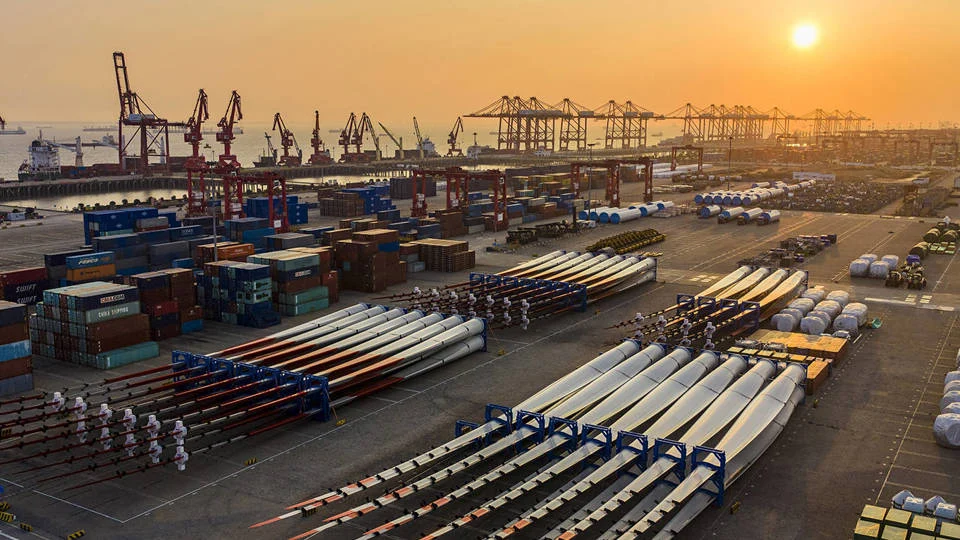
China, on the other hand, has already established itself as a leader in manufacturing many of these technologies. Its share of global renewable energy manufacturing, for example, is substantial, with it dominating production of solar panels, wind turbines, and electric vehicle batteries. Its strategy now is to ensure these manufacturing strengths are translated into global technological leadership through standard-setting.
Inferred Reactions and Analysis of Implications
The convergence of Europe and China on the importance of international standards and governance is likely to elicit varied reactions from other global actors.
United States: The US, while a significant player in technological innovation, has historically approached standard-setting with a more market-driven and often less centralized approach compared to the EU or China’s current strategy. The growing influence of China in global standards could prompt the US to reassess its engagement in these forums to ensure its own technological interests and innovation frameworks are adequately represented and protected. There may be increased calls for transatlantic cooperation on standards to counter the influence of any single nation.
Developing Nations: For developing countries, the shift presents both opportunities and challenges. Harmonized international standards can facilitate trade and technology transfer. However, if these standards are disproportionately influenced by the interests of major economic powers, they could inadvertently create barriers to entry for nascent industries in developing nations. The push for greater influence in standard-setting by both Europe and China will likely be scrutinized for its inclusivity and impact on global equity.
Industry Stakeholders: Businesses operating globally will be closely watching these developments. Clarity and consensus on international standards are crucial for investment decisions and long-term planning. Companies may find themselves navigating a landscape where the technical specifications for critical technologies are increasingly shaped by geopolitical considerations. This could lead to increased lobbying efforts by industry groups to influence the standard-setting process.
Broader Impact and Future Outlook
The convergence of Europe and China on global standards is not necessarily a sign of détente but rather an acknowledgment of evolving strategic necessities. Both powers recognize that the future of the global energy transition, and the economic opportunities it presents, will be significantly shaped by the rules of the game.
For Europe, this means leveraging its regulatory expertise and its growing industrial capacity to influence the global adoption of sustainable technologies. It also requires a more proactive engagement in international forums to ensure its values and interests are embedded in the standards that will govern the green economy.
For China, it represents a strategic move to solidify its leadership beyond manufacturing, translating its industrial might into technological and governance influence. By shaping international standards, China can further entrench its position as a central player in the global energy transition, influencing everything from supply chains to the design of future energy infrastructure.
This evolving dynamic underscores a fundamental truth: leadership in the 21st-century energy transition will not be solely about who can build the most factories or generate the most renewable energy, but also about who can effectively shape the global rules and standards that govern these critical sectors. The coming years will likely see a heightened competition, and perhaps new forms of collaboration, as Europe and China, alongside other global powers, vie for influence in defining the architecture of the future global energy landscape. The era of distinct, rival models is giving way to a more complex interplay where strategic alignment on governance and standards becomes a key determinant of global economic and technological leadership.
